
May 6, 2026
Performance Comparison of ASTM A358 TP304, TP316 and TP316L
Performance Comparison of ASTM A358 TP304, TP316 and TP316L
In petrochemical, power and environmental protection projects, material selection often determines the service life and safety of the system. Especially when using ASTM A358 electric fusion welded stainless steel pipes, TP304, TP316 and TP316L are the three most common and easily confused materials.
So the question is: What are the differences between these three materials? How to choose them under different working conditions? Is it necessary to pay a higher cost for 316L? This paper systematically analyzes the three materials from the perspectives of chemical composition, mechanical properties, corrosion resistance, testing standards and engineering applications, combined with YOUFASS's manufacturing experience, to help you make a wiser purchasing decision.
Introduction to ASTM A358 Material System
ASTM A358 is mainly used for manufacturing electric fusion welded austenitic stainless steel pipes, suitable for high-temperature and corrosive environments. Common materials include:
- TP304 / TP304L
- TP316 / TP316L
Chemical Composition Comparison (Source of Core Differences)
1. Typical Chemical Composition (%)
|
Element |
TP304 |
TP316 |
TP316L |
|
C |
≤0.08 |
≤0.08 |
≤0.03 |
|
Cr |
18.0–20.0 |
16.0–18.0 |
16.0–18.0 |
|
Ni |
8.0–10.5 |
10.0–14.0 |
10.0–14.0 |
|
Mo |
— |
2.0–3.0 |
2.0–3.0 |
|
Mn |
≤2.0 |
≤2.0 |
≤2.0 |
2. Analysis of Key Differences
- TP304: Basic stainless steel with high cost performance
- TP316: Added Mo to improve pitting corrosion resistance
- TP316L: Low-carbon design to prevent intergranular corrosion after welding
Conclusion
- Corrosive environment → 316 / 316L
- Complex welded structure → Priority to 316L
Mechanical Properties Comparison
According to the ASTM A358 specification, the mechanical properties of the three materials are basically the same:
|
Material |
Tensile Strength (MPa) |
Yield Strength (MPa) |
Elongation (%) |
|
TP304 |
≥515 |
≥205 |
≥35 |
|
TP316 |
≥515 |
≥205 |
≥35 |
|
TP316L |
≥485 |
≥170 |
≥35 |
Key Points
- 316L has slightly lower strength but better toughness
- All materials have excellent processability
Corrosion Resistance Comparison (Key for Material Selection)
1. Pitting and Crevice Corrosion
|
Environment |
Recommended Material |
|
Clean water / Weak corrosion |
TP304 |
|
Chloride-containing environment |
TP316 |
|
Seawater / Severe corrosion |
TP316L |
Mo element is the key:
- TP316 / TP316L have significantly better pitting corrosion resistance than 304
2. Intergranular Corrosion
- TP304: Prone to sensitization after welding
- TP316: Improved to some extent
- TP316L: Optimal (low-carbon design)
Particularly important for welded pipes (e.g. ASTM A358 pipe)
High-Temperature Performance Comparison
|
Material |
Recommended Operating Temperature |
Features |
|
TP304 |
≤600℃ |
Average stability |
|
TP316 |
≤650℃ |
Better oxidation resistance |
|
TP316L |
≤450℃ |
Not suitable for long-term high temperature |
Caution should be exercised when selecting 316L for high-temperature applications.
Testing Methods and Standard Requirements
The ASTM A358 spec has strict regulations for material performance verification:
1. Chemical Composition Testing
- Standard: ASTM A751
- Method: Spectrometric analysis (OES)
- Purpose: Ensure compliance with standard ranges
2. Tensile Test
- Standard: ASTM A370
- Steps:
- Sample preparation
- Tensile testing
- Recording strength and elongation
3. Non-Destructive Testing (NDT)
Varies by Class grade:
|
Testing |
Description |
|
RT |
Detect internal weld defects |
|
UT |
Inspect internal continuity |
|
PT |
Detect surface cracks |
100% RT is mandatory for Class 2 / 3
ASTM A358 vs A312: Impact on Material Selection
Many customers compare ASTM A358 vs A312 when purchasing:
|
Item |
ASTM A358 |
ASTM A312 |
|
Process |
Electric fusion welding |
Seamless / Welded |
|
Cost |
Lower (large diameter) |
Higher |
|
Application |
Industrial pipelines |
Precision systems |
8. Key Risks and Solutions in Procurement
Common Problems:
- 316 passed off as 316L
- Unqualified chemical composition
- Fake test reports
How to Avoid?
- Verify MTC (Material Test Certificate)
- Confirm the ASTM A358 specification pdf
- Check actual test data
How YOUFASS Guarantees Material Performance?
In the field of ASTM A358 stainless steel pipe, YOUFASS builds customer trust through the following measures:
✅In-House Laboratory (Core Advantage)
- Spectrometer (composition testing)
- Tensile testing equipment
- Complete RT / UT / PT testing
Data is authentic, traceable and supports customer audits.
✅Strict Compliance with Standards
- Comply with the latest ASTM A358 standard pdf
- Cover:
- ASTM A358 TP304 CL1
- ASTM A358 TP316
- ASTM A358 TP316L
✅Engineering Selection Support
- Recommend the best material according to working conditions
- Avoid over-engineering or material waste
- Provide technical documents (including ASTM A358 pdf free download)
Conclusion: How to Make the Right Choice?
If you need a simple conclusion:
Three Principles for Material Selection: Environment + Welding + Cost
- Conventional environment → TP304
- Corrosive environment → TP316
- High welding requirements → TP316L
Choosing a reliable supplier is also critical in actual projects. With nearly 10 years of experience, a complete testing system and stable delivery capacity, YOUFASS can provide you with products that truly meet the standards.
Contact YOUFASS now to get:
- The latest ASTM A358 A358M pdf
- Sample material test reports
- Professional selection advice and quotations
Let every pipe stand the test of time and working conditions.
Online Message
YOU MAY LIKE
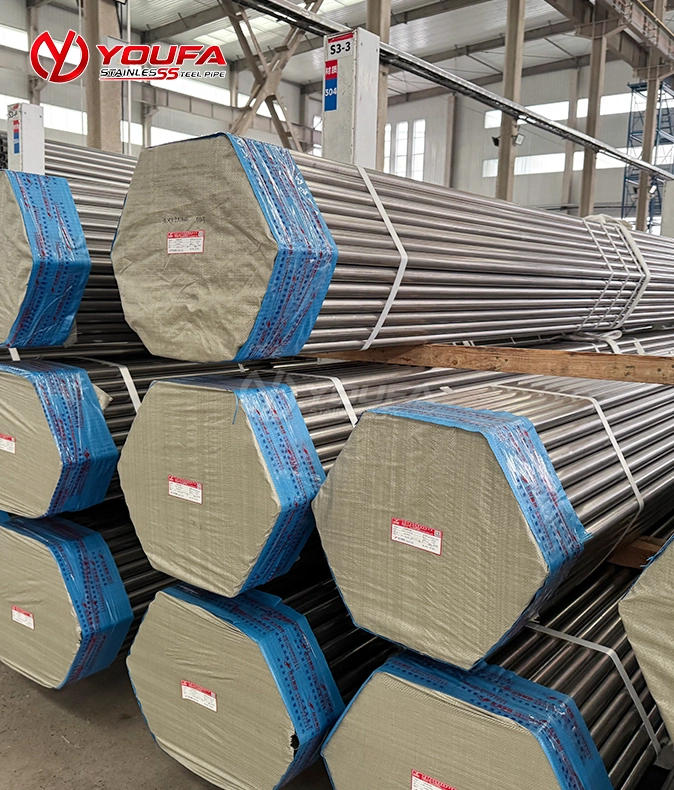
ASTM A213 TP316 TP316L Seamless Tubes
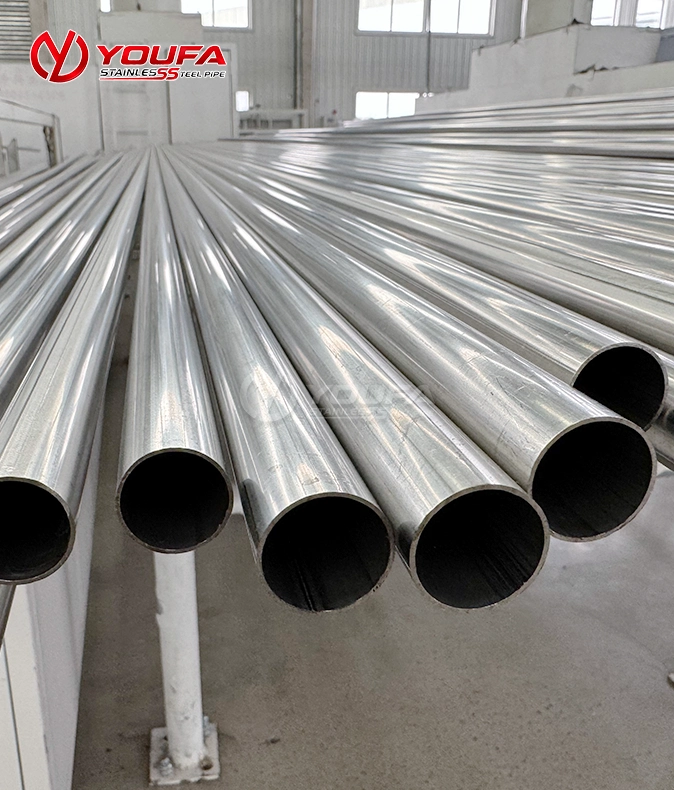
ASTM A270 TP316 Welded Steel Tubing
%20Stainless%20Steel%20%20Tubes_1781258811057.webp)
ASTM A213 904L(N08904) Stainless Steel Tubes
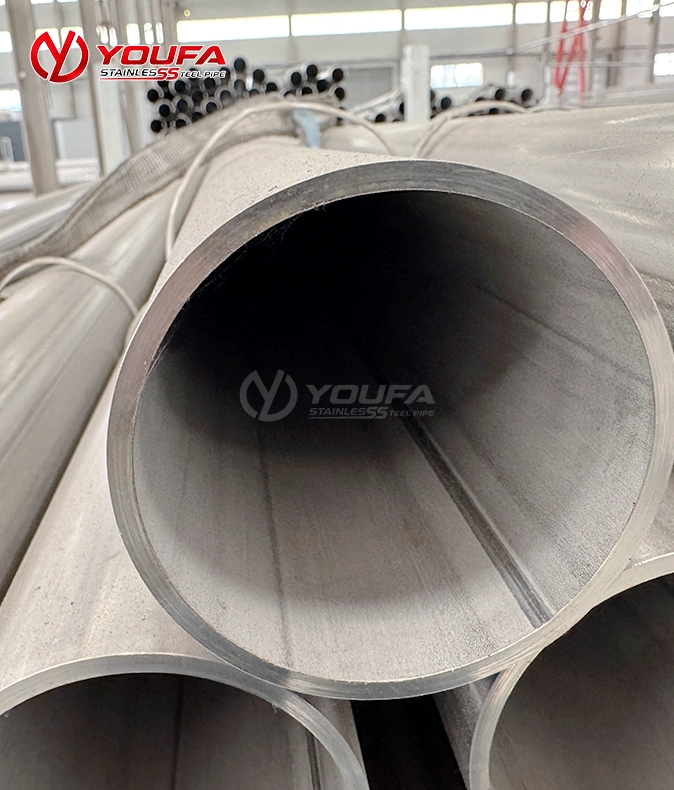
ASTM A312 TP347 347H Stainless Steel Pipes
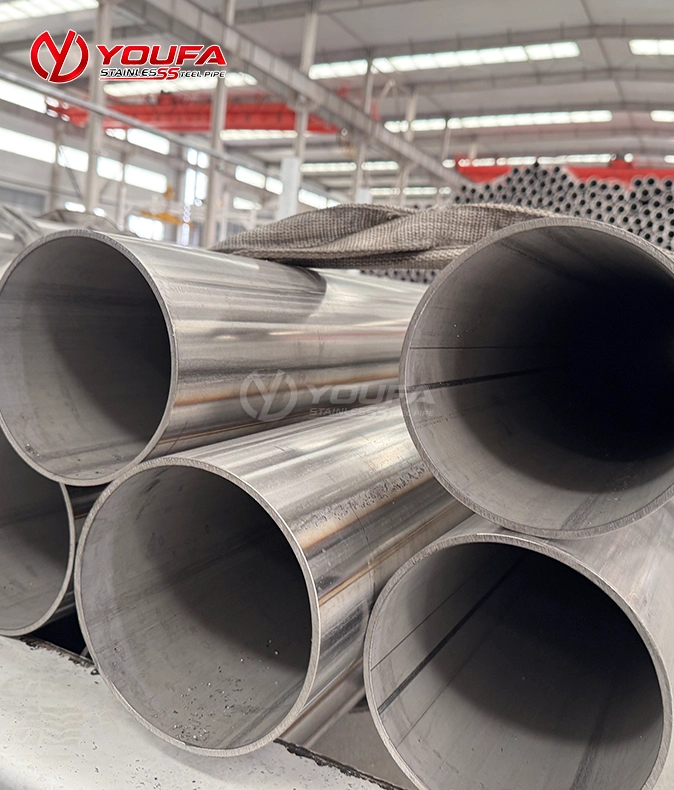
ASTM A358 GR TP304 CL1 Stainless Steel Pipe
ASTM A928 Duplex 2205 EFW Steel Pipe
EN 10217-7 Welded Stainless Steel Pipes
ASTM A789 UNS S31803 EFW pipe