
Jul 20, 2026
Why TP316L Pipes Are Ideal for Chemical Processing?
When harsh chemicals meet sensitive infrastructure, material selection becomes mission-critical. ASTM A312 GR TP316L Stainless Steel Pipes stand out as the preferred solution for chemical processing environments due to their low carbon content (maximum 0.035%), which prevents carbide precipitation during welding. Combined with 2.0-3.0% molybdenum addition, these pipes deliver exceptional resistance to pitting and crevice corrosion in chloride-rich atmospheres, ensuring uninterrupted operations where standard grades fail prematurely.
|
|
|
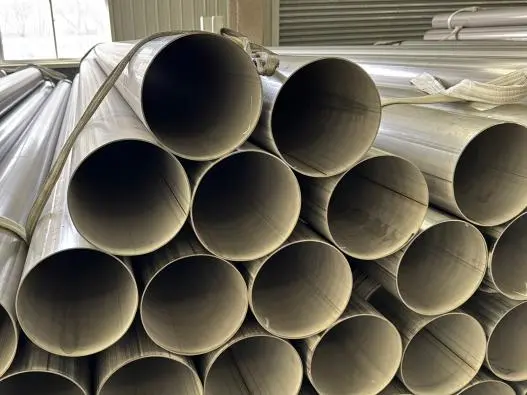

Understanding ASTM A312 GR TP316L Stainless Steel Pipes
Chemical processing demands materials that withstand aggressive environments while maintaining structural integrity. The TP316L designation within the ASTM A312 specification represents a carefully engineered solution addressing these challenges.
What Makes TP316L Different from Standard Grades?
The "L" suffix indicates low carbon content, a seemingly small detail that dramatically impacts performance. While standard TP316 allows up to 0.08% carbon, TP316L restricts this to 0.035% maximum. This reduction eliminates sensitization—a phenomenon where chromium carbides form at grain boundaries during welding, creating corrosion-vulnerable zones. Chemical plants handling sulfuric acid, acetic acid, or phosphoric acid benefit directly from this immunity to intergranular attack.
Chemical Composition and Mechanical Properties
ASTM A312 GR TP316L Stainless Steel Pipes are a grade of stainless steel in which the alloy contains 16.0–18.0% chromium for passive film formation, 10.0–14.0% nickel ensuring austenitic stability, and crucially, 2.0–3.0% molybdenum. This molybdenum addition provides superior resistance against chloride-induced pitting compared to TP304 alternatives. Mechanical thresholds include a minimum tensile strength of 485 MPa and yield strength of 170 MPa, supporting high-pressure applications up to Schedule XXS wall thickness.
Manufacturing Standards and Dimensional Tolerances
ASTM A312/A312M-22 governs production parameters, specifying three manufacturing processes: seamless (SMLS), welded (WLD), and heavily cold worked (HCW). Size availability spans NPS 1/8" through 48" (DN6–DN1200), accommodating diverse system requirements. Wall thickness tolerance follows strict boundaries—positive tolerance of +15% to +22.5% and negative tolerance of -12.5%—ensuring predictable performance under design pressures. Solution annealing at a minimum of 1040°C followed by rapid water quenching guarantees proper phase stability.
Corrosion Resistance and Durability of TP316L Pipes in Chemical Environments
Corrosion represents the primary failure mode in chemical processing systems, directly impacting safety protocols and operational continuity. Understanding how material composition influences corrosion resistance helps engineers specify appropriate piping systems.
Why Molybdenum Content Matters
Performance in Acidic and Alkaline Media
Chemical manufacturers handling medium-concentration sulfuric acid (below 80% at moderate temperatures) find ASTM A312 GR TP316L Stainless Steel Pipes reliable, where carbon steel would corrode within months. The passive chromium oxide layer self-repairs in oxidizing environments, maintaining barrier protection. However, procurement teams should note limitations: hydrochloric acid and reducing acids like hydrofluoric require upgraded alloys such as TP317L or nickel-based alternatives.
Lifecycle Expectations Under Harsh Conditions
Pharmaceutical facilities operating clean-in-place (CIP) systems with hot caustic solutions report 20+ year operational lifespans for properly installed TP316L piping. The low carbon content prevents carbide precipitation that would otherwise create galvanic cells promoting localized corrosion. Fertilizer plants transporting ammonium nitrate solutions experience similar longevity, provided design velocities remain below erosion-corrosion thresholds (typically 3–5 m/s depending on solution concentration).
Comparing ASTM A312 TP316L Pipes with Other Stainless Steel Pipes
TP316L vs. TP304 Grade Comparison
TP304 serves general-purpose applications admirably, containing 18–20% chromium and 8–10.5% nickel but lacking molybdenum. This absence makes TP304 vulnerable in marine atmospheres or chloride-containing process streams. Cost differential typically ranges 15–20% favoring TP304, yet replacement intervals in corrosive service can triple or quadruple, erasing initial savings. Electroplating plants and chemical processing facilities consistently specify TP316L for long-term economic advantage despite higher upfront investment.
Standard TP316 Versus Low-Carbon TP316L
Schedule Ratings and Pressure Capabilities
Procurement Considerations for ASTM A312 TP316L Pipes
Sourcing decisions impact project timelines, quality assurance, and total cost of ownership. Strategic procurement requires understanding supplier capabilities beyond quoted pricing.
Supplier Qualification and Certification Requirements
Reputable manufacturers maintain ISO 9001 quality management systems and hold Pressure Equipment Directive (PED) certification for European markets. The presence of ISO 17025-accredited testing laboratories indicates in-house analytical capability for chemical composition verification and mechanical testing. Documentation packages should include Material Test Reports (MTR) per EN 10204 3.1 or 3.2 standards, providing traceability to heat numbers and confirming compliance with specification requirements.
Lead Times and Minimum Order Quantities
Standard dimensions of ASTM A312 GR TP316L Stainless Steel Pipes typically ship within 2–4 weeks from established suppliers maintaining inventory. Custom specifications—non-standard lengths, special surface finishes like electropolishing, or exotic schedules—extend lead times to 6–10 weeks, depending on production queue depth. While many suppliers impose minimum order quantities of 500–1000 kg, specialized manufacturers accommodate single-pipe orders, which is especially valuable for maintenance replacements or prototype installations. YOUFA offers flexibility with an MOQ of just one pipe, supporting emergency repairs without forcing excess inventory purchases.
Pricing Structures and Value Analysis
Regional Sourcing and Supply Chain Logistics
North American buyers traditionally source from domestic mills or European manufacturers, prioritizing ASME code compliance and familiar quality systems for materials such as ASTM A312 GR TP316L Stainless Steel Pipes. Asian suppliers, particularly Chinese manufacturers meeting international certifications, offer competitive pricing with transit times of 4–6 weeks to West Coast ports. YOUFASS, established in 2017, operates 15 production lines generating 50,000 tons of annual capacity, serving global markets with delivery as rapid as 7 days to Tianjin Port. The company's ISO 9001, PED, and TÜV certifications align with Western procurement standards while leveraging manufacturing efficiency.
How to Inspect and Maintain ASTM A312 TP316L Pipes for Optimal Performance
Installation represents just the beginning of a piping system's operational life. Rigorous inspection protocols and preventative maintenance extend service intervals while protecting process safety.
Initial Receipt Inspection Criteria
Non-Destructive Testing Methods
High-consequence applications warrant non-destructive testing (NDT) beyond standard mill testing. Ultrasonic testing (UT) detects internal discontinuities such as laminations or inclusions that could propagate under cyclic loading. Radiographic testing (RT) reveals weld quality in fabricated assemblies, ensuring penetration and absence of porosity. Liquid penetrant testing identifies surface-breaking cracks invisible to naked eye inspection. Critical service designations per ASME B31.3 may mandate 100% volumetric examination of welds, documented through UT or RT reports available from qualified suppliers like YOUFA.
Preventative Maintenance Best Practices
Troubleshooting Common Issues
Conclusion
FAQ
What distinguishes TP316L from standard TP316 grade?
TP316L restricts carbon content to 0.035% maximum compared to TP316's 0.08% limit. This reduction prevents chromium carbide precipitation during welding, eliminating sensitization and the need for post-weld solution annealing—particularly valuable in field fabrication scenarios where heat treatment proves impractical.
Can these pipes handle cryogenic service temperatures?
The austenitic crystal structure maintains excellent toughness down to -196°C, outperforming ferritic stainless steels in liquid nitrogen applications. This makes TP316L suitable for LNG facilities and cryogenic processing equipment requiring both corrosion resistance and low-temperature ductility.
How does molybdenum content affect hydrogen service suitability?
The 2.0–3.0% molybdenum combined with high nickel content (10.0–14.0%) helps mitigate hydrogen embrittlement compared to lower-alloyed options. This makes TP316L acceptable for moderate-pressure hydrogen service, though specialized grades may be warranted for high-pressure applications exceeding 1000 psi.
What verification methods confirm authentic L-grade material?
Review the Mill Test Report for carbon analysis—values ≤0.030% confirm genuine L-grade status per ASTM A312 requirements. If markings appear faint or questionable, request certified MTR documentation traceable to production heat numbers, a standard practice among reputable manufacturers.
Partner with YOUFA for Reliable Stainless Steel Piping Solutions
YOUFASS delivers comprehensive stainless steel piping expertise backed by modern manufacturing infrastructure and stringent quality protocols. Our TP316L pipes, manufactured to ASTM A312/A312M-22 standards, serve chemical processing facilities, power generation plants, and pharmaceutical manufacturers across global markets. With 15 production lines generating 50,000 tons of annual capacity and certifications including ISO 9001, PED, and ISO 17025 laboratory accreditation, we provide confidence in material traceability and performance consistency. As a trusted ASTM A312 GR TP316L Stainless Steel Pipes supplier, our technical team collaborates with procurement managers and engineers to specify optimal grades, schedules, and finishes aligned with application requirements. Documentation packages include MTR 3.1/3.2, WPS/PQR, and UT/RT reports supporting quality assurance protocols. Contact us at info@youfass.com to discuss your project specifications and discover how our responsive service, flexible MOQ (minimum 1 pipe), and rapid delivery (7 days to Tianjin Port) support your operational timelines.
Online Message