
Jul 31, 2026
Why Select ASTM A358 TP304 CL2 Stainless Steel Pipe for Industrial Piping?
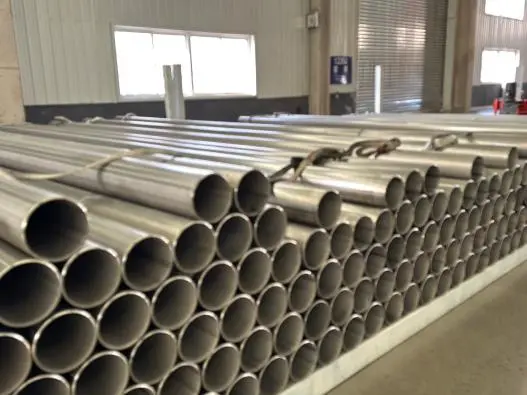
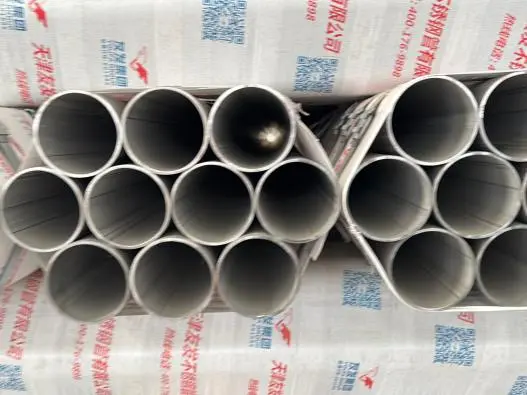
Selecting ASTM A358 Grade TP 304 CL2 Stainless Steel Pipe for industrial piping offers a reliable combination of corrosion resistance, structural integrity, and cost-effectiveness that meets demanding operational requirements across multiple industries. Class 2 pipes feature double-welded construction without mandatory radiographic inspection, making them suitable for moderate-pressure applications where both quality and budget efficiency matter. TP304's austenitic chromium-nickel composition delivers excellent resistance to oxidation and chemical attack, ensuring extended service life in environments ranging from chemical processing plants to power generation facilities. This grade maintains mechanical strength and dimensional stability under thermal cycling, making it a practical choice when balancing performance requirements with procurement constraints.
|
|
|
Understanding ASTM A358 TP304 CL2 Stainless Steel Pipe Specifications
Buyers in the industrial sector need to know exactly what makes these pipes technically sound and reliable in their use. The ASTM A358 standard controls electric fusion welding of stainless steel pipes made from plates. This type of welding can make sizes that are too big for cheaper seamless options. ASTM A358 Grade TP 304 CL2 Stainless Steel Pipes have certain features that make them useful in real-life plumbing problems.
Chemical Composition and Material Balance
About 18–20% of TP304 stainless steel is chromium and 8–10.5% is nickel. These metals combine to form a passive oxide layer that protects against corrosion in a wide range of conditions. The makeup of this alloy stays the same even when the temperature changes, which is typical in industrial settings. The carbon content stays below 0.08%, which keeps carbide from forming during welding and makes the metal less likely to rust between the grains. Manufacturers must use mill test certificates to confirm chemical analyses. These certificates provide the tracking that purchasing teams need to make sure of the quality of the products. As part of our production process, we check that the steel we use comes from reputable sources. This makes sure that the quality meets or exceeds ASTM standards.
Mechanical Properties and Performance Metrics
ASTM A358 Grade TP 304 CL2 Stainless Steel Pipes have a minimum tensile strength of 515 MPa and a minimum yield strength of 205 MPa, which means they are strong enough for use in pressure service applications. These numbers show how well the pipe can handle pressure inside and loads from the outside without breaking or deforming. Class 2 pipes are double-welded, and while they don't have to go through full radiographic testing like Class 1 pipes do, they still have to go through strict production controls. Before shipping, hydrostatic testing makes sure that the product can hold pressure. Our quality management system uses mechanical testing protocols to make sure that every batch of products meets the requirements. This protects your investment in the infrastructure for pipes.
Dimensional Standards and Tolerances
ASTM A358 sets exact limits for outside width, wall thickness, and straightness to make sure that everything fits together correctly during installation. Pipes with outside diameters ranging from 114.3 mm to 2500 mm can be used in a wide range of system designs, from small process units to large industrial plants. Engineering teams can use pressure ratings and safety factors to figure out the right plans based on wall thickness standards. You can choose between random or set cuts at different lengths, which supports a range of manufacturing and installation methods. Accurate measurements cut down on the cost and time of making changes in the field, which improves the general efficiency of a project.
Heat Treatment and Surface Finishing
Solution annealing, which is done after welding, breaks down chromium carbides and evens out the microstructure to restore corrosion resistance. For this heat treatment method, the pipe is heated to about 1040–1120°C and then quickly cooled, which makes sure that the material has the best qualities. Finishes on the surface, such as pickled and annealed or solution-annealed choices, give clean, oxide-free surfaces that make it easier to process or place directly. These last steps keep the system clean and protect it from contamination that could weaken its resistance to corrosion. The controlled heat treatment equipment on our production lines keeps the temperature profiles constant, so we can be sure that the materials will work as expected.
Core Advantages of ASTM A358 TP304 CL2 for Industrial Piping
It's important to understand technical specifications, but it's also helpful to know how these translate into operational benefits. ASTM A358 Grade TP 304 CL2 Stainless Steel Pipes have a lot of benefits that make them useful in industrial pipe applications.
Superior Corrosion Resistance Across Industries
Austenitic stainless steel is very resistant to corrosion from air, many organic and inorganic chemicals, and oxidizing acids. Chemical processing plants benefit from TP304's ability to handle fluids that are fairly acidic without breaking down. Facilities that serve food and drinks depend on this grade's ability to stay clean and resist cleaning agents. TP304 is used in power generation for condensate systems where controlling the chemistry of the water stops aggressive corrosion. When the material is exposed to oxygen, its protective oxide layer stays in place on its own, so it doesn't need any outside coating systems. This natural resistance to corrosion lowers lifetime costs compared to carbon steel options that need to be painted or replaced more often.
Manufacturing Quality and Production Standards
With the right choice of filler metal and electric fusion welding, bond joints can match or even beat the qualities of the base metal. Our way of making things includes written welding processes and trained welders who always follow ASTM rules. Each weld is looked at visually, and for certain classes, ultrasonic or radiographic testing is used to make sure the inside is sound. There are material test reports that meet EN 10204 3.1 or 3.2 standards, welding procedure specs, procedure qualification records, and non-destructive testing reports in the production documents. This complete quality trail gives engineering teams the proof data they need to follow the rules and keep track of the project. Since 2017, we've been making stainless steel pipes. We have 15 production lines that make up our 50,000-ton-a-year output, and we keep the quality high by using process control and ongoing improvement.
Long-Term Cost Effectiveness
The initial cost of materials is only one part of the total cost of ownership. TP304 Class 2 pipes don't need as much maintenance as carbon steel systems, which need to be inspected regularly, have their coatings maintained, and eventually be replaced because they rust. The longer service life, which can be more than 30 years in the right conditions, spreads the cost of the initial investment over many years of steady use. Higher operating readiness means less downtime for fixing leaks or replacing parts in an emergency. Because smooth surfaces made of stainless steel don't get the internal scale and roughness that surfaces made of carbon steel do, energy efficiency stays the same. These things work together to make the lifecycle economics good enough to support the bigger investment up front, especially when you think about the long-term planning that industrial buildings need.
Comparing ASTM A358 TP304 CL2 with Other Stainless Steel Grades
To choose the right material, you need to know what the pros and cons of each type of stainless steel and pipe class are. By comparing things with knowledge, you can avoid costly mistakes where the material's abilities don't match the needs of the application. ASTM A358 Grade TP 304 CL2 Stainless Steel Pipe is a versatile solution for general industrial needs.
TP304 versus TP304L and TP304H Variants
Standard TP304 strikes a good balance between resistance to corrosion and mechanical strength for a wide range of uses. TP304L lowers the carbon content to below 0.035%, which stops carbide from forming in heat-affected areas during welding. This makes it better when it's not possible to heat treat the material after the welding process. TP304H raises the carbon level to between 0.04% and 0.10 %, which improves the high-temperature strength for uses above 500°C where creep resistance is very important. The Class 2 name applies to all of these variations, and it changes the standards for weld inspection rather than the chemistry of the base material. Knowing these differences helps match the properties of a material to its working conditions. If you don't need to worry about extreme sensitization and the temperature is below 425°C, standard ASTM A358 Grade TP 304 CL2 Stainless Steel Pipe is the most cost-effective option without sacrificing performance.
Comparison with Higher Alloy Grades
TP316 and TP316L both have 2 to 3 percent molybdenum in them, which makes them much more resistant to chloride pitting and crevice corrosion. This makes them necessary for marine settings or process lines that contain chloride. The price is about 15–25% higher than TP304, though, because it is more resistant to rust. For even tougher chemical service, TP317 grades add even more molybdenum. TP304 is a cheaper option for rust protection in situations where it won't be exposed to chloride or ocean air. Instead of automatically assigning higher grades, engineering teams should look at the actual exposure conditions. ASTM A358 Grade TP 304 CL2 Stainless Steel Pipe has been used successfully for decades in a wide range of industrial settings, such as most atmospheric exposure, fresh water systems, and many chemical processes. When you choose the right materials based on real damaging factors, you get the best performance and the best use of your cash.
Class 2 versus Other ASTM A358 Classes
ASTM A358 divides materials into five groups based on how they are welded and the requirements for inspection. Class 1 pipes are checked using X-rays for the whole thing, which gives the highest level of quality assurance and a joint efficiency factor of 1.00 for pressure calculations. Class 2 uses double-welded construction but doesn't require radiography. This means that testing costs are lower while the structure stays strong enough for many uses. For Classes 3, 4, and 5, there are single-welded or other versions that are made for certain uses. Class 2 is a good compromise because it allows for double welding for extra safety and strength without having to pay for X-rays when the application codes allow it. Because of this balance, Class 2 is a good choice for systems that work within the right ranges of pressure and temperature and don't need a full X-ray examination because of code requirements.
Procurement Considerations for ASTM A358 TP304 CL2 Pipes
Picking the right standard is not enough to make a purchase successful. Project schedules and budgets are kept safe by finding reliable suppliers, managing logistics, and making sure quality checks are done for ASTM A358 Grade TP 304 CL2 Stainless Steel Pipes.
Identifying Qualified Manufacturers
Certified producers with ISO 9001 quality systems, pressure equipment directive compliance, and approved testing labs show that they have the organizational skills to regularly make goods that meet specifications. Checking for ASTM authorization and the right certifications shows that the manufacturer knows what the standards require. Our business has been certified by ISO 9001, PED, ISO 17025 laboratories, and TÜV. This means that we can provide the high-quality infrastructure that tough projects need. When buying things for important uses, site visits or audits by a third party can give you extra peace of mind. When choosing materials and solving problems, having a manufacturer with knowledge in your business is very helpful.
Minimum Orders and Lead Time Planning
Knowing the basic requirements for suppliers helps with making purchases. With a minimum order quantity of just one pipe, we can be flexible to meet the needs of prototypes, small projects, or emergency replacements without having to keep too much inventory on hand. Standard lead times depend on size, quantity, and specifics, but for stock sizes, our fastest delivery gets to Tianjin Port in seven days. Custom specs that need specific measurements or tests may cause plans to be pushed back. Accurate delivery tracking is possible when suppliers are involved early on in the planning stages of a project. Keeping in touch with capable manufacturers ensures the reliability of the supply chain, which stops project delays.
Documentation and Quality Verification
Full documentation proves that the goods provided meet the requirements. Material test certificates that list the chemical make-up and mechanical properties of a product link it to a certain grade of steel and a mill number that can be tracked. Inspection records from third parties, or independent bodies, are a fair way to check. Specifications for welding procedures and records of procedure qualification show that fabrication methods meet code requirements. Reports from non-destructive tests show the soundness of the weld. We offer full paperwork packages that include MTC/MTR reports that meet EN 10204 3.1 or 3.2 standards, reports from third parties inspecting the work, welding instructions, factory instructions, and reports from ultrasound or x-ray tests. This documentation meets the needs of the engineering review and helps with regulatory compliance during the operational and project execution phases.
Ensuring Optimal Selection: Practical Tips and Recommendations
To go from specifications to successful implementation, you need realistic advice that keeps you from making common mistakes and guarantees your long-term happiness. Selecting the correct ASTM A358 Grade TP 304 CL2 Stainless Steel Pipe is essential for project longevity.
Matching Material to Environmental Conditions
The right material is chosen by accurately estimating temperature ranges, pressure needs, and chemical exposure. In normal air, many water solutions, and organic chemicals, TP304 works well. But in chloride-rich environments, you might need to use a different alloy. Before looking at high-carbon versions, temperature limits around 425°C are the highest that TP304 can be used in real life. Over-specification wastes money, so it's better to know about real working conditions than worst-case scenarios. Talking to experienced sellers who understand the challenges of your application can help you make a choice.
Avoiding Common Selection Errors
Choosing Class 1 when Class 2 meets the code requirements increases the cost of inspections for no reason. Picking TP316 for places without chlorine wastes alloy premium. If you don't follow the heat treatment standards, the corrosion protection might not be good enough. Field welding is harder when the end preparation isn't done well enough. We work with customers to look over the specifics of an application and suggest specs that meet performance needs while also being cost-effective. Technical help when choosing materials keeps you from making mistakes that cost a lot of money and are only discovered after the job is done.
Quality Verification Best Practices
Specification compliance is confirmed by asking for material test certificates and looking over chemical and mechanical test results. For important applications, third-party inspection adds an extra layer of independent verification. When you receive something, you should check the dimensions to make sure there is no damage from shipping or manufacturing errors before you start installing it. Keeping track of paperwork for traceability helps with future maintenance and legal audits. Our quality assurance processes include thorough testing and paperwork, but buyers should set up receiving review methods that are right for the level of importance of their project.
Conclusion
In conclusion, when it comes to industrial pipe systems that need to be resistant to rust, maintain their structural integrity, and be cost-effective, ASTM A358 Grade TP 304 CL2 Stainless Steel Pipe is the best choice. The material's proven performance in chemical processing, power generation, and different manufacturing applications shows that it is flexible enough to meet a wide range of operational needs. Successful material selection depends on knowing the requirements, recognizing the main benefits, comparing different grades with knowledge, and following good buying habits. Working with reputable makers who offer full paperwork and expert support lowers the risks of a project and ensures long-term operating reliability.
FAQ
What distinguishes Class 2 from Class 1 pipes?
Class 1 pipes are x-rayed all the way through and have a joint efficiency of 1.00. ASTM A358 Grade TP 304 CL2 Stainless Steel Pipes are double-welded and don't have to be X-rayed. Both provide solid service, but Class 1 is better for uses that need the highest level of quality guarantee and higher pressure ratings. When code rules allow it, Class 2 can save you money.
Can TP304 handle high-temperature applications?
Most applications can handle temperatures up to about 425°C with TP304. When the temperature goes above this point, TP304H with more carbon gives better creep strength. Temperature limits rely on the amount of stress, pressure, and time of contact. To make the right choice, look at the ASME rules to see the maximum stress levels that are allowed at working temperatures.
How does electric fusion welding compare to seamless pipe?
Electric fusion welding makes it possible to make parts with big diameters and thick walls that can't be made economically with other methods. When you use filler metal and heat treatment correctly during welding, you can make join zones that match the features of the base metal. When it comes to sizes bigger than 8 inches, EFW is often easier to find and cheaper than seamless options.
Partner with YOUFA for Reliable Stainless Steel Piping Solutions
YOUFASS Stainless Steel Pipe Co., Ltd. has been making specialized products for more than six years and has 15 production lines that make 50,000 tons of products every year for customers who want quality and dependability. Our wide range of certifications, such as ISO 9001, PED, ISO 17025, and TÜV, show that we follow international rules. We are a reliable ASTM A358 Grade TP 304 CL2 Stainless Steel Pipe provider. We offer full paperwork packages, flexible minimum orders starting at just one pipe, and seven-day delivery to Tianjin Port. During the stages of choosing materials, buying them, and completing the job, our team provides technical help. Email us at info@youfass.com to talk about your specific needs and find out how our all-in-one stainless steel piping solutions can help you with your next project in a way that you can trust.
Online Message