
Aug 17, 2026
Why Choose ASTM A358 347H Class 1 Pipes for High Temperature Service?
Selecting the right piping material for high-temperature industrial environments can mean the difference between operational success and costly downtime. ASTM A358 Grade 347 347H Class 1 Steel Pipes deliver exceptional performance in extreme thermal conditions, combining columbium stabilization with superior creep strength. These electric fusion welded pipes, backed by 100% radiographic inspection, offer engineers and procurement professionals a reliable solution for applications exceeding 800°F, where material integrity and long-term durability are non-negotiable.
|
|
|
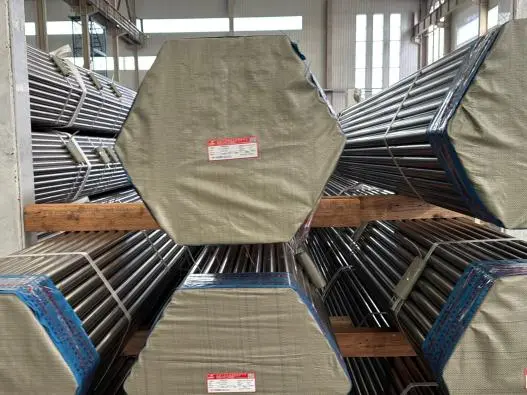
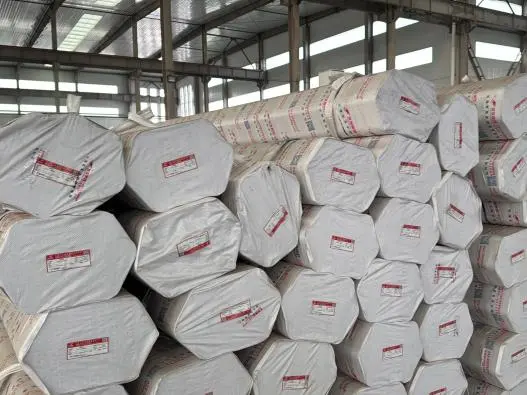
Understanding ASTM A358 Grade 347H Class 1 Steel Pipes
It's easy to see why these special pipes have become the standard for high-temperature service when we look at how they work technically. The main idea behind Grade 347H's design is to keep materials from breaking down when they are exposed to long-term temperature stress.
Chemical Stabilization Through Columbium Addition
ASTM A358 Grade 347 347H Class 1 Steel Pipes are identified by the high amount of columbium (niobium) that is kept at ten times the carbon level. This selective alloying stops chromium carbide from precipitating during welding, which stops the sensitization that happens with regular austenitic stainless steels. The 347H version keeps the carbon content between 0.04-0.10%, which is a band designed to give the best creep break strength at high temperatures. This controlled composition makes sure that welded joints keep their corrosion resistance without having to be heated again after the welding process. This saves time and money on the project.
Mechanical Properties and Inspection Standards
The class 1 designation means that these pipes were welded using an electric fusion process with a double-pass process that uses filler metal. The importance goes beyond the welding method; a 100% X-ray check gives a joint efficiency factor of 1.0, which lets engineers use the full design stress when figuring out the pressure. Tensile strength must be at least 515 MPa (75 ksi), and yield strength must be at least 205 MPa (30 ksi). These mechanical properties stay the same at temperatures up to 815°C (1500°F), which means they can be used in the most demanding thermal cycling processes in power generation and petrochemical processing.
High-Temperature Performance Characteristics
These pipes are different because they don't crack easily when exposed to polythionic acid stress corrosion, which happens to a lot of stainless steels in sulfur-containing settings when they are turned off and on again. The columbium stability keeps the chromium in the matrix, so the protective oxide layer stays in place even when the temperature changes. We've seen that this metallurgical stability directly leads to longer service life in systems where temperature changes often, like hydrocrackers and fluid catalytic cracking units.
Comparing ASTM A358 Grade 347H with Other Stainless Steel Pipes
Knowing how ASTM A358 Grade 347 347H Class 1 Steel Pipes compare to other materials helps buying teams make decisions based on facts instead of going with what they're used to, which might not be the best choice.
Grade 347H versus Standard Grade 347
The main difference between these two types is how well the carbon content is optimized. Standard Grade 347 works well for most corrosion problems, but 347H has a higher carbon range (0.04-0.10% vs. 0.04-0.8%), which makes it stronger above 1000°F. When making systems that will run continuously at high temperatures, the better creep rupture qualities of 347H make long-term deformation less likely. This means that inspections can be done more often and there are fewer unexpected shutdowns.
Comparison with Grades 316, 304, and 321
Grade 316 provides general corrosion resistance, particularly in chloride environments, but does not maintain strength at elevated temperatures as ASTM A358 Grade 347 347H class 1 Steel Pipes do. Grade 304 performs adequately at moderate temperatures but can sensitize in the 800–1500°F range, creating failure points in heat-affected zones. Grade 321 offers titanium stabilization as an alternative to columbium, yet 347H exhibits superior resistance to highly oxidizing media and high-temperature aqueous conditions. Columbium stabilization proves more effective than titanium at preventing carbide precipitation across a broader range of industrial service conditions.
Price-Performance Balance Considerations
Even tho 347H pipes cost more than common grades like 304, the total cost of ownership figure usually favors the stable grade in the right situations. In the first operating cycle, the higher original material cost is usually covered by fewer field weld failures, no need for post-weld heat treatment, and longer service intervals between inspections. When purchasing, procurement managers who look at life-cycle costs instead of purchase price find that 347H pipes deliver measurable value in systems with a lot of stakes.
Benefits of Choosing ASTM A358 347H Class 1 Pipes for High Temperature Service
These special ASTM A358 Grade 347 347H Class 1 Steel Pipes have benefits that go beyond their basic functions, which can be seen in real operational improvements across many industries.
Superior Thermal Stability and Structural Integrity
Even at temperatures where most stainless steels start to lose their strength, 347H keeps its shape. The high-temperature tensile qualities don't change when the temperature changes. This stops the slow deformation that throws off the orientation of the system and makes stress concentration points. This stability is especially useful in ultra-critical boilers' superheater and reheater tubes, where even small changes in size can make heat transfer less efficient and raise the risk of tube-to-tube contact.
Enhanced Corrosion Resistance
Getting rid of chromium carbide precipitation at grain boundaries keeps the steel's ability to fight rust in the area that has been heated. This property keeps intergranular attack from happening in places with reactive acids, hot water, and burning products. This resistance to localized rust means that the material will last longer and be less likely to break in chemical processing tasks that use hot nitric acid or organic synthesis at high temperatures.
Long-Term Durability and Maintenance Reduction
Systems that are made with the right 347H pipes have fewer breakdowns that happen out of the blue, which means fewer emergency repair calls and unplanned production stops. The material is stable in high-pressure steam applications and doesn't react badly to hydrogen attack in hydrocracker service. This means that inspection results usually show slow, predictable degradation rather than sudden failure modes. Because of this, maintenance teams can plan replacements and turnarounds more efficiently, which raises the overall availability of the plant.
Procurement Considerations for ASTM A358 Grade 347H Class 1 Pipes
For buying ASTM A358 Grade 347 347H Class 1 Steel Pipes to go well, you need to pay attention to what the buyer can do, what paperwork is needed, and what customizations are needed for the project.
Supplier Qualification and Certification
Working with makers who have strong quality systems in place makes sure that materials can be tracked and that performance stays the same. When pressure equipment codes apply, look for suppliers that are ISO 9001 certified and ASME authorized. Material test records (MTRs) should have chemical analyzes that are specific to heat, mechanical test results, and proof that an x-ray was used to look at each pipe length. Suppliers with a good reputation provide full traceability, from certifications from the steel mill to records of the final inspection.
Understanding Pricing Variables and Lead Times
Pricing for ASTM A358 Grade 347 347H class 1 Steel Pipes is influenced by factors beyond raw material costs. Pipe diameter, wall thickness, and length specifications affect manufacturing complexity and production yield. Order quantity impacts per-unit pricing, with larger volumes typically amortizing setup costs for dedicated production runs. Procurement teams should monitor current price fluctuations in nickel, chromium, and other alloying elements. Lead times range from six to sixteen weeks depending on specification complexity and manufacturer capacity, making early supplier engagement essential for project schedule compliance.
Customization Options and Technical Support
For many uses, the dimensions needed go beyond what is available in catalogs. Manufacturers who have their own engineering departments can help you choose the best wall thickness for a given set of pressure and temperature. Some providers give extra services that add value, such as beveling, hydrostatic testing, and applying a protection coating. By having access to metallurgical experts during the specification phase, you can avoid over-engineering (which adds cost) or under-specification (which lowers performance risk). After-sales support, such as help with field inspections and the ability to analyze failures, sets transactional sellers apart from those who want to build long-term relationships with their customers.
Applications and Case Studies of ASTM A358 Grade 347H Class 1 Pipes
The engineering benefits of ASTM A358 Grade 347 347H Class 1 Steel Pipes are proven by how well they work in harsh industrial settings.
Power Generation Systems
Ultra-critical and supercritical boilers use steam that is hotter than 1000°F and pressurized higher than 3500 psi. When this happens, the superheater and reheater tubes are under a lot of temperature and mechanical stress. In these conditions, Grade 347H pipes keep their creep strength, and in well-kept systems, they have been shown to last more than twenty years. In a recent retrofit job at a coal-fired power plant, old carbon steel headers were replaced with 347H pipe. This led to a 40% drop in tube failures over the next five years of operation.
Petrochemical Refining Operations
Heavy crude fractions are processed by hydrocrackers, which work at temperatures between 650°F and 800°F and under hydrogen partial pressures that make many steels rust. This way of breaking down 347H doesn't work because its structure is stable. One plant on the Gulf Coast saw an increase in the average time between failures from 4.2 years with 321 stainless to 8.7 years after moving to 347H in their reactor effluent pipes. The longer repair period cut down on unplanned shutdowns and raised the general availability of the unit from 91% to 96%.
Chemical Processing Industries
High-temperature ammonia synthesis and nitric acid concentration are used to make fertilizer. The acidic nature of these chemicals and the high temperatures (around 900°F) make the surroundings difficult. A chemical plant in Europe that used 347H pipes in their nitric acid concentrator had no intergranular corrosion failures in twelve years of use. This was in contrast to problems with unstable grades that needed to be replaced every three to four years.
Conclusion
When you choose ASTM A358 Grade 347 347H Class 1 Steel Pipes for high-temperature service, you get measured benefits in terms of system stability, lower maintenance costs, and more predictable operations. The Class 1 construction makes sure the weld is strong, the columbium stability stops sensitization, and the 347H carbon range improves creep strength. Because of these technical features, the equipment will last longer in applications like power generation, petrochemical processing, and chemical processing. When buying things, people should think about the total cost of ownership instead of the original purchase price. 347H pipes always show that they are a better value in harsh thermal conditions where material failure has big effects.
FAQ
What distinguishes Class 1 from other ASTM A358 classifications?
Class 1 pipes are double-welded with filler metal added and go thru a full x-ray inspection, which gives the weld joint an efficiency factor of 1. In contrast to lower classes with lower joint efficiency factors, this lets engineers use the full allowable stress values in their design calculations.
Does Grade 347H require post-weld heat treatment?
Not often, no. The columbium stabilizer stops the formation of chromium carbide, so these pipes can be used as-welded without worrying about intergranular rust. Getting rid of a step that takes a lot of time cuts down on the overall cost of the project.
How does 347H perform compared to Grade 321 in high-temperature service?
Both types are stable against sensitization, but 321 is stabilized with titanium and 347H is stabilized with columbium. Columbium stabilization works better in high-temperature water environments and strongly oxidizing media, which is why 347H is the best choice for chemical processing and refinery uses.
What temperature range is considered optimal for 347H applications?
When used continuously from 800°F to 1500°F, Grade 347H does a great job. Steels that are austenitic, like Grade 347 or others, may be cheaper below 800°F. Specialized high-temperature metals should be thought about for temperatures above 1500°F.
Partner with YOUFA for Reliable High-Temperature Piping Solutions
YOUFASS Stainless Steel Pipe Co., Ltd. brings specialized expertise in manufacturing welded stainless steel pipes that meet the rigorous demands of high-temperature industrial applications. Our production facility operates fifteen dedicated lines with an annual capacity of 50,000 tons, ensuring consistent availability for both project-specific requirements and ongoing supply agreements. As an experienced supplier of ASTM A358 Grade 347 347H Class 1 Steel Pipes, we maintain strict quality control from raw material sourcing through final radiographic inspection, providing full traceability documentation with every shipment. Our technical team offers application engineering support to help you specify the optimal dimensions, wall thickness, and inspection requirements for your specific operating conditions. Contact us at info@youfass.com or visit youfass.com to discuss your high-temperature piping needs and receive a detailed technical proposal tailored to your project parameters.
Online Message