
Aug 7, 2026
Why Choose ASTM A358 316L CL1 Welded Steel Pipes for Corrosive Applications?
When your operations depend on transporting aggressive chemicals, handling high-pressure steam, or managing seawater in desalination plants, material failure isn't just costly—it's dangerous. ASTM A358 GR 316 316L CL1 WLD Steel Pipes deliver the corrosion resistance and structural integrity required in these harsh environments. The 316L grade features reduced carbon content that prevents sensitization during welding, while Class 1 designation guarantees double-welded longitudinal joints with 100% radiographic testing, offering reliability equivalent to seamless pipe at a fraction of the cost for large-diameter applications.
|
|
|
Understanding ASTM A358 316L CL1 Welded Steel Pipes
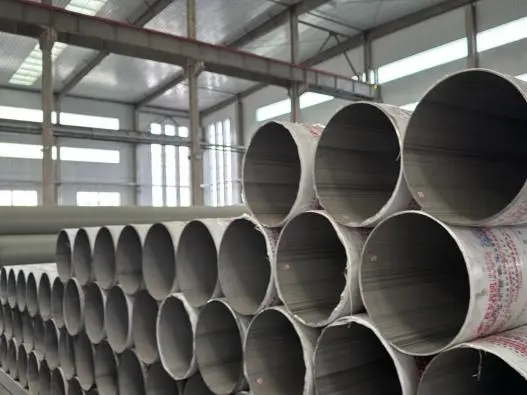
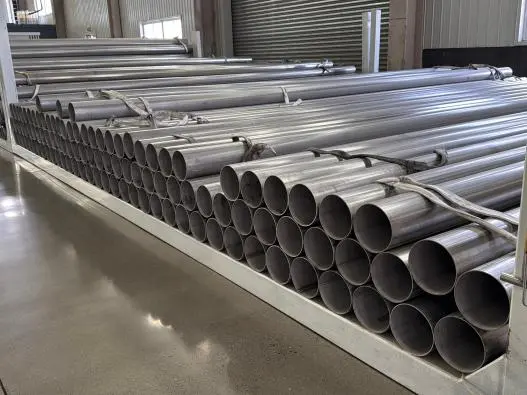
ASTM A358 is the standard for austenitic stainless steel pipes that are electric-fusion-welded (EFW) and are used in places with high temperatures and acidic conditions. This standard fills in a very important gap where seamless pipes are either too expensive or not possible to make, especially in sizes between 114.3 mm and 2500 mm.
What Makes 316L Grade Stand Out
The number 316L means that the steel is an austenitic chromium-nickel alloy that has 2 to 3 percent molybdenum added to it. Adding molybdenum makes the material much more resistant to pitting and crevice corrosion caused by chloride, which are common failure modes in marine, pharmaceutical, and chemical processing environments. The suffix "L" means that the steel has a low carbon content (up to 0.03%), compared to standard 316 grade (up to 0.08%). This reduction is important for fabrication because high temperatures can move carbon into the grain boundaries of stainless steel during welding, where it can combine with chromium to form chromium carbides. This process, known as sensitisation, makes areas low in chromium more likely to experience intergranular corrosion. By keeping carbon levels low, 316L keeps its rust protection even in weld zones that have been damaged by heat.
Understanding Class 1 Construction
Class 1 pipes according to ASTM A358 have lengthwise gaps that are double-welded with filler metal and then go through a full x-ray examination. This measuring method makes sure that the weld is flawless, reaching a weld joint efficiency factor of 1.0, which means that the weld is as strong as the base material. After welding, our manufacturing process includes solution annealing, which evens out the microstructure and removes any residual stresses that could otherwise cause stress corrosion cracks to form.
Dimensional Range and Specifications
Outside dimensions of ASTM A358 GR 316 316L CL1 WLD Steel Pipes range from 114.3 mm to 2500 mm, with wall thickness options from 3 mm to 50 mm to meet different industrial requirements. Each ASTM A358 GR 316 316L CL1 WLD Steel Pipes product undergoes hydrostatic testing at calculated pressures to verify leak resistance, typically reaching levels up to 90% of the material’s yield strength. Surface treatment options for ASTM A358 GR 316 316L CL1 WLD Steel Pipes include pickling and annealing or solution annealing to improve corrosion resistance and maintain material performance. Pipe ends can be supplied with plain or bevelled finishes according to specific field installation requirements. Complete documentation for ASTM A358 GR 316 316L CL1 WLD Steel Pipes includes Material Test Certificates (MTC) compliant with EN 10204 Type 3.1 or 3.2, third-party inspection (TPI) reports, Welding Procedure Specifications (WPS), Procedure Qualification Records (PQR), and comprehensive ultrasonic and radiographic testing reports. These quality documents ensure that ASTM A358 GR 316 316L CL1 WLD Steel Pipes provide reliable traceability, consistent weld quality, and dependable performance for critical industrial applications.
Corrosion Resistance and Performance Benefits
It's too late to hear about corrosion by then. A tiny hole leak in a chemical transfer line can stop work for days and put people in danger. This is where 316L CL1 pipes show clear advantages over pipes made of other materials.
Superior Resistance Across Multiple Corrosion Mechanisms
At room temperature, 316L stainless steel doesn't rust when exposed to salt amounts up to 1000 parts per million. The molybdenum makes the passive oxide layer more stable. If it gets damaged, it can fix itself, which stops a localised attack. When there is crevice rust, like under seals or at threaded joints, 316L keeps the protective film stable while 304 grade would fail. Stress corrosion cracking (SCC), which is caused by tensile stress and a corrosive environment, is very low in 316L, even when magnesium chloride solutions that are boiling are used in accelerated testing according to ASTM G36.
Real-World Performance Data
In industrial settings, 316L pipes are used for sour gas service that contains hydrogen sulphide, while carbon steel pipes would quickly crack from the sulphide stress. 316L is used in reactor cooling systems at nuclear power plants. The material can handle temperatures above 300°C and still have a yield strength of more than 170 MPa. Desalination plants that use hot saltwater benefit from 316L's resistance to chloride stress corrosion cracking. It has been shown to last more than 25 years in situations where it is constantly wet. A pharmaceutical company we work with said that their clean-in-place (CIP) systems that used alternating acidic and caustic cleaning solutions had no unexpected shutdowns in eight years of use. This shows how chemically flexible the material is.
Weldability Advantage
Due to its lower carbon content compared to standard 316 grade, 316L often doesn't need to be heated after it has been welded. This cuts down on the time it takes to make complex pipe systems and keeps them from warping when heated. When our Class 1 pipes arrive, they are ready to be welded in the field, so contractors can finish installations faster without having to worry about sensitisation.
ASTM A358 316L CL1 vs Alternative Pipe Grades: Making the Right Choice
Choice of material affects both initial input and prices over the product's lifetime. When you know the pros and cons of each specification, you can better balance your technical needs with your budget.
Comparison with ASTM A312 Seamless Pipes
ASTM A312 covers both seamless and welded stainless steel pipe and is commonly used for applications where corrosion resistance is required. Engineers who prioritise weld reliability may prefer seamless pipe because it eliminates weld seams and potential weld-related defects. However, because piercing and extrusion processes become more limited for diameters above 16 inches, seamless manufacturing can become significantly more expensive. ASTM A358 GR 316 316L CL1 WLD Steel Pipes provide comparable performance to A312 pipe while offering enhanced weld quality assurance through 100% radiographic examination rather than the limited inspection often applied to A312 welded pipes. For large-diameter applications, ASTM A358 GR 316 316L CL1 WLD Steel Pipes can provide a more cost-effective solution without compromising safety or reliability. In a recent oil refinery expansion project involving 24-inch diameter transfer lines, replacing A312 seamless pipe with ASTM A358 GR 316 316L CL1 WLD Steel Pipes reduced costs by 32% while maintaining required safety standards. With strict welding controls, complete inspection procedures, and reliable corrosion resistance, ASTM A358 GR 316 316L CL1 WLD Steel Pipes are an effective choice for demanding industrial piping systems.
304 vs 316L: When to Choose Which
Because it doesn't have molybdenum, Type 304 stainless steel costs about 20% less than 316L. When used in slightly corrosive settings, like food preparation or architecture, it works fine. But 304 pits more quickly in places with more than 50 parts per million of salt or temperatures above 60°C. When compared to early loss, the difference in price doesn't matter. Manufacturers of automotive batteries that use sulphuric acid electrolytes always choose 316L to avoid huge leaks that could contaminate production lines.
316H: High-Temperature Alternative
The 316H type has a higher carbon content (0.04-0.10%) to make it more resistant to creep at temperatures above 540°C. According to the ASME Boiler and Pressure Vessel Code, power plants that use superheated steam systems may need 316H. In heat-affected zones, however, 316H gives up its ability to be welded and its ability to fight rust. For most industrial uses that don't go above 450°C, 316L is the best balance. Our expert team can look at your working conditions and tell you if the high-temperature strength of 316H is worth the extra work that it adds to welding.
Welded vs Seamless: Cost-Performance Analysis
There is an extra cost for seamless pipes that only makes sense when weld seams pose too much of a risk, like in aircraft hydraulic lines that are exposed to fatigue loading. When it comes to stationary industrial plumbing, welds that are properly done and checked work the same as seamless construction. Ultrasonic testing (UT) according to ASTM E213 and radiographic testing (RT) according to ASTM E1742 are both done on our Class 1 pipes. These tests can find flaws as small as 0.8 mm. This quality control plan, along with solution annealing, which gets rid of stresses caused by the weld, gives seamless-equivalent performance at 30–40% less cost for large-bore uses.
Procurement Considerations for ASTM A358 316L CL1 Pipes
Smart buying is more than just comparing prices. Your project's ability to stay on schedule or face expensive delays depends on the skills, quality processes, and dependability of the suppliers you work with.
Evaluating Supplier Credentials
We are certified by ISO 9001 for quality management, follow the Pressure Equipment Directive (PED) for European markets, and have a testing center that is ISO 17025 approved. Our production methods are checked by TÜV once a year to make sure they meet strict European standards. When reviewing suppliers, ask to see copies of these licenses and check with the groups that issued them to make sure they are real. Some suppliers don't have the process controls needed to make sure that the quality of their products is always the same if they can't show proof from a third party.
Understanding Lead Times and MOQ Flexibility
Traditional pipe mills have minimum order quantities (MOQs) that are measured in tonnes. This makes it hard for smaller projects to keep track of their inventory. We can take orders for as little as one pipe because we can make 50,000 tonnes of steel every year on 15 dedicated production lines. Deliveries to Tianjin Port usually happen within 7 days for stock sizes. For custom sizes, it usually takes 3–4 weeks. This responsiveness keeps project managers from having to shorten the schedule or pay extra to get things done faster.
Documentation and Traceability
We can connect the heat-specific traceability of every ASTM A358 GR 316 316L CL1 WLD Steel Pipes product to the chemistry of raw materials, welding parameters, and inspection results. Material Test Reports (MTR) for ASTM A358 GR 316 316L CL1 WLD Steel Pipes provide detailed chemical composition data based on spectrographic analysis, along with mechanical properties verified through tensile and hardness testing. We also offer Manufacturer's Partial Data Reports (MPDR) and third-party witnessed testing for ASTM A358 GR 316 316L CL1 WLD Steel Pipes used in critical applications such as nuclear facilities and medical industries. This complete documentation system for ASTM A358 GR 316 316L CL1 WLD Steel Pipes supports regulatory compliance, improves quality transparency, and helps identify production variables when troubleshooting field issues. By maintaining full traceability throughout manufacturing, ASTM A358 GR 316 316L CL1 WLD Steel Pipes provide reliable quality control, consistent performance, and long-term confidence for demanding industrial applications.
Pricing Dynamics and Market Considerations
Nickel and molybdenum prices affect the cost of raw materials used to make stainless steel. Nickel prices changed by 40% a year on average in 2023, which had a direct effect on pipe costs. Setting up framework deals with price changes based on public indexes saves both sides from changes in the market. For customers who buy a lot, we review our prices every three months. This helps them plan their budgets and keeps the prices fair. Being one of China's Top 500 companies gives us financial stability and a steady supply of goods that smaller fabricators can't promise.
Installation and Maintenance Tips to Maximize Pipe Longevity
Even high-quality materials can fail if they are not put or kept properly. Following tried-and-true methods will protect your investment and give you years of reliable service.
Welding Best Practices
When welding 316L pipes in the field, low-heat methods are needed to keep grain growth to a minimum in the heat-affected zone. For root passes, we suggest TIG (GTAW) welding with ER316L filler wire and argon gas to keep the metal from oxidising. To keep from sensitising, interpass temperatures shouldn't go above 150°C. As per ASME B31.3, a visual inspection should be done after welding to make sure that the bead profiles are smooth and there are no undercuts or holes. Dye penetrant testing (PT) finds surface-breaking flaws in key joints that could spread when the joint is loaded and unloaded over and over again. Contractors can use our welding procedure specifications (WPS), which have been checked by procedure qualification records (PQR), to make sure that welds done in the field are the same high quality as those done in the factory.
Handling and Storage Precautions
The passive oxide layer in stainless steel protects it from corrosion. This layer can only form in places with lots of oxygen. If you store pipes next to carbon steel, keep them away from those areas because iron can cause rust to form, which makes the pipes less passive. To keep the surface from getting damaged, use non-metallic slings or soft pulling tools when moving it. To get rid of production oils, clean the pipes with alkaline cleaners before installing them. Then, rinse them with demineralised water. This preparation makes sure that the passive layer forms properly during the first service.
Inspection and Monitoring Protocols
Set up baseline checks to record the initial state of the pipes, including using ultrasonic gauges to measure the thickness of the walls. Visual checks should be done once a year, with a focus on weld areas, support brackets, and areas that are likely to vibrate. For machines that work above 100°C, use electrical resistance probes or corrosion coupons that give you data on the rate of corrosion to keep an eye on corrosion. When damage is found early, when the wall thickness is still above the minimum design standards, repair can be planned instead of having to be done quickly. We help hydrogen peroxide plants do ultrasonic grid scans of piping bends and tees every three months. The turbulence concentrates corrosive attack, which lets targeted replacement happen before through-wall defects happen.
Cleaning and Passivation
The protective oxide layer is put back on after production or long periods of shutdown. Follow the steps in ASTM A967 to immerse or circulate a 5–10% citric acid solution at 50–70°C for 30–60 minutes. Thoroughly rinse the passive film and let it dry in the air. Do not use chlorinated cleaners because they leave behind residues that cause pitting. Power plants that do regular maintenance on their turbines include piping passivation in their shutdown plans. This keeps the pipes from rusting while they're not being used and makes sure that they can start up at full capacity right away.
Conclusion
ASTM A358 GR 316 316L CL1 WLD Steel Pipes are designed answers for places where failure of a material would have terrible results. When you combine molybdenum-enhanced rust protection, low-carbon weldability, and Class 1 radiographic quality assurance, you get seamless pipe with the same performance at a much lower cost for large-diameter uses. These pipes are reliable and last a long time, which is important for industrial applications like electrolysers that make hydrogen in harsh environments and desalination plants that deal with salty brines. If you choose the right supplier, follow the right installation steps, and keep up with the maintenance schedule, this investment will pay off for decades with no problems.
FAQ
Which industries benefit most from ASTM A358 316L CL1 pipes?
Chemical processing plants that use harsh acids and solvents, pharmaceutical companies that need clean and chemically resistant systems, desalination and marine facilities that are exposed to salt water, oil and gas operations that move sour crude and refined products, and power plants that use high-temperature steam systems all depend on these pipes. Because they don't rust and are strong at high temperatures, they are perfect for uses where failure could lead to damage to the environment, work stops, or safety issues.
How do welded ASTM A358 pipes compare to seamless alternatives in corrosive service?
Class 1 soldered pipes are tested with x-rays to make sure that the quality of the weld is the same as the quality of the base material. After welding, solution annealing evens out the grain and gets rid of any remaining strains. In reality, welded pipes that are made correctly work the same in corrosive service as seamless pipes. This has been shown by decades of data collected in chemical and industrial sites. For diameters bigger than 16 inches, where seamless manufacturing isn't cost-effective, the welded construction saves 30 to 40 percent.
What certifications should I verify when sourcing these pipes?
Make sure the supplier has ISO 9001 quality management certification, PED compliance for pressure equipment if they sell to European markets, and ISO 17025 accreditation for their testing lab. Ask for Material Test Certificates (MTC) that are in line with EN 10204 3.1 or 3.2, full results on ultrasonic and radiographic tests, and qualifications for the welding process. Third-party inspections by well-known groups like TÜV add to the confidence. Documentation that connects each pipe to its own unique chemistry and mechanical properties at high temperatures makes it possible to follow regulations and check the quality of the product.
Partner with YOUFA for Certified ASTM A358 GR 316 316L CL1 WLD Steel Pipes
YOUFA can help you with your next project by giving you direct access to certified 316L CL1 welded stainless steel pipes that are made for harsh, corrosive environments. Our ISO 9001, PED, and TÜV-certified production methods and ISO 17025-accredited lab make sure that every pipe meets the highest standards set by governments around the world. We can handle projects of any size because we have 15 production lines that can produce 50,000 tonnes a year and a minimum order quantity of just one pipe. Whether you're a company that makes power batteries that need stable electrochemistry, a chemical processor that works with aggressive media, or a NEV provider that needs long-lasting parts, our expert team can help you choose the best materials for the job. Get in touch with us at info@youfass.com to talk about your needs with an experienced ASTM A358 316L CL1 pipe supplier who knows how important your operations are and can protect your investment.
Online Message