
Aug 3, 2026
Why Choose ASTM A358 304L Welded Steel Pipe for Industrial Piping Projects?
Choosing ASTM A358 304L Welded Steel Pipe for industrial piping projects delivers exceptional corrosion resistance, superior weldability, and proven long-term durability in demanding environments. The low carbon composition of this electric fusion welded stainless steel pipe prevents sensitization during fabrication, ensuring the weld zones maintain robust corrosion protection even in harsh chemical and high-temperature applications. Industries ranging from petrochemical plants to power generation facilities trust this specification because it balances cost efficiency with reliable performance, making it an optimal solution for critical infrastructure where safety, compliance, and operational continuity cannot be compromised.
Selecting appropriate pipe materials determines not just immediate installation success, but also decades of operational efficiency. At YOUFASS, we understand that procurement professionals face mounting pressure to reduce lifecycle costs while meeting stringent safety standards. This blog explores the technical specifics, performance characteristics, and practical advantages of 304L welded pipes manufactured to ASTM A358 standards. We will examine how composition impacts durability, compare alternative pipe options, and provide actionable procurement insights to help you make informed decisions that align with project requirements and budget priorities.
|
|
|
Understanding ASTM A358 304L Welded Steel Pipe Specifications
Chemical Composition and Low Carbon Advantages
The thing that makes ASTM A358 304L Welded Steel Pipe unique is that it has very little carbon in it—usually less than 0.03%. This carefully chosen recipe stops carbide from forming during the slow cooling processes that happen a lot when welding heavy-wall pipe. When carbon levels go above this level, chromium carbides form at the edges of grains, making areas that are open to intergranular rust. The low carbon requirement makes sure that there is enough chromium in the whole material to keep the passive oxide layer that protects against chemical attack. This mix has about 18–20% chromium and 8–12% nickel, which makes the austenitic microstructure that makes the metal easy to shape and resistant to corrosion.
Mechanical Properties and Performance Metrics
ASTM A358 304L Welded Steel Pipe has a tensile strength between 485 and 690 MPa, a yield strength of at least 170 MPa, and a stretch of more than 35%. These mechanical properties make sure that the product will work reliably under industrial stresses like changing pressures and temperature changes. The material stays flexible over a wide temperature range, from very cold temperatures to about 425°C in continuous use. When the right filler metals and heat treatment steps are used, the electric fusion welding process used in manufacturing can make joints that have mechanical properties that are the same as or better than the base material. Solution annealing is done on all of the pipes between 1010°C and 1120°C, and then they are cooled quickly to get rid of any carbides that might be there and recover the best rust resistance.
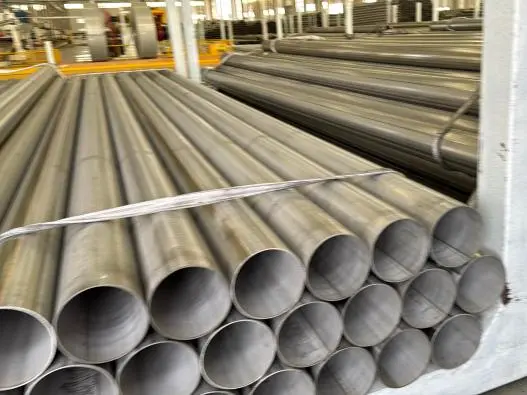
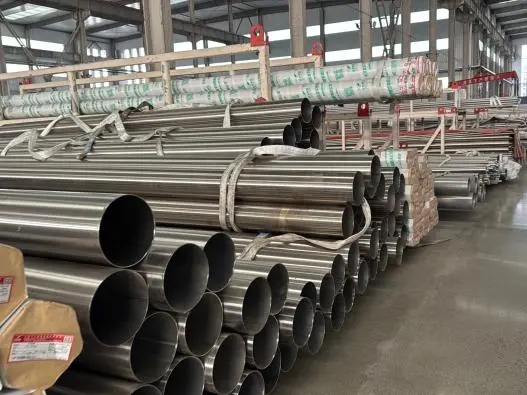
At YOUFASS, we have 15 dedicated production lines that can make pipes with outside diameters ranging from 114.3 mm to 2500 mm and wall thicknesses ranging from 3 mm to 50 mm. This range of sizes covers most industrial pipe needs, from systems with modest flow to large-diameter gearbox lines that handle large amounts of fluid under pressure. To make something with electric fusion welding (EFW), a steel plate is shaped into a cylinder and its lengthwise sides are joined using special welding techniques and controlled filler metal additions. This makes sure that the quality of the weld seam is the same all the way through.
Comparison with Standard 304 Grade
The amounts of chromium and nickel in 304 and ASTM A358 304L Welded Steel Pipe are about the same, but the different amounts of carbon make them suitable for different uses. Standard 304 grade allows carbon levels of up to 0.08%, which gives it a little more strength but makes it more likely that the metal will become sensitised when it is welded. For projects with a lot of field welding or thick walls, the ASTM A358 304L Welded Steel Pipe specification is very helpful because the lower carbon content often means that no heat treatment is needed after the welding is done. This benefit directly leads to lower installation costs and shorter project finishing times. This benefit is especially useful in retrofit situations where limited entry limits heat treatment choices.
Heat Treatment and Quality Assurance
The solution annealing method does more important things than just dissolve carbides. When the temperature of annealing is quickly lowered, the austenitic structure stays in place. This stops the formation of undesirable phases that could weaken the material's resistance to rust or its mechanical properties. According to ASME Section VIII standards, EVERY pipe at YOUFASS goes through 100% ultrasonic testing (UT) and radiography testing (RT) to make sure the weld is solid. When these non-destructive testing methods look inside something, they find any gaps, holes, or partial fusion that might make it harder to contain pressure or set off a failure. Hydrostatic testing makes sure that the pressure number is correct, and mechanical and chemical testing makes sure that the material's make-up and qualities match the requirements.
Comparing ASTM A358 304L Welded Steel Pipe with Other Pipes
Knowing how ASTM A358 304L Welded Steel Pipe stacks up against other options helps sourcing managers choose the best options for each job. This choice is based on a number of factors, such as the working conditions, the budget, the installation requirements, and the long-term upkeep needs.
ASTM A358 Versus ASTM A312 Specifications
ASTM A312 covers both seamless and welded stainless steel pipe. This type of pipe is usually made in smaller sizes using automatic welding methods without adding any filler metal. This standard is good for general-purpose uses where temperatures and pressures are modest. ASTM A358 304L Welded Steel Pipe talks about large-diameter electric fusion-welded pipe made from plate with filler metal added as required. This makes joints that are strong enough for high-temperature and high-pressure service. The plate-forming process makes it possible to combine wall thickness and width in ways that aren't possible with small-diameter welding or smooth manufacturing. For projects that need pipes with a diameter of more than 400 mm, A358 specifications are usually more cost-effective than A312 options. For big sizes with the same pressure ratings, delivered prices are often 15–25% lower.
Stainless Steel Versus Carbon Steel Options
ASTM A106 carbon steel pipes are cheaper to buy at first, but they need coatings or cathodic protection in places where they will be corroded. In chemical processing or marine settings, the cost of replacement and upkeep usually cancels out the initial savings within 5 to 8 years of operation. When carbon steel is exposed to acidic or chloride-containing fluids, it corrodes much more quickly. This can cause the walls to thin, leaks to form, and contamination issues. ASTM A358 304L Welded Steel Pipe is made of austenitic stainless steel, so it doesn't need coats that wear off over time to protect it from rust. This quality is especially useful in situations where product cleanliness is important, like when making pharmaceuticals, semiconductors, or food. This is because corroding pipes can contaminate the product with metal, which makes quality control harder.
304L Versus 316L Grade Selection
Grade 316L has a chromium-nickel base with 2 to 3 percent molybdenum added to it. This makes it more resistant to pitting and crevice corrosion in salt conditions. The 316L specification is very useful for marine uses, offshore platforms, and processes that use seawater or brine. But adding molybdenum raises the cost of materials by about 40 to 60 percent compared to ASTM A358 304L Welded Steel Pipe. Because ASTM A358 304L Welded Steel Pipe is the more cost-effective option, it is often the best choice for industry settings with low salt exposure. Chemical processing plants that use sulphuric acid, organic solvents, or slightly corrosive water-based solutions get a long service life from ASTM A358 304L Welded Steel Pipe specification. They save 316L specification for equipment that is subject to serious localised rust conditions.
Welded Versus Seamless Pipe Considerations
When seamless pipes are made, there is no weld seam at all, so the properties are the same all the way around. This way of building works well in high-pressure situations where concerns about the performance of the weld zone justify higher prices. But it's not possible to make seamless pipes larger than 400–500 mm in diameter because the costs go up so quickly for bigger sizes. ASTM A358 304L Welded Steel Pipe makes it possible to make pipes of larger sizes at a lower cost, and current welding technology and strict testing procedures make sure that the qualities of the weld zone match the performance of the base material. The longitudinal weld seam in EFW pipe actually makes production more efficient because it lets you control the dimensions more precisely and make a cleaner product than some seamless options. For projects that need large-diameter pipes, welded construction is the best value because it doesn't compromise safety or durability as long as it comes from qualified manufacturers who follow the right testing and fabrication procedures.
Practical Applications and Industry Benefits of ASTM A358 304L Pipe
ASTM A358 304L Welded Steel Pipe is useful in many different types of industries because it can be used in a wide range of situations. Each industry can benefit from different material properties that are best for their needs.
Petrochemical and Refining Operations
Refineries use acidic feedstocks and residues in distillation, cracking, and reforming processes to turn crude oil into different products. Piping systems have to be able to handle both chemicals and changes in temperature as processes start up and stop. The austenitic structure of ASTM A358 304L Welded Steel Pipe keeps it flexible during these changes in temperature, which stops the brittle fracture problems that happen with ferritic materials at lower temperatures. Hydrocarbon streams with sulphur compounds, organic acids, and water make situations where carbon steel needs to be constantly checked and replaced often. These worries go away with stainless steel pipe, which also cuts down on repair shutdowns and increases the life of assets. As part of a major modernisation project we helped with in the Gulf Coast region, 40-year-old carbon steel transfer lines were replaced with ASTM A358 304L Welded Steel Pipe. This got rid of all the leaks and cut maintenance costs by 60% over the next five years.
Power Generation Facilities
For important systems, both traditional fossil fuel plants and renewable energy facilities use pipes made of stainless steel. Corrosion resistance keeps systems working well in places like condensate return lines, feedwater systems, and flue gas desulfurization equipment. Carbon steel systems are less efficient at transferring heat and require more upkeep than stainless steel systems because they don't have deposits and rust products. Because the material stays strong at high temperatures, it works well in steam distribution systems that operate between 200°C and 400°C, where accommodating thermal expansion and keeping pressure in check are still very important. Combined cycle plants like how resistant austenitic stainless steel is to thermal cycling. It can be heated and cooled many times without breaking down like ferritic materials would.
Food and Beverage Processing
For food production to be clean, the materials used must not rust, keep bacteria from growing, and not get contaminated by metals. Stainless steel pipe meets FDA and USDA sanitation standards because its smooth, easy-to-clean surfaces keep products pure. ASTM A358 304L Welded Steel Pipe standard is widely used for product contact pipes in dairy processing plants, brewers, and beverage bottling plants. The low carbon content stops carbide precipitation, which could make surface bumps where bacteria could live. When you use caustic cleaning solutions and acidic sanitisers in a CIP (clean-in-place) system, you expose the steel to harsh chemicals that quickly break down the steel or damage protective layers. The surface integrity of our ASTM A358 304L Welded Steel Pipe stays the same after thousands of cleaning cycles, so it will keep working well for decades.
Chemical Manufacturing Plants
Working with concentrated acids, alkalis, solvents, and explosive intermediates is part of chemical synthesis, polymer production, and speciality material making. Choosing the right materials has a direct effect on safety, protecting the environment, and the cost of production. Many chemicals, such as nitric acid, phosphoric acid, and many organic compounds, can't damage the passive chromium oxide layer on ASTM A358 304L Welded Steel Pipe. Some very strong chemicals need higher grades like 316L or duplex stainless steels, but ASTM A358 304L Welded Steel Pipe is the most cost-effective way to make pipes for chemical plants. We worked with a company that makes phosphate fertiliser to replace failed FRP (fiber-reinforced plastic) pipes in their acid handling system with ASTM A358 304L Welded Steel Pipes. This gave them better mechanical strength and got rid of the problems with joint integrity that came with the old system.
Procurement Insights for ASTM A358 304L Welded Steel Pipes
To support project schedules and budgets, good procurement strikes a balance between quality assurance, cost management, and the dependability of the supply chain for ASTM A358 304L Welded Steel Pipe.
Supplier Qualification and Certification Requirements
Reputable makers keep their quality management systems approved to ISO 9001 standards. This shows that they are dedicated to controlling processes consistently and always making them better. For pressure-retaining parts to be sold in European markets, they usually have to meet the requirements of the Pressure Equipment Directive (PED). Other places may also require other certifications. Our ISO 17025-certified lab at YOUFASS does chemical analysis and mechanical testing that can be traced back to international standards. This makes sure that every ASTM A358 304L Welded Steel Pipe meets the requirements. With TÜV approval, the ability to manufacture and the efficiency of the quality system are checked by a third party. This gives purchasing professionals faith in the consistency of the product. The certification package should match the needs of the target market. This way, there won't be any delays caused by missing paperwork during customs clearing or project handover.
Every shipment comes with a material test report (MTR) or a material test certificate (MTC) that lists the chemicals used, the mechanical qualities, the settings for heat treatment, and the inspection results. Type 3.1 certificates have manufacturer statements that have been checked by authorised inspection representatives. Type 3.2 certificates have statements that have been checked by a third party. These papers make it possible to track materials all the way through the supply chain, which is very important for projects that need records of lifetime maintenance or the ability to look into accidents. Welding procedure specs (WPS) and procedure qualification records (PQR) show that the ways of making joints meet the design requirements. This is backed up by mechanical testing and non-destructive examination confirmation.
Pricing Factors and Order Optimization
The price of ASTM A358 304L Welded Steel Pipe depends on a number of factors, such as the cost of raw materials, the difficulty of production, the size of the order, and the shipping needs. Nickel prices are the most unstable part because they change based on changes in global supply and demand and currency values. A lot of suppliers use nickel surcharge systems that change prices every month based on public indexes. This keeps everyone safe from big changes in the market. As the amount of an order goes up, the base price usually goes down because setup costs and material handling costs are spread out over more items. When demand is low during certain times of the year or when manufacturers are trying to make the best use of their production schedules, projects that can be flexible about when they need to be delivered can often get better prices.
YOUFASS has clear pricing, and the smallest order size is just one ASTM A358 304L Welded Steel Pipe for trial or repair work. For big building jobs, you can ship multiple containers. Lead times range from seven days for standard sizes that are kept in stock to four to six weeks for custom sizes that need to be made in small batches. When procurement managers understand these factors, they can balance the costs of keeping inventory with the price benefits of procurement. When you place one order for multiple delivery dates, you can get better prices by buying in bulk. Delivery dates can also be spread out to better fit the schedule of building and reduce the amount of storage space needed on-site.
Inspection and Testing Protocols
Strict inspections during production make sure that conformance is met before shipments are made. This cuts down on costly rejections in the field and project delays. Using precise measuring tools, dimensional checks ensure that the outside diameter, wall thickness, and length all meet the tolerances set by the specifications for ASTM A358 304L Welded Steel Pipe. A visual inspection can find surface flaws, weld bead shape issues, or handling damage that needs to be fixed. Ultrasonic or X-ray examinations can find internal weld discontinuities, but non-destructive testing is the most important way to make sure the quality is correct. The acceptance criteria are in line with ASME Section VIII or similar international standards, and any indications that are too big or too spread out are thrown out.
In hydrostatic testing, the pressure inside the test piece is 1.5 times the design rating, and it stays that way for a certain amount of time while it is checked for leaks or changes in size. This test makes sure that the pressure containment is solid and that the pipe can handle operating stresses with enough room for error. Tensile strength, yield strength, and extension are measured mechanically on sample coupons. Hardness testing makes sure that the heat treatment produced the desired qualities. Chemical analysis with optical emission spectrometry checks the composition, paying special attention to checking the carbon level for low-carbon grades. Third-party inspection services can watch tests and make sure that paperwork is correct, which adds to the confidence for important applications.
Why ASTM A358 304L Is the Preferred Choice for Industrial Projects
Because it is technically superior, cost-effective, and easy to manufacture, ASTM A358 304L Welded Steel Pipe is the standard for industrial plumbing systems in many different fields.
Resistance to corrosion is what makes something valuable in the long run. If the passive chromium oxide layer gets damaged, it heals itself automatically. This self-healing protection keeps working well for decades. This feature gets rid of the need for frequent inspections and replacements that come with carbon steel pipes in corrosive environments. The low carbon standard stops sensitisation without the need for a post-weld heat treatment. This lowers the cost of installation and makes sure that the corrosion resistance in the weld zone meets the performance of the base material. This benefit is especially helpful when building projects are running behind schedule, and heat treatment would cause major delays.
Weldability lets you set up complicated pipe systems knowing that the joints will work well in real-world situations. Standard GTAW (gas tungsten arc welding) or GMAW (gas metal arc welding) processes work well with the austenitic structure and the right filler metals. Contractors like that ASTM A358 304L Welded Steel Pipe is flexible enough to be used in the field, where conditions may not be as controlled as in the shop. In most industrial settings, mechanical qualities stay the same across a wide range of temperatures. This gives design engineers accurate data for stress analysis and safety factor estimates.
Manufacturing flexibility makes sure that all sizes are available, from medium-sized widths to large gearbox lines. The electric fusion welding process works well with different wall thicknesses, which lets you get the best pressure rating without spending a lot of money on materials. YOUFASS can make pipes with an outside diameter of 114.3 mm to 2500 mm and a wall thickness of up to 50 mm. This means that they can meet almost any industrial plumbing need from a single approved source. This wide range makes buying easier by combining suppliers, lowering the costs of managing vendors, and making sure that material properties stay the same across multiple phases of a project.
When you look at total ownership costs instead of just the original material prices, you can find cost savings. Even though stainless steel pipes cost more than carbon steel pipes, they have better lifetime value because they don't need protection coatings, they last longer, and they don't need to be maintained as often. When you compare the prices of ASTM A358 304L Welded Steel Pipe to coated carbon steel, the former usually pays for itself in three to seven years, and the latter doesn't need much maintenance after that. Because of this, building codes favour stainless steel in new buildings and replace old carbon steel infrastructure as part of modernisation projects for facilities.
Conclusion
Choosing ASTM A358 304L Welded Steel Pipe made to ASTM A358 specifications has been shown to work well in tough industrial settings where rust resistance, mechanical stability, and long service life create long-term value. The low carbon content of 304L grade keeps it from becoming sensitised during manufacturing and keeps its excellent weldability, so you can confidently support complicated pipe designs. Radiographic study, ultrasonic inspection, and hydrostatic pressure proof are just a few of the tests that are done on every pipe before it is shipped to make sure it meets strict quality standards. It's helpful for procurement professionals to know the specifics, supplier qualification criteria, and lifecycle cost dynamics of ASTM A358 304L Welded Steel Pipe. These make it the best choice for projects in the petrochemical, power generation, food processing, and chemical manufacturing sectors that put safety, compliance, and operational efficiency first.
FAQ
What chemical composition defines ASTM A358 304L stainless steel?
As per ASTM A358 304L Welded Steel Pipe, it has 18–20% chromium, 8–12% nickel, and no more than 0.03% carbon. The low carbon content stops carbide from forming during welding, so the weld zone stays resistant to corrosion without the need for a heat treatment after the welding process. This mix makes the austenitic microstructure that gives the metal great resistance to corrosion and strong mechanical properties over a wide temperature range.
How does welded 304L pipe differ from seamless alternatives?
ASTM A358 304L Welded Steel Pipe is made by shaping a plate into a cylinder shape and joining the sides together using electric fusion welding and filler metal. This makes it possible to make pipes with large diameters and unique sizes at a low cost. Seamless pipe is made by hot extrusion or rotary piercing, which gets rid of the weld seam but limits the sizes that can be used and makes the price go up a lot for diameters bigger than 400 mm. With today's advanced welding techniques and thorough testing, welded pipes work just as well as smooth pipes in most situations.
Which certifications should accompany ASTM A358 304L pipe procurement?
Ask for EN 10204 Type 3.1 or 3.2 material test certificates that show the chemical make-up and mechanical features, as well as ISO 9001 quality system approval for ASTM A358 304L Welded Steel Pipe. PED certification is good for destinations in Europe, but some projects may need extra paperwork like welding procedure specifications, ultrasonic testing reports, radiographic examination records, and hydrostatic test certifications. Third-party inspection reports from reputable organisations offer an independent check of conformity.
Partner with YOUFASS for Certified Industrial Piping Solutions
YOUFASS offers certified ASTM A358 304L Welded Steel Pipe that meets international specs. These pipes come with full testing and paperwork that proves they meet international standards. Our 15 production lines, which can each hold 50,000 tonnes of steel, allow us to handle projects of all sizes, from replacing a single pipe to installing a whole facility. Pricing that is easy to understand, flexible minimum orders starting at just one pipe, and delivery to Tianjin Port within seven days for standard specifications are all good things for procurement managers. As a reliable company that makes ASTM A358 304L Welded Steel Pipe, we keep our ISO 9001, PED, and TÜV certifications up to date and offer full material traceability through MTR documentation, welding procedure qualifications, and reports of non-destructive testing. Email our technical team at info@youfass.com to talk about the specifics of your application needs and to get quotes that are suited to your project's schedule and budget.
Online Message