
Aug 13, 2026
Why Are ASTM A358 800H Pipes Used in High Temperature Equipment?
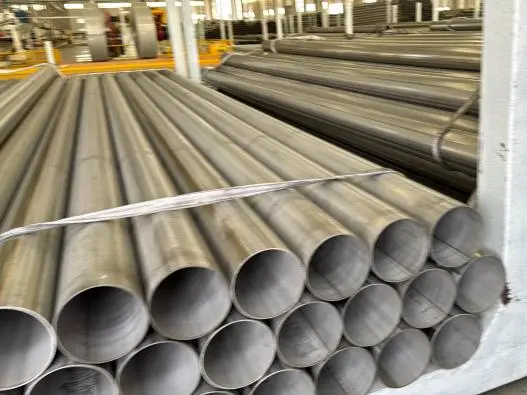
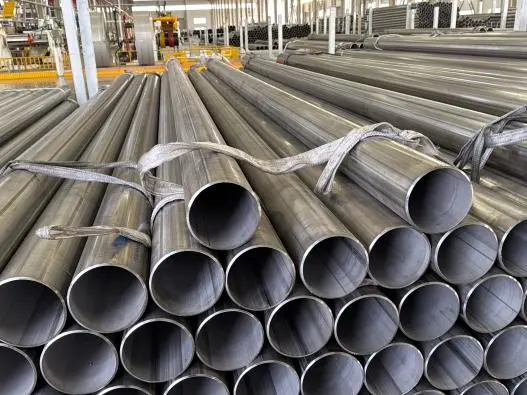
ASTM A358 800H pipes dominate high-temperature equipment applications because of their exceptional creep resistance, oxidation stability, and structural integrity under sustained thermal stress. These nickel-iron-chromium alloy pipes maintain mechanical strength even when continuously exposed to temperatures exceeding 1000°F (538°C). The Class 3 welding construction ensures every longitudinal seam undergoes rigorous radiographic testing, guaranteeing joint efficiency that matches seamless pipe performance. When your petrochemical reactor, industrial furnace, or power generation system demands long-term reliability without frequent shutdowns, ASTM A358 800 800H CL3 Steel Pipes deliver proven performance backed by full material traceability and comprehensive testing documentation.
|
|
|
Understanding ASTM A358 800H CL3 Steel Pipes
Understanding what makes these pipes perfect for harsh working conditions is the first step in building an effective system for high-temperature pipes.
Chemical Composition and Alloy Design
The 800H grade has a healthy lattice that doesn't oxidize or carburize easily because it has about 30–35% nickel and 19–23% chromium. This alloy's chemistry stops carbide precipitation at the grain boundaries, which is what usually makes standard austenitic stainless steels brittle at high temperatures. The controlled amount of carbon in 800H (0.05–0.10%) helps carbides form within grains instead of at the edges, which keeps the material flexible during heat cycles. This metal design solves a major problem in chemical processing and power generation: keeping pipes that are heated and cooled over and over again from breaking in terrible ways.
Manufacturing Standards and Class 3 Designation
Electric fusion welding (EFW) is the method recommended by ASTM A358 for making big pipes with diameters between 114.3 mm and 2500 mm that would be too expensive to make as seamless goods. For a building to be classified as Class 3, it must be double-welded and the longitudinal seam must be fully x-rayed. This testing method finds internal breaks that can't be seen with the naked eye. This makes sure that the weld zone has a joint efficiency factor of 1.0, which in pressure calculations is the same as a smooth pipe. This standard is important to procurement teams because it gives them the trustworthiness of seamless construction at the cost structure of welded production. This is especially true when they need to find heavy-wall pipes for important service.
Heat Treatment and Mechanical Properties
Solution annealing at about 2100°F (1149°C) and then quick cooling creates the best grain structure for resistance to creep. This heat process gets rid of the precipitates and makes a uniform austenitic matrix that doesn't distort over time when the load stays the same. The 800H grade keeps its minimum tensile strength of 65 ksi (450 MPa) at room temperature. What's more, it keeps a lot of its strength at temperatures where carbon steel and other stainless grades quickly lose their strength. Engineers use this predictable high-temperature behavior to figure out the maximum stress levels that are allowed by pressure vessel design codes such as ASME Section VIII.
Why ASTM A358 800H Pipes Are Preferred for High Temperature Applications?
People choose 800H grade pipes in harsh heating settings because they have certain material benefits that directly improve performance.
Exceptional Creep Resistance
The primary failure mechanism in high-temperature piping systems is creep—progressive deformation under sustained stress at elevated temperatures, and ASTM A358 800 800h CL3 Steel Pipes address this challenge effectively. 800H exhibits higher creep-rupture strength than 304H or 316H stainless steels, maintaining dimensional stability after years of continuous service at temperatures from 538°F to 1500°F. Power plants utilizing 800H superheater tubes report extended inspection intervals, as the material resists sagging and bulging that necessitate earlier replacement in lower-grade alloys. This translates into reduced maintenance expenditure and increased equipment availability—critical metrics for plant managers balancing operational efficiency against capital investment.
Oxidation and Carburization Resistance
A lot of nickel creates a protective oxide scale that sticks on and stays put even when the temperature changes. The nickel-chromium oxide layer on 800H pipes regenerates slowly, protecting them from air rust for a long time. This is different from chromium oxide scales, which can break off and reveal new metal. In petrochemical settings with hydrocarbon atmospheres, the alloy doesn't allow carburization, which is when carbon moves into the metal matrix and weakens it. Refineries with catalytic reforming units choose 800H for their transfer lines because it stays strong in high-temperature, carbon-rich process streams, while regular stainless steels break down in months.
Thermal Fatigue Resistance
When equipment starts up and stops working often, the pipes can get thermal fatigue from differential expansion. Because the 800H metal is both flexible and strong, it stops cracks from starting in places where stress is high, like weld heat-affected zones and geometric changes. Industrial furnace workers who use 800H radiant tubes like that the material can handle sudden changes in temperature during emergency shutdowns, which keeps it from breaking easily like lower-grade materials can. This factor of dependability is important when a piece of equipment breaking down could cause a chain of shutdowns that affect whole production lines.
ASTM A358 800H CL3 vs. Alternative Steel Pipes: A Comparative Analysis
To choose the right piping material, you need to know how 800H compares to other commonly used options in a number of different areas.
Comparison with 304H and 316H Stainless Steel
While grades 304H and 316H are good at resisting corrosion and can handle temperatures up to 1500°F (816°C), their creep strength drops below 800H when the temperature goes above 1000°F. The 18-8 chromium-nickel makeup of 304H doesn't have the thermal stability needed for long-term high-temperature use, which causes grains to grow faster and the metal's dynamic qualities to decrease over time. Adding molybdenum to 316H makes it less likely to pit, but it doesn't make a big difference in how well it handles high temperatures. A cost analysis shows that 304H and 316H pipes have lower initial material costs, but their total cost of ownership is higher than 800H installations because they have shorter service lives and need to be maintained more often in high-temperature settings.
Carbon Steel and Alloy Steel Alternatives
Up to about 750°F (399°C), carbon steel pipes work well in low temperature ranges. However, they quickly oxidize, scale, and lose strength at temperatures close to 800H's working range. Alloy steels, such as Grade 91 (9Cr-1Mo), are in the middle of carbon steel and high-nickel alloys. They offer average performance at average prices. But alloy steels need to be heated after welding to recover their mechanical qualities, which makes the process more complicated and costs more. Because the 800H alloy is austenitic, it doesn't need PWHT in many situations. This makes building plans easier and cuts down on field welding costs, which is especially helpful for installing big pipes because heat treatment would require a lot of equipment to be moved around.
Economic Considerations for Different Applications
Material selection for ASTM A358 800 800h CL3 Steel Pipes involves balancing initial cost against lifecycle performance. The 800H grade commands a premium due to its high nickel content, yet this investment proves justified in applications where downtime costs exceed material expense. A chemical processing plant operating at 85% capacity might find the incremental pipe cost justified to prevent a single unplanned outage through upgraded material selection. Conversely, intermittent service below 1000°F may achieve adequate performance with lower-cost alternatives, rendering 800H less economically attractive. Procurement teams should evaluate exposure severity, service frequency, and failure consequences when comparing material options.
Procurement Considerations for ASTM A358 800H CL3 Pipes
When looking for these specialty pipes, you need to pay attention to what the provider can do, what certifications they need, and how the logistics of the project will affect the timing and quality.
Supplier Selection and Certification Verification
Reliable suppliers keep their pressure equipment certified with the PED (Pressure Equipment Directive) for European markets and ISO 9001 quality management systems. The ISO 17025 certification for testing labs makes sure that the results of chemistry and mechanical analyzes are accurate and can be tracked around the world. When looking at possible suppliers, make sure you ask for proof that they can make what you need. This includes production line capacity, welding process qualifications (WPS/PQR), and certifications for non-destructive testing tools. YOUFA has 15 dedicated production lines that can handle 50,000 tons of material every year. This gives them the size they need to handle large projects while keeping quality high across all runs.
Documentation Requirements and Traceability
Heat-specific mill test certificates (MTC) that meet EN 10204 Type 3.1 or 3.2 norms are the first step in fully tracking materials. These papers need to have a study of the material's chemical make-up, the results of tests on its mechanical properties, records of its heat treatment, and grain size measures that meet the needs of 800H materials. Class 3 lines have to go through 100% radiography testing, which creates film or digital records that stay in the project quality file for as long as the equipment is in use. Third-party inspection (TPI) services check that the manufacturing is compliant at the factory before it is shipped. This finds problems early on, before they affect the schedule for construction. In buy orders, procurement managers should make sure that these kinds of records are included. Failure to do so can cause equipment to be delayed while regulatory checks are being done.
Lead Times and Minimum Order Quantities
Production of large-diameter nickel-alloy pipes, including ASTM A358 800 800h CL3 Steel Pipes, requires longer lead times than standard stainless steel grades due to raw material procurement and specialized manufacturing processes. Typical lead times range from 8 to 12 weeks for standard sizes, extending to 16 weeks for custom dimensions. However, manufacturers maintaining stock of popular sizes can significantly reduce delivery intervals—YOUFA, for instance, delivers stocked items to Tianjin Port within 7 days. Minimum order quantities (MOQs) vary among suppliers, with flexible MOQs indicating customer-centric rather than rigid production planning. YOUFA's one-pipe minimum order policy accommodates both small repair jobs and large new construction projects, demonstrating responsive service that fosters long-term supplier relationships.
Best Practices for Application and Maintenance of ASTM A358 800H Pipes
When these high-performance products are installed and maintained correctly, they last as long as possible.
Welding and Installation Guidelines
When welding 800H pipes in the field, you need to use filler metals like ERNiCr-3 (AWS A5.14) that are the same makeup as the base metal. This keeps the weld zone resistant to corrosion and keeps its mechanical qualities. As part of the welding process, the temperature between the passes should be kept below 350°F (177°C) to keep heat input low and cooling rates steady. Post-weld heat treatment isn't required by ASTM A358 in every case, but many end users ask for solution annealing to even out the grain sizes in the heat-affected area. When you install something correctly, making sure it fits well and is lined up correctly stops too much control that could lead to stress buildup during thermal expansion. To keep the annealed and pickled surface finish from getting damaged, installation teams should use the right lifting tools and leave enough space between supports.
Routine Inspection and Monitoring Protocols
Setting up baseline inspection data during commissioning makes it possible to see trends that are important during ongoing service. By measuring ultrasonic thickness in set locations, you can keep track of how much metal is being lost due to internal or external corrosion. Visual inspection during planned outages finds features on the oxide scale that show changes in running temperature or unusual atmospheres. Replication metallography is a non-destructive method for looking at the microstructure of the surface. It can find creep damage before it starts to crack. These monitoring methods allow predictive maintenance plans that replace pipes based on their actual condition instead of random time intervals. This improves safety and makes the best use of assets.
Addressing Common Failure Modes
Knowing how most problems happen helps repair teams spot early warning signs. Overheating in certain areas, caused by deposits inside or damaged insulation on the outside, makes hot spots that speed up creep deformation. Checking support systems on a regular basis makes sure that hangers and guides work right, which stops heat expansion forces from putting too much stress on the system. Weld joints are still the most common place where failures start, especially when the filling metal wasn't chosen correctly or the shielding gas was contaminated, causing the weld to lose its integrity. By keeping careful records of working conditions, especially changes in temperature during upsets or emergencies, you can better understand inspection results and plan how to fix things.
Conclusion
For effective high-temperature piping systems in power generation, petroleum processing, and industrial furnaces, ASTM A358 800 800h CL3 Steel Pipes serve as critical components. The investment in this material is justified in critical service environments where failure would have far-reaching consequences, due to its superior creep resistance, oxidation stability, and thermal fatigue tolerance. Class 3 construction with mandatory radiographic testing provides large-diameter welded pipes with reliability approaching that of seamless products, which would be prohibitively expensive or impossible to manufacture as seamless goods. Procurement success requires selecting qualified suppliers who provide comprehensive documentation, maintain rigorous quality systems, and offer responsive technical support for project requirements.
FAQ
What distinguishes Class 3 from Class 1 in ASTM A358 specifications?
Radiographs are used to look at both the weld and the base metal next to it on Class 1 pipes. On the other hand, only the weld seam is looked at on Class 3 pipes after they are double welded. For pressure design estimates, both classes get a joint efficiency of 1.0, but Class 1 has more base metal examination standards. Class 3 is a cheap choice for situations where the base metal's integrity is guaranteed by material approval and the weld is still the most important quality issue.
Can 800H be used instead of standard 800 grade in the current specifications?
The 800H grade can be used instead of 800 in almost all high-temperature situations because it has the same or better qualities as 800 and has controlled carbon added to it to make it more resistant to creep. But using normal 800 instead of 800H in specs that specifically call for 800H might be against the rules of the design code. This is especially true in creep-limited situations where the higher carbon content is needed for long-term strength. Before purchasing, you should always check with the design expert and end user to make sure that the replacement is acceptable.
What post-weld heat treatment do 800H pipes require?
While ASTM A358 doesn't require a post-weld heat treatment for all grades, 800H applications usually call for solution annealing at around 2100°F (1149°C) and then quick cooling. This treatment brings back the right grain size and carbide distribution in the weld heat-affected zone, which improves resistance to creep and corrosion. Whether or not to do PWHT relies on certain code standards, end user specifications, and service conditions. To ensure compliance, check the relevant construction code and material specification.
Partner with YOUFA for Reliable High-Temperature Piping Solutions
The materials you use for your high-temperature equipment must not affect its ability to work reliably. YOUFA uses cutting-edge electric fusion welding to make ASTM A358 800 800H CL3 Steel Pipes. These pipes are 100% radiography tested and can be traced back to one of China's Top 500 companies. Our 15 production lines make pipes with ODs ranging from 114.3 mm to 2500 mm. The minimum order quantity (MOQ) is as low as one pipe, and we can get them to Tianjin Port in just seven days. As a licensed ASTM A358 800 800H CL3 Steel Pipes provider, we offer a wide range of paperwork, such as MTC/MTR (3.1/3.2), TPI reports, and qualifications for our welding procedures, to meet the strictest standards for purchasing. You can email our technical team at info@youfass.com to talk about your specific needs and get expert advice on which material to choose, or you can visit youfass.com to see all of our high-performance stainless steel piping options.
Online Message