
Jul 16, 2026
Where Are ASTM A312 TP309 309S Pipes Commonly Used?
ASTM A312 TP309 309S Stainless Steel Pipes find their essential place in industries demanding exceptional heat and corrosion resistance under extreme operating conditions. These austenitic chromium-nickel pipes serve petrochemical refineries, power generation plants, industrial furnaces, chemical processing facilities, and heat treatment operations where temperatures routinely exceed 980°C. The TP309S variant, with its controlled low-carbon chemistry, particularly excels in welded constructions where intergranular corrosion poses operational risks. As global industries push operational boundaries, understanding these pipes' strategic applications becomes critical for procurement specialists seeking long-term reliability.
|
|
|
Understanding the Foundation: What Makes TP309 and TP309S Special?
The Material Science Behind Heat Resistance
ASTM A312 TP309 309S Stainless Steel Pipes represent a specific class of austenitic stainless steel engineered with 22-24% chromium and 12-15% nickel. This composition creates a protective oxide layer that regenerates even when exposed to thermal cycling and oxidizing atmospheres. Unlike standard 304 or 316 grades, these pipes maintain structural integrity and resist scaling at temperatures approaching 1038°C in continuous service environments. The solution-annealed and water-quenched heat treatment process ensures a stable austenitic microstructure free from harmful carbide precipitation that could compromise performance under thermal stress.
TP309 vs. TP309S: Choosing the Right Grade
Manufacturing Standards and Quality Assurance
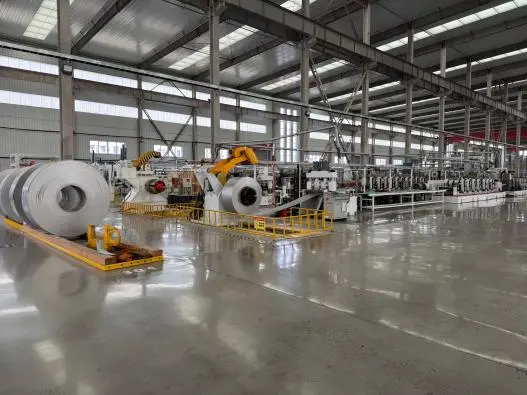
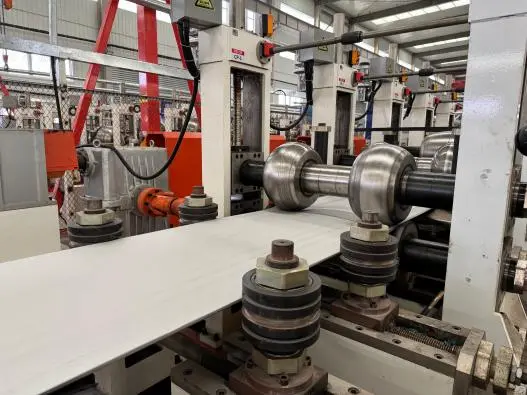
At YOUFA, our manufacturing approach aligns with ASTM A312/A312M-22 standards, covering seamless, welded, and heavily cold-worked pipe production. Our 15 production lines process material through rigorous quality checkpoints, including hydrostatic testing, ultrasonic inspection, and intergranular corrosion evaluation per ASTM A262 Practice E. Each pipe undergoes positive material identification to verify chromium and nickel levels meet specification requirements. This comprehensive testing protocol, backed by our ISO 17025 laboratory certification, ensures dimensional accuracy within prescribed tolerances and metallurgical consistency across production batches.
Key Industrial Applications: Where Performance Matters Most
Petrochemical and Refining Operations
Power Generation and Energy Production
Industrial Furnace and Heat Treatment Systems
Heat treatment operations rely on TP309 pipes for radiant tubes, muffle furnace components, and conveyor systems within industrial kilns. These applications subject materials to prolonged exposure at peak temperatures where thermal fatigue and oxidation would quickly compromise lesser materials. Carburizing and nitriding furnaces particularly benefit from the pipes' resistance to carburizing atmospheres that penetrate and degrade lower-grade stainless steels. The dimensional stability under thermal cycling prevents warping that could disrupt furnace geometry and heat distribution patterns critical for product quality.
Chemical Processing and Pharmaceutical Manufacturing
Chemical manufacturers specify ASTM A312 TP309 309S Stainless Steel Pipes for reactors and transfer lines handling aggressive chemicals at elevated temperatures. The material resists attack from oxidizing acids, alkaline solutions, and chloride-containing environments that would pit or stress-corrode standard austenitic grades. Pharmaceutical operations value the pipes' sanitary properties combined with steam sterilization compatibility, meeting stringent hygiene standards while enduring repeated high-temperature cleaning cycles. The smooth surface finishes available—pickled, bright annealed, or electropolished—prevent contamination retention and facilitate validation protocols required in regulated industries.
New Energy and Hydrogen Production Systems
Emerging hydrogen production technologies employing electrolysis systems utilize ASTM A312 TP309 309S Stainless Steel Pipes in high-temperature steam electrolyzers and reforming units. The material's electrochemical stability and corrosion resistance support efficient hydrogen generation while withstanding the aggressive operating conditions inherent in these processes. Fuel cell manufacturers incorporate these pipes into balance-of-plant systems requiring durability under thermal cycling and exposure to process gases. As renewable energy infrastructure expands, the demand for materials combining heat resistance with long-term reliability continues to grow across battery manufacturing and energy storage applications.
Performance Advantages Driving Specification Decisions
Extended Service Life Reducing Total Cost of Ownership
Industrial operators selecting TP309 and TP309S pipes realize significant lifecycle cost advantages through reduced maintenance intervals and extended replacement cycles. The pipes' resistance to oxidation and scaling minimizes wall thickness loss that forces premature retirement of lesser materials. Operations avoid unplanned shutdowns for emergency repairs, maintaining production continuity that directly impacts profitability. When comparing initial material costs against operational lifespan, these pipes deliver a favorable return on investment through reliability and reduced lifecycle expenses.
Fabrication Efficiency and Weld Integrity
The austenitic structure of ASTM A312 TP309 309S Stainless Steel Pipes facilitates forming operations and provides excellent weldability using standard techniques. TP309S particularly streamlines fabrication workflows by eliminating post-weld heat treatment requirements in many applications, reducing assembly time and labor costs. Welded joints maintain parent material properties without the embrittlement issues affecting martensitic or ferritic stainless steels. This fabrication ease translates to faster project completion and reduced construction costs for complex piping systems requiring numerous connections and directional changes.
Safety and Regulatory Compliance
Materials such as ASTM A312 TP309 309S Stainless Steel Pipes meeting ASTM A312 specifications carry the documentation and traceability demanded by pressure vessel codes and industrial safety regulations. YOUFA provides comprehensive material test reports, mill test certificates, and third-party inspection documentation supporting project compliance requirements. The non-magnetic properties of austenitic stainless steel prevent interference with sensitive instrumentation in certain applications while maintaining toughness at both elevated and cryogenic temperatures. This versatility allows engineers to specify one material grade across diverse operating conditions within a facility.
Strategic Procurement Considerations for Industrial Buyers
Supplier Selection and Quality Verification
Procurement professionals evaluating suppliers should prioritize manufacturers of ASTM A312 TP309 309S Stainless Steel Pipes with certified quality management systems and traceable material sourcing. YOUFA maintains ISO 9001, PED, and TÜV certifications, demonstrating a commitment to consistent quality standards recognized internationally. Our ISO 17025-accredited laboratory performs in-house chemical analysis and mechanical testing, providing independent verification of material properties. Supplier capability extends beyond manufacturing to include technical support, helping buyers select optimal specifications for their specific operating conditions and performance requirements.
Customization Options and Order Flexibility
Industrial projects often require customized dimensions, lengths, or surface finishes beyond standard catalog offerings. YOUFA accommodates these needs with size ranges from NPS 1/8" to 48" and wall thickness schedules from Sch 5S through Sch XXS, matching project specifications precisely. Our minimum order quantity of just one pipe allows prototyping and small-scale testing before committing to full production volumes. Custom length cutting, specialized end preparations, and value-added services like beveling or threading streamline installation workflows and reduce field modification requirements.
Delivery Logistics and Lead Time Management
Material Selection: Comparing Alternatives and Performance Trade-offs
TP309/309S vs. Standard Austenitic Grades
When comparing TP309 and TP309S against widely specified TP304 and TP316 grades, the elevated chromium content provides superior oxidation resistance above 815°C, where standard grades rapidly form thick oxide scale. However, this performance comes at a price premium justified only when operating temperatures or oxidizing conditions exceed standard grade capabilities. Engineers should evaluate actual service temperatures and environments, selecting TP309/309S specifically for applications where its unique properties deliver operational advantages. Overspecifying materials increases project costs without corresponding performance benefits.
Seamless vs. Welded Pipe Selection
Conclusion
ASTM A312 TP309 309S Stainless Steel Pipes occupy a critical niche in industrial infrastructure, delivering heat and corrosion resistance unmatched by standard austenitic grades. Their deployment across petrochemical processing, power generation, furnace operations, and emerging clean energy technologies demonstrates versatility backed by proven metallurgical performance. Procurement decisions balancing material properties, fabrication requirements, and lifecycle costs position these pipes as strategic investments rather than commodity purchases. As operating conditions grow more demanding and operational reliability becomes paramount, specifying the appropriate material grade with a qualified supplier determines long-term project success.
FAQ
What temperature range suits TP309 and TP309S pipes?
These pipes perform optimally in continuous service up to 1038°C, maintaining oxidation resistance and mechanical properties that standard austenitic grades cannot match. Intermittent service extends slightly lower to approximately 980°C. Below 815°C, more economical grades like TP304 or TP316 typically provide adequate performance unless specific corrosive conditions necessitate the higher chromium content.
Can TP309S pipes handle acidic environments?
TP309S resists oxidizing acids effectively due to its high chromium content, though performance varies with specific acid concentration, temperature, and oxidizing potential. Reducing acids or chloride-rich environments may require evaluation of higher-nickel alloys. Consulting corrosion resistance charts and conducting material compatibility testing ensures an appropriate specification for aggressive chemical service.
What documentation accompanies pipe orders?
YOUFA provides comprehensive documentation, including material test certificates complying with EN 10204 3.1 or 3.2 requirements, positive material identification results, mechanical test reports, and non-destructive examination records. Additional documentation, like weld procedure specifications, third-party inspection reports, and dimensional verification certificates, is available upon request to support project quality assurance and regulatory compliance requirements.
Partner with YOUFA for Reliable Stainless Steel Piping Solutions
YOUFA stands ready to support your high-temperature piping requirements with ASTM A312 TP309 309S Stainless Steel Pipes manufactured to exacting standards. Our position among China's top 500 enterprises reflects our commitment to quality, backed by ISO 9001, PED, and TÜV certifications that assure consistent material performance. With 15 production lines and 50,000-ton annual capacity, we deliver both flexibility and reliability, whether your project requires a single prototype pipe or full-scale production volumes. Reach out to our technical team at info@youfass.com to discuss your specifications with experienced stainless steel pipe suppliers who understand the critical nature of material selection in demanding industrial applications
Online Message