Nov 18, 2026
What Should Buyers Check When Sourcing 1.4401 Welded Steel Pipe?
When sourcing EN 10217-7 1.4401 Welded Steel Pipe, buyers should check six items: the exact grade and chemical composition, compliance with EN 10217-7 for pressure use, dimensions and tolerances, weld and leak testing, the inspection certificate with heat-number traceability, and the supplier's delivery capability. A label that reads only "316 stainless" proves none of these points. I recommend writing each item into the purchase order and asking every supplier to quote on the same basis. This approach lowers the risk of grade substitution, missing paperwork, and costly site rework, and it makes price comparisons fair.
|
|
|
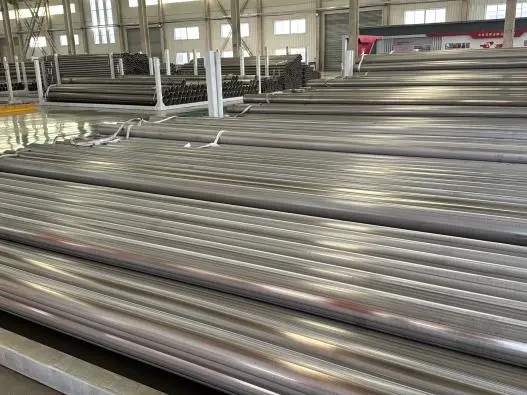
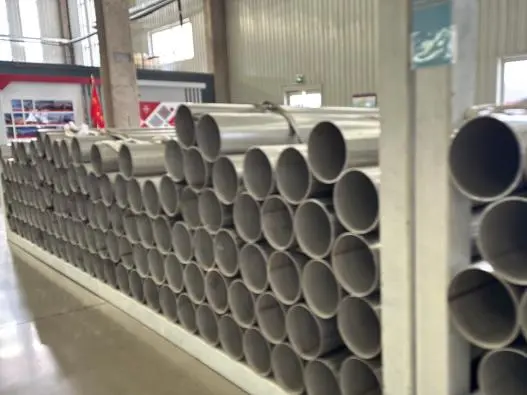
This guide works as a practical checklist for engineers, purchasing teams, distributors, and contractors. I start with material and standard checks, then move to testing, documents, and supplier comparison.
Confirm the Grade, Standard, and Pressure Requirements
Verify the Grade and Chemical Composition
Its EN number is 1.4401, and it is also known as 316 Stainless Steel. The standards are set by EN 10088, and they say that the steel must have between 16.5% and 18.5% chromium, between 10% and 13% nickel, between 2.0% and 2.5% molybdenum, and no more than 0.07% carbon. It doesn't pit as easily when chloride is present as 1.4301 (304), but that's because it has molybdenum in it. Not just nickel and chromium should be on the mill test report. Everything should be on it. Positive material identification (PMI) when the goods are received is a good idea for important services. PMI looks at the molybdenum level and finds a substitute that is not as good. For 316 Stainless Steel Welded Pipe that was bought from more than one seller, this is very important.
Check EN 10217-7 Compliance for Pressure Use
EN 10217-7 covers tubes made of austenitic and austenitic-ferritic stainless steel that are welded under pressure. People don't have to follow a general standard for stainless steel tubes just because they say they do. On the purchase order, it should say what the delivery conditions are, the type of test, the mechanical requirements, the weld inspection method, and the leak-test method. This range is sold by YOUFA after it has been solution annealed. This process softens the pipe and gets rid of the dangerous carbides that form when it is welded. Things that have to do with the EU Pressure Equipment Directive may also need to be PED-compliant, which YOUFA is. People in the US should also ask the expert in charge if an EN standard, such as ASME B31.3, is okay with the ruling code. This is because many US projects need ASTM A312 instead.
Compare 1.4401 with 1.4404, 1.4301, and Seamless Pipe
Grade 1.4404 (316L) only lets 0.030% carbon through, while 1.4401 lets 0.07%. 1.4404 is often a good choice because it has less carbon than other grades and is less likely to become sensitized in heavily welded systems. It costs less than Grade 1.4301 (304), but it isn't as resistant to chlorides because it doesn't contain molybdenum. YOUFA gives you 1.4301, 1.4306, 1.4307, 1.4401, 1.4404, 1.4541, 1.4539, and 1.4571 for EN 10217-7 1.4401 Welded Steel Pipe, which you can use to compare grades on the same question. Not having a weld line on an EN 10216-5 pipe is also different from having a weld line on an EN 10217-7 pipe. The route that welds is best for big sizes and thin walls. For designs that need to follow stricter rules for pressure or inspection, the other way might work better. In no way should you change grades without engineering's OK.
Check Dimensions, Finish, and Packaging
Specify 1.4401 Pipe Dimensions Completely
The nominal size for an EN 10217-7 1.4401 Welded Steel Pipe is the only thing that can go wrong. Write down the outside width, wall thickness, length, ovality, straightness, and squareness of the end on the order. YOUFA can make walls that are up to 1219.2 mm (48 in.) thick and have outside widths that meet EN 10217-7 standards. YOUFA sells a wider range of welded stainless steel that is between 10.3 mm and 2500 mm wide and between 0.8 mm and 40 mm thick. You should know the standards before you start production because they affect how the flanges fit together, how the heat exchanger is put together, and how the orbital welding is done. You can set the lengths or let them slip by chance. Fixed lengths cut down on trimming waste when you know what size spools you have.
Match Surface Finish and End Preparation
The surface state affects how rust acts and how it can be cleaned. YOUFA sells pipe that has been pickled and annealed. So that the protected inactive layer can form properly, pickling gets rid of the oxide scale and heat tint that were left behind by welding and annealing. Don't assume that the price will include a clean or smooth end if your process needs one. Ask for it. End-to-end is also important. You can get plain ends from YOUFA, which are good for cutting and putting together in the field, or you can get beveled ends, which get the pipe ready for butt welding. Make sure you know early on what kind of end your fittings and flanges need so your plant doesn't have to do any extra work.
Plan Packaging for Safe Delivery
Iron can rust on the surface of stainless steel, and scratches are easy to make on it. YOUFA puts pipe in wooden boxes that can have a steel frame added if needed. The boxes are bound in a hexagonal pattern with woven bags. Find out which option works best for your pipe size and shipping method. The box is more stable during long-distance freight because it has a steel frame. Also, find out how the seller stores and loads stainless steel pipes without mixing them with carbon steel pipes. Note the details of the wrapping and marking on the quote so that no one can argue about them afterward. When the packages get to you, check them over and take pictures of any damage before you sign the papers.
Evaluate Corrosion, Temperature, and Application Fit
Define the Service Environment
Not only say the grade, but also describe the fluid. Give the pH, temperature, pressure, flow rate, salt level, and cleaning agents. An EN 10217-7 1.4401 Welded Steel Pipe can handle more chloride-containing media than 304, but it can't handle all acids, all chloride levels, or all high temperatures. It is more likely for 316-type steel to pit if there are stagnant zones or cracks at the flanges. A quick technical look at corrosion data is worth it for people who buy things for electroplating, electrolysis, making hydrogen, and chemical processes. For rougher conditions, a higher alloy grade like 1.4539, which YOUFA also sells, might work better. Ask the person who can help you accept the grade in writing.
Consider Temperature and Weld Condition
When pressure pipes get warm or hot, the amount of stress that can be put on them decreases. Don't use the design numbers from the code at room temperature; use them at the temperature where the machine will be used. Welds are also important. If you don't control the heat input well or use the wrong filling metal, the rust resistance in the heat-affected zone can go down. Check with the supplier to see if their welding methods are approved; YOUFA has WPS/PQR documents available. If you are worried about sensitization, you should ask for an intergranular corrosion test according to ISO 3651-2. Titanium-stabilized types like 1.4541 and 1.4571 also don't get as sensitive when they're used for welding, and YOUFA has both of these types. Think about the risk vs. the cost of these grades.
Match the Pipe to the Application
YOUFA says that its EN 10217-7 1.4401 Welded Steel Pipe is mostly used in power, chemical, pressure vessel, and industrial piping systems. The process medium and cleaning steps should be reviewed by chemical plants. It is important to pay attention to temperature and heat cycles in power systems. Records from UT and RT can show if pressure tank work needs more non-destructive testing. Users in the medical, semiconductor, and aerospace industries often add purity, surface, or traceability rules on top of EN 10217-7. Before getting a quote, you should tell the supplier about these rules. People who are buying water treatment should also show the levels of chloride and disinfectant, as these two things affect the grade choice. With a full plan, the company can find mistakes quickly.
Verify Testing, Certificates, and Traceability
Confirm Weld and Leak Testing
The test plan needs to be carefully studied because the weld seam is the first place where problems should be found. Most of the time, hydrostatic or eddy current testing shows that there are no leaks. Ultrasonic testing is needed under Test Category 2 because it finds flaws in the space inside the product. For tough projects, radiographic testing gives a better look at the quality of the weld on the inside, and YOUFA offers UT and RT reports. Under ISO 3651-2, intergranular rust testing makes sure that the steel wasn't made more sensitive by welding, and surface roughness checks are important for clean use. Ask the supplier to list the type of test on the quote and include sample reports.
Read the 1.4401 Pipe Certificate Carefully
The EN 10217-7 1.4401 Welded Steel Pipe license is the main proof that you follow the rules. The person who made the item issues an EN 10204 type 3.1 certificate that has been signed off on by a qualified agent who is not part of the production process. Type 3.2 adds verification by the buyer's agent or a third-party inspector. YOUFA gives MTC/MTR in either 3.1 or 3.2 form and lets a third party inspect (TPI). Always make sure that the certificate has the standard, grade, heat number, size, chemistry, and mechanical results written on it. Then, compare the pipe's writing to the heat number. Some company certificates, like ISO 9001, PED, and TÜV, back up these product records, but they don't take their place.
Keep Traceability and Documents Complete
Each pipe can be traced back to its melt, tests, and welding process. Ask for the whole package when you get the quote: MTC/MTR, MPS, WPS/PQR, UT and RT reports, and third-party inspection records if the project needs them. This group, YOUFA, says that all of these documents are available and also has an ISO 17025 lab. All of your markings, signs, packing lists, and papers should have the same heat numbers on them. Any difference should be checked out before shipping. It's better to keep the final package with the project records than to check it and make a claim later.
Compare Suppliers, Delivery, and Common Mistakes
Compare Quotes on the Same Basis
You can only compare two quotes if they have the same grade, standard, size, length, finish, testing, certificate type, packaging, quantity, and Incoterm. A lower price could mean fewer tests, less strict rules, or a different grade. Figure out the landed cost, which includes the cost of freight, insurance, duties, inspection, and the cost of a shipment that was refused. Ask about capacity when you choose an EN 10217-7 1.4401 Welded Steel Pipe provider. YOUFA was founded in 2017 and has 15 production lines that make 50,000 tons of goods every year. It has more than 200 employees and is one of China's Top 500 companies. Also, you can get stainless steel pipes all in one place.
Check Lead Time, MOQ, and Support
Writing down stock and production lead times is a good idea. To get to Tianjin Port as quickly as possible, YOUFA needs at least one pipe, which is fine for sample orders and small repair jobs. Add the time it takes to move by water to get to US ports and the time it takes to be inspected. Then, ask for a delivery plan with each milestone. Check the claim process before you make your payment. YOUFA does work on buildings and uses industrial fluids. It also offers technical support, options for commissioning on-site, and coordination of the whole project supply chain. You should ask about repeat-order consistency because a provider whose quality stays the same over several orders will save you time and work.
Avoid Common Procurement Mistakes
Orders that aren't filled cause most of the problems, not bad manufacturing. People often make four mistakes: they order "316 pipe" without the EN number, they think that 1.4401 and 1.4404 are the same, they skip the test group, and they accept certificates that don't match the heat numbers. Check this short list before you place your order: standard and grade, size and tolerance, finish and ends, test category, certificate type, traceability, packaging, and delivery terms. In the next step, look at the most recent version of the standard and any project or area rules. With a written plan, these checks can be seen in a clear order, which speeds up the review of quotes.
Conclusion
The Source EN 10217-7 1.4401 Welded Steel Pipe safety rests on facts that have been proven, not a "316" mark. The grade should be within the limits set by EN 10088 for makeup, and the order should list the standard, test group, and delivery state. Fit-up problems can be avoided by giving full measurements, tolerances, finish, and end type. Because 1.4401, 1.4404, and 1.4301 all have different amounts of carbon and molybdenum, the grade you choose should depend on the real service environment, such as the chloride level, temperature, and quality of the weld. Certifications from EN 10204 3.1 or 3.2, weld and leak tests, and heat-number tracking show that the rules have been followed. Quotes can only be compared if the documents, specifications, and delivery terms are all the same. If you follow this plan, the chances of mistakes, paperwork, and extra work are lower.
FAQ
What is EN 10217-7 1.4401 pipe?
As per EN 10217-7, it is EN 10217-7 1.4401 Welded Steel Pipe made from grade 1.4401, which is the same as 316 Stainless Steel. It is used to set pressure in industrial pipe systems. Buyers should still check the grade with PMI and the certificate.
How does 1.4401 differ from 1.4404?
Grade 1.4404 is the same as 316L, but its highest carbon level is 0.030% instead of 0.07%. Molybdenum is found in both. It is used in the chemical and naval industries, and it works well in systems with a lot of welding that are sensitive.
Which quality checks apply to 1.4401 welded pipe?
Ultrasonic testing to look for flaws in the metal, intergranular corrosion testing according to ISO 3651-2, measuring the surface roughness for hygiene reasons, and PMI to confirm the molybdenum content are some of the important checks that need to be done.
Which documents should I request?
To get MTC/MTR, you need to fill out a type 3.1 or 3.2 form. For some jobs, you may also need to ask for TPI, WPS/PQR, MPS, and UT/RT reports. All of these can be given to you by YOUFA.
Request Your EN 10217-7 1.4401 Welded Steel Pipe Quote from YOUFA
The YOUFA team will look over your list of sizes, service terms, and license needs when you send them to info@youfass.com. YOUFA is an EN 10217-7 1.4401 Welded Steel Pipe manufacturer. It has 15 production lines, can make 50,000 tons of steel a year, and needs at least one pipe to place an order. They can give you prices for different grades, finishes, and papers that you need for your project. Visit youfass.com to learn more about our options for stainless steel pipes.
Online Message