
Jul 31, 2026
What Should Buyers Check When Purchasing ASTM A358 TP304 CL1 Pipes?
When procuring ASTM A358 GR TP304 CL1 Stainless Steel Pipe, buyers must verify compliance documentation, dimensional accuracy, supplier certifications, weld integrity through 100% radiographic or ultrasonic testing, and material traceability via Mill Test Certificates. These pipes serve critical applications in petrochemical processing, power generation, and industrial piping systems where corrosion resistance and structural reliability under high-pressure and high-temperature conditions are non-negotiable. Ensuring each verification step protects project timelines, operational safety, and long-term investment value.
|
|
|

Introduction
Welded stainless steel pipes with a large diameter are now an important part of modern industrial infrastructure. The ASTM A358 GR TP304 CL1 Stainless Steel Pipe is a strong option for harsh environments where chemical resistance, thermal stability, and mechanical strength all need to work together. People who work in procurement in the manufacturing, chemical processing, and energy sectors know that choosing the right pipe specification has a direct effect on how long a system lasts, how much it costs to maintain, and how safe it is to use.
This guide makes B2B procurement easier to understand by explaining technical requirements, how to evaluate suppliers, and the most important verification steps. The information in this article will help you make the best buying choices and minimise risk, whether you're in charge of a petrochemical growth project or improving a power plant's steam circulation system. When you know the differences between pipe classes, manufacturing processes, and certification requirements, you can turn what seems like a simple purchase of materials into a strategic choice that will affect the project for years to come.
Understanding ASTM A358 GR TP304 CL1 Pipes: Specifications & Key Properties
The ASTM A358 GR TP304 CL1 Stainless Steel Pipe sets the rules for electric fusion-welded stainless steel lines that are made to work under high pressure in harsh settings. The TP304 grade is an austenitic chromium-nickel metal with at least 18% chromium and 8% nickel. It has an inactive oxide layer that protects it from oxidation and chemical attack. For Class 1 classification, all horizontal welds must be x-rayed 100% of the time. This is done to make sure that there are no defects, which is very important for uses where failure could have terrible results.
Dimensional Standards and Manufacturing Tolerances
Outside diameters of pipes that meet this specification range from 114.3 mm to 2500 mm, and wall thicknesses range from 3 mm to 50 mm, depending on the pressure needs and the application. Adding filler metal to the electric fusion welding process makes it different from automatic welding methods used on pipes with smaller diameters. Because of this way of making things, big pipes can be made from plate material while still having the same mechanical properties as seamless pipes. Tolerances for width, wall thickness consistency, and ovality are very strict. This makes sure that they work with flanges, fittings, and other system parts. Buyers should make sure that suppliers give them detailed dimension reports that show that they are adhering to the tolerances that were set. Even small deviations can make installation harder and threaten the integrity of the system.
Chemical Composition and Mechanical Performance
The chemicals that make up TP304 grade make it both strong and resistant to rust. The carbon percentage is usually between 0.04% and 0.08%, which gives the metal enough strength while still letting it be welded and shaped. It has a minimum tensile strength of 515 MPa and a minimum yield strength of 205 MPa, which means it can be used in structures under moderate to high pressure. When solution annealing is done at temperatures above 1040°C and then quickly cooled, it breaks down carbides and improves rust resistance in areas near welds that have been damaged by heat. This thermal process is required by the standard and has a big effect on how resistant the pipe is to intergranular corrosion in working settings with fluids that are acidic or chloride-containing.
Weld Quality and Non-Destructive Testing Requirements
Radiographic or ultrasonic tests are done on all Class 1 pipes to find problems with the weld on the inside, like holes, incomplete fusion, or cracks. This amount of thorough study goes above and beyond what is needed for lower pipe classes and provides proof that the weld is sound. The longitudinal weld seam must be at least as strong as the base plate. This can be shown by testing joint examples mechanically. Buyers should insist on getting full non-destructive testing reports that include film interpretation records or ultrasound scan results. These are the papers that are used to make sure the quality of a product and that it meets the rules set by codes like ASME Section VIII or API 570.
Key Comparison Factors: ASTM A358 TP304 CL1 vs Alternative Stainless Steel Pipes
Knowing the difference between the standards for stainless steel pipes helps buyers match the material's specs to their needs. ASTM A358 GR TP304 CL1 Stainless Steel Pipe is only for large-diameter electric fusion-welded pipes made from plate, while ASTM A312 is for seamless and welded pipes with a diameter of 600 mm or less that are made in a variety of ways. The choice between these standards depends on the size of the project, the required pressure, and the cost. For large-bore uses, A358 pipes are cheaper without losing performance.
Manufacturing Process Distinctions
When filler metal is added to electric fusion welding, a weld joint can be made to match or beat the properties of the base material. This is different from the automatic welding methods used to make A312; these require little heat and don't add any filler, so they work well for smaller sizes but not for big ones. Plate-to-pipe forming lets companies make custom sizes and wall thicknesses that aren't easy to get with seamless production. This gives engineers who are creating non-standard plumbing systems more project freedom, which they like.
Grade Selection: TP304 vs TP304L vs TP316
Differences in the carbon content of austenitic types have a huge impact on how well they work. By lowering carbon to a maximum of 0.03%, TP304L prevents carbide formation during welding and improves resistance to intergranular rust without the need for a heat treatment after the welding process. TP304H adds 0.04-0.10% carbon, which raises the creep strength at temperatures above 500°C and makes it suitable for power generation applications that are exposed to high temperatures for long periods of time. TP316 adds molybdenum (2–3%), which makes it much more resistant to pitting and crevice corrosion in chloride settings that are common in chemical processing plants and sites near the coast. To choose the best grade, you need to look at the service temperature ranges, chemical exposure profiles, and welding issues that are unique to each project. Engineers often use rust tables and mechanical property charts to make sure that the alloy's properties match the stresses that the pipe will be under during its service life.
Essential Criteria When Selecting ASTM A358 TP304 CL1 Pipe Suppliers
Comparisons of prices are only one part of evaluating a supplier. Quality systems, manufacturing skills, and service timeliness are also important. Creating relationships with dependable manufacturers helps keep project plans on track and guarantees long-term material performance through consistent quality and technical support for ASTM A358 GR TP304 CL1 Stainless Steel Pipe.
Certification and Quality Management Verification
Suppliers that are trustworthy keep their ISO 9001 certification, which shows that they manage quality in a planned way at all stages of production. Extra certifications, like Pressure Equipment Directive (PED) compliance for European markets or TUV endorsement, show that the product meets strict safety and quality standards that are known all over the world. As buyers, you should ask for copies of current certificates and check that they are still valid in the files of the organisations that issued them. A lab that is ISO 17025 certified makes sure that the chemical and mechanical tests done on pipes are in line with international metrology standards. This gives people faith in the test results that are given and are used to decide whether to accept the material.
Manufacturing Capacity and Technical Capabilities
Production capacity has a direct effect on how reliably and consistently products are delivered. Manufacturers with more than one production line and yearly outputs of more than 50,000 tonnes show that they have the size and experience to keep quality stable and prices low. Technical skills like having in-house Welding Procedure Specifications (WPS) and Procedure Qualification Records (PQR) show a high level of engineering that can support specific needs and fix problems while a project is being carried out. Buyers gain when suppliers can provide Manufacturing Process Sheets (MPS) that list each step of the production process. This makes it easy to track everything from receiving the raw materials to the final review.
Order Flexibility and Lead Time Considerations
Different suppliers of ASTM A358 GR TP304 CL1 Stainless Steel Pipe have different minimum order quantity requirements. Some suppliers require large-volume purchases, while others can support single-pipe orders for urgent replacements, testing, or prototype projects. Understanding the MOQ policies for ASTM A358 GR TP304 CL1 Stainless Steel Pipe helps buyers align their procurement plans with inventory management goals and project schedules. Choosing a supplier with flexible ordering options can make the purchasing process more efficient and reduce unnecessary stock pressure. Lead times for ASTM A358 GR TP304 CL1 Stainless Steel Pipe depend on factors such as order complexity, factory workload, production capacity, and transportation arrangements. Reliable suppliers provide accurate delivery estimates and maintain regular communication throughout the manufacturing process, allowing buyers to prepare installation sites and organise labour schedules effectively. Fast delivery options for ASTM A358 GR TP304 CL1 Stainless Steel Pipe, including seven-day turnaround services to major ports, can be especially valuable when projects experience delays or equipment failures that require urgent material replacement. By selecting a supplier with strong logistics capabilities and dependable communication, buyers can secure a stable supply of ASTM A358 GR TP304 CL1 Stainless Steel Pipe while reducing project risks and improving procurement efficiency.
Procurement Considerations: Pricing, Availability, and Logistics
The ASTM A358 GR TP304 CL1 Stainless Steel Pipe market changes based on the cost of raw materials, changes in global demand, and the concentration of manufacturing in certain regions. Knowing about these things helps buyers negotiate well and time their purchases to get the best deals.
Price Drivers and Sourcing Strategies
Nickel and chromium prices change with the prices of other commodities, which has a direct effect on the cost of making stainless steel. Buyers can predict changes in prices and make purchase agreements that take those changes into account by keeping an eye on metal price indices. Volume discounts are given for bigger orders, but buyers have to weigh the upfront cost savings against the costs of keeping inventory and the space limitations of their storage units. By buying directly from makers, you can skip the middlemen and save money, but you may have to place bigger orders and wait longer for delivery. Distributors and wholesalers serve projects with tight deadlines or limited storage space by offering smaller amounts and faster access at higher prices. Geographical factors affect landed costs. For example, buying locally may save you money on import taxes and shipping costs, but it may limit your supplier choices compared to buying globally.
Packaging and Transportation Protocols
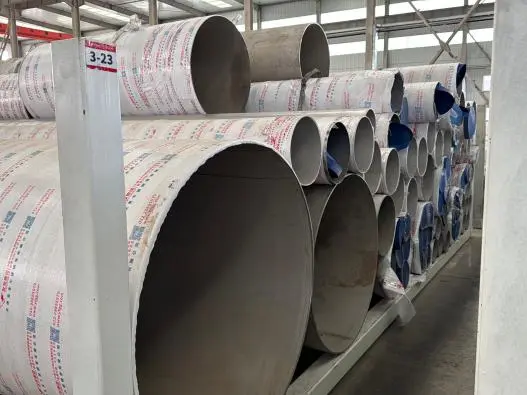
Using the right packaging keeps pipes in good shape while they are being shipped or stored. Handling tools and stacking loads can damage wooden crates, but steel reinforcements can be added as an option. Hexagonal packing arrangements with weave bag protection keep the outside surfaces clean and free of scratches. End guards keep the bevelled ends that are needed to prepare for welding. Buyers should specify the type of packaging they need based on the handling equipment available at the receiving site and the amount of time the items will be stored before they are installed. Logistics planning needs to take into account pipe sizes that are bigger than normal shipping containers. This could mean using flat rack containers, open-top containers, or break bulk shipping methods, which change the cost and time of travel. By coordinating delivery times with site readiness, you can avoid demurrage fees and make sure that labour crews can quickly unload and check materials when they arrive.
Practical Checklist: What Buyers Must Verify Before Purchase
Before financial commitments are made official, systematic verification protocols set clear acceptance criteria and lower the risks of procurement for ASTM A358 GR TP304 CL1 Stainless Steel Pipe.
Documentation Package Requirements
Mill Test Certificates (MTC) that meet EN 10204 Type 3.1 or 3.2 standards show that the chemical make-up and mechanical properties of a material can be linked to a particular pipe heat number. Through non-destructive spectrographic analysis, Positive Material Identification (PMI) reports confirm the grade of an alloy. They do this by finding material substitution or mixing that could hurt performance. Ultrasonic or radiographic testing records show the results of the weld study, including the acceptance criteria that were used and the skills of the expert. Welding Procedure Specifications and Procedure Qualification Records show that the ways of making things are up to code and have been proven to work through destructive testing. Buyers should get all the paperwork they need before the shipment, so engineers have time to look it over and give their approval.
Physical Inspection and Dimensional Verification
A visual inspection should find surface flaws like cracks, laminations, or too much weld support that show poor quality control. Using calibrated tools that can be traced back to national standards, dimensional measures check the outside diameter, wall thickness, and length against the buy specs. Measurements of out-of-roundness show that the ovality stays within the range limits that affect how well the flange fits and how quickly the fitting is done. Quality of end preparation affects how much welding gets done. For example, clean, straight bevels cut down on fit-up time and repairs. If these checks are done at the manufacturer's site before shipment or right after delivery, problems can be fixed quickly without affecting installation plans.
Warranty Terms and Post-Purchase Support
It is very clear in the warranty that the supplier is responsible for any material flaws that are found during installation or early service. Coverage should include flaws in the manufacturing process, problems with the dimensions, and early failures caused by problems with the material or the work. Purchase papers must clearly spell out the length of the warranty, how to file a claim, and any solutions, like replacement or credit. Technical support after the sale is useful for when installation problems happen or changes need to be made in the field. Offering technical advice, on-site commissioning help, and quick troubleshooting by suppliers shows they are committed beyond the transaction, which builds relationships that help future projects.
Conclusion
If you want to buy ASTM A358 GR TP304 CL1 Stainless Steel Pipe for important commercial uses, you need to carefully look over the technical specs, the supplier's qualifications, and the quality control procedures. Knowing the size requirements, grade selection criteria, and testing standards helps procurement teams choose materials that meet the performance needs of the project and stay within the budget. By looking at a supplier's certifications, manufacturing skills, and how quickly they respond to service requests, you can build relationships that offer reliable goods and help throughout the lifecycle of a project. Systematic review of paperwork and physical inspection keep quality problems at bay and make sure that technical standards and government codes are followed.
FAQ
How does Class 1 differ from other ASTM A358 pipe classes?
Out of the five pipe classes listed in ASTM A358 GR TP304 CL1 Stainless Steel Pipe; Class 1 needs 100% radiographic or ultrasonic examination of longitudinal welds. This gives the greatest level of quality guarantee. Classes 2 through 5 use increasingly less comprehensive exams or different testing methods that are better for less important jobs where full weld inspection is not required by design codes.
Can TP304 grade handle cryogenic temperatures in LNG applications?
TP304 austenitic stainless steel stays very tough at temperatures below zero, which makes it ideal for use in cryogenic applications, such as systems that transport and store liquefied natural gas. Austenitic alloys don't break easily at low temperatures because they have a face-centered cubic crystal structure. This is different from ferritic grades, which change from being ductile to brittle.
What industries typically specify electric fusion welded stainless steel pipes?
These pipes are often used in large-diameter headers, transfer lines, and reactor systems where corrosion resistance and pressure containment are important. They are used in petrochemical processing, power generation, chemical manufacturing, pulp and paper production, and pharmaceutical facilities. Their ability to handle large sizes, technical strength, and low cost make them appealing for projects that need a lot of pipe infrastructure.
How do buyers verify supplier certification authenticity?
Ask for original certificates that have the logos of the organisations that issued them, their registration numbers, and the dates that they are valid. Then, compare these details with online databases of certification authorities. Authentic suppliers are happy to answer questions about their registration status and give direct contact information for certification bodies to do so.
Partner with YOUFA for Premium Electric Fusion Welded Stainless Steel Pipes
YOUFASS Stainless Steel Pipe Co., Ltd. is a manufacturer that has a track record of making large-diameter industrial pipes. Our 15 production lines and ISO 9001, PED, ISO 17025, and TÜV certifications show that we are dedicated to quality that meets global standards. We sell ASTM A358 GR TP304 CL1 Stainless Steel Pipe with diameters ranging from 114.3 mm to 2500 mm. These come in different grades, such as TP304, TP304L, TP316, and high-temperature versions. All of them come with full paperwork sets that include MTC/MTR 3.1/3.2, WPS/PQR, and 100% UT/RT reports. Our approach is flexible enough to handle orders for a single pipe, and we can get them to Tianjin Port in seven days at the fastest. This meets the needs of urgent projects without sacrificing quality. Get in touch with our technical team at info@youfass.com to talk about your unique needs and get a quote from a reliable stainless steel pipe provider.
Online Message