
Jul 31, 2026
What Factors Matter When Buying ASTM A358 TP304 CL2 Stainless Steel Pipes?
When sourcing large-diameter welded stainless steel pipes for industrial applications, purchasing teams must weigh multiple factors beyond price alone. The ASTM A358 Grade TP 304 CL2 Stainless Steel Pipe represents a critical choice for demanding environments where corrosion resistance, structural integrity, and performance under pressure are non-negotiable. Buyers must evaluate material certification, welding quality, supplier credentials, technical specifications, lead times, and post-sale support. Understanding these variables ensures project success while mitigating risks associated with material failure, downtime, or non-compliance with international standards.
|
|
|
Understanding ASTM A358 TP304 CL2 Stainless Steel Pipes
What the ASTM A358 Standard Covers
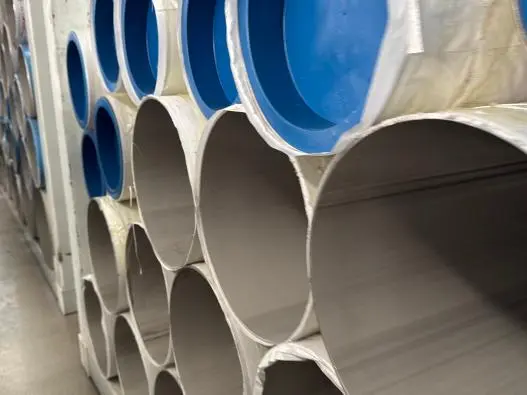
Electric fusion welded (EFW) austenitic chromium-nickel alloy steel pipes meant for high-temperature and corrosive service must follow the ASTM A358 standard. EFW pipes made under ASTM A358 can have diameters ranging from 114.3 mm to 2500 mm, which makes them perfect for large-scale industrial piping systems compared to seamless pipes. These pipes are double-welded and have filler metal added to them to make sure they are strong and last a long time in tough working conditions.
The ASTM A358 Grade TP 304 CL2 Stainless Steel Pipe label Class 2 means that the pipe is double-welded and does not need to be inspected by a radiographer. This is different from Class 1 pipes, which need to be inspected by an X-ray machine 100% of the time. This classification strikes a good mix between quality control and cost-effectiveness, especially when the combined efficiency and pressure scores meet the needs of the project without the extra cost of full radiographic scrutiny.
Chemical Composition and Mechanical Properties of TP304
ASTM A358 Grade TP 304 CL2 Stainless Steel Pipe has about 18–20% chromium and 8–10.5% nickel, which makes it very resistant to oxidation and corrosion in a wide range of chemical environments. The carbon content is usually between 0.08% and 0.08%, which makes it easy to weld while keeping the mechanical strength. The tensile strength is more than 515 MPa (75 ksi), and the yield strength is about 205 MPa (30 ksi). This means that it will work well in pressure service conditions.
Solution annealing is a heat treatment that must be done on all ASTM A358 Grade TP 304 CL2 Stainless Steel Pipes. It breaks down carbides and restores corrosion resistance that was lost during welding. Rapid cooling after annealing stops sensitisation, which could cause intergranular rust in places with a lot of acid or salt. Knowing these metallurgical features helps procurement teams match the properties of materials with what they need to do their jobs.
Standard Dimensions and Surface Finishes
ASTM A358 Grade TP 304 CL2 Stainless Steel Pipes come with wall thicknesses that range from 3 mm to 50 mm, so they can handle a wide range of pressure needs and structural loads. There are different surface finishes, such as pickled and annealed or solution annealed, which both make the metal more corrosion-resistant and cleaner. End finishes can be plain or bevelled, which lets you use different ways to place and join depending on the form of the system.
These size and finish requirements are right for use in petrochemical, chemical processing, and power generation facilities, where cleanliness, fluid purity, and resistance to aggressive media are very important. During the procurement phase, buyers should compare the product's dimensions and surface quality to the project's blueprints.
Key Comparison Factors for Informed Procurement Decisions
How TP304 CL2 Compares to Other Stainless Steel Grades
ASTM A358 Grade TP 304 CL2 Stainless Steel Pipe is a good corrosion-resistant metal that is also affordable, but buyers often compare it to TP316, which has molybdenum added to it to make it more resistant to pitting and crevice corrosion in salt settings. TP304L is better for uses that need to change temperatures often because it has less carbon in it, which makes it easier to weld and lowers the risk of sensitisation.
The main difference between ASTM A358 Grade TP 304 CL2 Stainless Steel Pipe and CL1 is the level of checking. Radiographic tests are done on all Class 1 pipes, which gives them higher joint efficiency factors and allowable stress values. Even though Class 2 pipes are still double-welded with filler metal, they are cheaper for jobs where the design allows for slightly lower joint yields. Knowing these trade-offs helps you choose materials in a way that fits your budget and meets your performance needs.
Temperature and Pressure Capabilities
ASTM A358 Grade TP 304 CL2 Stainless Steel Pipe keeps its shape and doesn't rust at temperatures ranging from very cold (cryogenic) to about 870°C (1600°F). However, if it is exposed to temperatures above 425°C for a long time, carbide may form unless stabilised grades like 321 or 347 are used. Pressure ratings are based on the diameter of the pipe, the thickness of the wall, and the calculations that need to be done according to ASME B31.3 or similar standards.
When ASTM A358 is used to make EFW, the wall thickness can be changed to meet specific pressure ratings. This gives the manufacturer more options than with seamless pipe in big diameters. Buyers should talk to engineering teams to make sure that pipe schedules are compatible with system design pressures. This will ensure that there are enough safety margins and that the rules are followed.
Certification and Quality Assurance Importance
To follow ASTM A358 guidelines, you have to do a lot of tests, like ultrasonic testing (UT) or radiographic testing (RT) on all welds, hydrostatic testing to make sure the pressure integrity, and chemical and mechanical analysis to make sure the material meets the requirements. Third-party certificates like ISO 9001, PED (Pressure Equipment Directive), and TÜV give buyers even more trust in the quality of the products they buy and their ability to be tracked.
Material Test Certificates (MTC) that meet the requirements of EN 10204 3.1 or 3.2 list heat numbers, chemical makeup, mechanical test results, and records from non-destructive tests. To meet the needs of project quality management systems and regulatory audits, purchasing teams should insist on full documentation packages that include Welding Procedure Specifications (WPS), Procedure Qualification Records (PQR), and Mill Test Reports (MTR). These approvals protect investments by making sure pipes meet international standards and work well for the whole time they are in use.
Strategic Procurement Considerations for B2B Buyers
Evaluating Supplier Reliability and Manufacturing Credentials
When you work with well-known manufacturers, you lower the risks of buying things that aren't right, that arrive late, or don't have enough expert help. Youfa Stainless Steel Pipe Co., Ltd. was established in 2017 and has 15 production lines that can make 50,000 tonnes of steel each year. It has ISO 9001, PED, ISO 17025, and TÜV certifications and serves markets around the world. This manufacturing scale and quality infrastructure show that they can consistently meet large orders while keeping quality control very strict.
When evaluating a supplier, you should check their production capacity, quality management systems, and track records in similar projects. A supplier's dedication to quality and ability to create solutions for complicated projects can be seen in their certified testing labs, in-house welding training programs, and experienced technical teams.
Pricing Factors and Cost-Effectiveness Analysis
The price per metre of ASTM A358 Grade TP 304 CL2 Stainless Steel Pipes changes based on the cost of the raw materials, the size of the order, the difficulty of the standard, and the state of the market. When you buy in bulk, you can usually get volume savings, which lowers the cost per unit and makes sure that you have enough materials for a phased project completion. Buyers should weigh the costs they'll have to pay up front against the costs they'll have over the product's expected service life and installation.
The total cost of ownership includes more than just the price of the machine itself. It also includes things like welding supplies, labour for installation, inspections, and possible repair or replacement costs. Because ASTM A358 Grade TP 304 CL2 Stainless Steel Pipe has a good cost-to-performance ratio, it is a better choice than high-end types like TP316 in situations where chloride contact is restricted. When you do strategic buying, you look at all of these things together instead of just looking at the initial purchase price.
Minimum Order Quantities and Stock Availability
Some manufacturers set minimum order quantities (MOQ) to make production more efficient and to save money on buying materials. YOUFA is flexible because the minimum order quantity (MOQ) is only one pipe. This means that buyers don't have to keep too much inventory on hand for prototype development, small-scale projects, or emergency replacements. This method cuts down on the amount of working capital needed and the cost of keeping while still allowing access to certified goods.
Stock supply has a direct effect on project timelines, especially when it comes to large-diameter pipes that need special manufacturing sets. When suppliers keep common sizes in stock, delivery times are shorter. However, custom specifications may require lead times of several weeks to months, depending on production schedules. Buyers should be clear about project timelines during the quote stage so that delivery of materials doesn't interfere with building goals.
Lead Times and Global Shipping Logistics
Delivery times include planning production, checking quality, packing, and getting goods to ports or job sites where they're needed. YOUFA offers fast shipping choices, with the quickest turnaround time of seven days to Tianjin Port for standard specs. This can help with projects that need to be done quickly. Freight forwarding, customs clearance, and inland transportation all need to be coordinated for international shipments. These factors affect the total lead time and landed costs.
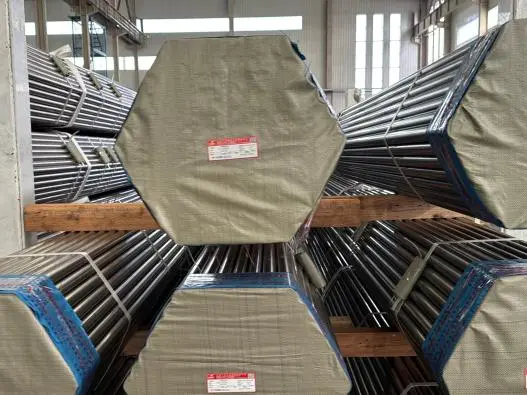
Packaging standards protect the integrity of pipes while they're being shipped. There are different types of packaging, such as wooden boxes, steel frames, hexagonal binding, and weave bags, each designed for a specific shipping method and handling conditions. When buyers plan to buy from overseas suppliers, they should keep these logistics in mind to make sure the materials arrive on time and undamaged, so construction doesn't get held up or costs go over budget.
Technical and Application Insights for Optimal Use
Industry Applications Leveraging TP304 Properties
Chemical processing plants use ASTM A358 Grade TP 304 CL2 Stainless Steel Pipes to move acids, alkalis, and solvents because they don't rust and keep equipment from getting contaminated. These pipes are used in power plants for steam lines, condensate systems, and cooling circuits that work at high temperatures and pressures. ASTM A358 Grade TP 304 CL2 Stainless Steel Pipe is the only material that petrochemical plants will use for process pipes that handle hydrocarbons and corrosive waste.
The electrical stability and cleanability of ASTM A358 Grade TP 304 CL2 Stainless Steel Pipe are used in new energy industries like making hydrogen tools, fuel cell systems, and batteries. The food and drink industries need sanitary-grade stainless steel pipes that don't let bacteria grow and can handle cleaning chemicals. ASTM A358 Grade TP 304 CL2 Stainless Steel Pipe meets these needs well. These different uses show how flexible the material is across many fields that put hygiene, safety, and dependability first.
Welding Techniques and Installation Best Practices
During manufacture, the corrosion protection and mechanical qualities of ASTM A358 Grade TP 304 CL2 Stainless Steel Pipe are maintained by using the right welding techniques. Gas tungsten arc welding (GTAW/TIG) makes strong connections with little heat, which lowers the risk of warping and sensitisation. Gases that shield, like argon, keep molten weld pools clean from airborne particles, which stops porosity and oxidation that weaken joints.
For heavy-wall pipes or uses with cyclic loads, a post-weld heat treatment may be needed to release residual stresses. Filler metals should have properties that are the same as or better than the base metal. For example, ER308L is often used for welding ASTM A358 Grade TP 304 CL2 Stainless Steel Pipe. Installation teams have to follow skilled welding methods, test without damaging the work as specified by the project, and write down weld maps so that they can be tracked. This makes sure that pipe systems meet the requirements of the design and government rules, and it also extends their useful life.
Maintenance Protocols for Long-Term Performance
Regular inspections find early signs of corrosion, mechanical damage, or system breakdowns before they happen. Visual inspections find problems on the surface, and regular ultrasound thickness readings keep track of wall loss in settings that are corrosive. Cleaning methods get rid of deposits and other things that could cause localised rust or stop fluid flow.
Keeping ASTM A358 Grade TP 304 CL2 Stainless Steel Pipes away from chloride, keeping fluid speeds at the right level to stop erosion-corrosion, and keeping operating temperatures within the material's limits all help equipment last longer. Keeping records of maintenance tasks, inspection results, and corrective actions helps with predictive maintenance plans and following the rules. These practices keep unexpected downtime to a minimum and get the most out of investments in piping systems.
Finalizing Your Purchase: Making the Right Choice
Aligning Pipe Properties with Project Requirements
For buying to go well, operating factors like fluid properties, temperature ranges, pressure ratings, and environmental conditions must be clearly defined. Engineering teams should use relevant piping codes to figure out the required wall thicknesses, choose the right ASTM A358 Grade TP 304 CL2 Stainless Steel Pipe based on how corrosion works, and set quality acceptance criteria that are in line with the project's risk profiles.
To find the best balance between performance needs and budget limits, you have to look at different materials, classes, and suppliers without sacrificing safety or dependability. Including makers early in the design process can lead to value engineering possibilities, such as finding the best pipe schedules, the most cost-effective ways to make things, or the most logical material grades. This way of working together leads to buying methods that get the best results within the budget.
Customization Options and Post-Sale Support
To meet the specific needs of each project, manufacturers like YOUFA offer customisation options such as non-standard sizes, special surface treatments, and custom packing. Technical support services include help choosing materials, creating welding procedures, and helping with on-site testing. These services add value above and beyond just supplying products.
Leading suppliers are different from commodity vendors because they offer after-sales support, such as warranty coverage, spare parts availability, and quick customer service. Building long-term relationships with dependable manufacturers ensures continuity across multiple projects, speeds up the buying process by using standard specifications, and encourages working together to solve technical problems. Over time, these relationships help projects succeed and make organisations run more smoothly.
Conclusion
When you decide to buy ASTM A358 Grade TP 304 CL2 Stainless Steel Pipe, you need to think about a lot of things, like the material's qualities, the supplier's skills, the cost, and the expert support. It is possible to make smart choices about how to balance cost and quality assurance when you know how pipe class names affect inspection requirements and joint savings. Checking a supplier's licenses, production capacity, and shipping options can lower the risks of purchasing materials and make sure that materials are available on time for the project. ASTM A358 Grade TP 304 CL2 Stainless Steel Pipe is useful for corrosive service environments because it can be used in many different industries, such as chemicals, power generation, and new energy. By strategically matching these factors during buying, you can get reliable piping systems that support operating excellence.
FAQ
What distinguishes Class 2 from Class 1 in ASTM A358 pipes?
ASTM A358 Grade TP 304 CL2 Stainless Steel Pipes Class 2 are double-welded with filler metal, but they don't need to be X-rayed. Class 1 pipes, on the other hand, have to be X-rayed all the way through. This difference has an effect on the joint efficiency factors and allowed design stresses. Class 1 has better ratings that are good for important uses. Class 2 is cheaper when there are design gaps that allow for slightly lower joint efficiencies without lowering safety.
How does heat treatment impact TP304 pipe performance?
Solution annealing breaks down the chromium carbides that are made when you weld, which restores the intergranular corrosion resistance that is needed in acidic environments. Rapid cooling stops carbide from reforming, so the material qualities stay the same across the whole pipe. According to ASTM A358, this step of heat treatment is required to make sure that ASTM A358 Grade TP 304 CL2 Stainless Steel Pipe works properly and doesn't rust while it is in service.
Which industries primarily use ASTM A358 TP304 CL2 pipes?
These lines are used in petroleum refining, chemical processing, power generation, and new fields like hydrogen production. Process pipes, steam lines, cooling systems, and fluid transport are all uses where resistance to corrosion, high pressure, and big diameters are important. Because the ASTM A358 Grade TP 304 CL2 Stainless Steel Pipe is a good mix of performance and cost, it can be used in a wide range of industrial settings.
Ready to Secure High-Quality Stainless Steel Piping for Your Project?
YOUFA is a reliable company that makes ASTM A358 Grade TP 304 CL2 Stainless Steel Pipe. They offer certified materials that are backed by ISO 9001, PED, and TÜV certifications. With 15 production lines and a yearly capacity of 50,000 tonnes, we can guarantee a steady supply with lead times as short as seven days to Tianjin Port. Your quality assurance needs are met by full paperwork sets that include MTC/MTR, WPS/PQR, and UT/RT reports. Our expert team creates custom solutions that improve performance and reduce costs for projects like new energy systems, chemical plants, or industrial pipes. Get in touch with us at info@youfass.com right away to get competitive prices, check stock, and get expert advice on your stainless steel piping needs.
Online Message