
Jul 10, 2026
What are common applications for ASTM A312 304 Stainless Steel Pipes?
ASTM A312 304 Stainless Steel Pipes are the backbone of many industries' fluid transportation systems because they are very strong, don't rust, and can be used in many different ways. These pipes are often used in places that need clean surfaces, reliable performance under pressure, long-lasting durability, and oil and gas infrastructure, as well as in food production facilities, pharmaceutical manufacturing facilities, gas infrastructure, power generation stations, and architectural projects. Their austenitic structure, which is made up of 18–20% chromium and 8–12% nickel, makes them resistant to rust and general corrosion. This makes them the best choice for a wide range of uses, from clean process lines to high-temperature steam systems in power plants and factories.
|
|
|
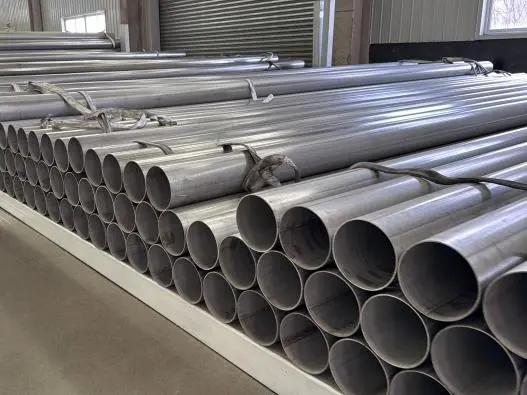
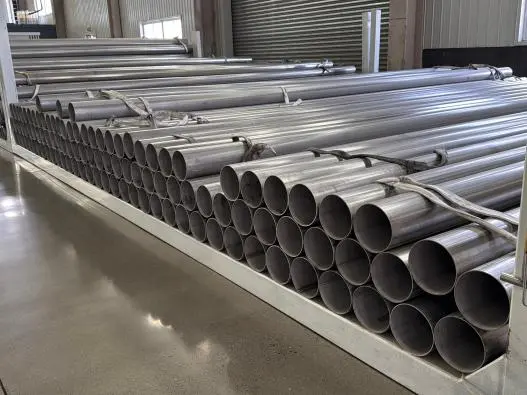
Introduction to ASTM A312 304 Stainless Steel Pipes
ASTM A312 specifies rules for austenitic stainless steel pipes that are seamless, straight-seam welded, and highly cold-worked and are made to work in high-temperature and generally corrosive settings. Grade 304 is unique in this standard because it has a balanced chemical makeup with controlled amounts of carbon (up to 0.08%), manganese (up to 2.00%), and minor elements that make it easier to bond and shape. This level of accuracy in the metalworking process means that it will always work well in tough industrial settings.
Manufacturing Excellence and Quality Assurance
Modern production sites use three main ways to make pipes that give them the best properties. When seamless pipes (SMLS) are hot extruded or cold drawn, they don't have any longitudinal weld joints. This makes them stronger for high-pressure uses. Welded pipes (WLD) use modern TIG or plasma arc welding methods to join precisely milled coil edges, which saves money when bigger diameters are needed. Heavily cold-worked types (HCW) go through more mechanical processing to get better tensile qualities and more accurate measurements.
Quality control starts with spectrographic study of the raw materials to make sure they meet the standards of ASTM A312/A312M-22 for alloy makeup. Solution annealing at temperatures above 1040°C (1900°F) followed by rapid water quenching stops the formation of chromium carbide, which could lower the resistance to rust in areas where metal has been bonded. Finishing the surface with pickling, bright annealing, electropolishing, or passivation not only makes it look better, but it also creates the protective chromium oxide layer that is needed for long-term rust protection. Heat treatment certifications, mill test results that meet EN10204 3.1/3.2 standards, and proof of non-destructive testing all help with tracking and making sure that regulations are followed.
Core Applications of ASTM A312 304 Stainless Steel Pipes
Grade 304 pipe is very useful because it can stay structurally sound and have a clean surface in a wide range of industrial settings. Knowing how materials are used in specific industries helps procurement workers match the qualities of materials to the needs of operations.
Chemical and Petrochemical Industries
Austenitic stainless steel pipes are used a lot in chemical processing plants to move acids, alkalis, and organic solvents. At normal temperatures and amounts, Grade 304 is very resistant to nitric acid, phosphoric acid solutions, and a lot of organic molecules. When temperatures hit 400°C, these pipes are used in distillation units for crude oil, catalytic cracking systems, and reforming processes at refineries. The material can handle repeated heating and cooling without becoming weak, which makes it perfect for heat exchangers and other process equipment that need to be heated and cooled many times. The pipes are resistant to stress corrosion cracking caused by hydrocarbons, which is good for petrochemical facilities, especially those that make ethylene and process polymers.
Food and Beverage Manufacturing
ASTM A312 304 Stainless Steel Pipes. In food processing plants, sanitary pipe systems need materials that don't let germs grow and don't react with chemical cleaners. When Grade 304 pipes are treated properly, they have a smooth, non-porous surface that meets FDA and 3-A Sanitary Standards for direct food contact. These pipes are used in dairy processing plants for lines that heat milk to a high temperature. The material can handle repeated temperature changes and strong alkaline cleaning solutions. Breweries and wineries like the lines because they don't change the taste of the product during fermentation, filtration, and packing. The material works well with high-temperature cleaning solutions, which helps clean-in-place (CIP) systems and cuts down on downtime between production runs. If you choose the electropolished finish, the surface will have a roughness number below 0.5 micrometers Ra. This will make it easier to clean thoroughly.
HVAC and Plumbing Systems
Stainless steel pipes are replacing copper and galvanized steel pipes more and more in building structures for distributing drinkable water. Grade 304 pipes don't rust when they come into contact with chlorine in city water sources, so there is no metallic taste transfer, and upkeep needs to be done less often. The structural stability of the material lets walls be thinner than with carbon steel options. This lowers the weight of installation and the cost of the materials. These pipes are used in business buildings for cold water loops, condensate return lines, and steam distribution networks by HVAC systems. The pipes' thermal conductivity makes it easy for heat to move through them while keeping their shape when the temperature changes. Coastal sites gain the most from the better resistance to atmospheric corrosion, since salty air speeds up the breakdown of most pipe materials.
Pharmaceutical and Biotechnology Sectors
Architectural and Structural Applications
More and more, exposed stainless steel pipes are used in modern buildings as both useful infrastructure and aesthetically pleasing design elements. The polished finish choices for Grade 304 make placements in business atriums, museums, and transportation hubs that stand out. The weather strength of the material makes it useful for exterior uses because it keeps its look without protective coatings or regular upkeep. The strength-to-weight ratio of the pipes is used in handrail systems, structural supports, and curtain wall anchoring. This lowers the loads on the base and meets building code standards. The material can be recycled, which meets LEED approval requirements and supports green building practices.
Comparison and Selection: ASTM A312 304 vs Alternatives for Specific Applications
To choose the best materials for pipes, you have to think about things like corrosion, weather, mechanical loads, and your budget. Knowing the pros and cons of Grade 304 and other specs helps people make smart decisions about what to buy.
Grade 304 vs 316: Chloride Resistance Considerations
The main difference between Grade 304 and Grade 316 stainless steels is the amount of molybdenum in them. Having more molybdenum makes the steel much more resistant to pitting and cavity rust caused by chloride. The higher price of Grade 316 pipes is usually worth it in marine settings, seaside sites, and chemical processes that use chloride. However, Grade 304 can still be used in freshwater systems that are deep underground, in non-industrial areas where it is exposed to the air, and in chemical processes that use acidic acids. When it comes to large-diameter pipe networks, cost becomes very important because Grade 316 is priced 30–50% higher than Grade 304 alternatives.
Low Carbon Variants: 304L and Weldability
ASTM A312 304 Stainless Steel Pipes in Grade 304L limit the amount of carbon to 0.030% or less. This keeps the metal from becoming sensitive during welding, which could lead to intergranular rust. This change makes it unnecessary to heat treat the welds after they are made, which is good for projects that involve a lot of fabrication and field welding. The slightly lower mechanical strength of Grade 304L (minimum tensile strength of 485 MPa compared to 515 MPa for normal Grade 304) doesn't have a big effect on piping uses because the design figures include a lot of safety factors. In corrosive conditions, long-term service dependability often outweighs the small loss of strength.
Seamless vs Welded: Structural Integrity Trade-offs
Seamless pipes have a regular grain structure and don't have longitudinal weld gaps, which makes them more reliable when they are under high temperatures and changing pressures. Seamless building is usually required for important uses like power plants, petroleum reactors, and high-pressure hydraulic systems. You can save money on welded pipes when they have sizes above NPS 12, and they work really well in static pressure situations where the weld quality is checked properly with X-rays or ultrasounds. When it comes to precision machining, seamless pipes are better because the wall thickness is more regular. On the other hand, welded pipes are better because they make it cheaper to make thin-wall tubes for heat exchangers.
Procurement Considerations for ASTM A312 304 Stainless Steel Pipes
To get materials for industrial pipes from around the world, you need to carefully evaluate suppliers, keep detailed records of quality, and coordinate transportation well. Strategic buying methods lower the risks of a project and get the best total cost of ownership.
Supplier Qualification and Certification Requirements
Manufacturers with a good reputation use ISO 9001 quality management systems to show that they have standardized production control and are always looking for ways to improve. European Pressure Equipment Directive (PED) approval shows that pressurized equipment sold in the EU meets safety guidelines. Independent laboratories that are accredited under ISO 17025 make sure that the tests they can do meet international standards for measurement. TÜV certification adds to the proof that the production method and the product itself are correct. It is important to look at more than just a supplier's certifications. You should also look at their production ability, shipping history, and technical support. Established companies that make more than 50,000 tons of goods a year usually keep a lot of supplies on hand so they can complete orders quickly. Smaller companies, on the other hand, may need longer wait times.
Quality Documentation and Material Traceability
The chemical make-up, mechanical properties, and heat treatment of each output lot are confirmed by mill test certificates (MTC) that meet EN10204 Type 3.1 or 3.2 standards. Independent confirmation of limits in dimensions, quality of surface finish, and non-destructive test results is provided by third-party inspection (TPI) services. Welding procedure specs (WPS) and procedure qualification records (PQR) list allowed fabrication methods and make sure that the integrity of the weld meets code requirements. Material process sheets (MPS) make it possible to track everything from receiving the raw materials to the final review. This helps with failure analysis studies if there are service problems. Ultrasonic testing (UT) and radiographic testing (RT) studies make sure that the inside is sound by finding problems below the surface that can't be seen with the naked eye.
Pricing Dynamics and Customization Options
There are 8–15% price cuts for buying in bulk compared to buying in small lots. This is especially true when getting regular sizes in schedule 10S or 40S wall thicknesses. Customization requests, such as non-standard widths, unique end preparations, or better surface finishes, usually come with extra costs of 10–25% on top of the standard price of the product. Price changes in stainless steel are affected by changes in the markets for nickel and chromium, so long-term supply deals help keep budgets stable. Different manufacturers have different minimum order amounts. Some are flexible and will take a single pipe order, while others need full production lot agreements.
Logistics and Delivery Planning
For ASTM A312 304 Stainless Steel Pipes, concerns about international shipping include making sure the packaging is strong enough to keep the surface from getting damaged during handling and transit. Polished surfaces are protected by wooden box crating that can be reinforced with steel, and normal mill finish goods are protected by hexagonal bunding that is covered in woven bags. Freight costs can be cut by using container optimization techniques and carefully calculating pipe lengths to get the most useful use out of them. From placing an order to receiving it at the port, the lead time ranges from seven days for items that are in stock at big suppliers to 45 to sixty days for items that are made to order and need to be scheduled for production. Asian makers use Tianjin Port in China as a major export hub because it has cheap ocean freight rates to North America and Europe.
Benefits and Performance Highlights of ASTM A312 304 Stainless Steel Pipes
A full analysis of material benefits looks at more than just the original purchase price. It also looks at performance over time, the need for upkeep, and how sustainable the product is for the environment.
Corrosion Resistance Across Multiple Environments
When Grade 304 surfaces are scratched or abraded, the chromium-rich inactive layer grows back on its own, protecting against rust. Exposure to the atmosphere in both cities and agricultural areas causes corrosion rates below 0.1 micrometers per year, which means that protective coverings are not needed. When the pH level is between 4 and 10, which is most of the time for city water supplies, freshwater systems don't experience much pitting damage. Industrial atmospheres with sulfur dioxide or nitrogen oxides need to be cleaned up from time to time, but they rarely damage structures. Stress corrosion cracking is not possible in chloride-free settings, which makes the material more reliable in thermal cycling uses.
Thermal and Mechanical Performance Characteristics
Grade 304, ASTM A312 304 Stainless Steel Pipes, is still strong enough to use at temperatures up to 870°C, but if it is exposed to temperatures above 425°C for a long time, carbides may form unless low-carbon versions meet the requirements. The material stays flexible at temperatures close to absolute zero, which is useful for cryogenic uses because carbon steels become rigid below -50°C. The coefficient of thermal expansion (17.2 x 10⁻⁶/°C) means that expansion joints need to be designed correctly in systems where temperatures change a lot. The mechanical qualities are improved by solution annealing, which achieves a minimum tensile strength of 515 MPa and a yield strength of 205 MPa. In the softened state, the austenitic structure stays nonmagnetic, which keeps magnetic interference from happening in sensitive instruments.
Lifecycle Cost Analysis and Maintenance Savings
When properly built systems have a service life of more than 30 years, the yearly capital costs are much lower than when materials need to be replaced more often. Maintenance times get longer because the lines don't get scaled, fouled, and rust products that block flow and make heat transfer less effective. When cleaning covered or metal items, less harsh chemicals and less work are needed compared to the other options. At the end of its useful life, salvage value is still high, and stainless steel scrap commands high prices in recycling markets. Total cost of ownership estimates always favor stainless steel in situations where the dependability and longevity of the system justifies the higher original cost of the material.
Environmental Compliance and Sustainability
The fact that stainless steel can be recycled over and over again without losing any of its quality is in line with the circular economy and business sustainability efforts. More and more recovered materials are being used in manufacturing processes; on average, 85% of post-consumer materials are used in the business. Volatile organic compound (VOC) emissions from painting or galvanizing are eliminated when protective coats are not used. End-of-life disposal doesn't create any toxic garbage, which makes the decommissioning process easier and lowers the environmental risk. LEED certification programs give points for selecting materials with recycled content, which helps business and educational building projects meet green building goals.
Conclusion
ASTM A312 304 Stainless Steel Pipes work well in many industrial settings where they need to be resistant to rust, have strong structures, and have clean surfaces. Their balanced chemical make-up and flexible manufacturing choices make them suitable for a wide range of uses, from clean food preparation lines to high-temperature petrochemical systems. The best results for a project are achieved by carefully choosing materials that take into account environmental factors, manufacturing needs, and total costs. Working with certified makers who offer thorough quality documentation and quick expert help makes the buying process easier and lowers the risks of the project. Because the material is sustainable and lasts longer, it is still being used in building projects that put environmental duty and lowering the total cost of ownership at the top of their list of priorities.
FAQ
Which industries most commonly specify ASTM A312 304 pipes?
The biggest groups of customers are chemical processing plants, food and drink factories, pharmaceutical plants, and oil companies. More and more, building services companies are using these lines for potable water systems in business buildings. They are used in feedwater and wastewater cleaning systems at power plants.
How does Grade 304 pricing compare to 316 variants?
Because it has less nickel and molybdenum, Grade 304 steel usually costs 30 to 40 percent less than Grade 316 steel. When the molybdenum market is unstable, the difference in prices gets bigger. To keep things from breaking down too soon, corrosion environment research should come before cost savings when choosing materials.
What certifications should buyers verify during procurement?
Documents that are necessary include ISO 9001 quality management approval, mill test results that meet EN10204 3.1 standards, and PED marking for use with pressure equipment. Additional confidence comes from TÜV inspection records and ISO 17025-approved lab test results. For manufactured parts, buyers should ask for welding process qualifications (WPQ).
Partner with YOUFA for Premium ASTM A312 304 Stainless Steel Pipes
Through our extensive production skills and quality control methods, Youfa Stainless Steel Pipe Co., Ltd. can meet all of your industrial piping needs with proven manufacturing excellence. Every year, our 15 production lines produce 50,000 tons, which helps with projects ranging from single-pipe prototypes to large-scale setups while keeping the purity of the materials. Our ISO 9001, PED, and TÜV-certified lab and ISO 17025-accredited shipments make sure that all of our products meet the requirements. We are a reliable provider for companies that make new energy, process chemicals, and provide building services. We offer full documentation, such as MTC/MTR certificates, ultrasonic testing reports, and custom welding method specs. You can talk to our expert team at info@youfass.com about your ASTM A312 304 Stainless Steel Pipes requirements, ask for material samples, or look through our collection of seamless and welded pipes that come in sizes from NPS 1/8" to NPS 48" and can be delivered to major ports within seven days.
Online Message