
Jul 15, 2026
What Are ASTM A312 TP347 347H Stainless Steel Pipes Used For?
When engineering teams face failures in high-temperature piping systems—cracks forming along weld lines, unexpected corrosion in heat exchangers—the root cause often traces back to material selection. ASTM A312 TP347 347H Stainless Steel Pipes address these critical vulnerabilities head-on. These niobium-stabilized austenitic grades prevent intergranular corrosion between 427°C and 815°C, solving sensitization problems that cripple standard stainless steels. TP347 delivers reliable corrosion resistance, while 347H—with its controlled higher carbon content of 0.04-0.10%—provides enhanced creep strength for sustained high-temperature service. Industries demanding safety, longevity, and performance in extreme thermal environments rely on these specialized piping solutions.
|
|
|
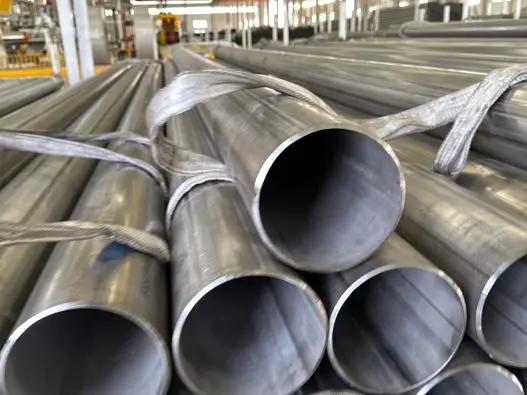
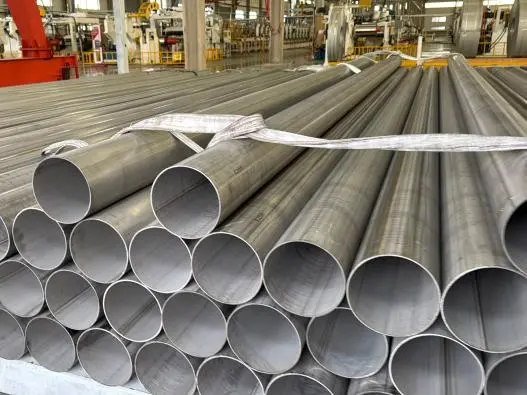
Understanding ASTM A312 TP347 and 347H Stainless Steel Pipes
Material composition defines performance boundaries. These grades contain 17-19% chromium and 9-13% nickel, forming the austenitic structure that maintains ductility across temperature extremes. The defining feature lies in their niobium and tantalum addition—mandated at no less than ten times the carbon content—which chemically binds carbon atoms before they can precipitate as chromium carbides at grain boundaries during welding or heat exposure.
Chemical Composition and Mechanical Properties
ASTM A312 TP347 347H Stainless Steel Pipes are distinguished by the contrast between TP347 and 347H, with the key difference centering on carbon control. While TP347 permits carbon content up to 0.08%, the 347H variant narrows and elevates this range to 0.04–0.10%, deliberately targeting higher carbon levels. This controlled composition translates into clear mechanical advantages: TP347H achieves a minimum tensile strength of 515 MPa and a yield strength of 205 MPa, maintaining substantially higher allowable stresses than austenitic grades like 304L when operating above 538°C. This mechanical resilience stems from the solution annealing process—heating pipes to a minimum of 1040°C followed by rapid water quenching—which locks in a homogeneous grain structure optimized for thermal cycling.
Manufacturing Standards and Dimensional Specifications
Typical Applications and Industry Use Cases
Real-world performance validates material selection. These stabilized stainless steel pipes excel where conventional grades fail, particularly in environments combining elevated temperatures with corrosive media.
Petrochemical and Oil Refining Operations
Hydrocracker units and fluid catalytic cracking systems using ASTM A312 TP347 347H Stainless Steel Pipes are subject to extreme conditions: high-pressure hydrogen environments coupled with temperatures exceeding 500°C. In these applications, the niobium stabilization prevents weld decay that would otherwise compromise pipe integrity within months. Refineries processing sour crude—with high sulfur content—rely on 347H's resistance to polythionic acid stress corrosion cracking during shutdown cycles when moisture condenses on hot surfaces.
Thermal Power Generation Facilities
Ultra-critical boilers demand materials that resist creep deformation over decades of continuous service. Superheater and reheater tubes fabricated from 347H leverage the grade's high creep rupture strength, maintaining dimensional stability through countless thermal cycles. The coarse-grain structure—typically ASTM E112 grain size No. 7 or coarser—enhances this creep resistance, making 347H the preferred choice for steam temperatures approaching 600°C, where other austenitic grades would gradually deform under stress.
Chemical Processing and Fertilizer Production
Comparison and Decision Making: TP347 vs 347H and Other Grades
Selecting between these grades requires understanding operational temperature profiles and expected service life. Material decisions made during project specification influence maintenance costs and safety margins for decades.
Performance Differences Between TP347 and 347H
Comparing TP347 with TP316L and TP321 Alternatives
Seamless versus Welded Pipe Considerations
Seamless pipes eliminate the longitudinal weld seam, providing uniform strength in all directions and simplified radiographic inspection. They represent the premium choice for critical pressure boundaries in nuclear, aerospace, and pharmaceutical applications where failure consequences are severe. Welded pipes offer cost advantages in large diameters and lighter wall schedules, with modern manufacturing techniques producing welds that match base material properties when properly heat-treated. Heavily cold-worked welded pipes combine the economy of welded construction with enhanced strength from mechanical processing, suitable for applications requiring higher pressure ratings without upgrading to heavier schedules.
Procurement and Supply Chain Insights for ASTM A312 TP347 & 347H Pipes
Strategic sourcing decisions impact project timelines, quality assurance, and total cost of ownership. Understanding market dynamics and supplier capabilities streamlines procurement while mitigating supply chain risks.
Pricing Dynamics and Order Quantities
Market pricing for ASTM A312 TP347 347H Stainless Steel Pipes reflects raw material costs, manufacturing complexity, and demand volatility in key consuming sectors. Niobium pricing—tied to global mining production concentrated in specific regions—introduces commodity risk that procurement teams must monitor. Our manufacturing scale enables competitive pricing even at minimum order quantities of single pipes, eliminating the inventory burden that forces smaller projects to accept premium pricing or compromise on material grades. Volume buyers benefit from negotiated pricing structures that recognize ongoing partnership value while maintaining the quality standards that protect long-term operational reliability.
Supplier Qualification and Certification Requirements
Quality assurance begins with supplier selection. ISO 9001 certification demonstrates systematic quality management, while PED (Pressure Equipment Directive) compliance confirms suitability for European installations. Our ISO 17025 accredited laboratory conducts in-house testing—chemical analysis, mechanical testing, intergranular corrosion resistance per ASTM A262 Practice E—eliminating dependence on third-party labs that introduce delays and coordination complexity. TÜV certification provides independent verification valued by engineering firms and end users requiring documented proof of specification compliance. We maintain full traceability from steel mill heat numbers through processing steps to final pipe marking, supporting the material test reports (MTR) and mill test certificates that form the permanent quality record for every project.
Logistics and International Delivery Considerations
Lead times significantly impact project schedules. Our 15 production lines processing 50,000 tons annually support expedited delivery—fastest turnaround reaches Tianjin Port within seven days for standard specifications held in ready inventory, including ASTM A312 TP347 347H Stainless Steel Pipes. International shipping requires coordination of export documentation, customs declarations, and compliance with destination country import regulations. We package pipes in wooden boxes with optional steel frames, using hexagonal binding and woven bags to prevent transit damage while meeting international shipping standards. Understanding incoterms and selecting appropriate delivery terms—FOB, CIF, or DDP—clarifies responsibility boundaries and cost allocation between supplier and buyer, preventing disputes that delay project commissioning.
How to Identify and Verify ASTM A312 TP347 & 347H Pipes
Material authentication of ASTM A312 TP347 347H Stainless Steel Pipes protects against specification substitution that compromises safety and performance. Implementing verification protocols at receiving inspection prevents non-conforming material from entering fabrication workflows.
Visual Identification and Standard Markings
Pipes arrive marked with essential identification: grade designation (TP347 or TP347H), specification standard (ASTM A312), schedule or wall thickness, heat number for traceability, and manufacturer identification. Markings should be legible, permanent, and located to remain visible after installation. Inspectors verify marking completeness against purchase order specifications before acceptance, rejecting shipments lacking proper identification that precludes reliable traceability.
Essential Documentation and Certificates
Every shipment of ASTM A312 TP347 347H Stainless Steel Pipes requires accompanying documentation. Material test reports—available in EN 10204 3.1 or 3.2 formats—document actual chemical composition and mechanical properties from tested samples representing the production heat. These reports include the solution annealing temperature recorded during heat treatment, confirming proper thermal processing. We provide welding procedure specifications (WPS) and procedure qualification records (PQR) when supplying welded pipes, demonstrating that fabrication parameters produce acceptable weld quality. Third-party inspection reports, when specified, add independent verification. Ultrasonic (UT) or radiographic (RT) testing reports document internal soundness, detecting manufacturing defects before pipes enter service, where failure consequences multiply exponentially.
Critical Testing and Inspection Methods
Receiving inspection should include positive material identification (PMI) using portable X-ray fluorescence analyzers to verify alloy composition, confirming niobium content meets the minimum threshold. Dimensional verification measures outside diameter, wall thickness, and length against specified tolerances. For applications involving intergranular corrosion risk, requesting ASTM A262 Practice E test results—demonstrating resistance to sensitization—provides critical assurance. Hydrostatic testing or non-destructive electric testing (eddy current or ultrasonic) verifies pressure boundary integrity without destroying test samples. Grain size determination, particularly relevant for 347H specified for high-temperature creep resistance, confirms the coarse-grain structure necessary for optimal elevated-temperature performance.
Conclusion
Selecting appropriate piping materials, such as ASTM A312 TP347 347H Stainless Steel Pipes, directly influences operational safety, maintenance costs, and asset longevity in demanding industrial environments. These niobium-stabilized austenitic grades solve the specific challenge of intergranular corrosion in welded high-temperature systems, protecting infrastructure investments worth millions while ensuring personnel safety. Understanding the metallurgical differences between TP347 and 347H, their performance advantages compared to alternative grades, and the verification methods that confirm specification compliance empowers procurement and engineering teams to make informed decisions aligned with project requirements and risk tolerance.
FAQ
Which industries rely most heavily on TP347 and 347H piping?
Petrochemical refineries, thermal power plants, chemical processing facilities, and aerospace manufacturers represent the primary consuming sectors. These industries operate equipment in the temperature range where carbon precipitation causes weld decay in unstabilized grades, making niobium stabilization essential rather than optional.
How should we choose between TP347 and TP347H for our application?
Temperature drives this decision. When continuous operating temperatures remain below 500°C, TP347 provides excellent corrosion resistance with superior weldability. Applications experiencing sustained temperatures above 500°C with constant pressure loading benefit from 347H's enhanced creep strength, justifying its slightly higher cost through extended service life.
What certifications must our supplier provide to ensure quality?
ISO 9001 confirms systematic quality management. PED compliance matters for European installations. ISO 17025 laboratory accreditation validates testing capabilities. Request material test reports with full chemical analysis, mechanical properties, and heat treatment records. TÜV or equivalent third-party certification adds independent verification valued in critical applications.
Can these grades perform in cryogenic service conditions?
TP347 and 347H retain excellent toughness at sub-zero temperatures, avoiding the brittle fracture that limits ferritic stainless steels in cryogenic applications. While these grades are metallurgically optimized for elevated temperature service, their austenitic structure maintains ductility across the temperature spectrum from cryogenic to extreme heat.
Partner with YOUFA for Reliable Stainless Steel Piping Solutions
YOUFA stands ready to support your next project with certified, high-performance niobium-stabilized stainless steel pipes manufactured to exacting ASTM A312 standards. Our 15 production lines deliver 50,000 tons annually, backed by ISO 9001, PED, and TÜV certifications, plus our ISO 17025-accredited laboratory ensuring every pipe meets specification requirements. We welcome inquiries from procurement managers, project engineers, and distributors seeking a dependable ASTM A312 TP347 347H Stainless Steel Pipes supplier offering competitive pricing, flexible minimum order quantities starting at a single pipe, and expedited delivery to meet aggressive project schedules. Contact our technical sales team at info@youfass.com to discuss your specific application requirements and receive detailed quotations tailored to your procurement needs.
Online Message