
Nov 16, 2026
Sourcing ASTM A249 Welded Stainless Steel Tubes for OEM Equipment
Sourcing ASTM A249 Welded Stainless Steel Tubes for OEM equipment starts with matching the standard, grade, size, and documents to your drawing. ASTM A249 covers welded austenitic steel tubes for boiler, superheater, heat-exchanger, and condenser service. Confirm the grade, outside diameter, wall thickness, length, delivery condition, testing, and certificates before you request a quote. Then check that the supplier can prove heat traceability and the production capacity behind those numbers. At YOUFA, we supply these tubes from 1/8" to 12" OD, and this guide walks through each step a buyer should follow.
|
|
|
ASTM A249 Welded Stainless Steel Tube Specifications Buyers Need to Verify
Check the model, grade, size, and paperwork to make sure they match the ASTM A249 Welded Stainless Steel Tubes before you buy them for OEM equipment. As long as they follow ASTM A249, welded austenitic steel tubes can be used in a boiler, condenser, heat exchanger, or superheater. Before you ask for a price, make sure you know the grade, the outside diameter, the wall thickness, the length, how it will be shipped, the exams that were done, and the certificates. If so, make sure the seller can really say they can track heat and make a lot of things. Step by step, this guide shows people how to buy these tubes, which have ODs from 1/8" to 12".
What does the standard cover?
ASTM A249 tells you how to join tubes made of austenitic steel in a boiler, superheater, heat exchanger, or condenser. There is no need for filling metal because the mill rolls the strip into a tube and welds the gap. First, either a hydraulic test or a nondestructive electrical test is done on each tube. This depends on the order. The standard number doesn't tell you much about a buy by itself because it can be met in various ways and levels. People who want to buy something should tell me about the grade, version, and anything else I need to know. When US OEMs add ASME Section II standards, PED may be added to projects that are going to Europe. Before you start making something, pick these things. Making changes after the fact costs time and money.
YOUFA Size and Grade Range
This is what we have to offer. Types include TP304, TP304L, TP316, TP316L, S31254, TP321, TP321H, TP317, and TP310. The walls can be on the outside and can be 3/8 inch to 12 inches (304.8 mm) wide and 0.015 inch to 0.320 inch thick. You can make it longer or shorter. For the normal distribution state, bright annealing can be used instead of solute annealing. In these ranges, you can find boiler tubes and heat exchanger tubes with round and square ends. We'll make sure that your grade, size, and wall mix look like the picture you send us.
Testing and Documents
The tube is just what it seems to be. The mechanical, eddy current, hydraulic, and MTC/MTR tests with a level of 3.1 or 3.2 can be provided to you. Our files can also include TPI, WPS/PQR, MPS, and UT/RT reports if a project needs them. The ISO 17025 mark is on our lab, and the ISO 9001, PED, and TÜV marks are on our factory. These records can be used to match each bundle to a test result and a heat number before the tubes are put together. You should get the list of papers early on so that you can have someone else look them over.
How to Select the Right ASTM A249 Grade and Compare It With Other Standards?
Matching Grade to Service Conditions
The grades depend on the type of fluid, the amount of salt in it, the temperature, the pressure, the number of times the heat is turned on and off, and the cleaning chemicals that are used. Both TP304 and TP304L are safe to use for many everyday jobs that are only slightly acidic. Since TP316 and TP316L have molybdenum in them, they are less likely to pit. This is why chemical and salt service like to use them. TP317 adds more molybdenum than TP316. TP321 and TP321H are stable because they contain titanium. This means they can be used in hot places. TP310, on the other hand, can take heat better because it has more chrome and nickel. Since S31254 has more molybdenum than TP316L, it works better in places with a lot of salt. It costs more to get a new cheap grade when the old one breaks down quickly. Talk to the person who is in charge of the things about it.
A249 Versus A269, A312, and Seamless Tubing
Some people who buy things think they can be used instead of each other, but they can't. This rule is for ASTM A249 Welded Stainless Steel Tubes. These tubes are used in heat exchangers, condensers, superheaters, and boilers. Tubes for general service are called A269, and pipes are called A312. In A213, we talk about smooth tubes. They are used for the same thing in both boilers and heat exchangers. As per the code, the design pressure needs to take into account the long weld. In a welded tube, this means that all of the walls can be the same thickness. This saves money. Before you start, look at the plan. Some building codes or customers still need smooth tubes. Before making any changes to the rules or the way things are done, you should write to your expert and get their OK.
Food and Hygienic Equipment Note
A249 is written on the part that moves the heat. Types like TP316L can be used in many clean places because they are austenitic. Still, ASTM A270 is often used to figure out what finish and tubing the healthcare equipment should be. Please use A249 for the part of your OEM skid that will hold cold drugs, drinks, or food. If your standard tells you to use A270 somewhere else, you should. Some OEMs like how bright annealing cleans the surface, but we don't offer it as a sign that it's clean. We'll tell you what we can do based on the finish you want.
A Step-by-Step Sourcing Process and RFQ Template for ASTM A249 Welded Stainless Steel Tubes
Start with the things you need. Write down the plan, the tools that will be used, the fluid, its temperature and pressure, the number and size of ASTM A249 Welded Stainless Steel Tubes, and what needs to be checked. OEMs usually make heat exchangers as part of bigger systems that are used in chemicals, new energy, cooling electronics, and medical technology. What kind of rust and how clean the system is depends on the system. If you give the seller a clear picture, they can give you a good price and quickly figure out if there are any price caps on how much they can make. Next, look at the history of each option when it comes to wait times, welding, heat treatment, testing, exporting, and lead-time record. Get rid of sellers who aren't ready before the sampling for this order starts. It saves weeks of work.
Define the Application First
You can compare prices once you have a full RFQ. I think these three kinds of facts should be added.
What to Put in the RFQ
- Technical details: A grade is something like ASTM A249 TP316L. The technical details include the ASTM version, the wall thickness, the length and tolerance, the shape (straight or U-bent), how the end will be made, how it will be shipped, and any other needs. When the drawing or tube is available, if you can, add it. It's a better way to show bend angles, limits, and fit-up needs than words alone.
- Testing and documents: You need to write down the type of license (MTC 3.1 or 3.2), any WPS/PQR or UT/RT results, and any hydraulic, eddy current, or other nondestructive tests you do on something when you test it. Someone else should also look it over. The provider should be told about the inspection times so they can plan their work. Also, this will make it easier for your quality team to get the records they need.
- Commercial terms: Commercial terms include the amount, the price, the Incoterm, the location, the packing, the date of delivery, the terms of payment, and the length of time the quote is good for. Ask for lead time too. One pipe is the least you can order from us, which is great if you need to make a few before a bigger release.
If you look at the quotes side by side, they all talk about the same thing.
Samples, Packaging, and Shipping
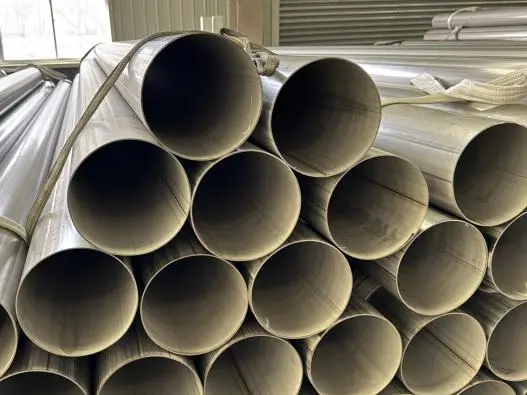
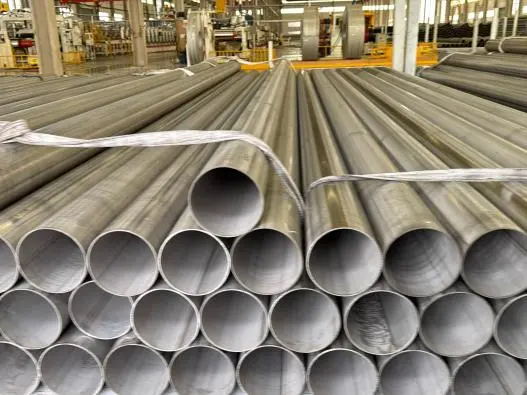
You should ask for first-article samples and agree on a time for the inspection if the job is important. If you want, you can add a steel frame to the wooden boxes that hold tubes. Hexagonal binding and woven bags protect the surfaces while they are being shipped. The fastest way for us to get your package to Tianjin Port is in 7 days. Make sure the date on the written price is correct. The lead time changes based on the level, size, number, and type of testing. Before they leave the plant, the cargo and the order are compared to make sure that the labels, sizes, and packing are correct.
How to Assess ASTM A249 Welded Tube Quality and Supplier Risk
People always do the same things wrong when they buy ASTM A249 Welded Stainless Steel Tubes. Prices aren't the only thing that people think about when they choose what to do. They will sign papers that don't show the minimum wall thickness or mix up the standards for the weld and the surface. In the long run, both can be bad. It is tougher to connect tubes to sheets when they are not all the same size. Weak welds can also make the pressure worse, and rust can happen faster if the surface is dirty. Things that are badly packed get scuffed and dented before they are even put together. Fill out the order form with all the information you need. When the boxes come, make sure that each item has its paperwork with it.
Common Sourcing Mistakes
Several mistakes repeat in tube purchasing. Buyers choose on price alone, confuse A249 with another standard, accept certificates without heat traceability, overlook minimum wall thickness, or forget to define weld and surface requirements. Each can cause trouble later. Uneven dimensions complicate tube-to-tubesheet fit-up, weak welds threaten pressure integrity, and surface contamination can speed corrosion. Damaged packaging adds scratches and dents before installation even starts. Write every requirement into the purchase order, then match each shipment to its documents on arrival.
Questions to Ask a Supplier
You might want to know about the testing tools, licenses, experience with shipping, and OEM uses in the past. What grades and sizes can be made? You could also ask how production is going. The business YOUFA began in 2017 and now has 15 lines that make 50,000 tons of goods each year. 211 people work for our Top 500 company in China. A certified maker will make sure that each batch is the same, that you can get custom sizes, and that you can keep better track of your goods than a reseller who hasn't been checked out. Ask each seller to show proof of every claim they make, like records, projects, and certificates. Then, look at what different sellers say and pick the one you trust.
When to Use Third-Party Inspection?
A third party should look over new sources, equipment that is very important for safety, big sales, and projects that need proof from PED, ASME, or someone else. There are ways to measure and mark things, look at buoyancy tests, and compare paperwork to heat numbers. They can be packed up and sent out if everything checks out fine. We back TPI and can offer MTC/MTR at the 3.2 level, which means it has been checked by a third party. Set the times, the company that will do the check, and the amount of work that will be done in the buy order so that the plan doesn't get pushed back.
ASTM A249 Tube Applications and Long-Term Supply Programs
Where OEMs Use These Tubes?
Coolers, heaters, evaporators, and condensers all use ASTM A249 Welded Stainless Steel Tubes. These things all move heat around in dangerous places. As the grade, wall thickness, quality of the weld, and measurements change, so can the way heat moves, the way pressure works, and how long something lasts. Less-thick walls help heat move around better, but they also make it harder for things to rust. They check the fluid and estimate how long it will last to find the best balance. Make sure the wall and grade you choose are right for the job by telling your provider about the site. Don't just pick what's in the catalog.
Custom Lengths and Surface Conditions
A lot of OEM parts need more than what most stores have on hand. There are straight tubes, U-shaped tubes, and tubes of different lengths. The tubes can be heated with either solution annealing or bright annealing. If you need a return path for a heat exchanger bundle, U-bends work well. When the widths are set, there is less cutting loss on the shop floor. Before you start making things, email us your plans early so that we can look over the limits, bend needs, and end conditions. Going over things early can save you from having to restart work, throw away parts, or wait for the tubes to arrive before putting them in.
Building a Long-Term Supply Program
When demand comes back, everything gets better. Before you hire a seller, make sure they have the right skills. Then, make sure there are clear written standards, tested samples, clear ways to check for problems, and a way to fix them if they happen. Planned releases, blanket orders, and safety stock are all ways to keep your production line safe when demand changes. Just looking at the price per kilogram isn't enough. What else should you think about? The amount of trash, the freight, the packing, the inspection, the risk of rejection, the downtime, and how often the parts need to be changed. People from both sides have named technical contacts, the RFQ templates are always the same, and changes to the documents are limited. This means that orders keep coming in.
Conclusion
When you buy something, you need more than the usual number of ASTM A249 Welded Stainless Steel Tubes. Pumps, heat exchangers, and boilers all use these tubes to move heat around. The grade is based on the temperature, pressure, and chemistry of the fluid, as well as how chlorine reacts with it. Any changes to A249 must be agreed upon by all engineers, as it is not the same as A269, A312, A213, or A270. There is less risk to quality and delivery when there is a full RFQ, clear tests and proof standards, and source checks on capacity, tracking, and inspection. Plus, having a third party check out big projects makes them even safer. You can pick from different lengths, U-bends, and finishes using the picture. You shouldn't just look at the price per unit when making long-term plans. You should also look at the total cost.
FAQ
What are ASTM A249 welded stainless steel tubes used for?
They are often used in heat exchangers, boilers, and condensers that need to move heat consistently.
Can A249 tubes replace ASTM A213 seamless tubes?
It is possible as long as the code allows tubes to be joined together and the design pressure takes into account the lengthwise weld. Before you do anything else, talk to the engineers.
Are ASTM A249 tubes corrosion resistant?
Some types of stainless steel don't rust or scale, even when they're very hot. Pick the grade based on the type of fluid, the temperature, and the amount of salt in it.
Do ASTM A249 tubes come with inspection certificates?
Yes. Here are the results of the hydraulic, eddy current, and mechanical tests that you can get from us. You can also get MTC/MTR papers at levels 3.1 or 3.2 from us.
Is ASTM A249 suitable for sanitary use?
A249 is for work that moves heat. It is most often used to find cleaning and finish standards (ASTM A270).
Request a Quote for ASTM A249 Welded Stainless Steel Tubes from YOUFA
Send YOUFA the item's grade, size, number, use, finish, where you need to be tested, and when you need it delivered. Our team will quickly look them over. We have 15 manufacturing lines, paperwork for MTC 3.1/3.2, ISO 9001, PED, and TÜV, and we can make ASTM A249 Welded Stainless Steel Tubes. Our MOQ is one pipe. We can handle orders of all sizes. Send an email to info@youfass.com or visit youfass.com to begin.
Online Message