
Jul 24, 2026
Premium ASTM A358 EFW Stainless Steel Pipes Manufacturer
When sourcing large-diameter piping for high-temperature and corrosive industrial environments, the choice of material and manufacturing process can determine project success or costly failure. ASTM A358 EFW Stainless Steel Pipes represent an engineered solution specifically designed for demanding applications where pressure integrity, corrosion resistance, and dimensional precision cannot be compromised. These electric fusion welded pipes combine the metallurgical advantages of austenitic stainless steel with rigorous manufacturing standards, offering an optimal balance between performance and cost-effectiveness for global B2B procurement.
|
|
|
Understanding ASTM A358 EFW Stainless Steel Pipes
What Defines the ASTM A358 Standard?
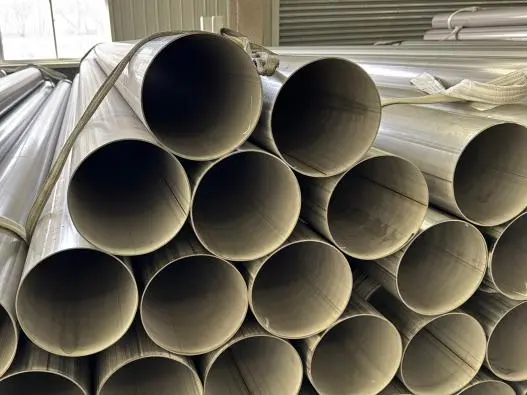
The ASTM A358 EFW Stainless Steel Pipes standard sets out all the rules for electric-fusion-welded austenitic chromium-nickel alloy steel pipe that is meant to be used at high temperatures and in general corrosive situations. In contrast to standard ERW methods, the EFW process uses plate material combined with the right filler metal to make longitudinal welds that must be X-rayed. As the outer diameter ranges from 114.3 mm to 2500 mm, this manufacturing method solves a major problem in the industry: how to make large-diameter piping that stays structurally sound under thermal stress? It also offers an alternative to seamless options for sizes where seamless production is too expensive or not possible technically.
Electric Fusion Welding Process Explained
When making industrial pipes, the EFW manufacturing method has clear benefits. Fabricators choose high-quality stainless steel plates that have the right chemical makeup. They then shape the plates into cylinders and use a controlled fusion welding process to join the edges. The method gives exact control over wall thickness, ranging from 3 mm to 50 mm, which ensures uniformity that has a direct effect on the ability to hold pressure. After welding, the material is usually subjected to solution annealing, a type of heat treatment that restores its rust resistance properties that the welding heat might have temporarily damaged. This step of heat processing is necessary to keep the metal properties of austenitic stainless steels that make them useful in corrosive settings.
Available Grades and Their Properties
The choice of material has a big effect on how well it works in certain working situations. Our production capabilities include the most common austenitic grades, each of which is designed to work in a certain setting. Both TP304 and 304L grades are very resistant to corrosion, but the L-grade is easier to weld because it has less carbon in it. The 316 and 316L types have molybdenum added to them, which makes them much more resistant to pitting and crevice rust caused by salt. This is very important in chemical processing and marine settings. For uses at higher temperatures, types 321 and 347 are better because they contain titanium and niobium, which act as stabilisers and stop intergranular rust when exposed to temperatures between 427°C and 816°C for a long time. The 309S and 310S grades are good at resisting rust at high temperatures, which means they can be used for furnace parts and heat treatment equipment.
Classification System and Quality Levels
ASTM A358 divides pipes into five separate classes, named Class 1 through Class 5. Each class is defined by the type of welding used and the level of inspection. Class 1 pipes are welded twice with filler metal and then go through a full X-ray examination. This gives the highest level of quality assurance and joint efficiency factors that are close to 1.0. Class 2 keeps double welding but lowers the number of radiographic standards. This is done to balance quality and cost for uses that aren't as important. When talking about buying something, it's important to know about these categories because they have a direct effect on the allowed stress values, testing requirements, and, in the end, project costs. Professionals in procurement need to make sure that the class selection matches the actual service conditions. They need to avoid both over-specification, which drives up costs, and under-specification, which lowers safety margins.
Comparing ASTM A358 EFW Pipes with Alternatives
EFW Versus Seamless Stainless Steel Pipes
There are many technical and business reasons to choose between welded and seamless construction. Some engineers think that seamless pipes are better because they don't have any weld gaps and can be made by extrusion or drilling. The truth is more complicated. It's not possible to use seamless production for very large diameters because the maximum diameter that can be made is usually 24 inches, and the costs go up a lot beyond 16 inches. With EFW construction, sizes larger than 2500 mm are possible, and the wall thickness limit stays the same along the length of the pipe. The EFW process converts plate stock with less waste than the material-intensive seamless methods, making it a better way to use materials. When produced correctly, with full radiographic inspection and the right heat treatment, EFW pipes have the same mechanical qualities and corrosion protection as seamless pipes, but they are much cheaper and can be made faster for large diameters.
ASTM A358 Compared to A312 Welded Pipes
Both standards cover welded stainless steel pipe, but they are used for different types of tasks. ASTM A312 includes pipe that is seamless, welded, or highly cold-worked and is mostly used for general corrosive service. Most of the time, the pipe is less than 24 inches in diameter. The specification allows a lot of different welding methods to work, like TIG and plasma arc. The ASTM A358 EFW Stainless Steel Pipes standard is specifically for EFW construction that uses filler metal. It requires that the steel be heated and has stricter inspection rules so that it can work under pressure in hot environments. Higher design pressures can be directly supported by the thicker walls that are possible under A358—up to 50 mm compared to A312's focus on smaller walls. Chemical processing plants that work with strong acids or bases at high temperatures usually ask for A358 material. Building services and pharmaceutical clean utilities, on the other hand, prefer A312 pipe.
Performance Against Carbon Steel Options
Carbon steel options like API 5L line pipe or standard ERW carbon steel pipe are often compared to stainless steel in industrial projects. Carbon steel is easier to find and costs less than other materials, which makes it a good choice for jobs with limited funds. When life-cycle costs are taken into account, the calculation changes in a big way. Corrosion is the main way that industrial pipe systems fail. Carbon steel needs special coatings, cathodic protection, or corrosion limits that make upkeep more difficult and complicated. The passive chromium oxide layer in austenitic stainless steel protects against corrosion without any extra protection. This means that coating maintenance cycles are not needed, and the steel's service life is often measured in decades instead of years. Temperature capability is another way to tell the materials apart. Above 400°C, carbon steel's mechanical properties start to break down significantly, but austenitic stainless grades keep their strength well into the 800°C range, which makes them indispensable in high-temperature process applications.
Advantages and Applications of ASTM A358 EFW Stainless Steel Pipes
Core Performance Benefits
These ASTM A358 EFW Stainless Steel Pipes are the best choice for demanding industry areas because they have a number of technical benefits. The chromium-nickel matrix protects against oxidising acids, alkaline solutions, and atmospheric exposure, making corrosion resistance the most important factor. The EFW process has better physical consistency than other ways of making things because it keeps tight limits on ovality, wall thickness variation, and straightness. These are all things that have a direct effect on how well the system works and how quickly it can be installed. Cost efficiency is especially important for large-diameter uses where seamless pipe is not cost-effective. Because chemistry can be changed during plate production, material features can be changed to fit specific service conditions. This is harder to do with seamless pipe drawing processes. When qualified welding methods are used and full non-destructive testing is done, the weld joint integrity has mechanical qualities that are the same as or greater than the strength of the base material.
Industrial Applications and Service Environments
Because of its technical features, EFW stainless steel pipe meets the needs of many high-value industry areas. These lines are used by oil and gas companies in refinery process units, which are very corrosive places because hydrocarbons mix with sulphur chemicals and water. When chosen correctly and heated, the material is resistant to hydrogen embrittlement, which is especially helpful for hydroprocessing units that work with high-pressure hydrogen at high temperatures. Pipes made of stainless steel are used in chemical processing plants to move concentrated acids, caustic solutions, and organic solvents. Any rust, even a small amount, could contaminate product lines or put workers at risk. Main steam lines, condensate return systems, and flue gas handling are all uses in power generation where changing temperatures and corrosive combustion products make materials last longer than they should. Liquefied natural gas stations use large-diameter stainless steel pipe for cryogenic service because austenitic steel stays flexible at temperatures below -196°C, while carbon steel becomes dangerously brittle at those temperatures.
Quality Assurance and Testing Protocols
Buying with confidence depends on quality control measures that can be checked at every stage of production. Before production starts, our facilities follow strict inspection processes that start with checking the chemical make-up and mechanical qualities of the raw materials to make sure they meet grade standards. As the part is being made, it is checked for regular wall thickness and width tolerance compliance using dimensional checks. The welding process is constantly watched over by experienced welders who follow the rules for an approved welding method. Non-destructive testing is the most important part of quality assurance. A 100% radiographic or ultrasonic examination of the longitudinal weld seam finds any internal breaks that could weaken the pressure integrity. Pressure-bearing capacity is checked under water, usually at 1.5 times the design pressure, to make sure there are no leaks. The tensile strength, yield strength, and elongation characteristics of the weld samples that were tested mechanically meet the basic requirements. Composition compliance is checked by chemical tests of both the parent material and the weld deposits. This multi-level inspection method gives written proof that the pipe that was shipped will work reliably in tough service circumstances.
Procurement Guide for ASTM A358 EFW Stainless Steel Pipes
Evaluating Manufacturer Capabilities
Choosing the right manufacturing partner for ASTM A358 EFW Stainless Steel Pipes has a big effect on how the project turns out, so it's important to do your research during the sourcing process. Production capacity is an important factor to think about. Manufacturers with multiple production lines and high annual output, like those that process 50,000 tonnes a year, show that they are technically capable and have a stable business. Certification portfolios are objective proof of quality management systems. For example, ISO 9001 certification shows that quality processes are organised. For equipment sold in Europe, it's now required to have industry-specific certificates like PED (Pressure Equipment Directive) compliance. Accreditation of a lab under ISO 17025 makes sure that tests are accurate and that test results are recognised around the world. In addition to certifications, you should look into the manufacturer's technical skills, such as whether they have qualified welding processes for your specific material grades and wall thicknesses, whether they offer engineering support for customising dimensions, and how long they've been in business in your industry. Case studies and references from clients can help you understand performance history and customer satisfaction.
Understanding Pricing and Order Processes
There are a lot of factors that affect the price of stainless steel pipes that procurement professionals need to know about in order to make accurate budgets and compare suppliers. The prices of base materials change with the world markets for nickel and chromium. Because it contains more molybdenum, 316-grade material costs more than 304-grade material. The price is greatly affected by the thickness of the wall, since bigger walls need more materials and take longer to build. The cost of a pipe depends on its class because of the tests that must be done on it. Class 1 pipes cost more because they need to be x-rayed 100% of the time. The unit price is affected by the number of orders because the costs of setting up the welding procedure and tools are spread out over the total number of orders. Different manufacturers have different minimum order amounts. We can work with projects that start with just one pipe, but bulk orders naturally get better prices. Different surface finish options cost more to process, such as pickled and annealed or solution annealed. End preparation needs, like bevelled ends ready for welding in the field, raise the cost of machining. When you compare quotes from different sources, make sure that the specs are exactly the same. Small differences in testing requirements or documentation can hide big differences in value.
Documentation and Compliance Requirements
Full paperwork gives buyers who care about quality the tracking and verification they need. There are two types of Material Test Certificates that meet the EN 10204 standard: 3.1 certificates are given by the manufacturer's inspection department, and 3.2 certificates are checked by independent inspectors. These papers keep track of heat numbers, chemical makeup analyses, mechanical test results, and ensure that the product meets the requirements of the order. The welding factors have been tried and shown to be right for the job, as shown by the Welding Procedure Specifications and Procedure Qualification Records. Radiographic or ultrasonic examination results are written down in non-destructive testing reports, which usually include film interpretation and defect evaluation according to ASME standards. The results and parameters of the pressure test are confirmed by the hydrostatic test reports. Manufacturing Process Sheets keep track of forming operations, welding settings, heat treatment cycles, and checking stages so that the production process can be tracked. For high-stakes situations, third-party inspection records are very important, and independent inspection agencies watch the production and tests. We keep full paperwork packages easily accessible in digital form, which makes regulatory reports and project documentation needs easier to meet.
Logistics and Delivery Considerations
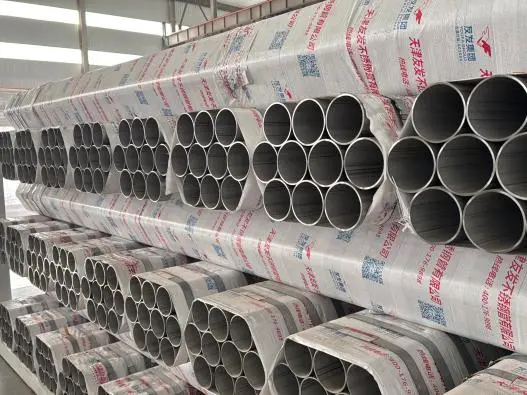
Coordinating manufacturing, export procedures, international shipping, and customs clearance are all parts of global procurement. Lead times depend on the details of the order and the schedule for production. Usually, normal specifications ship within two weeks, while custom measurements may take four to six weeks. Because our site is close to Tianjin Port, we can ship containers or break-bulk quickly and efficiently, with important projects being able to load at the port within seven days. The way items are packed protects them while they are being shipped across international borders. For example, wooden crates protect the structure, hexagonal binding keeps individual lines together, and woven bags keep the surface from getting damaged by water or wear and tear. Export paperwork includes commercial invoices, packing lists, certificates of origin, and material test reports. It is all made to make it easier for customs officials in the destination country to clear the goods. Knowing the rules for the country where the goods are going helps avoid delays that cost a lot of money. For example, some markets need special testing or approval that should be taken care of during production instead of being found out at customs. Depending on the Incoterms deal, the maker, the buyer, or a third-party logistics provider can coordinate freight forwarding. Making clear who is responsible for what keeps things simple while tracking shipments.
Why Choose a Premium ASTM A358 EFW Stainless Steel Pipes Manufacturer?
Manufacturing Excellence and Technology
Advanced production skills set elite makers apart from commodity sellers in ways that have a direct effect on the quality of the product and the success of the project. Modern making equipment makes sure that the thickness and roundness of the ASTM A358 EFW Stainless Steel Pipes are exactly the same throughout their length, so there are no differences in size that make fitting harder in the field. When you use an automated welding system, the heat input and penetration depth are always the same. This makes the weld properties uniform, which is impossible to do by hand. Computer-controlled heat treatment ovens keep exact temperature profiles during the heating and cooling cycle. This makes sure that the solution annealing process is complete, which restores the resistance to corrosion. With spectrometers, tension testing machines, and non-destructive testing tools in-house testing labs, quality checks can be done in real time without having to rely on outside sources. YOUFA's decision to buy 15 separate production lines shows that they are committed to having enough capacity and skills to handle both large-scale contracts and quick turnaround times for urgent needs. This investment in infrastructure means shorter wait times, uniform quality, and the ability to adapt to changes in specifications that smaller producers can't handle as well.
Certification Portfolio and Compliance
Because international quality standards and industry-specific rules are so complicated, a manufacturer's certification status is a very important factor in the evaluation process. ISO 9001 certification is a basic guarantee of quality management processes, but the quality of implementation varies a lot between companies that have it. PED approval lets you sell pressure equipment in Europe by showing that you follow important safety rules and conformity assessment processes. TÜV approval is a German independent technical proof that is known around the world for its high quality standards. The ISO 17025 laboratory approval makes sure that the testing center is qualified and that measurements are correct. This makes sure that test results meet the standards for international acceptance. In addition to general certifications, approvals from classification societies or end-user prequalification programs that are specific to the industry show that the product is suitable for specific uses. We keep our licenses up to date for these standards, and regular surveillance checks make sure that we are always following the rules, not just getting them once. With this level of approval, we can go straight to projects that need a proven quality pedigree without having to wait for more qualification time.
Customer-Centric Service Approach
Technical skills aren't enough on their own; they need to be backed up by responsive service that helps customers succeed throughout the entire procurement and application lifecycle. Our process starts with application engineering support, which means getting to know your specific service conditions, design pressures, temperature ranges, and corrosive media in order to suggest the best grade and pipe class. Customisation options go beyond what's shown in the catalogue; they can also accommodate unique measurements, lengths that aren't standard, and end preparations that fit your installation needs. We know that project deadlines can come up out of the blue, so we keep a stock of popular specs and can speed up production schedules for urgent needs. We pay extra attention to making sure the documentation is good because we know that project documentation packages need to please a lot of people, from tech teams to regulatory bodies. Technical help after delivery answers questions about installation, gives advice on how to weld field joints, and fixes any service problems that come up. Partnerships are different from simple transactional supply relationships because they have a full support structure.
Proven Track Record Across Industries
Having experience in a variety of industrial settings helps you avoid making mistakes when writing specifications and choose the best materials for new projects. Our client base includes companies in the new energy sector. For example, we've provided pipes for electrolysis systems that make hydrogen and need to be very resistant to corrosion in alkaline settings. Customers in the chemical processing industry depend on our material for concentrated acid transfer lines. In these lines, small changes in the composition could speed up the rate of corrosion. Our pipe has been used in power generation projects in heat recovery steam turbines that have to work in harsh thermal cycling situations. Battery factories in the automotive industry use our pipes for cooling and process fluid systems where high-purity materials are needed to keep pollution to a minimum. Because they work in different industries, our engineers see all kinds of application problems and learn how to solve them. This helps every new customer by giving them good advice and tried-and-true answers. We don't just make things according to specifications; we work with you to make sure that the specifications themselves best meet your needs.
Conclusion
To choose the best stainless steel piping option, you have to think about technical needs, quality guarantee, cost, and how reliable the provider is. ASTM A358 EFW Stainless Steel Pipes have been tested and shown to work well in the toughest industrial settings. This is possible thanks to carefully planned manufacturing methods, strict quality control, and material properties that keep their strength at high and low temperatures and last for decades. The decision to buy includes more than just the product specifications. It also includes the manufacturer's skills, certifications, documentation methods, and service commitment. Premium providers stand out by having the ability to produce, test, provide responsive technical support, and have knowledge in the field that leads to project success.
FAQ
What differentiates Class 1 from other ASTM A358 pipe classes?
The ASTM A358 specification says that Class 1 is the highest quality level. It requires two layers of welding with filler metal and a full X-ray examination of the longitudinal weld seam. This mix gives the best joint efficiency and load-bearing capacity, so it can be used in important service situations where failure would have serious effects. Lower classes lessen the number of inspections that need to be done or allow building with only one weld, giving up some quality control for lower costs in uses that aren't as strict.
Can EFW pipes replace seamless pipe in my application?
For most uses, EFW construction works just as well as seamless pipe, especially when the diameters are too big for seamless manufacturing to work. When made correctly, with a full X-ray inspection and the right heat treatment, EFW weld joints have the same mechanical properties as the base material. Specific service conditions, design codes, and client specifications should be taken into account when making the decision. However, modern EFW technology has grown to be used in areas that were once only possible with seamless construction.
How do I verify pipe quality before shipment?
To fully check the quality of a product, you need to look at its chemical composition and mechanical properties on test certificates, check the weld's integrity on radiographic or ultrasonic test reports, look over the documentation for hydrostatic tests, and compare the measurements to the ones on the purchase order. Independent verification is provided by third-party inspection, in which inspectors watch testing take place and look over documentation packages before approving shipment.
Partner with YOUFA for Reliable Stainless Steel Piping Solutions
YOUFA can meet all of your industrial plumbing needs with high-quality welded ASTM A358 EFW Stainless Steel Pipes that are made to strict standards. We are a Top 500 Chinese company with 15 specialised production lines that can make 50,000 tonnes of goods every year. Our focus on quality is shown by our ISO 9001, PED, TÜV, and ISO 17025 approvals. Our engineering team can help you choose the best materials and specs for your project, whether it needs corrosion-resistant pipes for chemical handling, pipes that can handle high temperatures for power generation, or pipes with a large diameter for infrastructure uses. We can handle orders for anything from a single pipe to a shipment of several containers. Our documentation packages include MTC/MTR certificates, records of the welding process, and full non-destructive testing reports. Get in touch with us at info@youfass.com to talk about your needs with a qualified ASTM A358 EFW Stainless Steel Pipes supplier who is dedicated to the success of your project.
Online Message