
Jul 20, 2026
Manufacturing Process of ASTM A312 GR TP316L Stainless Steel Pipes
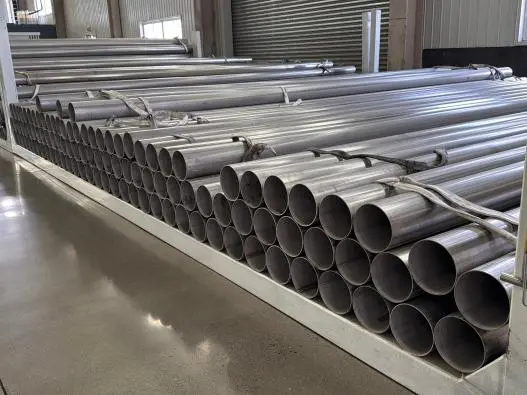
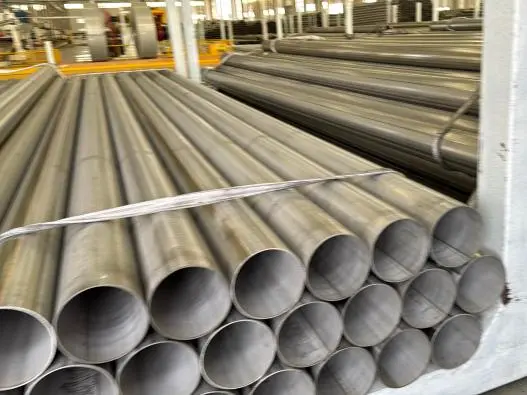
The manufacturing process of ASTM A312 GR TP316L Stainless Steel Pipes involves precision-controlled stages from raw material selection through final inspection. These pipes are produced via seamless extrusion or welded techniques, followed by solution annealing at a minimum of 1040°C and rapid water quenching. The low-carbon chemistry (≤0.035% C) combined with 16-18% chromium, 10-14% nickel, and 2-3% molybdenum ensures superior weldability and resistance to intergranular corrosion. Rigorous quality control, including hydrostatic testing, ultrasonic inspection, and positive material identification, guarantees compliance with ASTM A312/A312M-22 standards for critical industrial applications.
|
|
|
Understanding ASTM A312 GR TP316L Stainless Steel Pipes
When procurement teams evaluate piping solutions for corrosive environments, they need materials that deliver consistent performance across decades of service. TP316L represents the low-carbon variant of the classic 316 austenitic stainless steel family, engineered specifically to eliminate sensitization risks during fabrication and welding operations.
Chemical Composition and Its Impact on Performance
Carbon restriction to a maximum of 0.035%—versus 0.08% in standard 316 grade—prevents carbide precipitation at grain boundaries during thermal cycling. This eliminates weld decay, a failure mode that has historically plagued heavy-gauge welded assemblies in high-temperature service. The nitrogen content, typically 0.10% maximum, contributes to strength without compromising ductility.
Mechanical Properties That Matter in Real-World Service
The ASTM A312 standard mandates minimum mechanical thresholds that translate directly to operational reliability. Tensile strength must reach at least 485 MPa (70 ksi), while yield strength starts at 170 MPa (25 ksi). These values provide substantial safety margins in pressurized systems. Elongation requirements of 35% minimum in 2-inch gauge length confirm the material's ability to absorb shock loads and tolerate stress concentrations around fittings and supports.
At YOUFA, we consistently ensure that ASTM A312 GR TP316L Stainless Steel Pipes achieve mechanical properties exceeding these minimums through controlled rolling practices and optimized heat treatment cycles. Our ISO 17025-accredited laboratory verifies every production lot, ensuring that material certificates reflect actual performance rather than nominal specifications.
Dimensional Standards and Tolerance Control
Pipe dimensions span from NPS 1/8" through NPS 48" (DN6 to DN1200), covering the full spectrum from instrumentation tubing to large-diameter process headers. Wall thickness schedules range from 5S through XXS, with tolerance bands of +15% to +22.5% on the positive side and -12.5% on the negative side per ASTM A312 requirements. These generous positive tolerances provide corrosion allowances that extend service life, while the negative tolerance ensures adequate pressure rating retention.
Step-by-Step Manufacturing Process of TP316L Pipes
The transformation from raw stainless steel to finished pipe involves multiple interdependent stages, each contributing to final product integrity. Understanding these steps helps procurement professionals appreciate the value embedded in quality manufacturing.
Raw Material Selection and Incoming Quality Control
Manufacturing excellence begins at the steel mill. We source prime austenitic stainless steel in the form of ASTM A312 GR TP316L Stainless Steel Pipes from certified mills that maintain strict control over tramp elements like sulfur and phosphorus, which can compromise corrosion resistance. Incoming billets and coils undergo spectrographic analysis using optical emission spectroscopy to verify chemistry matches the TP316L specification before entering production.
Heat-specific documentation traces each batch from the electric arc furnace through argon-oxygen decarburization refining. This traceability becomes critical when assembling Mill Test Certificates to EN 10204 Type 3.1 or 3.2 standards, which downstream fabricators and end-users require for code compliance and liability protection.
Seamless Pipe Production Methods
Seamless manufacturing eliminates the longitudinal weld seam, offering uniform circumferential properties particularly valued in high-cycle fatigue applications and extreme pressure services.
Cold pilger mills provide the final sizing for smaller diameters, using reciprocating dies and mandrels to achieve tight tolerances and improved surface finish. The mechanical work introduced during cold pilgering increases tensile strength, which must subsequently be normalized through annealing to restore ductility and remove residual stresses.
Welded Pipe Production Techniques
Welded pipe manufacturing offers economic advantages for larger diameters and thinner walls while meeting identical performance standards when properly executed.
Heavily cold-worked welded pipe represents a specialized category within ASTM A312, subjected to additional cold reduction after welding to enhance strength and refine grain structure. This process requires careful control to avoid excessive work hardening that could compromise formability during installation.
Solution Annealing and Rapid Quenching
Heat treatment constitutes the most critical phase for achieving corrosion resistance and mechanical properties. Pipes enter continuous annealing furnaces where protective atmospheres prevent surface oxidation. Temperature climbs to a minimum of 1040°C (1900°F), sufficient to dissolve any carbides that formed during prior processing and homogenize the austenitic matrix.
At our facility, automated quench systems ensure uniform cooling rates across the entire pipe length. This eliminates the soft spots and hard zones that plague manual operations, delivering consistent mechanical properties from end to end.
Surface Finishing Operations
For ASTM A312 GR TP316L Stainless Steel Pipes, surface condition affects both corrosion resistance and aesthetic appeal. Standard pickled finish results from immersing pipes in mixed nitric and hydrofluoric acid baths, which remove heat tint and embedded iron contamination from forming operations. The resulting matte gray surface provides excellent paint adhesion and reveals surface imperfections for quality screening.
Bright annealing combines controlled atmosphere heat treatment with mechanical polishing, yielding a reflective silver finish preferred in pharmaceutical and food processing applications. This finish minimizes surface roughness where bacterial colonization could occur, supporting sanitation protocols.
Passivation treatments immerse finished pipes in nitric acid solutions that dissolve free iron while promoting the formation of a thickened chromium oxide layer. This enhances the natural passive film, providing additional margin against pitting initiation in storage and early service.
Non-Destructive Testing and Quality Verification
Every pipe undergoes rigorous inspection before shipment authorization. Hydrostatic testing pressurizes each piece to levels exceeding rated working pressure, typically 1.5 times the design pressure, holding for specified durations to reveal leaks or structural weaknesses. Automated systems monitor pressure decay rates, ensuring no defects compromise pressure boundary integrity.
Dimensional verification using laser micrometers confirms outside diameter, wall thickness, and ovality remain within specification tolerances. Statistical process control charts track measurement data, triggering process adjustments before dimensional drift produces nonconforming product.
Positive material identification using handheld X-ray fluorescence analyzers spot-checks chemistry on finished pipes, catching any mix-ups between grades that visual inspection cannot distinguish. This final verification protects against costly field failures from material substitution errors.
Comparison and Selection Criteria for TP316L Pipes in Procurement
TP316L Versus TP304/304L
The molybdenum content separates these two workhorse grades. TP304L contains no molybdenum, relying solely on chromium and nickel for corrosion protection. This makes it suitable for mildly corrosive environments like potable water systems and architectural applications. When chlorides exceed 100 ppm or reducing acids enter the process stream, TP304L exhibits premature pitting and crevice attack.
TP316L Versus Higher Alloys Like TP321 and TP347
TP321 and TP347 grades incorporate titanium and niobium, respectively, as stabilizing elements that tie up carbon, preventing chromium carbide precipitation. These grades target high-temperature service above 425°C, where even low-carbon grades may experience sensitization during prolonged exposure.
For applications below 425°C, TP316L's low carbon chemistry provides equivalent intergranular corrosion resistance without the added cost of stabilizing elements. The molybdenum in TP316L also delivers superior aqueous corrosion resistance compared to the stabilized grades. Selection between these grades hinges on whether thermal cycling above 425°C occurs regularly or whether room-temperature chemical resistance drives material choice.
Procurement Metrics That Drive Decision Quality
Beyond metallurgical considerations, practical procurement factors influence supplier selection and material specification.
Minimum order quantities affect inventory carrying costs and project scheduling flexibility. At YOUFA, our MOQ of just one pipe accommodates prototype development and small repair projects without forcing customers into excessive stock commitments. This flexibility proves particularly valuable for new energy companies developing prototype fuel cell stacks or electrolysis systems where initial volumes remain modest.
Lead times from order placement through port delivery of ASTM A312 GR TP316L Stainless Steel Pipes impact project critical paths. Our 15 production lines running at 50,000 tons annual capacity, combined with a strategic inventory of popular sizes, enable delivery to Tianjin Port within seven days for standard configurations. This responsiveness helps contractors maintain construction schedules when design changes or field modifications require material additions.
Certification documentation completeness determines whether the material clears customs inspection and satisfies code authorities. Comprehensive packages including Mill Test Reports, third-party inspection certificates, Welding Procedure Specifications, Procedure Qualification Records, and non-destructive testing reports eliminate approval delays. Our ISO 9001, PED, and TÜV certifications, backed by an ISO 17025-accredited laboratory, provide the documentation trail that major projects demand.
Quality Assurance and Certification in TP316L Pipe Manufacturing
Robust quality systems separate manufacturers who merely claim compliance from those who deliver verified performance. Understanding what certifications mean and which tests matter helps buyers distinguish marketing claims from meaningful guarantees.
ASTM A312 Compliance Testing Requirements
For ASTM A312 GR TP316L Stainless Steel Pipes, the ASTM A312 specification mandates specific tests that verify material suitability for pressure service. Chemical analysis confirms alloy composition falls within grade limits, with particular attention to carbon, chromium, nickel, and molybdenum content. Tensile testing measures ultimate strength, yield strength, and elongation on specimens cut from finished pipes. Flattening tests for welded pipe assess weld ductility by compressing sections between parallel plates until opposite walls meet, checking for cracks or separations.
Intergranular corrosion testing according to ASTM A262 Practice E (Strauss Test) exposes specimens to boiling copper sulfate solution with copper turnings for multiple 24-hour periods. This accelerated test reveals whether sensitization occurred during manufacturing, which could lead to catastrophic grain boundary attack in service. Passing this test confirms that the low-carbon chemistry effectively prevents carbide precipitation.
Hydrostatic or electric testing subjects every pipe to pressure or electromagnetic examination, catching defects that sampling plans might miss. This 100% inspection philosophy contrasts with structural steel approaches that accept lot-based sampling, reflecting the higher consequences of failure in pressure piping systems.
Global Certification Standards and Audit Processes
ISO 9001 certification demonstrates implementation of quality management systems covering design control, document management, purchasing, production control, inspection, and corrective action. Certification bodies conduct regular surveillance audits, verifying procedures remain current and followed consistently.
Pressure Equipment Directive (PED) compliance becomes mandatory for pressure-bearing components sold into European markets, including ASTM A312 GR TP316L Stainless Steel Pipes. PED certification requires design review by notified bodies, material traceability to European Norms, and witness testing of critical properties. TÜV certification provides similar third-party verification recognized globally, particularly in Germany and industries following German engineering standards.
Laboratory accreditation to ISO 17025 certifies that testing facilities maintain calibrated equipment, validated methods, trained personnel, and documented procedures that ensure measurement accuracy and traceability to national standards. This accreditation level exceeds basic ISO 9001 requirements, providing additional confidence in reported test data.
Evaluating Supplier Reliability Beyond Certifications
Certifications establish baseline capability, but operational factors determine whether a supplier partnership succeeds long-term.
Production capacity relative to order size indicates whether your project receives priority attention or competes for resources with larger customers. Our 50,000-ton annual capacity across 15 production lines provides sufficient scale to handle major infrastructure projects while maintaining flexibility for smaller specialty orders.
Geographic logistics affect total landed costs and delivery reliability. Direct access to Tianjin Port reduces inland transportation complexity for overseas buyers, while our wooden box packaging with optional steel frames and hexagonal binding protects pipes during container shipping and prevents damage that could delay project commissioning.
After-sales technical support becomes critical when installation questions arise or unexpected service conditions require material performance validation. Our team of metallurgists and application engineers assists customers with welding procedure development, corrosion troubleshooting, and fitness-for-service evaluations throughout the product lifecycle.
Practical Applications and Welding Guidelines for TP316L Pipes
Industry Applications Leveraging TP316L Advantages
Chemical processing plants rely on TP316L for sulfuric acid concentrator tubing, acetic acid transfer lines, and phosphoric acid systems where molybdenum content prevents localized corrosion. The pharmaceutical industry specifies this grade for water-for-injection systems and clean-in-place circuits where the low carbon content prevents contamination from corroding weld zones.
Offshore oil platforms are subject to salt spray, hydrogen sulfide, and cyclic loading from wave action. TP316L's combination of chloride resistance, strength, and toughness addresses these simultaneous challenges. Power generation facilities use the grade in flue gas desulfurization systems where the scrubber environment combines acidity, chlorides, and elevated temperatures.
New energy applications represent rapidly growing demand drivers for ASTM A312 GR TP316L Stainless Steel Pipes. Fuel cell manufacturers require TP316L for bipolar plate cooling circuits and hydrogen recirculation piping where purity and corrosion resistance directly affect stack performance and longevity. Electrolysis system builders specify the grade for brine handling and chlorine-containing streams in chlor-alkali production.
Welding Best Practices for Maintaining Corrosion Resistance
Although the low carbon content minimizes sensitization risk, proper welding techniques remain essential for achieving corrosion-resistant joints.
Gas tungsten arc welding (GTAG/TIG) using matching ER316L filler metal provides the highest weld quality with minimal heat input and narrow heat-affected zones. Argon backing gas prevents oxidation on the root pass interior, maintaining the passive chromium oxide layer throughout the joint. Interpass temperature control below 150°C prevents excessive grain growth that could reduce corrosion resistance.
Gas metal arc welding (GMAW/MIG) offers higher deposition rates for production welding of thicker walls, using ER316L wire and argon-carbon dioxide shielding mixtures. Pulsed spray transfer modes reduce spatter and heat input compared to short-circuit transfer, improving mechanical properties and appearance.
Welding procedure specifications should mandate low-hydrogen electrodes if shielded metal arc welding occurs in field conditions. Preheat generally proves unnecessary for austenitic stainless steels, although base metal temperatures below 0°C warrant mild preheating to prevent condensation and hydrogen pickup.
ASTM A312 GR TP316L Stainless Steel Pipes typically do not require post-weld heat treatment due to their non-hardening characteristics and superior resistance to sensitization. When specified for stress relief or code compliance, temperatures between 870–900°C, followed by rapid cooling,g restore optimal corrosion resistance without risk of carbide precipitation.
Installation and Handling Considerations
Proper storage prevents contamination that undermines corrosion resistance. Stainless steel pipes should remain segregated from carbon steel to avoid iron contamination through contact or rust runoff. Storage racks should use rubber or plastic spacers rather than bare steel supports.
Cutting operations should employ dedicated stainless steel saw blades or abrasive wheels to prevent iron particle embedding. Threading requires sharp dies and cutting oils formulated for stainless steel to avoid galling and work hardening that complicates assembly.
Field handling procedures should prohibit dragging pipes across carbon steel surfaces or using carbon steel wire rope slings directly against pipe surfaces. These precautions prevent surface iron contamination that could initiate pitting even in the corrosion-resistant TP316L substrate.
Conclusion
Manufacturing ASTM A312 GR TP316L Stainless Steel Pipes demands precise control over chemistry, forming processes, heat treatment, and quality verification. The low-carbon austenitic composition delivers exceptional weldability and corrosion resistance across diverse industrial applications from chemical processing through new energy systems. Seamless and welded production methods, when coupled with solution annealing and rigorous testing, produce pipes meeting stringent dimensional and mechanical requirements. Procurement success requires evaluating not just material specifications but supplier capabilities in quality assurance, logistics, and technical support. YOUFA's integrated manufacturing approach, backed by comprehensive certifications and responsive delivery, positions us as a reliable ASTM A312 GR TP316L stainless steel pipes supplier for demanding industrial applications worldwide.
FAQ
Why choose TP316L over standard TP316 for chemical plant piping?
TP316L's reduced carbon content (0.035% max versus 0.08%) eliminates intergranular corrosion risk in welded assemblies without post-weld heat treatment. This saves fabrication costs while ensuring long-term reliability in corrosive chemical environments where weld decay could cause catastrophic failures.
How can buyers verify the authenticity of TP316L material quality?
Request Mill Test Certificates with heat-specific chemistry showing carbon content below 0.030%, along with mechanical test results. Insist on third-party inspection reports from agencies like TÜV or Lloyd's Register. Upon delivery, conduct positive material identification using XRF analyzers to confirm molybdenum content matches documentation.
What are typical production lead times and minimum order quantities?
Standard configurations in popular sizes like NPS 2" through NPS 12" with Schedule 10S or 40S walls typically ship within 7-14 days from established manufacturers maintaining inventory. Custom sizes require 4-6 weeks for production scheduling, material processing, and quality testing. Minimum quantities vary by supplier; YOUFA accommodates orders starting at just one pipe, supporting prototype development and maintenance requirements without forcing excessive inventory commitments that strain working capital.
Partner With YOUFA for Certified TP316L Pipe Solutions
YOUFA stands ready to support your next project with high-integrity ASTM A312 GR TP316L Stainless Steel Pipes manufactured under rigorous quality protocols. Our ISO 9001, PED, and TÜV certifications, combined with ISO 17025 laboratory accreditation, ensure every pipe meets specification requirements backed by comprehensive documentation. With 15 production lines, 50,000-ton annual capacity, and expedited seven-day delivery to Tianjin Port, we balance manufacturing scale with order flexibility starting at just one pipe. Whether you're designing fuel cell stacks, chemical processing systems, or pharmaceutical clean utilities, our technical team provides application support from material selection through installation guidance. Contact YOUFA today at info@youfass.com to discuss your specific requirements and receive detailed quotations. As a trusted ASTM A312 GR TP316L stainless steel pipes manufacturer, we deliver the quality, documentation, and reliability your critical applications demand.
Online Message