
Nov 2, 2026
Is EN 10217-7 1.4307 tc1 Welded Steel Pipe Suitable for Hygienic Industrial Piping Projects?
Yes — EN 10217-7 1.4307 TC1 welded steel pipe is well-suited for hygienic industrial piping projects. This pipe grade is the low-carbon variant of 304L stainless steel (X2CrNi18-9), with a maximum carbon content of 0.03%. That low carbon level prevents chromium carbide precipitation at weld zones, directly addressing the intergranular corrosion risk that disqualifies many standard pipe grades from sanitary service. Combined with Test Category 1 (TC1) inspection protocols and a tensile strength range of 470–670 MPa, this material meets the structural and cleanability demands of food processing, pharmaceutical, and chemical piping systems.
|
|
|
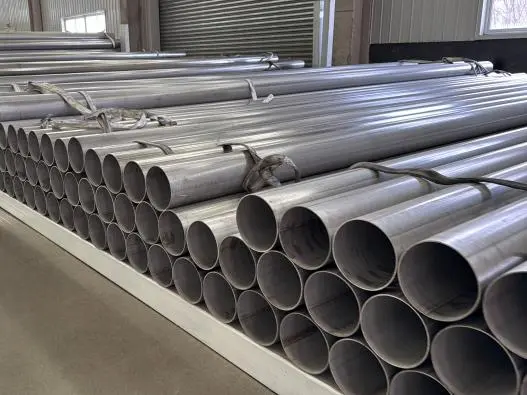
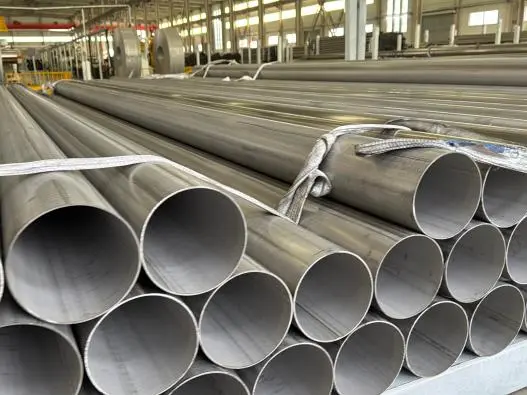
Understanding EN 10217-7 1.4307 TC1 Welded Steel Pipe
What the Standard Covers?
Pressure tubes made of EN 10217-7 1.4307 TC1 Welded Steel Pipe must follow a European standard called EN 10217-7. It has a list of material grades, size differences that are okay, test requirements, and ways to get certified. When it comes to steel, "1.4307" is the same as AISI 304L, and "TC1" is the name of the strictest inspection level. At this level, you have to use eddy current or hydraulic methods to do longitudinal tension tests, flattening or drift expansion tests, and leak tightness tests.
Chemical Composition and Corrosion Resistance
The pipe is stable and made up of austenitic steel with 17.5% to 19.5% chromium and 8.0% to 10% nickel. Oxidizing acids and general corrosion don't hurt this structure at all. It is one of a kind because it has a carbon ceiling of 0.03%. Welding doesn't cause sensitization because the carbon level is this low. This is an area where normal 304 grades often fail. When lines that process milk and drinks use CIP (Clean-in-Place) chemicals, this is made possible.
Mechanical Properties and Durability
The pulling power of 1.4307 TC1 pipe is between 470 and 670 MPa, and it can only stretch 45%. This means it can handle loads that change over time and some mechanical stress well. Because it has an austenitic microstructure, it stays tough even at very low temperatures. This is useful for cold-chain processing and some uses in chemical plants. When engineers test these things along with the TC1 weld seam, they get a standard performance that they can use to see how different production runs compare.
Hygienic Requirements in Industrial Piping Systems
ISO and Industry Standards for Sanitary Piping
To make sure that the pipes used in medicine, food, and pharmaceuticals are clean, groups like ISO 2037, ASME BPE (Bioprocessing Equipment), and EHEDG issue guidelines. The rules for surface roughness (usually Ra ≤ 0.8 µm for places that touch the product), rust protection, and the quality of the welds are written in these papers. EN 10217-7 1.4307 TC1 Welded Steel Pipe can be electropolished and mechanically polished to the right level of smoothness, so these frameworks can be used with it.
Cleanability and Microbial Contamination Control
Soil that is smooth and doesn't have any holes in it can't hold biofilm. When the EN 10217-7 1.4307 tc1 Welded Steel Pipe grade is made with a W1 (bright annealed or pickled) surface finish, the base is smooth, so bacteria can't stick to it during CIP cycles. After being cleaned, its chromium oxide passive layer grows back quickly, giving it chemical resistance again without any other treatment. This is helpful in places that need to clean a lot, like breweries or drug factories that need to make sure all their drugs are safe.
Comparing 1.4307 with 1.4404 and 1.4301
When buying, teams see this straight grade comparison; it's easy for them to make the right choice:
- 1.4307 (304L equivalent): 304L is the same thing but has less carbon, better resistance to corrosion, a low price, and is preferred where chloride exposure is moderate and CIP cleaning happens. It works with most food and medicine pipes.
- 1.4404 (316L equivalent): It has 2–3% molybdenum, which makes it much less likely to crack in places with a lot of salt, like seawater. For saltwater or strong cleaners, you should use more expensive materials.
- 1.4301 (304 equivalent): more carbon than 1.4307 and less resistance to corrosion in the weld zone. Good enough for runs that aren't welded, but not great enough when it's important to keep things clean after welding.
In the U.S. market, EN 10217-7 1.4307 TC1 Welded Steel Pipe is a good choice for most clean industrial piping projects because it meets legal and operational needs without being as expensive as 316L.
Applications of EN 10217-7 1.4307 TC1 in Hygienic Industries
Food and Beverage Processing
Automation in dairy and beer needs surfaces that are easy to clean and welds that are strong so that they can work for a long time. The EN 10217-7 1.4307 TC1 Welded Steel Pipe grade has been used in systems that move beer, pasteurize milk, and process juice. These systems use organic acids and enzymes that clean the pipe. For TC1 approval, every pipe that leaves the plant is checked for leaks. This is something that food safety auditors look for when they go through the papers for a facility.
Pharmaceutical and Bioprocessing Systems
Companies that make medicines and follow FDA 21 CFR and EU GMP rules need pipe materials that can be cleaned in tried-and-true ways. The low carbon content of 1.4307 stops post-weld sensitization. This means that CIP processes that have been tested will continue to work as long as the equipment is being used. Often, ASME BPE projects in the U.S. need this grade and the insides of tubes to be electropolished to meet hygiene standards for making APIs and cell culture systems.
Chemical Processing and Water Treatment
In chemical processes, 1.4307 TC1 pipe is used to move organic acids and cool water in circuits that need to protect against corrosion. Municipalities also use this grade for projects that desalinate and filter water. This is because it has standard pressure ratings under PED 2014/68/EU, which makes it easy for system designers to pick the right pipe sizes. It can be put in place in the field for large-diameter runs when building water treatment plants because it can be welded.
Procurement Considerations for EN 10217-7 1.4307 TC1 Welded Steel Pipe
Supplier Evaluation and Certification Requirements
Making sure you buy this kind of EN 10217-7 1.4307 TC1 Welded Steel Pipe from a reputable company will protect your project from materials that don't meet standards. People who want to buy something should ask for EN 10204 3.1 inspection papers. These show the results of the NDT checks, chemical and heat analysis, and mechanical tests. They should also be able to show that they are ISO 9001 certified and keep track of all the materials from the melt to the finished pipe. People from other countries who want to sell their goods in the U.S. should know how to use ASTM cross-reference paperwork when they need two different kinds of approval to follow U.S. law.
Pricing, MOQ, and Lead Times
How much EN 10217-7 1.4307 TC1 Welded Steel Pipe costs depends on how thick the wall is, how big the outside diameter is, and what kind of finish you give it. Standard production runs take between 3 and 6 weeks to complete for most mill orders. The smallest amount that can be ordered is as little as 1 metric ton for normal sizes and as much as the project needs for special sizes. If someone wants to put in a cleaning system, they should ask the provider if they can meet their normal lead time window for special surface finishes like electropolishing or polishing to a Ra of less than 0.8 µm.
Documentation and After-Sales Support
The project is less likely to fail when all the paperwork for buying things is finished. Providers who are professionals offer more than just the 3.1 mill license. They also give reports on dimensional inspections, records of hydrostatic or eddy current tests, and packing lists that match certificate numbers to the items that are shipped. Help with things like how to weld or questions about materials from installation teams after the sale is a good way to tell if a seller will be dependable in the long run.
Technical Support and Best Practices for Hygienic Piping Projects
Welding Techniques for 1.4307 TC1
To make clean EN 10217-7 1.4307 TC1 Welded Steel Pipe, most people use TIG (GTAW) welding and argon gas to clean the weld face and inside the tube. Because 1.4307 has little carbon in it, it is less likely to cause heat-affected zone sensitization. It is still important to keep the temperature between passes below 150°C so that the weld seam doesn't rust. Some places that work with drugs and food use orbital welding systems because they make weld patterns inside the panels that are smooth and uniform, so they can be cleaned with CIP.
Installation Recommendations
Pipes should not touch carbon steel, be near grinding sparks, or be contaminated with iron particles while they are being installed. These all have the power to hurt the inactive layer and cause rust to begin. Use stainless steel tools and store the system in a clean area to keep the surface in good shape before putting it into service. All pipe supports should be made of stainless steel or something else that isn't metal to stop galvanic rusting where the pipes touch.
Post-Weld Treatment and Surface Care
Cleaning and passivation should be done after welding to restore the chromium oxide film that is not active across the heat-affected area. When electropolished after dissolving, the surface roughness drops below 0.8 µm Ra, which makes it easier to clean in the long run. When applying for food and drugs, these steps must be taken. They are part of the validated installation qualification (IQ) processes that officials look at when they check out the facility.
Conclusion
EN 10217-7 1.4307 TC1 Welded Steel Pipe meets most of the requirements for clean industrial pipes. Its low carbon chemistry stops weld-zone sensitization, TC1 testing shows that the seam is solid, and it works with both CIP and electropolishing for a smooth finish. This type of pipe has been tried and tested and has been shown to work well in food processing plants, chemical plants, and drug companies. European pressure equipment directives back up how well it works. Engineers and buying managers can use it to make sanitary pipe systems that will last for a long time if they buy it from a licensed seller with the right paperwork.
FAQ
Is 1.4307 TC1 pipe approved for pharmaceutical piping under FDA requirements?
If you want to know if EN 10217-7 1.4307 TC1 Welded Steel Pipe can be used in pharmaceutical pipes, read this article. It is called low-carbon 304L stainless steel, and it is used a lot in places that the FDA controls. To meet FDA standards, the whole system has to be planned out, right down to the finish on the outside, the strength of the joints, and proof that it has been cleaned. You order electropolished 1.4307 TC1 pipe with orbital welding and the right passivation to meet the needs of ASME BPE and FDA 21 CFR Part 211. Always check with the approval team at your building to make sure everything is okay.
How does 1.4307 compare to 1.4404 for food processing piping?
What is the difference between cooking pipe sizes 1.4307 and 1.4404? You can use both types for most food tasks. Molybdenum has been added to the 1.4404 (316L) grade to make it less likely to get chloride pits. It is important to do this if you clean with strong chlorine-based items or work with things that are high in salt. The 1.4307 method works well for regular CIP with mild acid or alkaline cleaners, and it costs less to make.
What certifications should I request when purchasing this pipe?
Ask for an EN 10204 3.1 inspection certificate at the very least. Check to see if the provider can offer dual ASTM certification (A312 TP304L cross-reference) for jobs in the US. When people buy medicines, they should also make sure that the pipe meets the ASME BPE surface finish standards and that the seller can show them records of measurements and NDT tests for each heat lot.
Partner with YOUFA for Your EN 10217-7 1.4307 TC1 Pipe Supply
Since 2017, Youfa Stainless Steel Pipe Co., Ltd. has had 15 lines running, making 50,000 tons of stainless steel pipe each year. If you need EN 10217-7 1.4307 TC1 Welded Steel Pipe, you can count on us. We have EN 10204 3.1 certification, full material traceability, and technical support from the time you ask for it until it's installed. Send our team an email at info@youfass.com or visit youfass.com to get a quote on your project.
Online Message