
Aug 11, 2026
How to Select ASTM A358 304L Welded Steel Pipe Suppliers for Large Projects?
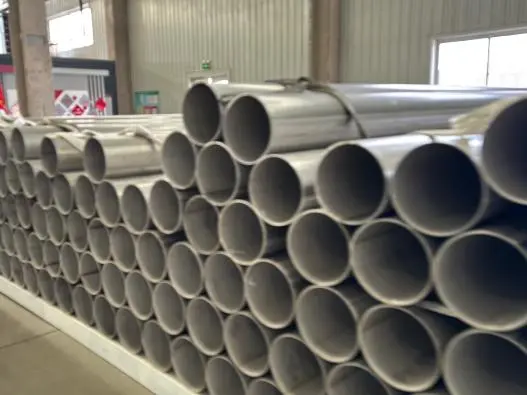
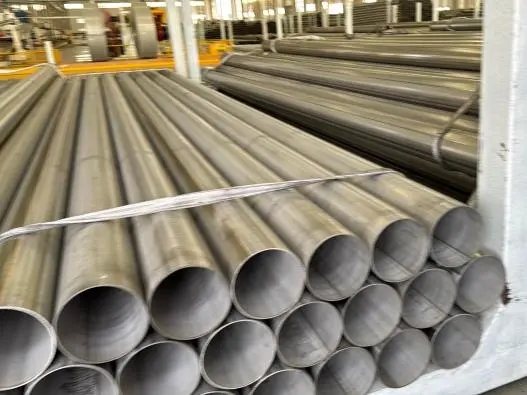
Selecting the right supplier for large-diameter electric fusion welded (EFW) stainless steel pipes demands careful evaluation of technical competence, quality assurance, and delivery reliability. When sourcing ASTM A358 304L Welded Steel Pipe for industrial projects—whether for chemical processing plants, power generation facilities, or new energy applications—procurement professionals must prioritize suppliers with proven manufacturing capabilities, rigorous certification standards, and transparent supply chain management. The low-carbon variant 304L offers exceptional weld-zone corrosion resistance, making it ideal for heavy-duty applications where sensitization poses risks. Understanding key supplier selection criteria ensures project success while mitigating costly delays and quality failures.
|
|
|
Understanding ASTM A358 304L Welded Steel Pipes
Material Properties and Advantages
The ASTM A358 304L Welded Steel Pipe specification includes the 304L grade, which is a low-carbon version of the standard 304 austenitic stainless steel. The highest amount of carbon in this material is 0.030%, which stops carbide from forming during welding and slow cooling. This feature solves a very important problem in the making of big pipes, where long cooling times could weaken the resistance to rust in the areas that are exposed to heat.
When you mix 18–20% chromium with 8–12% nickel, you get strong protection against oxidising acids, alkaline solutions, and many industrial chemicals. A typical tensile strength is at least 515 MPa, and a typical yield strength is at least 205 MPa. These mechanical properties don't change much when the temperature changes, which is common in places like chemical processing and power generation.
Standard Dimensions and Manufacturing Process
ASTM A358 says that electric fusion welded pipes can have outside sizes ranging from 114.3 mm to 2500 mm and wall thicknesses ranging from 3 mm to 50 mm. This range of sizes is for uses where making smooth pipes is either too expensive or not possible technically. In the process of making EFW, steel plate is shaped into cylinders and then the lengthwise sides are joined using automatic fusion welding with filler metal added.
Surface surfaces can be pickled and annealed or solution annealed, based on the need for corrosion protection and how the metal looks. End finishes can be plain or bevelled to make welding easier in the field during installation. Because pipes come in a range of sizes and finishes, engineers can choose pipes that meet the exact needs of their projects without sacrificing the integrity of the material.
Industrial Applications Across Sectors
These lines are used in chemical processing plants to move toxic substances like acids, caustics, and organic solvents. The inactive chromium oxide layer on the material keeps growing back, providing shield protection even when exposed to harsh chemicals. Power companies use 304L welded pipe for cooling circuits, feedwater lines, and wastewater return systems so that chloride stress corrosion cracking doesn't happen.
More and more, these pipes are being used by the new energy industry in facilities that make hydrogen. This is especially true in electrolysis systems, where rust resistance directly affects how well the system works and how long it lasts. Pharmaceutical and food preparation plants like how easy it is to clean and how well it meets hygiene standards. These pipes are used in petrochemical refineries to handle hydrocarbons and intermediate chemical compounds at high temperatures and pressures as part of their process piping networks.
Core Criteria for Selecting Suppliers
Certification and Quality Management Systems
Suppliers that are trustworthy keep a full portfolio of certifications that show they meet international quality standards. When a company has ISO 9001 certification, it means that they follow set quality management procedures for design, production, and customer service. Pipes going to European markets or projects that follow EU safety rules must now comply with the PED (Pressure Equipment Directive).
Organisations like TÜV offer third-party verification, which is an independent check of the manufacturing process and the conformity of the product. An ISO 17025 certified lab makes sure that testing methods meet precision and dependability standards that are known around the world. These certifications aren't just pieces of paper; they're part of systematic quality control methods that lower the number of defects and make sure that products always work the same way.
The supplier's ability to provide documentation shows how skilled and technically sound they are. Material Test Certificates (MTC) that meet the requirements of EN 10204 3.1 or 3.2 standards show the results of chemical makeup analysis, mechanical property proof, and dimensional inspection. Procedure Qualification Records (PQR) and Welding Procedure Specifications (WPS) show approved ways to weld. Third-party inspection (TPI) reports are an independent way to make sure that a product is compliant before it is shipped.
Manufacturing Capacity and Technical Expertise
Size of production has a direct effect on how reliably deliveries happen and how competitive prices are. Suppliers with more than one production line and a yearly output of more than 50,000 tonnes show that they have invested in their infrastructure and are stable in their operations. With this ability, they can handle a lot of projects without rushing to finish them or taking resources away from other responsibilities.
Engineering support skills show that you have technical knowledge. When it comes to choosing a material, making sure it fits the right dimensions, and making sure it's safe for use, suppliers should offer advice. Their ability to read project plans, suggest the right pipe classes (Class 1 through 5 under ASTM A358 304L Welded Steel Pipe), and find ways to make things better adds value that goes beyond just supplying products.
The steps used for welding quality control should be looked at very carefully. Full testing methods, such as radiography (RT) or ultrasonic (UT) testing on all longitudinal welds, find internal breaks before they are shipped. Under realistic working conditions, hydrostatic pressure testing proves that a structure is strong. Tensile properties are checked by mechanical testing, and grade conformity is checked by chemical analysis.
Supply Chain Reliability and Logistics
Minimum order quantity (MOQ) flexibility is what sets customer-focused suppliers apart from transaction-focused ones. Being able to supply single pipes or small amounts lets buyers work on prototypes, replace old ones, and run pilot projects without having to commit to too much inventory.
Performance during lead times has a direct effect on project plans. When project deadlines get squished or replacement needs come up out of the blue, suppliers who offer fast production, like seven-day delivery to major ports, are very helpful. Proactive project management is made possible by clear communication about shipping goals, quality stop points, and production plans.
Packaging standards keep the quality of the product safe while it's being shipped and stored. Proper methods include using wooden crates that can be reinforced with steel if needed, hexagonal binding to keep the items from rolling, and protective wrapping to keep them from getting wet or damaged by machines. With end protectors, thread damage on bevelled pipes can be avoided. These details may not seem important, but they make a big difference in how long it takes to install things in the field after shipping damage.
Comparing ASTM A358 304L Suppliers: What to Look For
Evaluating Market Reputation and Track Record
Suppliers who have been in the business for a long time give you confidence in their stability and experience. Companies that are listed as one of China's Top 500 enterprises have shown that they can run a successful business and keep their finances in good shape. If the number of employees is more than 200, it means that the company is well-developed and can meet customer needs in more ways than just fulfilling orders.
Customer references from similar businesses can help you figure out how well a seller is doing. Case studies about related projects in terms of scope, technical needs, and time limits should be asked for by procurement managers. Talking to current customers directly shows how quick, problem-solving, and valuable a relationship will be in the long run.
Third-party reviews and the image of the business add to the evidence. Being a part of professional groups like industry associations, conference presentations, and technical publications shows that you are involved with your field and want to see it grow. Patterns of bad customer feedback or quality complaints should be a big red flag that needs to be looked into right away.
Technical Support and Customization Capabilities
Standard product options show what a company can do, but customisation shows how flexible they are. Being able to change sizes, clean surfaces, do special tests, or add special markings shows that the manufacturer is flexible and willing to work with the customer to find the best ASTM A358 304L Welded Steel Pipe solutions.
Mistakes that cost a lot of money can be avoided by getting engineering help when making specifications. Suppliers should look over the project's parameters, find possible problems, and suggest solutions based on how the material will behave and the limitations of the manufacturing process. With this way of working together, suppliers become expert partners instead of just customers.
Policies for after-sales help show that a company cares about its customers' happiness after the original delivery. If there are problems, you can get help through the warranty terms that cover material defects and manufacturing flaws. Throughout the lifetime of a project, technical support during installation, help with testing, and the ability to fix problems are all valuable.
Price Transparency and Total Cost Analysis
While competitive pricing is important, the lowest price doesn't always mean the best value. Clear price that breaks down the costs of materials, production, testing, and shipping makes it possible to make useful comparisons. It's harder to manage your budget and trust when there are hidden fees or unclear terms.
The total cost of ownership is more than just the price of the car. Reliable delivery stops project delays that lead to fines and higher costs for running the business. Consistency in quality cuts down on costs for rework and replacement. Technical help cuts down on the time engineers need to spend on tasks. Having flexible payment terms affects how you handle your cash flow.
Discounts for large orders and bonuses for long-term partnerships are good for relationships that last. When suppliers are willing to talk about multi-project agreements or annual volume commitments, they often offer better prices because they can lower their sales costs and help with planning production.
Procurement Best Practices for Large-Scale Projects
Defining Project Requirements Clearly
Detailed specification creation is the first step to a successful ASTM A358 304L Welded Steel Pipe purchase. Engineers need to be very specific about pipe sizes, material grades, class standards, end preparations, surface finishes, and how to test them. Specifications that aren't clear can be misunderstood, which can lead to materials that aren't right and expensive fixes.
Aligning stakeholders makes sure that specifications are based on operational needs and not just personal preferences. Process engineers know about the properties of fluids and how they work. Maintenance workers think about how long something will work and whether new parts are available. Teams in charge of procurement have to balance technical needs with time and money constraints. Cross-functional collaboration leads to specifications that make the best use of these sometimes conflicting priorities.
Early on, regulatory accountability needs must be figured out. In some places, you have to get certain licenses, follow certain testing procedures, or have third-party checks. By knowing these requirements during the development of the specification, delays can be avoided when authorities reject materials that don't meet the standards.
Supplier Vetting Through Sample Testing
Before committing to bulk orders, a sample evaluation gives you real proof of the supplier's skills. Independent lab tests should be done on representative pipe pieces to check their chemical makeup, mechanical qualities, weld quality, and accuracy in measurements. When stated specs don't match up with real performance, it makes you wonder about quality control and telling the truth.
Third-party review during production is an extra way to make sure the quality of important applications. Independent testers watch the testing process, look over the producing steps, and make sure that the products meet the requirements. This oversight doesn't mean that they don't trust you; it just means that they are managing risks wisely for high-value projects where mistakes have bad results.
Factory audits show how things really work, not just what the salespeople say. When you visit a production facility, you can look at the condition of the equipment, the process control measures, the training of employees, and the culture of the company. The way things look and feel can often tell stories that ads and websites can't.
Contract Negotiation and Risk Management
The terms of the contract should include quality standards, review rights, accepting criteria, delivery dates, and ways to fix problems if the goods don't meet the standards. Suppliers will do a better job if the consequences for late deliveries or poor quality are made clear. Provisions for testing by a third party and settling disputes protect the buyer's interests.
Payment terms that protect both the buyer and the seller while also meeting the supplier's cash flow needs make transactions go more smoothly. Payments based on milestones connected to production progress and quality checks make sure that the release of payments and the delivery of value are in sync. For foreign deals, letters of credit offer security and reassurance that suppliers will be paid upon delivery.
To lower the risk, you can split orders with multiple suppliers for important projects, keep extras of long-lead items in stock, and make backup plans for when supplies might stop working. These steps make things more complicated, but they protect against single points of failure.
Real-World Application Insights
Large-scale developments of chemical plants show how important it is to choose the right source. One petrochemical plant that needed ASTM A358 304L Welded Steel Pipe for a new processing unit chose suppliers that had ISO 17025 laboratories and PED certification as the best. The chosen supplier gave full WPS/PQR documentation and let a third party inspect the production while it was going on. The project finished on time with no delays caused by materials, and the pipe system has worked well for five years without any rust problems.
Power generation projects that use feedwater and condensate systems show how important expert help is. A utility business that was replacing old pipe networks talked to providers during the design optimisation process. Based on estimates of the pressure, the supplier offered certain changes to the wall thickness and other ways to connect the parts that would eliminate the need for field welding. These changes cut the time it took to load by 15% and made the system more reliable.
When building hydrogen electrolysis systems for new energy facilities, they face some unique problems. One company that makes hydrogen needed lines that wouldn't break down when exposed to high-purity hydrogen while still keeping the integrity of the weld. The chosen supplier did extra tests on top of the standard ASTM requirements, and independent lab analysis proved that the materials were compatible with hydrogen. This extra scrutiny stopped possible service breakdowns that could have put plant safety and production at risk.
Conclusion
When looking for ASTM A358 304L Welded Steel Pipe suppliers of large-diameter EFW stainless steel pipes, it's important to carefully check their certifications, manufacturing skills, quality control systems, and delivery reliability. The low-carbon makeup of 304L grade material makes it better at resisting rust in the weld zone, which is important for chemical processing, power generation, and new energy uses. Buyers need to consider more than just the price at first. They need to think about the total value, which includes technical support, the quality of the documentation, and the possibility of a long-term partnership. Risks that come with big projects can be lessened by carefully checking out suppliers through sample testing, workplace checks, and checking references. Clear specifications, thorough contracts, and proactive risk management are the building blocks for successful procurement. Putting time and effort into carefully choosing suppliers pays off in the form of on-time delivery, uniform quality, and fewer problems with the project.
FAQ
What distinguishes ASTM A358 from ASTM A312 specifications?
ASTM A358 304L Welded Steel Pipe covers electric fusion-welded pipes made from plate with filler metal added. These pipes can have bigger widths (114.3 mm to 2500 mm) and thicker walls that can handle high-pressure situations. ASTM A312 talks about pipes with smaller diameters that are either seamless or automatically welded. These pipes are usually used for systems with less pressure. Because the production methods and size ranges are so different, each specification is best for a different set of needs.
How can buyers be sure that a supplier's approval is real?
Instead of relying on copies given by suppliers, ask for certification papers directly from the organisations that issue them. To make sure something is real, contact a certification body like TÜV or an accreditation body. Carefully look over the reach of the certificate—some only cover certain product lines or locations. Documents for important projects can be checked by third-party verification services. Legitimate sellers like it when buyers try to verify their information because it shows that the buyer is careful and not suspicious.
What typical lead times should buyers expect for bulk orders?
Production lead times usually last between 30 and 60 days, but this can change based on the number of orders, the difficulty of the specifications, and the current production plans. For urgent needs, expedited manufacturing may cut this time down to seven days, but there is usually a fee for this. Custom specs that need special tests or measurements that aren't available in stock may cause delays. Suppliers can give reasonable delivery times if they are told clearly about project plans during the quotation process.
Partner with YOUFA for Reliable Stainless Steel Pipe Solutions
YOUFA is ready to help you with your big piping projects because they have a lot of experience and know how to make things. Every year, our 15 production lines turn out 50,000 tonnes, and they are certified by ISO 9001, PED, and ISO 17025 to make sure quality at every step. We are a seller of ASTM A358 304L Welded Steel Pipe to the new energy, chemical processing, and power production industries across the United States. We offer full paperwork, such as MTC/MTR 3.1/3.2, WPS/PQR, and full UT/RT reports. We can handle both big projects and urgent replacement needs because our MOQ starts at just one pipe and delivery times are as fast as seven days to major ports. Get in touch with our expert team at info@youfass.com to talk about your specific needs, ask for samples, or get personalised quotes that will help you meet your buying goals in an honest and professional way.
Online Message