
Jul 22, 2026
How to Choose ASTM A312 GR TP316L Stainless Steel Pipes?
Choosing ASTM A312 GR TP316L Stainless Steel Pipes requires balancing technical performance with practical procurement considerations. The low-carbon austenitic grade offers exceptional corrosion resistance, making it suitable for aggressive chemical environments, marine applications, and industries requiring welding without sensitization. Buyers should evaluate dimensional specifications, manufacturing processes (seamless versus welded), surface finishes, and supplier certifications to align pipe characteristics with operational demands. Understanding compositional differences from standard 316 grades, verifying heat treatment compliance, and assessing supplier quality documentation ensure reliable, long-term performance for critical industrial systems where material failure carries significant operational and safety risks.
|
|
|
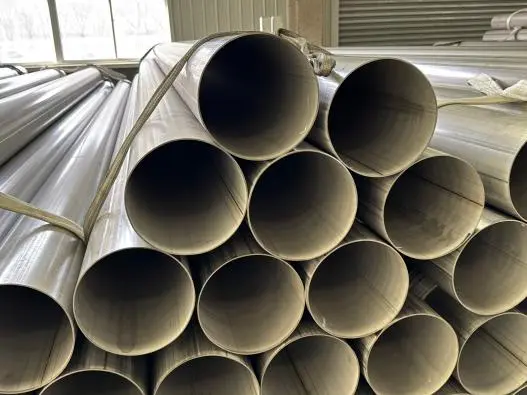
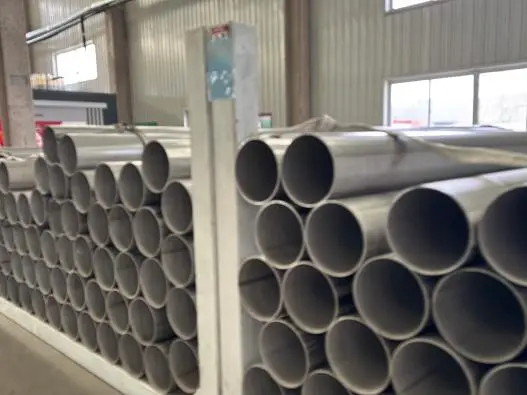
Understanding ASTM A312 GR TP316L Stainless Steel Pipes
The ASTM A312 standard establishes specifications for seamless, straight-seam welded, and heavily cold-worked welded austenitic stainless steel pipes intended for high-temperature and general corrosive service. Within this family, the TP316L grade stands out as a low-carbon variant specifically engineered to address a common failure mode in welded stainless steel structures: intergranular corrosion.
What Makes TP316L Different from Standard 316 Grade
TP316L restricts carbon content to a maximum of 0.035%, substantially lower than the 0.08% threshold in standard 316 grade material. This reduction prevents carbide precipitation at grain boundaries during welding or prolonged exposure to temperatures between 800°F and 1500°F (425°C to 815°C). When carbon precipitates combine with chromium, they create chromium-depleted zones susceptible to intergranular attack in corrosive environments. The "L" designation signifies this low-carbon formulation, eliminating the need for post-weld heat treatment in many applications and preserving the material's corrosion-resistant chromium oxide layer throughout fabrication.
Chemical Composition and Mechanical Properties
The alloy composition includes 16.0-18.0% chromium for passive film formation, 10.0-14.0% nickel for austenitic stability, and 2.0-3.0% molybdenum for enhanced resistance to pitting and crevice corrosion in chloride environments. Mechanically, these pipes deliver a minimum tensile strength of 485 MPa (70 ksi) and yield strength of 170 MPa (25 ksi), providing adequate structural capacity for pressurized systems while maintaining ductility for cold forming operations. This balance proves critical in fuel cell manifolds, electrolyzer stack assemblies, and battery cooling circuits where both corrosion resistance and mechanical reliability matter.
Heat Treatment and Its Role in Performance
Solution annealing involves heating the material to a minimum of 1900°F (1040°C) followed by rapid water quenching. This process dissolves carbides back into solid solution and locks the austenitic phase structure at room temperature, maximizing corrosion resistance and preventing martensite formation. For procurement professionals in the new energy sector, verifying heat treatment compliance through mill test certificates ensures the material will perform reliably in hydrogen production systems where even minor sensitization can lead to catastrophic stress corrosion cracking.
Key Specifications, Dimensions, and Testing Standards
Technical parameters define whether a pipe will function correctly within your system's pressure ratings, space constraints, and operational envelope. Understanding these specifications helps prevent costly specification errors and ensures compatibility with existing infrastructure.
Dimensional Standards and Tolerances
For ASTM A312 GR TP316L Stainless Steel Pipes, pipe sizing follows the nominal pipe size (NPS) convention, with available diameters ranging from NPS 1/8" to 48" (DN6 to DN1200 or Ø10.3 mm to Ø1219 mm). Wall thickness classifications span from Schedule 5S (thin-wall) through Schedule XXS (extra-extra-strong), accommodating pressure requirements from low-pressure process lines to high-pressure injection systems. The ASTM A312 standard permits wall thickness tolerances of +15% to +22.5% over nominal and -12.5% under nominal, a consideration that impacts flow calculations and pressure ratings in precision applications like semiconductor ultrapure water distribution systems.
Seamless Versus Welded Construction
Seamless pipes, manufactured through hot extrusion or cold drawing processes, eliminate weld seam concerns entirely and offer uniform properties throughout the circumference. These suits high-vibration applications such as automotive sensor feed lines and aerospace hydraulic systems. Welded pipes, produced through forming and fusion of strip or plate material, provide cost advantages for larger diameters and non-critical services. Heavily cold-worked variants undergo additional diameter reduction after welding, increasing strength and enabling thinner walls for weight-sensitive applications in electric vehicle battery thermal management systems.
Quality Assurance and Testing Requirements
Rigorous quality control separates compliant material from substandard products. Chemical composition verification through optical emission spectrometry confirms alloy content meets specification limits. Non-destructive testing methods include ultrasonic examination for detecting internal discontinuities, eddy current inspection for surface defects, and hydrostatic pressure testing to verify structural integrity. Documentation packages should include Material Test Certificates (MTC 3.1 or 3.2 per EN 10204), detailing heat numbers, chemical analysis results, mechanical properties, and traceability to raw material sources. Third-party inspection (TPI) services provide additional verification layers, particularly valuable when supplying regulated industries such as pharmaceutical manufacturing or medical device production.
Certification bodies like TÜV, PED (Pressure Equipment Directive), and accredited ISO 17025 laboratories offer independent validation of manufacturing processes and testing procedures. Buyers serving FDA-regulated markets should confirm surface finish specifications meet 3-A Sanitary Standards and that electropolishing processes achieve the necessary surface roughness values (typically Ra ≤ 0.5 μm) for cleanability and biocompatibility.
Comparing ASTM A312 TP316L with Other Stainless Steel Grades
Material selection involves trade-offs between corrosion resistance, mechanical properties, weldability, and cost. Comparing TP316L against alternative grades clarifies when the premium commanded by molybdenum-bearing alloys delivers tangible value.
TP316L Versus TP304L Performance
Both grades offer low-carbon formulations resistant to sensitization, but TP316L's 2-3% molybdenum addition significantly enhances pitting resistance in chloride-containing media. The Pitting Resistance Equivalent Number (PREN = %Cr + 3.3×%Mo + 16×%N) quantifies this advantage: TP316L typically achieves PREN values around 24-26 compared to TP304L's 18-20. This difference matters greatly in marine environments, brackish water systems, and chemical processes involving halogenated compounds. Industries handling acetic acid, phosphoric acid, or bleach solutions find TP316L's resistance to localized corrosion justifies the approximate 20-30% price premium over TP304L.
Seamless Versus Welded Trade-offs
Seamless construction eliminates potential weak points associated with longitudinal welds but commands higher pricing due to manufacturing complexity. Applications subject to severe cyclic loading, extreme thermal cycling, or high-purity requirements benefit from the seamless pipe's homogeneous structure. Welded pipe serves reliably in static or low-cycle applications, drainage systems, and architectural installations where cost efficiency takes priority. For electrolyzer manufacturers balancing production costs against reliability requirements, seamless pipe suits high-current-density areas near electrode stacks, while welded pipe handles auxiliary cooling and gas separation circuits adequately.
Long-Term Value and Return on Investment
Initial material costs for ASTM A312 GR TP316L Stainless Steel Pipes represent only a fraction of total lifecycle expenses. Premature failure in critical process piping generates replacement costs, production downtime, potential safety incidents, and regulatory compliance issues. TP316L's superior corrosion resistance extends service life in aggressive environments, reducing replacement frequency and maintenance interventions. A chemical processing facility might spend 25% more upfront for TP316L over TP304L but avoid system rebuilds every 8–10 years, yielding a positive return on investment within the first operating decade. Conducting a total cost of ownership analysis that factors in installation labor, process downtime, and failure risk probability provides clearer guidance than purchase price alone.
Selecting the Right TP316L Stainless Steel Pipe for Your Procurement Needs
Matching material specifications to application requirements prevents both over-engineering that inflates costs unnecessarily and under-specification that compromises reliability. A systematic approach evaluates operating conditions, regulatory constraints, and supply chain considerations.
Defining Application-Specific Requirements
Operating parameters directly determine appropriate pipe specifications. Hydrogen production equipment manufacturers must consider temperature ranges from ambient to 80°C, pressure ratings up to 30 bar, and compatibility with alkaline electrolytes (KOH) or proton exchange membranes. These conditions demand not just TP316L's corrosion resistance but also consideration of hydrogen embrittlement susceptibility, making the austenitic nickel content beneficial for maintaining toughness. Semiconductor fabrication facilities require ultra-high-purity variants with orbital welding, electropolished interiors achieving Ra values below 0.38 μm, and validated cleaning procedures to prevent particle contamination that causes wafer defects.
Analyzing fluid characteristics proves equally important. Solutions containing chlorides above 200 ppm, operating temperatures exceeding 60°C, or pH levels below 3 or above 11 push material limits and may necessitate upgrading to higher-alloy options like TP317L (3-4% molybdenum) or duplex grades for superior localized corrosion resistance.
Evaluating Supplier Credentials and Certifications
Supplier qualification protects against counterfeit material, documentation fraud, and quality inconsistencies. Certifications from ISO 9001 quality management systems demonstrate organizational commitment to process control. PED certification confirms compliance with European pressure equipment regulations, critical when exporting to EU markets. Laboratory accreditation under ISO 17025 validates testing competency and measurement accuracy. Beyond certificates, audit supplier facilities when possible, reviewing raw material procurement practices, production equipment maintenance records, and traceability systems that link finished products to mill heat numbers.
Established manufacturers maintain relationships with primary steel producers, ensuring material pedigree. We at YOUFA maintain strict raw material control through partnerships with recognized steel mills, implementing traceable lot management from steel coil receipt through final pipe shipment. This traceability enables rapid response if field issues emerge and provides documentary evidence for regulatory inspections. Request documentation packages including mill test reports, welding procedure specifications (WPS), procedure qualification records (PQR), and non-destructive testing results for critical purchases.
Managing Minimum Orders and Lead Times
Supply chain planning for ASTM A312 GR TP316L Stainless Steel Pipes must account for production cycles and inventory strategies. Minimum order quantities vary by manufacturer and pipe dimensions; commodity sizes may allow single-piece orders while specialty dimensions require production runs. At YOUFA, we accommodate an MOQ of just 1 pipe for standard specifications, supporting prototype development and small-scale projects without forcing excessive inventory investment. Standard production items typically ship within 7 days to Tianjin Port, while custom specifications require 4–6 weeks, depending on complexity.
Balancing inventory costs against supply security involves analyzing consumption patterns and lead time variability. Critical spares for operating facilities justify safety stock, while project-based consumption may align with just-in-time delivery. Establishing blanket purchase agreements with phased releases provides price stability and guaranteed capacity allocation during periods of tight supply, particularly relevant for original equipment manufacturers in the fuel cell and electrolyzer industries facing rapid growth.
Ensuring Long-Term Benefits: Maintenance, Warranty, and After-Sales Support
Material selection represents only the initial decision point; sustained performance depends on proper handling, installation practices, and responsive supplier support when issues arise.
Proper Handling and Storage Practices
Stainless steel's corrosion resistance depends on maintaining its passive chromium oxide layer. Contamination from carbon steel contact during storage or fabrication can introduce surface iron particles that corrode preferentially, creating rust staining and potential pitting initiation sites. Store pipes separately from carbon steel, using non-metallic supports or dedicated stainless racks. Avoid prolonged exposure to chloride-containing atmospheres in coastal environments; when unavailable, apply protective wrapping and humidity control. During fabrication, use dedicated stainless steel cutting tools, grinding wheels, and wire brushes to prevent cross-contamination.
Maintenance Strategies for Corrosion Prevention
While TP316L offers excellent inherent corrosion resistance, environmental factors can compromise performance. Regular inspection for discoloration, pitting, or crevice corrosion around threaded connections and flanged joints catches developing issues before failure. Passivation treatments after welding or mechanical cleaning restore the protective oxide layer by dissolving free iron and enriching the surface chromium concentration. For systems handling chlorinated water or similar aggressive media, periodic flushing with neutral pH rinse solutions removes deposits that concentrate corrosive species.
Warranty and Supplier Support Considerations
Comprehensive warranties cover material defects but require a clear understanding of coverage scope and claim procedures. Standard warranties typically address manufacturing defects discovered within 12-18 months of delivery, excluding damage from improper installation, operation beyond design parameters, or normal wear. Clarify whether warranty provisions include replacement material costs only or extend to consequential damages and installation labor. Access to technical support accelerates troubleshooting when field issues arise, particularly valuable for novel applications in emerging technologies like green hydrogen infrastructure.
We at YOUFA back our products with ISO 9001-certified quality systems and maintain technical service teams available for application consultation, on-site commissioning support, and failure analysis when needed. Our documentation libraries provide installation guidelines, welding recommendations, and compatibility charts that help customers avoid common pitfalls during system design and construction phases. Establishing partnership relationships rather than transactional vendor interactions creates mutual investment in project success and long-term operational reliability.
Conclusion
Selecting ASTM A312 GR TP316L Stainless Steel Pipes demands careful evaluation of technical specifications, manufacturing quality, and supplier capabilities. The low-carbon austenitic composition provides robust corrosion resistance essential for chemical processing, hydrogen production systems, and marine environments where standard grades fail prematurely. Understanding dimensional standards, testing requirements, and the trade-offs between seamless and welded construction enables informed procurement aligned with operational demands. Verifying supplier certifications, traceability systems, and after-sales support protects investments and ensures reliable long-term performance. Material selection represents a strategic decision impacting not just initial capital expenditure but lifecycle costs, safety outcomes, and competitive positioning in demanding industrial applications.
FAQ
What distinguishes TP316L from standard TP316 grade?
TP316L limits carbon content to 0.035% maximum versus 0.08% in standard TP316, preventing carbide precipitation during welding. This eliminates intergranular corrosion risks and removes the need for post-weld annealing, streamlining fabrication while maintaining corrosion resistance in as-welded conditions.
Can TP316L pipes handle cryogenic temperatures?
The austenitic crystal structure provides excellent toughness down to -196°C (liquid nitrogen temperatures), significantly outperforming ferritic stainless steels that become brittle at subzero conditions. This makes TP316L suitable for cryogenic hydrogen storage and liquefied gas transport systems.
How do I verify material authenticity when markings are unclear?
Request the Mill Test Report documenting chemical composition analysis. Carbon content at or below 0.030% confirms 'L' grade status per ASTM A312 specifications. Independent laboratory verification through spark testing or X-ray fluorescence provides additional confirmation if documentation raises concerns.
Partner with YOUFA for Reliable TP316L Stainless Steel Pipe Supply
Youfa Stainless Steel Pipe Co., Ltd. delivers certified ASTM A312 GR TP316L Stainless Steel Pipes backed by comprehensive quality documentation and responsive technical support. Our 15 production lines generate 50,000 tons of annual capacity, serving new energy manufacturers, chemical processors, and precision equipment builders across global markets. ISO 9001, PED, and ISO 17025 laboratory certifications validate our quality systems, while complete traceability from raw material sourcing through final inspection protects your procurement investment. Whether you require a single prototype pipe or ongoing project supply, our team provides application engineering assistance, competitive pricing, and logistics coordination, ensuring timely delivery. As a trusted ASTM A312 GR TP316L Stainless Steel Pipes supplier, we offer flexible MOQ starting at just 1 pipe with expedited 7-day delivery to Tianjin Port for stock items. Contact our procurement specialists at info@youfass.com to discuss your specific requirements and discover how YOUFA's integrated stainless steel piping solutions support your operational success.
Online Message