
Sep 23, 2026
How Does Duplex 2507 EFW Pipe Reduce Maintenance Costs?
When your piping system fails mid-operation, the cost isn't just the pipe itself — it's unplanned downtime, emergency labor, lost production, and potential compliance penalties. For industries where corrosive media, high pressure, and aggressive environments are daily realities, material selection directly shapes your maintenance budget. The ASTM A928 Electric Fusion Welded Duplex 2507 Pipe offers a measurable answer to that challenge. With a Pitting Resistance Equivalent Number (PREN) exceeding 42, twice the yield strength of standard 316L stainless steel, and weld quality governed by strict radiographic inspection classes, this pipe is built to stay in service longer — and cost you less to maintain.
|
|
|
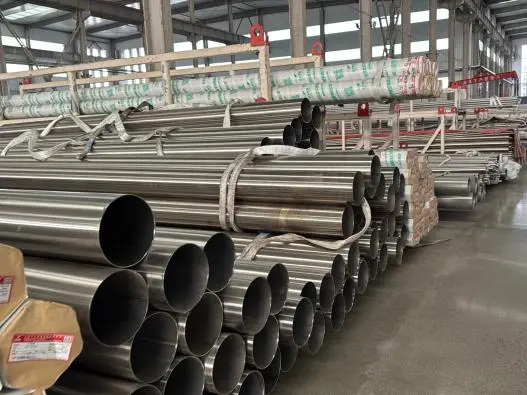
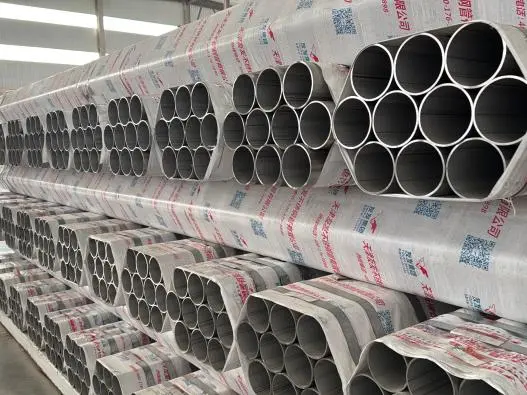
Understanding ASTM A928 Duplex 2507 EFW Pipe Specifications
Chemical Composition and Mechanical Properties
About 25% of Super Duplex 2507 (UNS S32750) is chromium, 7% is nickel, 4% is molybdenum, and 0.28% is nitrogen. It has a minimum yield strength of 550 MPa and a tensile strength of 800 MPa because of its makeup. This makes it much stronger than austenitic types like 316L or even standard duplex 2205. The two-phase microstructure, which is made up of about 50% austenite and 50% ferrite, helps protect against stress corrosion cracking and fatigue failure, two common reasons why pipes need to be replaced too soon in chemical and marine settings.
The Electric Fusion Welding Process
Electric Fusion Welding (EFW) uses a filler metal and precisely controlled heat to join two pieces of plate material together. Electric resistance welding (ERW) doesn't make a fully fused weld bead like EFW does. This bead can then be tested with x-rays or ultrasounds. ASTM A928 lists five levels of weld quality, ranging from Class 1 (fully x-rayed and double-welded) to Class 5 (single-welded with spot x-rays). This organized way of checking welds cuts down on hidden flaws that would otherwise cause expensive failures and inspection cycles while the product is in use.
Temperature Tolerance and Corrosion Resistance
Duplex 2507 EFW pipe works well in temperatures ranging from -50°C to around 300°C. When it comes to chloride-rich conditions, like ocean and acidic process streams, its high molybdenum and nitrogen content makes it very resistant to pitting and crevice rust. Offshore platforms, hydrogen production systems, and chemical processing plants depend on this level of performance so they don't have to replace pipes as often as they need to with lower-alloy grades.
Why Duplex 2507 EFW Pipes Reduce Maintenance Costs – Core Advantages?
The financial case for choosing ASTM A928 Electic Fusion Welded Duplex 2507 Pipe over alternatives comes down to three measurable factors: fewer repairs caused by corrosion, longer mechanical service life, and fewer failures caused by welds. All of these benefits lower the total cost of ownership over the whole span of the pipe.
Here are the main benefits that have a direct effect on servicing costs:
- High PREN (>42) delays corrosion damage significantly. In systems with salt water or chemicals that use a lot of chloride, normal 2205 duplex pipe (PREN ~35) can start to pit after 18 to 24 months. The super duplex 2507 greatly stretches that time, which lowers the number of inspections and emergency repair calls. This change means that offshore and marine pipe systems will have fewer days off each year.
- Twice the yield strength of 316L stainless reduces mechanical fatigue failures. With a minimum yield strength of 550 MPa, these pipes can handle pressure spikes and cyclic loading that would bend or break austenitic pipes with thinner walls. If there are fewer fatigue failures, there will be fewer unexpected repairs, which can cost many times the price of the pipe when it was first bought.
- EFW weld quality controls reduce leak events and associated downtime. ASTM A928 weld classes need proof of RT or UT inspection. Shipped pipes with confirmed UT/RT reports and MTC 3.1/3.2 certificates go into service with known weld integrity. This lowers the cost of inspections after installation and lowers the chance of leaks happening in service that require production to stop.
All of these benefits make the life of an asset longer in places where rust and mechanical stress are normal parts of the job. This means that the initial investment in materials is reunited through lower upkeep costs.
Market Comparisons – Duplex 2507 EFW vs Alternatives for Cost-Effective Procurement
Procurement teams frequently compare super duplex 2507 EFW pipe next to 2205 duplex, 904L austenitic stainless, seamless pipe, and TIG welded pipe. Each has pros and cons that affect both the initial cost and the budget for long-term upkeep.
Duplex 2205 weighs less per kilogram, but it has a PREN of about 35, which means it can't be used in chloride conditions that are very aggressive without being inspected more often. In remote service, the cost of replacing and inspecting 2205 systems over a five-year period of time can be higher than the price difference between the two types.
Grade 904L is good at resisting acids, but it's not as strong as 2507. Its yield strength is about 220 MPa, which is less than half of super duplex's. This means that bigger walls are needed for the same pressure values, which adds weight and costs more to make, but it doesn't match 2507's corrosion performance in chloride service.
You can get seamless pipe in the 2507 grade, but it costs a lot more, especially in bigger sizes. The outside diameter (OD) of ASTM A928 EFW pipe can be anywhere from 114.3 mm to 2500 mm, and the wall thickness can be anywhere from 3 mm to 50 mm. This makes it the best choice for large-diameter uses where making seamless pipes would be too expensive.
TIG-welded pipe has a good enough weld quality for smaller diameters, but it doesn't have the structural verification framework of ASTM A928 weld classes. This means that procurement teams don't have as much proof of the weld's stability for important pressure service.
Practical Considerations When Procuring ASTM A928 Duplex 2507 EFW Pipes
Supply Chain and Lead Time
As important as the pipe standard itself is a certified ASTM A928 Electric Fusion Welded Duplex 2507 Pipe provider with a large production scale. YOUFA is certified by ISO9001, PED, ISO 17025 lab, and TÜV. It has 15 production lines that make 50,000 tons of goods every year. MOQ is just one pipe, and for sizes that are in stock, delivery to Tianjin Port can happen in seven days.
Certification and Quality Documentation
Full documentation is required for all business-to-business purchases in regulated fields like chemical processing, offshore, and new energy. MTC/MTR (3.1/3.2), TPI records, WPS/PQR, MPS, and UT/RT inspection reports are some of the papers that are needed. These records help with insurance requirements, compliance checks, and handing over the job. For critical service applications, you should always get 3.2 certification from a third-party inspection body that has been approved by the government.
Customization and Application Fit
The surface of the pipes can be pickled or annealed, and the ends can be plain or curved. As a standard, the steel is solution-annealed and then quenched in water. This keeps the duplex microstructure and corrosion resistance after welding. For long-distance shipping, you can use a wooden box or a steel frame with triangular binding and a weave bag for protection.
Case Studies and Real-World Applications Demonstrating Maintenance Cost Savings
Offshore and Seawater Piping Systems
Offshore platforms in the Gulf of Mexico have piping systems that handle both seawater injection and produced water. These systems are constantly exposed to chloride. When operators moved from standard duplex 2205 to super duplex 2507 EFW pipe, they said that check times were longer and breakdowns caused by pitting happened less often. The higher PREN of 2507 directly sped up the start of localized corrosion, which cut down on the cost of annual maintenance labor.
Chemical Processing and Hydrogen Production
Electrolysis devices and bipolar plate assemblies are two types of tools used to make hydrogen. They work in very acidic and corrosive conditions. The super duplex EFW pipe used in these systems' fluid transfer lines can handle both the chemical damage and the changing pressures that come with electrochemical processes. The documented weld quality of ASTM A928-compliant pipe lowers the risk of leaks in hydrogen service, where even small leaks can cause safety issues and cost money to fix.
OEM and Industrial Infrastructure Applications
It is very important for OEM manufacturers that supply battery module systems or fuel cell components to keep the dimensions and materials consistent across production batches. EFW pipes made in ISO9001-certified facilities with full MTC tracking help OEM procurement teams standardize their supply chain. This lowers the costs of approval and the number of times that material non-conformances stop production lines.
Conclusion
It's not just a matter of specifications; picking the right pipe material like ASTM A928 Electic Fusion Welded Duplex 2507 Pipe affects the budget for maintenance as well. When made to ASTM A928, super duplex 2507 EFW pipe reduces the number of times it needs to be fixed because of rust, mechanical wear, and leaks caused by welding. It is a reliable choice for harsh service environments because it has a PREN above 42, a yield strength of 550 MPa, and structured weld quality inspection classes. The total cost of ownership for super duplex 2507 is cheaper than for lower-alloy alternatives in demanding industrial uses. This is because it comes with full paperwork, certified production, and affordable lead times.
FAQ
What makes Duplex 2507 more suitable for corrosive environments than 2205?
The higher amounts of chromium (25%), molybdenum (4%), and nitrogen (0.28%) in 2507 give it a PREN above 42, while 2205's was about 35. This difference slows down pitting and crevice corrosion in chloride-containing media by a large amount. This means that in marine and chemical service, there will be longer periods of time between checks and fewer repairs.
Why does electric fusion welding improve pipe performance?
EFW uses filler metal and controlled heat to make a fully fused weld that is then checked by x-rays or sound waves according to ASTM A928 weld classes. This written inspection method lowers the chance that hidden weld flaws will be found in service, which in turn lowers the risk of problems in service that cause costly unplanned shutdowns.
What certification documents should I request when procuring these pipes?
You can ask for MTC/MTR (3.1/3.2), TPI reports, WPS/PQR records, MPS paperwork, and UT/RT inspection reports. If you work in a regulated or critical pressure service industry, 3.2 certification from an ISO 17025-accredited laboratory gives you the most peace of mind about material traceability and compliance.
What is the difference between ASTM A928 and A790?
A790 controls both seamless and standard welded pipe, while A928 focuses on EFW pipe with filler metal added. It sets out five weld quality classes and the radiographic inspection requirements that go with them. For bigger diameters and applications where pressure is very important and weld verification is needed, A928 is the better choice.
Lower Your Maintenance Costs with YOUFA's Duplex 2507 EFW Pipe
Youfa Stainless Steel Pipe Co., Ltd. is an ASTM A928 Electric Fusion Welded Duplex 2507 Pipe maker that is TÜV and ISO9001 approved. They have 15 production lines, make 50,000 tons of pipes a year, and their MOQ is just one pipe. If you need proof of weld quality for chemical processing, new energy, or remote service, YOUFA can deliver. They offer full MTC/MTR 3.1/3.2, UT/RT records, and seven-day delivery to Tianjin Port. You can get in touch with our purchasing team at info@youfass.com or go to youfass.com to get a quote, talk to sales, or look at all of our products.
Online Message