
Oct 20, 2026
How Does Duplex 2205 EFW Steel Pipe Compare for Industrial Use?
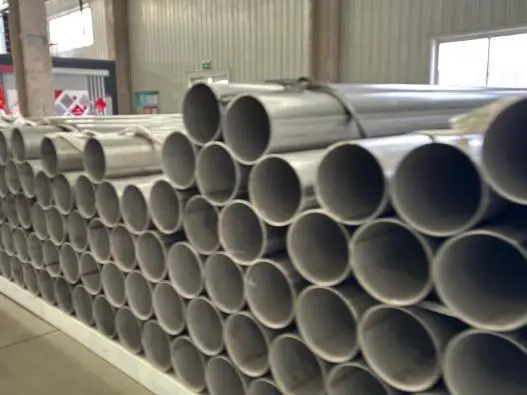
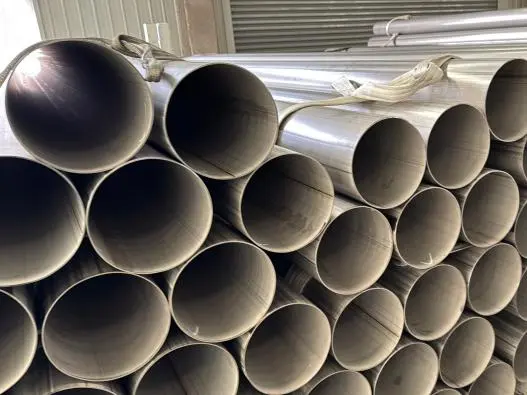
When engineers and procurement teams ask how duplex stainless steel pipe holds up against conventional grades, the answer comes down to microstructure, manufacturing process, and real-world corrosion data. ASTM A928 Duplex 2205 EFW Steel Pipe is an electric-fusion-welded pipe fabricated from UNS S32205 or S31803 plate, designed specifically for pressure and corrosive service. Its balanced ferritic-austenitic microstructure delivers roughly twice the yield strength of standard 316L stainless steel while providing superior resistance to chloride-induced stress corrosion cracking. For industries ranging from offshore oil and gas to chemical processing and desalination, this pipe grade consistently outperforms conventional austenitic alternatives on both performance and lifecycle cost.
|
|
|
Introduction to ASTM A928 Duplex 2205 EFW Steel Pipe
What Makes Duplex 2205 Different?
About 22% of duplex 2205 stainless steel is chromium, 5% is nickel, and 3% is molybdenum. This gives it a microstructure that is about 50% ferrite and 50% austenite. Because it has two different types of phases, this material is much better at stopping pitting and crevice corrosion than single-phase austenitic grades. It also means that the pipe can work under mechanical stress in chloride-rich settings without breaking like 304L or 316L grades often do.
The EFW Manufacturing Advantage
Following the rules in ASTM A928 for the Electric Fusion Welded process, a rolling plate is used to make the pipe, and the seam is fused using a full-penetration weld with filler metal added. The pipe goes through solution annealing and then water quenching after it has been welded. This heat treatment brings back the right balance of ferrite and austenite phases in the weld zone, which stops the formation of harmful intermetallic phases like sigma. This makes a weld gap that is just as resistant to rust as the material it comes from.
Why Global Demand Is Growing?
Duplex grades are being asked for more and more by industries like offshore oil and gas, desalination of saltwater, cleaning of pulp and paper, and marine scrubber systems. The Nickel Institute says that between 2000 and 2010, the use of duplex stainless steel increased at a rate of about 6% per year. This was mostly due to chloride-service uses where 316L was not working well enough. The EFW method makes it possible to make pipes with a diameter of up to 2,500 mm OD at a lower cost than with seamless production.
Key Specifications and Performance Characteristics
Chemical Composition and Mechanical Properties
Duplex 2205 (UNS S32205) has a minimum yield strength of 450 MPa and a tensile strength of 620 MPa. For comparison, 316L has a yield strength of about 220 MPa. The wall thickness of an ASTM A928 Duplex 2205 EFW Steel Pipe can be anywhere from 3 mm to 50 mm, and the outside diameter can be anywhere from 114.3 mm to 2,500 mm. The pipe can come with either straight or beveled ends and has been pickled and hardened. After solution annealing and water quenching, the metal is heat treated to lock in the right phase balance and tensile qualities before it is shipped.
Corrosion Resistance Data
The Pitting Resistance Equivalent Number (PREN) for 2205 is around 34–36, which is a lot higher than the number for 316L, which is around 24. Most people agree that at room temperature, seawater pitting can't happen if the PREN is above 32. 2205 also meets the standards of NACE MR0175 and ISO 15156 for hydrogen sulfide environments at mild H₂S partial pressures. This means it can be used for sour gas service where 304 and 316L are not okay.
Available Testing and Documentation
Every pipe that leaves the building has a bag of paperwork that can be tracked. These are the standard documents that are out there:
- MTC/MTR (3.1 / 3.2): Mill test certificates that have full chemical and mechanical data that can be linked to the heat.
- RT / UT Reports: Radiographic and acoustic tests of the weld seam, showing that it meets the requirements of ASTM A928 and is free of flaws.
- WPS / PQR and MPS: Qualified welding procedure specs and production procedure specifications that make sure the process is always the same.
- Hydrostatic Test Records: Pressure testing to make sure the records are leak-proof before they are sent out.
- TPI (Third-Party Inspection): This service is available upon request for projects that need independent confirmation.
This set of paperwork meets the needs of the Pressure Equipment Directive (PED), ISO 9001, ISO 17025 laboratory accreditation, and TÜV certification. It helps with import compliance in both North American and European markets.
Comparative Analysis: Duplex 2205 EFW vs Alternative Stainless Steel Pipes
Duplex 2205 vs 316L and 304
While Grade 316L is still the standard for many chemical and food-grade uses, it has been shown to have problems in salt conditions above about 60°C. Stress corrosion cracking failures in 316L heat exchanger pipes and tubes happen all the time in this business. Duplex 2205 EFW pipe doesn't break when chloride levels are high, which is when 316L usually does. Its higher strength also lets thinner walls be used, which lowers the weight of the material and the cost per linear meter in large-diameter installations.
EFW vs Seamless vs ERW
The three ways of making things make really different goods that are used for different things. For small-diameter, high-pressure work, seamless pipe is still the best choice because it doesn't have a weld gap. Electrical resistance is used to join the seams of ERW pipe without filler metal. This means that it can only be used with lower-alloy types where the quality of the joining is good enough without filler. For large diameters of duplex and super duplex grades, ASTM A928 Duplex 2205 EFW Steel Pipe with filler metal is the best way to go because it allows for full fusion, post-weld heat treatment, and radiographic examination of the seam, all of which are needed for pressure service certification.
Duplex 2205 vs Super Duplex 2507
There is a PREN value above 40 for Super Duplex 2507 (UNS S32750), and it is designed to work in the harshest chloride environments, like deep-water subsea flowlines and high-concentration acid service. It costs a lot more than 2205 because it has more nickel and molybdenum in it. For most chemical and offshore uses where chloride levels are modest, 2205 offers enough corrosion protection at a material cost that is significantly cheaper. YOUFA offers both grades in EFW format, which lets procurement teams choose materials based on real service conditions instead of just going with the most expensive choice.
Procurement Considerations for ASTM A928 Duplex 2205 EFW Steel Pipes
Pricing and Lead Time
When nickel and molybdenum prices change on the London Metal Exchange, so do the costs of the raw materials used to make duplex plate. Duplex 2205 usually costs 30–50% more per kilogram than 316L, but because it is stronger, the total weight of the fixed pipe is often lower, which partly makes up for the price difference. YOUFA has 15 production lines that make 50,000 tons of goods every year. This makes prices competitive and ensures that products are always available. One pipe is the least you can buy, and seven days is the fastest standard arrival time to Tianjin Port.
Quality Assurance and Packaging
Pipes are shipped in wooden boxes that can have a steel frame added if needed. The boxes are held together with hexagonal binding and the pickled surface is protected by woven bags during ocean freight. The full package of documents listed above is sent with every order. Certifications from ISO 9001 and TÜV cover the production system, and certifications from ISO 17025 cover the laboratory tools used to make the MTR data.
Import Compliance for U.S. Buyers
If a U.S. buyer wants to import ASTM A928 Duplex 2205 EFW Steel Pipe, they should make sure it meets ASTM A928 standards, make sure it comes in the 3.1 or 3.2 MTR shape that the end user wants, and find out if they need any PED paperwork for a European project. The document package from YOUFA meets all three requirements, which makes things easier for the procurement team.
Choosing the Right Supplier for Duplex 2205 EFW Steel Pipes
Evaluating Manufacturer Credentials
Someone you can trust to supply ASTM A928 Duplex 2205 EFW Steel Pipe should have ISO 9001 certification for quality management, ISO 17025 certification for in-house testing, and TÜV product certification. These aren't just signs for marketing; they include third-party checks of the production process, the calibration of testing tools, and systems for keeping track of products. Before making an order, buyers should ask for pictures of current certificates and make sure they are still valid.
Assessing Product Customization Capability
A lot of the time, non-standard OD, specific wall thickness schedules, or custom end finishes are needed for big projects. If a seller has its own plate-sourcing capability and more than one production line, it can meet these needs within normal wait times. YOUFA can make things with an outside diameter (OD) of 114.3 mm to 2,500 mm and a wall thickness of 3 mm to 50 mm. This means that they can meet the needs of most large-diameter projects without having to wait for special equipment.
After-Sales Support and Documentation Turnaround
In B2B procurement, support after shipment is important. When a project inspector questions a heat number or asks for an extra test report, the supplier's reaction time has a direct impact on the project plan. Through 3.1 and 3.2 MTRs, YOUFA gives full tracking and can set up TPI participation from the buyer's chosen inspection agency during the production stage.
Conclusion
ASTM A928 Duplex 2205 EFW Steel Pipe has a clear place in the material selection hierarchy. It is stronger than 316L, less likely to rust in chloride service, and cheaper than super duplex grades in most situations. When the EFW production method is paired with the right solution annealing and water quenching, it makes large-diameter pipe that has the same level of weld quality as the base material. When purchasing teams need pipe for chemical, irrigation, marine, or remote use, this is a technically sound and cost-effective option that is backed by a clear ASTM standard and a well-established global supply base.
FAQ
What is the difference between ASTM A928 and ASTM A790?
ASTM A790 covers smaller sizes of duplex pipe that is both seamless and normally welded. ASTM A928 is all about electric-fusion-welded pipe that has filler metal added to it. This is usually done for bigger sizes where the EFW process is needed to get a full weld penetration that can be seen on x-rays.
Can duplex 2205 EFW pipe be used above 315°C?
No, Duplex 2205 can only be used in temperatures below 300–315°C. Long-term exposure above this range leads to 475°C embrittlement, which makes the material much less tough. Before choosing a material, buyers should make sure they know the temperature range it can work in.
How does 2205 compare to 316L in chloride environments?
The PREN for duplex 2205 is about 34–36, while the PREN for 316L is 24. When it comes to real life, 2205 doesn't pit or crack from stress rust at temperatures and salt levels where 316L usually fails.
What is the minimum order quantity?
YOUFA can handle sales as small as one pipe, which makes it useful for both one-time purchases and regular contracts for bigger amounts.
What filler metal is used for 2205 EFW welding?
For making 2205 EFW, standard filler wire is over-alloyed ER2209, which has 7–9% nickel in it. The higher alloy content makes up for the loss of alloy during fusion, making sure that the weld layer has the right amount of austenite and ferrite after solution annealing.
Get Your ASTM A928 Duplex 2205 EFW Steel Pipe Quote from YOUFA
YOUFA makes ASTM A928 Duplex 2205 EFW Steel Pipe and is certified by TÜV and ISO 9001. They have 15 production lines and make 50,000 tons of steel each year. We can deliver grades 2205 and 2507 to Tianjin Port in as little as seven days and include full MTR paperwork and RT/UT reports. The minimum order quantity is one pipe. To get a price right away, email your requirements to info@youfass.com or go to youfass.com.
Online Message