
Jul 30, 2026
How Does ASTM A358 TP304 CL1 Pipe Meet Critical Piping Performance Requirements?
When engineering teams face high-pressure, corrosive environments in their piping systems, selecting the right material becomes a mission-critical decision. The ASTM A358 GR TP304 CL1 Stainless Steel Pipe meets stringent performance requirements through its precise chemical composition, verified weld integrity via 100% radiographic testing, and proven resistance to thermal and chemical stress. This Class 1 electric fusion welded pipe combines chromium-nickel alloy stability with rigorous quality control protocols, delivering reliability in petrochemical processing, power generation, and industrial fluid systems where failure is not an option.
|
|
|
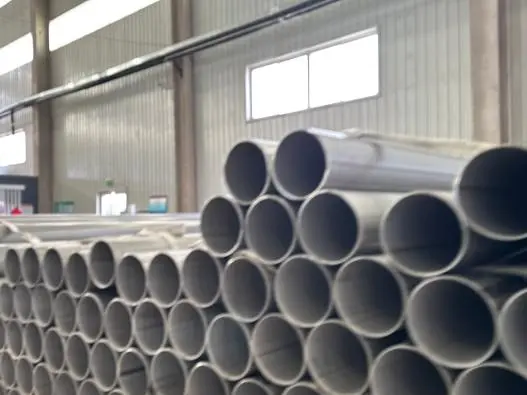

Understanding ASTM A358 TP304 CL1 Stainless Steel Pipe Properties
To choose materials for tough industrial uses, you need to know a lot about their chemical make-up and how they behave mechanically. The ASTM A358 GR TP304 CL1 Stainless Steel Pipe gives a balanced profile that addresses corrosion, strength, and thermal stability all at the same time.
Chemical Composition That Drives Durability
The ASTM A358 GR TP304 CL1 Stainless Steel Pipe has at least 18.0% chromium and 8.0% nickel. This makes a passive oxide layer that heals itself when it comes in contact with oxygen. This mix is what gives it great corrosion protection over a wide pH range, which makes it good for chemical transfer lines and handling equipment. The carbon content stays between 0.04% and 0.08%, which makes it easier to weld while keeping the structure strong. Adding manganese and silicon improves the material's hot working properties and deoxidation during production, which helps keep the material's performance consistent throughout the production of large diameter pipes.
Mechanical Strength Under Pressure
Class 1 title calls for the strictest testing of welds, which makes sure that longitudinal lines can handle the pressures of operation without breaking. The tensile strength is higher than 515 MPa (75 ksi), which is safe enough for pressure tanks and transfer systems that work at high temperatures. With a yield strength of 205 MPa (30 ksi) and an elongation value above 35%, the material can handle mechanical shock and changes in temperature without breaking. These features are especially useful in power plants where steam circulation systems go through repeated rounds of thermal expansion and contraction.
Corrosion Resistance in Harsh Environments
The passive chromium oxide film on the surfaces of ASTM A358 GR TP304 CL1 Stainless Steel Pipe doesn't get damaged by organic acids, alkaline solutions, or the weather, all of which would quickly wear down carbon steel alternatives. During manufacturing, solution annealing restores this protective layer in heat-affected areas near welds. This keeps the pipe's corrosion resistance the same along its entire length. This feature lowers the number of repair tasks that need to be done and increases the time between services in chemical processing applications where downtime directly leads to lost production. YOUFA uses immersion tests and electrical analysis to make sure that the parts won't rust before they are shipped.
Comparing ASTM A358 TP304 CL1 with Alternative Stainless Steel Pipes
Professionals in procurement often look at a number of specifications to find the best balance between cost and performance. Teams can choose ASTM A358 GR TP304 CL1 Stainless Steel Pipes that meet practical needs more effectively when they know the differences between ASTM A358 and other standards.
ASTM A358 Versus ASTM A312 Pipes
ASTM A312 covers pipes that are either seamless or welded using automatic welding methods. These pipes usually have smaller sizes, up to about 600 mm. In contrast, ASTM A358 GR TP304 CL1 Stainless Steel Pipe uses electric fusion welding with the addition of filler metal. This makes it possible to make pipes with an outside diameter of 114.3 mm to 2500 mm. The EFW method of making things can handle thicker walls that are between 3 mm and 50 mm thick. This lets them withstand higher pressures that are needed in refinery headers and large-volume transfer systems. This way of making things gives you more control over the sizes so you can make things that fit your exact needs, and it keeps the quality of the welds by checking them thoroughly without damaging them.
TP304 Versus TP304L and TP316 Grades
TP304L has less carbon (up to 0.030%), which reduces carbide precipitation during welding and improves resistance to intergranular corrosion in conditions where corrosion is more likely to happen. But ASTM A358 GR TP304 CL1 Stainless Steel Pipe is stronger at high temperatures, which makes it better for uses above 500°C where resistance to creep is very important. Adding molybdenum (2.0–3.0% of TP316) makes it more resistant to chloride, making it the best choice for marine settings and chemical processes that use halogen compounds. By weighing these differences against the specific needs of the application, buying teams can choose the grade that will give them the most value over the course of its life. YOUFA's engineering team offers technical advice to help clients weigh these trade-offs based on how they will actually be used.
Cost-Value Analysis for Long-Term Operations
Over a 20–30-year working life, the initial cost of materials is only a small part of the total cost of ownership. ASTM A358 GR TP304 CL1 Stainless Steel Pipe is more cost-effective because they need less upkeep, lasts longer between replacements, and has less unexpected downtime. The strong weld quality that comes from EFW manufacturing with 100% radiographic screening stops the early breakdowns that happen with lower-quality options. When you think about the costs of replacing, the time lost on work, and the safety risks that come with pipes breaking, the value argument becomes very strong. We have case studies of clients who got their money back within five years just by lowering their maintenance costs.
Applications and Usage of ASTM A358 TP304 CL1 Pipes in Critical Industries
Specification claims are backed up by performance in the real world. ASTM A358 GR TP304 CL1 Stainless Steel Pipes are used in many areas where safety, environmental compliance, and keeping operations going are directly affected by how reliable they are.
Chemical and Petrochemical Processing
In petrochemical plants, large-diameter headers and transfer lines move volatile organic compounds, acidic condensates, and high-temperature process streams that would quickly break down weaker materials. Because ASTM A358 GR TP304 CL1 Stainless Steel Pipe is both resistant to corrosion and strong, these systems can work reliably even when they are constantly exposed to chemicals and changing temperatures. YOUFA sells pipes with rounded ends and approved welding methods that make installation easier in the field and protect the system's integrity. Our paperwork on material tracking helps us follow the rules for process safety management.
Power Generation Systems
Materials that can survive high temperatures and pressures for a long time are needed in steam circulation systems, cooling water circuits, and feedwater lines in both conventional and nuclear power plants. ASTM A358 GR TP304 CL1 Stainless Steel Pipe keeps its mechanical qualities at temperatures up to 800°C, which is safe enough for use in power boilers. The solution-annealed finish on the surface reduces fouling and makes it easier to clean on a regular basis. We can make pipes with a diameter of up to 2500 mm, which helps large utility projects by providing a single source of supply.
Industrial Fluid Transport Infrastructure
Pharmaceutical manufacturing, chip production, and making food and drinks all need clean pipes that won't contaminate goods or lower purity standards. The smooth, pickled, and annealed finish on ASTM A358 GR TP304 CL1 Stainless Steel Pipe makes it easier to clean and sterilise while also keeping germs from growing on it. We offer mill test certificates that show the chemical make-up and mechanical qualities of materials. These certificates help with FDA and GMP compliance paperwork. Customised length specifications cut down on field welding, which lowers the risk of contamination in clean rooms.
Procurement Considerations for ASTM A358 TP304 CL1 Stainless Steel Pipes
To get a reliable supply at a price that is competitive, you need to carefully evaluate your suppliers and communicate your needs clearly. Besides basic ASTM A358 GR TP304 CL1 Stainless Steel Pipe compliance, there are other things that affect the success of buying.
Supplier Qualification and Certification Verification
Verified certifications show that a maker can regularly make things that meet standards. YOUFA keeps up with ISO 9001 certification for quality control, PED compliance for pressure tools, and ISO 17025-accredited lab testing. Our TÜV approval gives you peace of mind that the quality control and manufacturing processes are being checked by a third party. These credentials lower the risk of procurement by making sure that materials meet the requirements before they are delivered. We offer full sets of paperwork that include Material Test Certificates (3.1/3.2), Third Party Inspection records, Welding Procedure Specifications, Procedure Qualification Records, and full UT/RT testing records.
Lead Times and Inventory Management
On-time delivery of materials that matches construction milestones is important for keeping projects on schedule. Our 15 production lines can handle both stock and custom orders, with a total capacity of 50,000 tonnes per year. Standard mixtures of width and wall thickness can be shipped to Tianjin Port in seven days, which speeds up the project schedule. Because of how production schedules work, custom specifications require longer lead times. This means that early engagement is important for projects that need to be finished quickly. We don't require a minimum order size of one pipe, so we can accommodate both big jobs and small repairs without making customers keep too much inventory.
Technical Support and After-Sales Service
Manufacturers can help with the design, installation, and operation of complicated pipe systems by providing technical support. Our technical team helps with dimensional proof, suggesting the best way to weld, and recommending materials. On-site commissioning help makes sure that the work is done correctly and meets the requirements of the standard. This way of working together cuts down on installation mistakes and makes sure that systems work the way they were meant to throughout their useful lives.
Why ASTM A358 TP304 CL1 Pipes Are the Preferred Choice for Critical Piping Systems
ASTM A358 GR TP304 CL1 Stainless Steel Pipes are a reliable choice for harsh environments where material failure can have very bad results because they work well in a wide range of situations.
Proven Performance in High-Stakes Applications
ASTM A358 GR TP304 CL1 Stainless Steel Pipe is used in petrochemical factories, pharmaceutical facilities, and power plants because they have very low failure rates as long as the right instructions are followed. Radiographic testing confirms the quality of the weld, and the base material's better features make it more resistant to service failures. Every production lot goes through hydrostatic testing, mechanical property verification, and chemical makeup analysis as part of our quality control process. This makes sure that the quality is the same across large project amounts.
Compliance with International Safety Standards
Global engineering standards agree that the ASTM A358 guidelines meet very strict requirements for safety and efficiency. PED compliance makes it easier to install equipment in all of Europe, and ASME Section VIII recognition helps with pressure vessel certification. This wide regulatory acceptance makes it easier to carry out multinational projects by reducing specification conflicts between countries. YOUFA provides documentation packages that support regulatory files and third-party inspection needs without the need for extra cooperation.
Supply Chain Reliability Through Established Partnerships
When manufacturers and distributors work together for a long time, they build stable supply channels that can handle changes in the market. YOUFA has more than 200 workers working in manufacturing, quality control, and customer service. This gives the company a lot of depth, which keeps things running smoothly even when demand changes. As a Top 500 company in China, we have the financial security to keep our long-term supply promises. Customers benefit from stable prices, priority allocation during shortages, and production scheduling that gives priority to repeat orders.
Conclusion
The ASTM A358 GR TP304 CL1 Stainless Steel Pipe gives pipe systems the performance they need by having tested material features, strict quality control, and a history of reliability in the field. When corrosion resistance, mechanical strength, and thorough testing methods are used together, they solve the problems that come up in petroleum, power generation, and industrial processing settings. Certifications, full paperwork packages, and proven manufacturing skills that meet both standard and custom needs give procurement teams more faith in suppliers. When the integrity of the infrastructure can't be compromised, ASTM A358 GR TP304 CL1 Stainless Steel Pipe is the best way to make sure that processes are safe, effective, and last a long time.
FAQ
What distinguishes Class 1 from other ASTM A358 pipe classes?
Class 1 requires that all longitudinal weld lines be tested with X-rays or ultrasounds. This gives the best level of quality assurance. Based on application risk levels, testing standards get less strict from Class 2 to Class 5. Critical pressure service applications usually choose Class 1 to lower the risk of failure in systems with high stakes.
Can TP304 pipes be used in chloride-containing environments?
ASTM A358 GR TP304 CL1 Stainless Steel Pipe is resistant enough to chlorine in low-concentration settings (below 100 ppm) at room temperature. For better resistance to pitting and crevice corrosion, grades TP316 or TP317 that contain molybdenum are needed when there is a lot of chloride or when the temperature is high. When chloride exposure goes above these limits, we suggest doing a site-specific corrosion evaluation.
How does electric fusion welding compare to seamless pipe manufacturing?
With EFW manufacturing, you can make tubes with bigger diameters and thicker walls than you could with seamless methods. This is useful for high-pressure uses that need thick materials. Weld parts that are the same strength as or stronger than the base material are made in a controlled welding setting where filler metal is added, and thorough tests are done. Seamless pipes don't have any weld joints, but they can't be very big when the width is big.
What documentation supports material traceability and compliance verification?
YOUFA gives Material Test Reports (MTR) that are certified to EN 10204 3.1 or 3.2. These MTRs list the chemical make-up, mechanical properties, heat treatment settings, and test results for each output heat. There is full traceability from raw materials to finished products thanks to Third Party Inspection Reports, Welding Procedure Specifications, Procedure Qualification Records, and nondestructive test reports. This helps with quality checks and regulatory submissions.
Partner with YOUFA for Your Critical Piping Requirements
YOUFA offers complete solutions for stainless steel pipes. Our ISO 9001, PED, and TÜV certifications show that we make high-quality products. As a reliable ASTM A358 GR TP304 CL1 Stainless Steel Pipe supplier, we test every pipe in our ISO 17025-certified labs and on 15 production lines to make sure it meets your needs. From choosing the right materials to helping with installation, our engineering team is here to help you get the best performance and value for your money. We can help with both big projects and quick repairs because the minimum order size is only one pipe and stock items can be delivered to Tianjin Port in seven days. Email us at info@youfass.com to talk about your project needs with our technology experts, who know what performance is needed for important industrial uses.
Online Message