
Aug 12, 2026
How Does ASTM A358 321 Class 1 EFW Pipe Handle Extreme Temperature Conditions?
When industrial piping systems face temperatures that would compromise standard materials, ASTM A358 Grade 321 class 1 EFW Steel Pipe provides proven performance through titanium-stabilised austenitic stainless steel construction. This specialised ASTM A358 Grade 321 class 1 EFW Steel Pipe is designed to withstand extreme thermal environments, ranging from cryogenic conditions to temperatures above 1500°F, without significant degradation. This makes ASTM A358 Grade 321 class 1 EFW Steel Pipe an ideal choice for pressure service applications in chemical processing, power generation, and petrochemical facilities. The titanium content in ASTM A358 Grade 321 class 1 EFW Steel Pipe helps prevent chromium carbide precipitation, maintaining structural integrity, corrosion resistance, and long-term reliability even after repeated thermal cycling. With its excellent high-temperature stability and dependable mechanical performance, ASTM A358 Grade 321 Class 1 EFW Steel Pipe supports demanding industrial operations where safety, durability, and consistent performance are critical.
|
|
|
Understanding ASTM A358 321 Class 1 EFW Pipe and Its Core Specifications
To understand thermal efficiency, you must first know what makes this ASTM A358 Grade 321 Class 1 EFW Steel Pipe system unique. ASTM A358 sets the standards for how to make and inspect electric fusion welded stainless steel pipe that will be used in harsh environments with high temperatures and corrosion.
Metallurgical Composition and Stabilization
About 17–19% of ASTM A358 Grade 321 Class 1 EFW Steel Pipe is chromium and 9–12% is nickel. This gives it an austenitic structure that doesn't change phases when temperature stress is applied. Titanium added at five times the carbon content gives it its unique properties. Titanium prefers to bind with carbon to form titanium carbides instead of chromium carbides. This stabilisation process stops sensitisation, a state in which chromium loss at grain boundaries makes way for corrosion between grains. Normal austenitic grades lose their ability to fight rust when exposed to temperatures between 800°F and 1500°F during service or welding, but the titanium-stabilized structure keeps its protective properties even when exposed to high temperatures.
Class 1 Manufacturing Standards
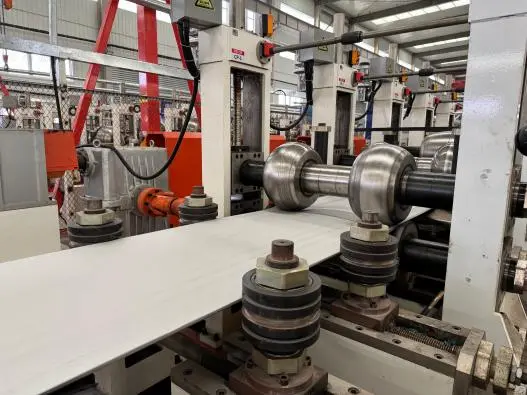
According to ASTM A358 Class 1, the building must be double-welded with filler metal, and the lengthwise weld seam must be fully X-rayed. At YOUFA, we start by using plate material that meets chemical and mechanical standards. Then, we shape the material into a cylinder and carefully weld it together. Ultrasonic (UT) and radiographic (RT) testing are done on the weld joint to make sure there are no flaws. This ensures a joint efficiency factor of 1, which means the weld is as strong as the base material. This level of quality is necessary for high-pressure uses where failure would have bad results.
Mechanical Properties at Elevated Temperatures
At room temperature, ASTM A358 Grade 321 class 1 EFW Steel Pipe provides a minimum tensile strength of 515 MPa and a minimum yield strength of 205 MPa. Standard test samples demonstrate elongation levels above 35%, showing the flexibility and ductility required for fabrication and installation processes. These mechanical properties make ASTM A358 Grade 321 class 1 EFW Steel Pipe suitable for demanding industrial applications where strength and formability are both essential. More importantly, ASTM A358 Grade 321 class 1 EFW Steel Pipe maintains reliable allowable stress performance at elevated service temperatures, where many other materials experience significant strength reduction. Titanium stabilisation helps prevent creep and improves the long-term durability of ASTM A358 Grade 321 class 1 EFW Steel Pipe in continuous high-temperature operations between 1000°F and 1200°F. Available outside diameters range from 114.3 mm to 2500 mm, while wall thickness options from 3 mm to 50 mm allow ASTM A358 Grade 321 class 1 EFW Steel Pipe to meet diverse industrial requirements for pressure ratings, flow capacity, and system design flexibility. With its combination of mechanical strength, thermal stability, and dimensional adaptability, ASTM A358 Grade 321 Class 1 EFW Steel Pipe delivers dependable performance for critical high-temperature applications.
How ASTM A358 321 Class 1 EFW Pipe Performs Under Extreme Temperature Conditions
Installations that work in harsh thermal conditions across many industries are the best way to prove their performance in the real world. How an ASTM A358 Grade 321 Class 1 EFW Steel Pipe reacts to long-term heat exposure decides how reliable and safe vital infrastructure is.
Thermal Stability and Oxidation Resistance
When temperatures go above 800°F, a lot of stainless steels make thick rust layers that break off and damage the surface. ASTM A358 Grade 321 Class 1 EFW Steel Pipe creates a thin, stick-on layer of chromium oxide that protects continuously even when temperatures change. Titanium stabilisation stops internal oxidation along grain boundaries, which weakens the structure of austenitic grades that aren't stabilised. This oxidation resistance means that parts will last longer and require less maintenance in hydrogen production equipment for fuel cells, where electrolysis systems work all the time at high temperatures and in damp conditions.
Thermal Fatigue Resistance
In uses that involve heating and cooling many times, a material's ability to handle thermal expansion stress without breaking is tested. Power plants that use ASTM A358 Grade 321 Class 1 EFW Steel Pipe piping for the superheater and reheater parts say that the pipes have been used for more than 100,000 hours without needing to be replaced. When the temperature changes, the austenitic structure keeps the steel's ductility. This keeps it from breaking in ways that are too brittle for ferritic stainless steels to handle in the same situation. Our clients in the new energy vehicle industry use these pipes in battery thermal management systems. These systems work well because the material doesn't crack easily when the temperature changes quickly during charging cycles.
Chemical Stability in Aggressive Atmospheres
Extreme temperatures and corrosive chemicals often happen at the same time, combining to create attack modes that speed up the breakdown of materials. When sulfur-containing feedstocks are heated and processed at petrochemical plants, non-stabilized stainless steels corrode a lot. ASTM A358 Grade 321 Class 1 EFW Steel Pipe doesn't sulfidate and keeps its protective oxide sheets even in reducing environments with hydrogen sulphide. Electrolytic cell manufacturers who use these pipes in acid recovery systems report very low corrosion rates, even though they are constantly exposed to hot acidic condensates. This proves that the material can handle environments with both thermal and chemical stress.
Comparative Analysis: ASTM A358 321 vs Other Stainless Steel Grades for Extreme Conditions
To choose the best material, you need to know how the different types work differently. Depending on the application and operating conditions, each type of stainless steel has its own benefits. ASTM A358 Grade 321 Class 1 EFW Steel Pipe offers distinct advantages when high-temperature stability is the primary requirement.
Grade 321 vs Grade 304 for High-Temperature Service
Standard Grade 304 stainless steel performs well in moderate-temperature applications up to 800°F, but it may become sensitised after welding or prolonged exposure to heat. Because ASTM A358 Grade 321 class 1 EFW Steel Pipe contains titanium stabilisation to prevent sensitisation, it is a preferred solution for welded systems operating in high-temperature environments. Chemical processing facilities that previously experienced early failures with 304 pipes in heat exchanger applications have achieved longer service life after upgrading to ASTM A358 Grade 321 class 1 EFW Steel Pipe. Although titanium-stabilised materials may cost 15-20% more than standard austenitic stainless steel grades, ASTM A358 Grade 321 class 1 EFW Steel Pipe provides better long-term value through improved thermal stability, corrosion resistance, and reduced maintenance requirements. For high-temperature pressure applications, ASTM A358 Grade 321 class 1 EFW Steel Pipe remains an effective choice when evaluating total lifecycle costs, operational reliability, and extended service performance. By selecting ASTM A358 Grade 321 class 1 EFW Steel Pipe, industries can reduce the risk of premature failure and achieve more dependable performance in demanding thermal conditions.
Grade 321 vs Grade 316 Corrosion Performance
Grade 316 has molybdenum added to it, which makes it more resistant to pitting and crevice corrosion caused by chloride, especially in chemical or sea settings with mild temperatures. ASTM A358 Grade 321 Class 1 EFW Steel Pipe doesn't have any molybdenum in it, but the titanium stabilisation makes it more resistant to corrosion at high temperatures. When high temperatures and halide exposure are both needed, the main failure modes must be carefully considered when choosing a material. Manufacturers of aerospace parts often choose ASTM A358 Grade 321 Class 1 EFW Steel Pipe for jet engine exhaust systems because it is better at resisting oxidation at 1400°F than Grade 316, which is better at resisting chloride.
Class 1 vs Class 2 ASTM A358 Pipes
Class 2 pipes according to ASTM A358 are double-welded but don't need a full X-ray check. This means that the joint efficiency factors are lower and the allowed pressures are lower. Full NDT inspection is required by Class 1 specifications. This gives written proof of the integrity of the weld, which is important for critical services. Our production only meets Class 1 standards and comes with full RT and UT documentation as well as Material Test Certificates that meet EN 10204 3.2 requirements. This commitment to quality is in line with what customers want in areas where failure could lead to safety risks or big financial losses.
EFW vs Seamless Pipe Considerations
When seamless pipes are made, there are no joint gaps at all, which could be useful in high-pressure situations. But it's not possible to make seamless products with sizes bigger than 24 inches because they are too expensive, and the properties of materials can change because of the way they are made. With modern welding techniques, electric fusion welding makes joints that are as strong as or stronger than the base material. This is possible because the chemistry and mechanical qualities can be precisely controlled. Radiographic inspection of the weld quality gives clarity that helps engineers have faith in the estimates for the pressure vessel code. Our EFW production range goes up to an outside diameter of 2500 mm, which lets us meet the needs of large-bore pipes that seamless mills can't.
Procurement Insights for ASTM A358 321 Class 1 EFW Pipes in B2B Markets
Proper procurement includes more than just specifying the materials; it also includes checking the qualifications of suppliers, making sure they have the right paperwork, and coordinating logistics. Industrial buyers who are in charge of complicated projects should know about all the different ways to buy ASTM A358 Grade 321 Class 1 EFW Steel Pipes.
Certification and Documentation Requirements
Certified mill test records that provide chemical composition and mechanical test results for each production heat are the foundation of traceability for ASTM A358 Grade 321 Class 1 EFW Steel Pipe. Our ISO 17025-certified laboratory performs verification testing, providing independent confirmation that ASTM A358 Grade 321 Class 1 EFW Steel Pipe meets the required specifications and quality standards. Material Test Certificates complying with EN 10204 Type 3.1 or 3.2 requirements should be clearly included in procurement specifications, with documentation containing manufacturer statements and verification from independent inspection organisations. Welding Procedure Specifications (WPS) and Procedure Qualification Records (PQR) for ASTM A358 Grade 321 class 1 EFW Steel Pipe define approved welding processes used during manufacturing and are essential for meeting pressure equipment requirements and ASME code standards. Complete UT and RT inspection reports, including radiographic films or digital images, provide permanent records of weld quality for ASTM A358 Grade 321 class 1 EFW Steel Pipe, supporting future maintenance planning, quality reviews, and regulatory inspections. By maintaining complete documentation and inspection records, ASTM A358 Grade 321 class 1 EFW Steel Pipe ensures reliable traceability, consistent performance, and long-term operational confidence in critical industrial applications.
Supplier Qualification and Manufacturing Capability
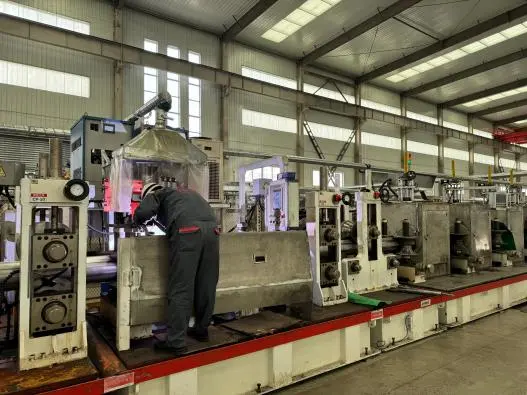
When choosing qualified manufacturers, you need to look at more than just price. Our facility has 15 dedicated production lines that can make 50,000 tonnes of product each year. This makes sure that large projects can always get what they need. Pressure Equipment Directive (PED) compliance, ISO 9001 quality management certification, and TÜV test approvals all show that quality control is done in a planned way and that the product meets all safety standards. Experienced suppliers are different from commodity vendors because they offer technical support throughout the whole procurement process, from choosing the materials to helping with installation. Buyers who are in charge of projects in the new energy sectors, especially those that involve making hydrogen and using fuel cells, gain from providers who know how these new technologies cause corrosion and thermal stress.
Lead Times and Inventory Management
Standard wait times for custom standards are between four and eight weeks, based on the size, thickness, and number of items needed. For pressing needs, our fast production can get materials to Tianjin Port within seven days, and we also keep a strategic stock of popular sizes and grades. Minimum order quantities of one pipe allow for prototype development and small-scale projects. Larger orders get better pricing and are scheduled more quickly. Material is kept safe during international shipping in wooden boxes that can have steel frames added if needed. Hexagonal bundling and woven bag overwrap keep the surface from getting damaged, which could weaken the corrosion resistance. Logistics teamwork that works well between finishing production, making sure paperwork is correct, and planning when ships will arrive helps keep project delays to a minimum and lowers the amount of working capital needed for big installations.
Advantages of Choosing ASTM A358 321 Class 1 EFW Steel Pipes for High-Temperature Applications
In addition to meeting technical requirements, choosing ASTM A358 Grade 321 Class 1 EFW Steel Pipes has clear practical and financial benefits that last the lifecycle of the project. These benefits add up over time, making the initial material investment worthwhile.
Reduced Maintenance and Extended Service Life
Titanium stabilisation stops sensitisation, so there is no need for post-weld heat treatment in many situations. This cuts down on costs and building times. Once the material is in place, it doesn't rust or corrode at high temperatures, so inspections can be spaced out and parts don't have to be replaced as often. Power plants say that their upkeep costs are less than 30% of what they were when they used non-stabilized austenitic grades. This is mostly because they don't have to deal with unplanned power cuts caused by pipes breaking early. Chemical processing plants see similar benefits. For example, ASTM A358 Grade 321 Class 1 EFW Steel Pipe heat exchanger tubing has twice as long a service life as standard stainless steel materials used in the same amount of work.
Versatility Across Multiple Industrial Sectors
Because it can handle high temperatures, doesn't rust, and can be shaped in a variety of ways, ASTM A358 Grade 321 Class 1 EFW Steel Pipe is useful in many situations. We sell piping systems to companies that make power batteries. Precise temperature control makes sure that cells last a long time and are safe. Manufacturers of tools used to make hydrogen use our material in electrolysis systems that work under both temperature and electrochemical stress. Automotive makers use these lines in the thermal systems of new energy vehicles because they are lighter than heavier metal options. Metallurgical operations use ASTM A358 Grade 321 Class 1 EFW Steel Pipe in acid recovery and chemical processing circuits, which are tough on normal materials because of the high temperatures and corrosive chemicals. This wide range of uses makes it possible to standardise procurement across multiple plant systems. This makes it easier to manage inventory and train maintenance staff.
Lifecycle Cost Advantages and ROI
The initial cost of materials is only one part of the total costs of ownership. Through longer service intervals, less inventory of extra parts, and fewer production interruptions, reliability-centered maintenance analysis repeatedly shows that high-performance materials lower the total cost of ownership. A chemical company that spent money to upgrade heat exchanger pipes from Grade 304 to ASTM A358 Grade 321 Class 1 EFW Steel Pipe got its money back in just 18 months because it no longer had to repair them every two years. Because it has better thermal properties, it can work at higher temperatures or pressures, which boosts process efficiency and output without having to remake the equipment. Getting better at managing heat in battery systems and fuel cells can save more energy, which is worth more than the cost of the materials used for the pipes.
Conclusion
ASTM A358 Grade 321 class 1 EFW Steel Pipe is a proven solution for industrial applications that require reliable performance under extreme temperature conditions. The titanium-stabilised austenitic structure of ASTM A358 Grade 321 class 1 EFW Steel Pipe provides excellent thermal stability, oxidation resistance, and corrosion protection, helping extend component service life and reduce maintenance requirements across industries such as chemical processing, power generation, hydrogen production, and new energy vehicle manufacturing. With its strong resistance to high-temperature environments, ASTM A358 Grade 321 class 1 EFW Steel Pipe supports long-term operational reliability and improved system performance. Purchasing ASTM A358 Grade 321 class 1 EFW Steel Pipe from reputable suppliers that provide complete quality documentation, professional technical support, and dependable logistics services helps ensure successful project execution and long-term application value. By choosing ASTM A358 Grade 321 Class 1 EFW Steel Pipe, companies can achieve a reliable balance of durability, performance, and lifecycle efficiency in demanding industrial environments.
FAQ
What range of temperatures is safe for ASTM A358 Grade 321 Class 1 EFW Steel Pipe?
From very cold temperatures all the way up to 1500°F (815°C), ASTM A358 Grade 321 Class 1 EFW Steel Pipe works reliably in continuous service. The material keeps its structural integrity and resistance to corrosion throughout this range, as long as it stays below the allowable stress levels set by Section II Part D of the ASME Boiler and Pressure Vessel Code. It can be exposed to temperatures close to 1650°F for short periods of time without losing any of its properties permanently.
How does stabilising titanium keep welds from becoming sensitive?
When stainless steel is welded or exposed to temperatures between 800°F and 1500°F for a long time, carbon moves to the edges of the grains and mixes with chromium to make chromium carbides. This lowers the amount of chromium near the edges of the grains, making areas vulnerable to corrosion between the grains. Titanium sticks to carbon better than chromium does, so it forms titanium carbides instead of chromium oxides, which keep the protective layer on the structure of the material.
In pressure situations, can Class 1 EFW pipe be used instead of seamless pipe?
The ASME Code says that Class 1 EFW pipe that has been fully X-rayed has the same joint efficiency as seamless pipe (factor of 1.0), which means that they can be used in the same pressure estimates. The documented quality of the weld through NDT inspection often gives more confidence than seamless pipe, where flaws inside may not be seen. When the width needs to be more than 24 inches, EFW design is the best option, even if seamless is available.
What paperwork should go with the arrival of the goods?
For full procurement, you need Material Test Certificates (EN 10204 3.1 or 3.2) that show the results of chemical analysis and mechanical tests, as well as full radiographic and ultrasonic test reports that show the results of weld examinations, Welding Procedure Specifications (WPS) and Procedure Qualification Records (PQR) that list qualified welding processes, and Manufacturing Procedure Specifications (MPS) that list production controls. These papers help with building according to ASME code, following PED rules, and future maintenance tasks.
Partner with YOUFA for Premium Grade 321 EFW Steel Pipe Supply
YOUFA has been making specialised stainless steel pipes for more than seven years and can help you with your high-temperature projects. Our factory is certified by ISO 9001, PED, and TÜV, and we make ASTM A358 Grade 321 Class 1 EFW Steel Pipe. The pipes come with all the paperwork that you need, like MTC/MTR 3.1/3.2 certificates, WPS/PQR records, and full UT/RT inspection reports. As a reliable ASTM A358 Grade 321 Class 1 EFW Steel Pipe supplier, we help procurement professionals in the new energy, chemical, automotive, and power generation industries by offering technical support, the ability to order as few as one pipe, and fast delivery to meet tight project deadlines. Email our team at info@youfass.com to talk about your needs and get detailed quotes backed by our dedication to quality, dependability, and service that puts the customer first.
Online Message