
Aug 10, 2026
How Do ASTM A358 GR 316 316L CL1 Pipes Improve Industrial Pipeline Reliability?
ASTM A358 GR 316 316L CL1 WLD Steel Pipes dramatically improve industrial pipeline reliability through their exceptional corrosion resistance, superior weldability, and rigorous quality controls. These electric fusion welded pipes combine molybdenum-bearing chemistry with low carbon content, preventing sensitization during welding while delivering excellent performance in high-temperature, chemically aggressive environments. The Class 1 designation guarantees 100% radiographic testing, ensuring weld integrity equivalent to seamless pipes, which translates directly into reduced failure rates, lower maintenance costs, and extended service life across demanding applications.
|
 |
|
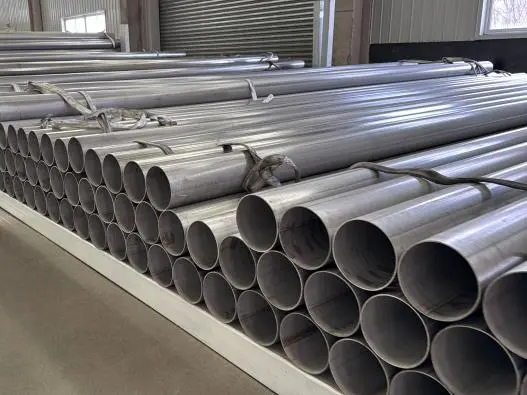
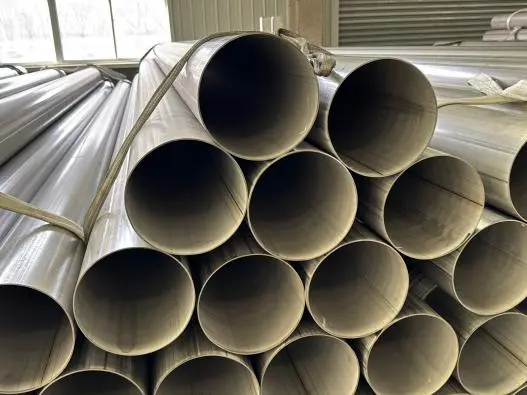
Understanding ASTM A358 GR 316 vs 316L CL1 Pipes: Chemical & Mechanical Foundations
Understanding the make-up of materials and how they affect performance in the real world is the first step in building efficient pipeline systems. When we look at welded stainless steel pipes for commercial uses, the differences between common 316 and 316L grades become very important for engineers and people who buy things.
The Chemistry Behind Superior Performance
The main difference between 316 and 316L stainless steel is the amount of carbon in them, which has a big effect on how well they weld and how well they resist corrosion. In general, grade 316 has no more than 0.08% carbon, and grade 316L has even less, at most 0.03%. Both types have chromium (16–18%), nickel (10–14%), and molybdenum (2–3%), but 316L has less carbon, which stops carbide from forming when it is welded.
This property of the metal becomes very important in the heat-affected areas next to weld cracks. At temperatures between 800°F and 1500°F, carbon can combine with chromium to make chromium carbides. These carbides remove chromium from the surrounding matrix, which helps fight corrosion. This risk of sensitisation is kept to a minimum by the 316L makeup, which keeps the rust resistance even across the whole pipe structure, even in weld zones that are usually weak spots in pipeline systems.
Class 1 Designation and Mechanical Integrity
The ASTM A358 standards for ASTM A358 GR 316 316L CL1 WLD Steel Pipes require pipes to be manufactured with a double-welded longitudinal joint using filler metal, along with 100% radiographic examination to verify weld quality. This strict inspection process ensures that every ASTM A358 GR 316 316L CL1 WLD Steel Pipes product meets the required mechanical performance standards, including a minimum tensile strength of 75 ksi and a minimum yield strength of 30 ksi. The elongation capability of ASTM A358 GR 316 316L CL1 WLD Steel Pipes, which is typically required to reach at least 35% in 2 inches, is essential for allowing the pipes to withstand bending, thermal expansion, and pressure fluctuations without failure. By following these strict ASTM A358 requirements, ASTM A358 GR 316 316L CL1 WLD Steel Pipes provide reliable structural integrity, consistent weld performance, and long-term durability for demanding industrial applications.
Dimensional Precision for System Integration
With outside diameters from 114.3 mm to 2500 mm and wall thicknesses from 3 mm to 50 mm, these pipes can be used for almost any industrial piping need. The electric fusion welding (EFW) process makes it possible to make large-diameter heavy-wall pipes that would be too expensive or technically impossible to make as uniform units. This gives engineers who are designing high-capacity transfer systems more design options.
How ASTM A358 GR 316L CL1 Pipes Solve Industrial Pipeline Challenges
There are ongoing problems in industrial operations that have a direct effect on their ability to make money, follow safety rules, and care for the environment. In the process industries, pipeline failures are some of the most expensive and dangerous accidents. This makes material selection a very important risk management decision.
Combating Corrosion in Aggressive Environments
Industry dependability studies show that corrosion is the cause of about 25% of unexpected shutdowns in chemical processing plants. Because 316L grade has a lot of molybdenum, it is very resistant to pitting and crevice corrosion in chloride-rich settings like seawater, brine solutions, and chlorine process streams. Unlike carbon steel alternatives that may need coatings or cathodic protection systems to keep them safe, stainless steel welded pipes are naturally resistant to corrosion thanks to the chromium oxide layer that covers their surface.
This benefit is clearly shown by how it is used in distillation plants. Facilities that use 316L CL1 pipes for seawater intake systems say that they last longer than 25 years with little upkeep. Coated carbon steel pipes, on the other hand, need to be replaced every 5 to 8 years in the same circumstances. When avoided replacement projects, fewer inspections, and no longer needing coating maintenance programs are taken into account, the total cost of ownership calculation changes in a big way.
Weld Integrity and Long-Term Reliability
When low carbon chemistry is combined with comprehensive radiographic testing, ASTM A358 GR 316 316L CL1 WLD Steel Pipes can achieve weld seams with strength levels comparable to the base material. Our Welding Procedure Specifications (WPS) and Procedure Qualification Records (PQR) for ASTM A358 GR 316 316L CL1 WLD Steel Pipes define critical welding parameters, including preheating temperatures and interpass temperature limits, ensuring consistent quality across different production batches. Material Test Reports (MTR) that comply with EN 10204 3.1 and 3.2 standards provide complete traceability for ASTM A358 GR 316 316L CL1 WLD Steel Pipes, from mill certifications through final installation. By maintaining strict welding controls and detailed documentation, ASTM A358 GR 316 316L CL1 WLD Steel Pipes deliver reliable weld integrity, consistent performance, and long-term durability for demanding industrial applications.
Before pipes leave our facility, they are tested hydrostatically at pressures that are predicted to hit 90% of their yield strength. This makes sure that they are leak-proof. This all-around quality assurance method addresses the valid concerns that procurement professionals have about how well welded pipes work compared to seamless ones, especially in high-stakes situations where failure could cause harm, damage to the environment, or lost production.
Extended Service Life Through Heat Treatment
Controlled thermal processing for stress relief gets rid of the stresses that were introduced during forming and welding. These internal stresses can make cracks spread faster and can lead to stress corrosion cracking in service environments. Solution annealing changes the metallurgical state and creates a uniform microstructure with the best mechanical qualities across the whole length of the pipe wall.
Chemical companies that use 316L CL1 lines to move sulphuric acid say that they don't need to be replaced for more than 15 years, while other materials only need to be replaced every 7 to 10 years. The higher reliability means that maintenance schedules are more reliable, emergency repairs cost less, and operating safety is higher.
Comparison with Other Steel Pipe Grades and Standards
To choose the best materials for pipes, you need to know how different grades and manufacturing standards work in certain situations. Lifecycle cost analysis and risk assessment must be used to show that the investment in high-quality materials is worth it.
ASTM A358 316L CL1 vs 304 Grade Stainless
The TP304 grade is very good at resisting rust in many situations, but it doesn't have the molybdenum added to 316L, which makes it better at dealing with chlorides and acidic conditions. 304 grade is more likely to pit when it comes to sulfur-containing fuels being used in industrial processes, while 316L is better at resisting this type of rust. The slightly higher cost of materials for 316L—usually 15-20% more than for 304—is easily justified when you consider the benefits of not breaking down early in acidic service.
When our clients want to know if the extra molybdenum content is worth the extra cost, our technical team helps them do corrosion assessments that are specific to their environment. 316L specification is almost always better than the 304 specification for applications that involve brackish water cooling systems, pharmaceutical processes, or coastal settings.
Welded ASTM A358 vs Seamless ASTM A312 Pipes
Because they don't have any weld seams, ASTM A312 seamless pipes have traditionally been chosen for important applications. However, modern EFW manufacturing, along with 100% radiographic inspection, makes welded pipes that have joint efficiency factors of 1.0, which is the same as seamless construction. Class 1 testing makes sure that the quality of the weld matches or beats the features of the parent material.
When working with big diameters, the actual benefit of welded construction becomes clear. When the width of a seamless pipe goes over 16 inches, it gets more expensive and may take longer to get because mills aren't always available. Welded construction makes it cheap to make pipes with diameters of 24 inches, 36 inches, and even bigger, and lets you make the wall thickness exactly the right way for the pressure needs. This is in contrast to smooth construction, which limits the wall thickness.
Stainless vs Carbon Steel Lifecycle Economics
For many industrial uses, the traditional method is to use carbon steel pipes with protective coatings. But the lifecycle cost equation has changed because it is now easier to make stainless steel. Stainless steel is often the more cost-effective choice over a 20-year project span when you consider the costs of coating application, coating upkeep, corrosion limits that require thicker walls, and more frequent replacement cycles.
This study is especially helpful for offshore sites and facilities near the coast. Getting rid of coating maintenance in places that are hard to get to lowers both the direct costs and the safety risks that come with working in confined spaces and being exposed to chemicals. Stainless steel is naturally resistant to corrosion, so it is safe even if it gets damaged mechanically. This is different from coated systems, where any damage to the coating creates a place where rust can start.
Procurement Considerations for ASTM A358 GR 316L CL1 Welded Pipes
Choosing suppliers who can bring quality goods on time and with all the necessary paperwork is key to a successful job. When buying important materials for pipes, the buying process is more than just comparing prices. It also includes quality control, expert help, and making sure the supply chain works well.
Certification and Quality Documentation Requirements
Reliable providers offer complete paperwork packages that make it possible to check that the materials are compliant and establish traceability. Some important qualifications are ISO 9001 registration for quality management systems, Pressure Equipment Directive (PED) compliance for European uses, and ISO 17025 recognition for testing labs. Our TÜV certification is an independent check that the way we make things meets international standards for making pressure vessels and pipes.
Material test certificates for ASTM A358 GR 316 316L CL1 WLD Steel Pipes should provide detailed information, including the exact chemical composition from heat analysis, mechanical test results from tensile and hardness examinations, and evidence of corrosion resistance through intergranular corrosion testing according to ASTM A262 requirements. Ultrasonic (UT) and radiographic (RT) inspection reports for ASTM A358 GR 316 316L CL1 WLD Steel Pipes confirm that internal defects are absent, while hydraulic test reports verify that pressure performance remains within the required limits. Third-party inspection (TPI) services can provide additional oversight by witnessing testing procedures and confirming documentation accuracy for critical applications that require higher levels of security. Through complete certification, inspection, and traceability systems, ASTM A358 GR 316 316L CL1 WLD Steel Pipes ensure reliable quality, strong performance, and long-term durability in demanding industrial environments.
Pricing Factors and Volume Considerations
The prices of the materials used to make stainless steel pipes are affected by the global markets for nickel and chromium, the amount of capacity that is being used in mills, and the size requirements. Prices are usually better for standard sizes that are kept in stock than for custom sizes that need dedicated production runs. Choosing the right wall thickness has a direct effect on how much material is used. On big projects, selecting exactly calculated thicknesses instead of using plan numbers can save material.
Our low minimum order number of just one pipe works for prototypes and repair jobs. Larger buyers get savings and better production planning that makes sure deliveries are coordinated. Our 15 production lines can make 50,000 tonnes of steel every year, which ensures supply for projects with multiple stages that last for years.
Delivery Logistics and Project Scheduling
When there are tight building plans or turnaround windows, managing lead times becomes very important. Our fastest delivery time of seven days to Tianjin Port meets urgent needs. For common specifications, standard production takes three to four weeks. Putting pipes in wooden boxes with steel frames and hexagonal binding can help protect them during international shipping and lower the risk of damage that could cause the project to be delayed.
Strategic providers keep stock plans for sizes that are often asked for, which makes customers less reliant on mill wait times. Our 200+ employees and multiple production lines give us the freedom to meet urgent needs without lowering the quality of our work. It's easier to deal with the logistics problems that come up with foreign procurement when you have clear lines of communication and project management experience.
Best Practices for Utilizing ASTM A358 GR 316L CL1 Pipes in Industrial Pipelines
It's important to follow the right installation and maintenance procedures for premium piping materials to get the most out of them. Even the most corrosion-resistant materials will break down early if they are welded incorrectly or if they are not maintained properly and early signs of degradation are not taken into account.
Welding Procedures for Optimal Joint Quality
To successfully weld 316L grade stainless steel in the field, you must strictly follow approved methods that limit the amount of heat applied and keep the weld area clean from outside contaminants. Backing gas, usually argon or helium, protects the inside of the root pass. This stops sugaring and oxidation, which weakens the resistance to corrosion. Filler metals should have the same composition as the base metal or a little more. For example, 316L filler wire stops dilution effects that could raise the carbon content in the weld zone.
Installation and Inspection Protocols
Transporting and installing things correctly keeps surfaces clean and stops mechanical damage. Carbon steel should not come into contact with stainless steel because iron bits embedded in stainless steel surfaces create places where corrosion can start. Handling tools and storage places made of stainless steel keep cross-contamination to a minimum, which is important for long-term performance.
Visual checks should be done to make sure that everything is lined up and fits well before welding starts. On finished welds, surface-breaking flaws can be found with liquid penetrant tests or magnetic particle inspection. Internal fractures can be seen with X-rays or ultrasounds. Our method for tracking materials makes sure that all lines have heat number markings that connect to full mill test records. This lets us make sure that the materials placed are exactly what the project called for.
Maintenance Strategies for Extended Service Life
Preventative maintenance programs find signs of wear and tear before they lead to failures. Visual inspections should be done on a regular basis to record any changes in colour, stains, or deposits that could be signs of corrosion or process contamination. Ultrasonic thickness measurements set the baseline wall thickness and keep track of any metal loss over time. This lets maintenance decisions be based on conditions instead of just picking a random replacement schedule.
When a chemical process goes wrong, it can put pipes in situations that are too harsh for their design. After an excursion event, checking processes should make sure that the integrity of the pipe is still intact and that no surprising corrosion mechanisms have started. Corrosion coupons or electronic corrosion monitoring give real-time information about the actual corrosion rates in systems that use different process chemicals.
If the protective chromium oxide layer has been damaged by contamination or mechanical stress, passivation methods with nitric acid or citric acid liquids can bring it back to life. This pretty easy chemical treatment makes stainless steel last longer by restoring the corrosion resistance mechanism that makes it strong in harsh environments.
Conclusion
Welded ASTM A358 GR 316 316L CL1 WLD Steel Pipes are a tried-and-true way to make sure that industrial pipelines work reliably in tough situations. When you combine optimised chemistry, strict production standards, and thorough quality testing, you get performance that is as good as or better than options like seamless pipes at a lower cost. Our experience making these important parts shows that choosing the right materials, working with trusted suppliers, and following good engineering methods can make pipeline systems that last for decades. Spending more on high-quality materials pays off in lower maintenance costs, longer service intervals, and safer operations.
FAQ
What makes Class 1 designation important for welded stainless steel pipes?
Class 1 pipes have all of their longitudinal weld seams X-rayed to make sure there are no internal flaws that could weaken their pressure integrity. This level of checking makes the weld joint as efficient as a seamless pipe, which means that welded pipes can be used in high-pressure situations where dependability is very important. As long as the testing process finds any problems with the way the pipes were made before they get to your plant, you won't have to deal with surprises in the field that cause delays and extra costs for rework.
How does 316L grade differ from standard 316 in practical applications?
Because 316L has less carbon, it doesn't become sensitive when it's welded or exposed to high temperatures between 800°F and 1500°F. This feature keeps the corrosion resistance high in weld heat-affected areas where regular 316 might become prone to intergranular rust. 316L specification is very useful for applications that involve welding or short-term changes in temperature, especially in corrosive chemical processing environments.
Can ASTM A358 pipes replace seamless ASTM A312 pipes in my application?
When 100% of the joints in Class 1 welded pipes are inspected with X-rays, the joint efficiency factors are 1.0, which means that the mechanical qualities are the same as with seamless construction. Most of the time, availability of diameters and cost are more important than performance limits when making a choice. Welded construction is better than seamless construction above 16 inches in diameter, where seamless pipe is less common and costs a lot more.
Partner with YOUFASS for Your Stainless Steel Piping Needs
YOUFASS Stainless Steel Pipe Co., Ltd. can help you with even the most difficult piping tasks because they can make anything and have a lot of scientific knowledge. As a supplier of ASTM A358 GR 316 316L CL1 WLD Steel Pipes that is certified by ISO 9001, PED, and TÜV, we can give you the quality assurance and paperwork that your needs require. Our 15 production lines and 50,000-ton annual capacity can handle projects ranging from small installations to big ones. We can deliver in as little as seven days to fit your plan. Get in touch with our technical team at info@youfass.com to talk about how our production know-how, full testing documents, and quick service can help your next project with reliable stainless steel piping solutions.
Online Message