
May 7, 2026
How Do ASTM A312 304 Stainless Steel Pipes Perform in Corrosion?
The balanced chromium-nickel content of ASTM A312 304 stainless steel pipes makes them very resistant to rust in most industrial settings. This is because they form an inactive oxide layer that protects against oxidation and chemical attack. The 304 grade is good at resisting rust from air, freshwater, and many organic acids. However, places high in chloride or acidity may need metals that are better suited to those conditions.
Understanding ASTM A312 304 Stainless Steel Pipes and Their Corrosion Resistance
The ASTM A312 standard covers seamless, welded, extremely cold-worked austenitic stainless steel pipes for high-temperature and corrosive operation. YOUFASS has been producing these pipes since 2017, and our experience has demonstrated that the TP304 grade, with 18% chromium, 8% nickel, and 0.08% carbon, creates an industrial worker who can handle many fluid transport difficulties. This combination lets chromium-rich passive films develop naturally. Oxygen damage may be repaired, preserving this film against chemical assault at all times.
Technical Definition and Key Specifications
Seamless, welded, or extremely cold-worked ASTM A312 TP304 pipes are available. Sizes vary from NPS 1/8" to 48" (DN6–DN1200) with wall thicknesses from Schedule 5S to XXS. The specification mandates 1040°C solution annealing. After that, rapid water cooling breaks down carbides and stabilizes the austenitic microstructure. This heat treatment provides maximum rust prevention by preventing chromium utilization along grain boundaries. Minimum tensile and yield strengths are 515 and 205 MPa, respectively, to fulfill mechanical requirements. It promotes structural stability and chemical resistance.
Chemical Composition and Passive Layer Formation
Most corrosion prevention is dependent on chromium levels. Airborne chromium and oxygen form a thin, transparent 1-3 nanometer chromium oxide layer. In locations without chlorine, this inactive layer is stable at 425°C and pH 4–10. Nickel improves this resistance by expediting repassivation after mechanical film degradation. Even with pickling, bright annealed, or electropolished surface treatments, properly annealed TP304 pipes retain this protective barrier, according to ISO 17025 lab testing.
Common Corrosion Types and Environmental Factors
TP304 pipes may be damaged despite their rust resistance. The inactive layer breaks down and leaves tiny holes in the wall when chloride ions concentrate near surface defects. We term this pitting corrosion. Crevice corrosion occurs in shielded areas without adequate oxygen for repassivation. Intergranular rust occurs when faulty welding or heat treatment generates chromium carbide at grain boundaries, leaving safe chromium close. Increasing temperature promotes these processes, and stagnant fluids increase ion concentration. Buying teams may pick the proper grades for their operations when they recognize these failure scenarios.
Factors Influencing Corrosion Performance of ASTM A312 304 Stainless Steel Pipes
Corrosion in industrial pipe systems is caused by many factors working together to determine how reliable ASTM A312 304 Stainless Steel Pipes will be in the long run. With a yearly production capacity of over 50,000 tons, we've seen how small changes in chemistry, processing, and working conditions can have a big effect on service life. When engineers select materials for pipes, they can't just look at the grade designation; they have to look at all of these things together.
Chemical Composition Variables and Alloy Modifications
Standard TP304 contains 18–20% chromium and 8–10.5% nickel; however, tiny variations may greatly impact its rust resistance. The Pitting Resistance Equivalent Number (PREN = %Cr + 3.3%Mo + 16%N) demonstrates that materials with greater chromium around the upper standard range pit less in chloride environments. The TP304L variant reduces carbon to 0.03%. Limiting chromium carbide production prevents weld sensitivity. Heavy-gauge welded structures in chemical processes cannot be heat-treated; this adjustment is needed. Molybdenum, titanium, and niobium worsen certain rusts. So there are grades like TP316 (molybdenum-enhanced) and TP321 (titanium-stabilized).
Manufacturing Process Impact on Microstructure
Heat treatment affects corrosion by influencing grain structure and carbide distribution. Solution annealing at 1040–1120°C breaks down chromium carbides and evens out alloying elements, making the metal rust-resistant. Rapid water quenching prevents carbide recrystallization despite cooling. Cold working via pipe reduction strengthens, but it may also turn austenitic structures into martensite, which can cause galvanic cells that accelerate localized rusting. Our manufacturing lines balance mechanical qualities with rust resistance using regulated deformation rates and interim annealing. Choosing the correct surface finish affects corrosion speed. Electropolished surfaces eliminate surface defects and embedded impurities, reducing pit-starting sites by 60% in salt service compared to pickled finishes.
Operational Parameters and Environmental Stressors
When temperatures are above 60°C, the electrochemical reaction rates are tenfold. Every 30°C increase in active medium doubles corrosion rates. In acidic settings below pH 4, the protective chromium oxide layer breaks down more quickly, whereas alkaline situations over pH 12 may produce stress corrosion cracking under tension loads. The most critical aspect is the chloride %. Freshwater under 100 ppm chlorides may be utilized for decades, whereas seawater with 19,000 ppm cracks at 25°C. Different fluid velocities impact corrosion differently. Moderate flow (1-3 m/s) preserves oxygen for repassivation, but high velocity (over 5 m/s) physically damages the passive layer. We advise customers to pilot test when realistic variables approach these cutoff thresholds.
ASTM A312 304 vs Alternative Stainless Steel Pipes: Corrosion and Cost Comparison
To choose the right material, you have to weigh its resistance to rust, its mechanical qualities, and its overall cost of ownership over the life of the asset. In addition to production, part of our job as a solution provider is to help buying teams think through these trade-offs in a structured way. The research that follows gives choice frameworks based on real field performance data and economic modeling.
Performance Comparison Across Stainless Grades
TP316 stainless steel contains 2–3% more molybdenum than TP304, making it more resistant to chloride pitting and crevice rust. TP316 can withstand 500 hours or more before pitting in lab salt spray testing, but TP304 can only last 72 to 120 hours. This performance advantage allows it to be employed consistently in marine, salty water, and pulp bleaching operations where TP304 breaks too fast. TP316 material costs 18–25% more, but it prevents sudden shutdowns and allows thinner walls due to superior rust tolerances. TP304L and TP316L low-carbon versions prevent joint sensitization without further support. This simplifies system design and construction while significantly raising costs.
Carbon Steel Alternatives and Corrosion Risk
Although carbon steel pipe is 40–60% cheaper than ASTM A312 304 Stainless Steel Pipes, corrosion management expenses are hidden. In freshwater systems, uncoated carbon steel corrodes 0.1–0.3 mm each year. This requires a 3–6 mm rust tolerance, making the material heavier and the walls thicker. Internal coatings, such as fusion-bonded epoxy, cost $15 to $30 per meter but must be applied correctly to prevent the covering from peeling and the under-film from rusting more quickly. External rust prevention using cathodic systems requires frequent maintenance. In most industrial water applications, carbon steel's lifetime cost is greater than stainless steel's after 12–15 years. This is due to increased replacements, maintenance downtime, and energy losses from corrosion tubercles roughening the surface.
Lifecycle Cost Analysis and Total Ownership
Instead of the purchase price, wise buyers consider net present value over estimated service life. Comparing chemical company expenses for a 100-meter DN150 Schedule 40 pipeline is helpful. While TP304 seamless pipe costs $185 per meter installed, it should last 25 years with little maintenance other than inspections. Equivalent carbon steel pipe costs $78 per meter but requires replacement every 12 years. Keeping the coating clean and checking for corrosion costs $8 per meter annually. Carbon steel costs $142 per meter, $43 cheaper than stainless steel, if you discount future prices by 6% a year. In harder situations, TP316, which costs $228 per meter, may last 35 years or more, cutting the lifetime cost to $186 per meter for chloride-exposed installations. These numbers demonstrate why our petroleum and power-generating customers are increasingly selecting stainless grades, even while they are under budget: complete ownership justifies the expenditure when asset dependability is crucial.
Practical Applications and Industry Use Cases of ASTM A312 304 Stainless Steel Pipes
The best approach to determine a material's utility is real-world performance data. Our clients in the new energy, technology, car, chemical, medical, and aerospace sectors have told us when TP304 pipes function best and when updated metals are required. These insights assist engineering teams in avoiding costly specification errors that damage things early or cost too much in materials.
Chemical processing facilities employ TP304 pipes for mild organic acids, alcohols, and organic liquids below 80°C. A polymer manufacturing unit we built in 2019 employs 2,400 meters of DN50-DN300 TP304 welded pipe to constantly flow acetone, methanol, and ethanol at 60–70°C. After four years of usage, an examination indicated routine corrosion of less than 0.01 mm/year and no distinct assault. It proved adequate for this purpose. Our ISO 9001-certified manufacturing method finished solution-annealing and pickling. This maintained surface quality and prevented contamination and fouling. This placement indicates that TP304 is suitable for organic chemical duty without chlorides and strong oxidizers.
Clean pipes that don't rust from cleaning products and don't contaminate food and beverages are essential. Dairy processing factories use TP304L electropolished pipe for milk, cream, and whey. The smooth surface (Ra < 0.8 μm) facilitates in-place cleaning and prevents germs from clinging. Our partner dairy equipment manufacturer employs bright annealed TP304L tubes for pasteurization heat exchanger bundles. The material can withstand repeated heating and cooling at 4°C to 75°C and acid and caustic cleaning. The low carbon concentration prevents sensitization in heat-affected regions near welds, making the sewage pipe network rust-resistant. This usage illustrates how TP304L is purer and simpler to clean than carbon steel in food-contact situations.
Making medications requires greater criteria. They feature corrosion resistance, proof certificates, and material tracking. We supply TP316L pipes for manufacturing active pharmaceutical compounds because molybdenum resists salty solvents and acidic synthesis conditions. If harmful chemicals are not present, TP304 may be utilized for clean water and steam distribution systems. In 2021, we put TP304 at a biotech complex to distribute room-temperature injection water. The material may be monitored using heat numbers and Mill Test Certificates per EN 10204 3.1. TPI, WPS/PQR, and orbital weld data were needed for FDA certification. This instance highlights how selecting the correct materials may aid quality control in regulated organizations.
Austenitic stainless steel is utilized in power plant chemical feed lines, condenser systems, and waste gas sulfur removal equipment. Condensate from boiler feedwater has a neutral pH and minimal oxygen. This allows TP304 to function safely at 200°C. We supplied a 2020 combined-cycle power plant with DN400 TP304 seamless tubing for high-pressure condensate return. This material was selected since it's thermal expansion-compatible, simple to weld, and doesn't rust like carbon steel. All welds have UT and RT data per ASME B31.1 Power Piping Code. Our quality assurance program provides this standard documentation. This project illustrates how TP304 can balance speed and affordability over decades of infrastructure servicing.
Procurement Insights for ASTM A312 304 Stainless Steel Pipes
Successful purchasing involves more than price negotiations. It involves certifying suppliers, organizing transportation, and ensuring product quality. We've found common issues and supply chain performance improvements by talking to procurement professionals from several sectors. These guidelines help purchasing teams avoid specification errors, late delivery, and quality conflicts that derail projects and raise prices.
Companies with ISO 9001 and PED-compliant quality management systems should be prioritized when picking a supplier. We have a TÜV-certified ISO 17025 testing lab. This lab does chemical, mechanical, non-destructive, and metallurgical testing. This internal possibility verifies every output lot and records the findings on Mill Test Certificates that may be connected to heat numbers and production dates. For critical usage, TÜV, Lloyd's, and Bureau Veritas inspections provide peace of mind. We typically provide this service at our manufacturing locations. Buying teams should ensure suppliers provide full documentation packages, including MTC/MTR (Material Test Certificates/Material Test Reports) according to EN 10204 3.1 or 3.2 standards, dimensional inspection reports, and any specialized testing like ASTM A262 Practice E intergranular corrosion testing for welded pipe.
Minimum order quantities and lead times affect project cost and schedule. Large manufacturers normally require 20–25 tons of containers for regular specifications, although they may accept lower quantities for a price. Because we wish to assist with prototype development and small-batch manufacturing, we accept one pipe order. However, whole container orders are cheaper. Standard mill production lead times for popular sizes are 30–45 days. Depending on raw material availability, unusual sizes or grades may take 60–75 days. We supply typical sizes in TP304/304L and TP316/316L to deliver swiftly. Tianjin Port receives our quickest shipping in seven days for urgent requirements. Planners who purchase goods should communicate project ideas early so vendors have time to manufacture things and the project doesn't become delayed or cost too much.
Shipping and packing impact items' readiness for installation. Standard export packaging is hexagonal bunding with woven outer wrapping. Wooden boxes with steel frames may hold large-diameter thin-wall pipes that flex. End guards protect threads on angled ends, and VCI film (Vapor Corrosion Inhibitor) protects the cable during ocean shipping. Each pack has heat codes, specifications, and size labels to make checking them when they arrive and tracking inventory easy. Careful loading is needed to maximize container weight within the 25–28-ton limitations and prevent damage during shipment. Procurement teams should specify packaging in purchase orders. Special branding, packing, or crating for direct delivery to distant construction sites is included.
Conclusion
The balanced chromium-nickel content and passive oxide protection system of ASTM A312 304 stainless steel pipes make them resistant to rust in a wide range of industrial settings. Knowing the limits of their performance compared to other options like TP316 and carbon steel lets you choose a material that minimizes costs over its lifetime and maximizes practical dependability. Variables in the manufacturing process, especially heat treatment and surface finish, have a big effect on how rust acts. So do external factors like chloride concentration, pH, and temperature. YOUFASS offers approved ASTM A312 pipe solutions backed by technical know-how and quick service by combining modern production methods with full quality control.
FAQ
What environments are optimal for ASTM A312 304 pipe usage?
It is recommended that chloride levels stay below 100 ppm and pH levels stay between 4 and 12. TP304 pipes work very well in atmospheric settings, watery systems, organic chemicals, and food processing uses. They can handle temperatures up to 425°C when they are not being used to oxidize. Avoid using TP304 in salty water, chemical processes with chloride, and concentrated acids. Instead, use TP316 or a better metal that won't break too quickly.
Should I choose 304 or 316 for high-temperature applications?
The choice isn't just based on temperature; the chemistry of the surroundings is more important. TP304 can easily and cheaply handle temperatures up to 425°C in clean oxidizing atmospheres, steam, and fluids that don't contain chlorine. When high temperatures are combined with chlorides, acids, or marine contact, TP316 becomes important. Instead of automatically choosing the more expensive 316, look at your unique process chemical and corrosion rate data.
Partner with YOUFASS for Reliable Stainless Steel Piping Solutions
Choosing the right ASTM A312 304 Stainless Steel Pipes source has effects on the success of your project that go far beyond the cost of the pipes themselves. YOUFASS has 15 production lines that can handle 50,000 tons of goods every year. They are certified by ISO 9001 and PED, and they also have an ISO 17025-accredited lab that makes sure every package meets the standards. Our more than 200 employees offer technical advice, a flexible MOQ that goes as low as a single pipe, and fast shipping to Tianjin Port for pressing needs within seven days. We provide full paperwork, such as MTC/MTR 3.1/3.2, TPI, WPS/PQR, and UT/RT records that meet the highest quality standards. Get in touch with our technical team at info@youfass.com to talk about your unique application needs and get expert advice on material choice, size, and buying strategy from a reputable ASTM A312 304 Stainless Steel Pipes maker that cares about your long-term success.
References
1. Davis, J.R. (2000). Corrosion of Weldments. ASM International, Materials Park, Ohio.
2. Sedriks, A.J. (1996). Corrosion of Stainless Steels, 2nd Edition. John Wiley & Sons, New York.
3. McGuire, M.F. (2008). Stainless Steels for Design Engineers. ASM International, Materials Park, Ohio.
4. Kain, R.M. (1990). "Pitting and Crevice Corrosion of Stainless Steels." Corrosion Engineering Handbook, Marcel Dekker, New York.
5. Beddoes, J. & Parr, J.G. (1999). Introduction to Stainless Steels, 3rd Edition. ASM International, Materials Park, Ohio.
6. Oldfield, J.W. & Sutton, W.H. (1978). "New Technique for Predicting the Performance of Stainless Steels in Seawater and Other Chloride-Containing Environments." British Corrosion Journal, Volume 13, Issue 1.
Online Message
YOU MAY LIKE
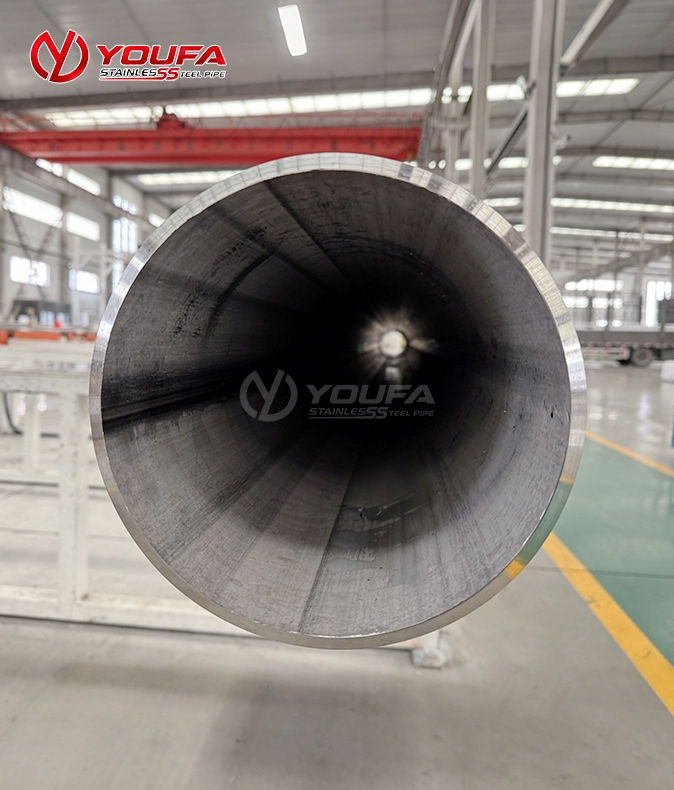
ASTM A312 Welded Stainless Steel Pipes
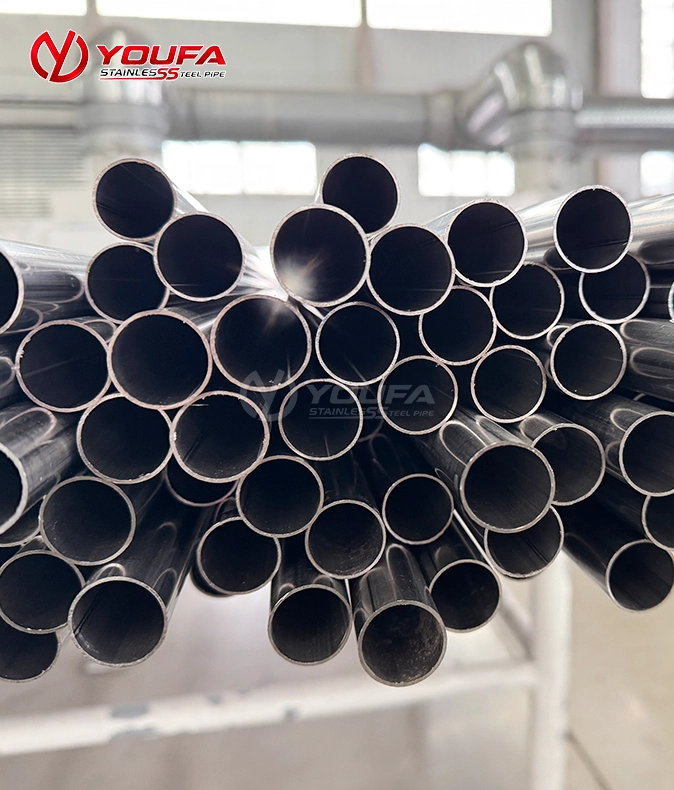
ASTM A269 TP347 Welded Steel Tubing
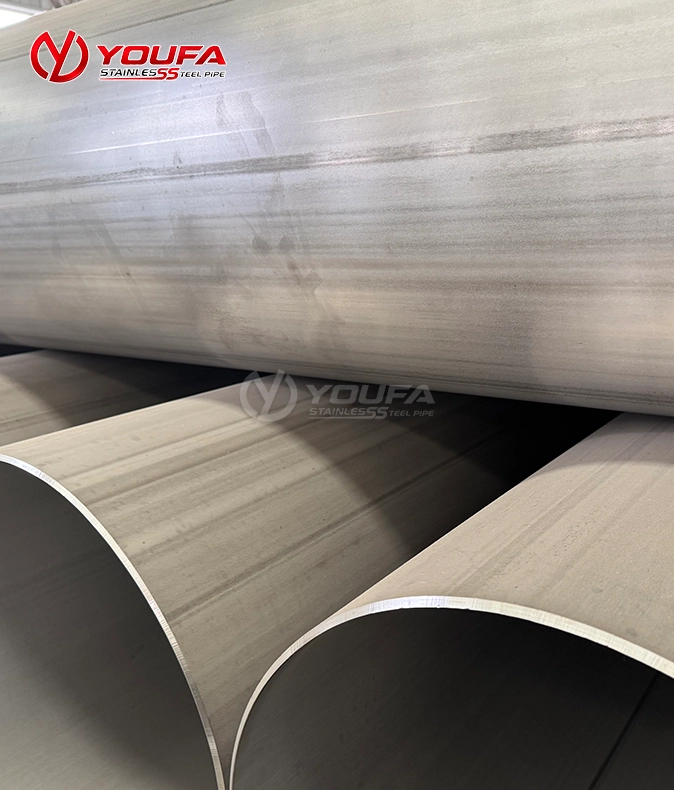
EN 10217-7 1.4401 Welded Steel Pipe
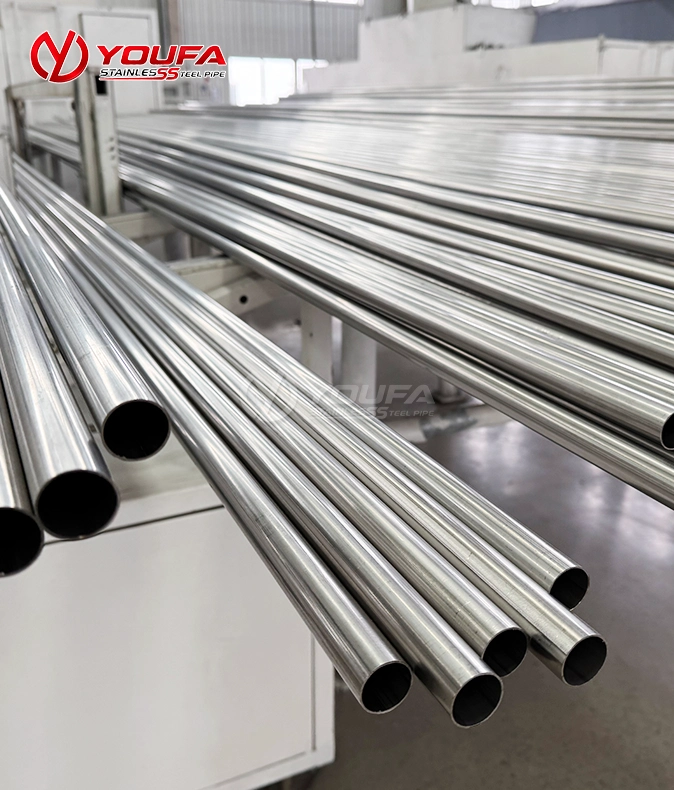
ASTM A270 Sanitary Stainless Steel Tubing
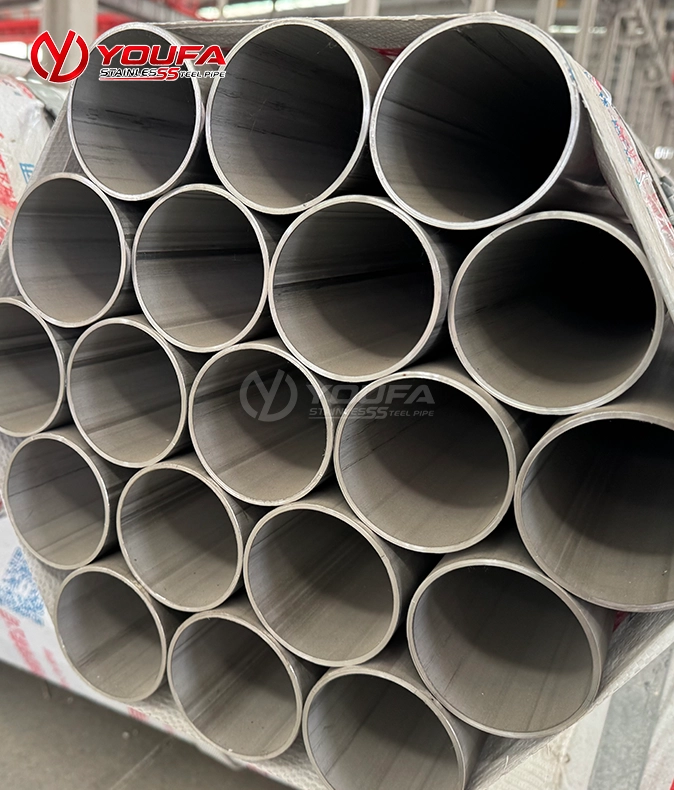
EN 10312 1.4307 Welded Steel Tubes
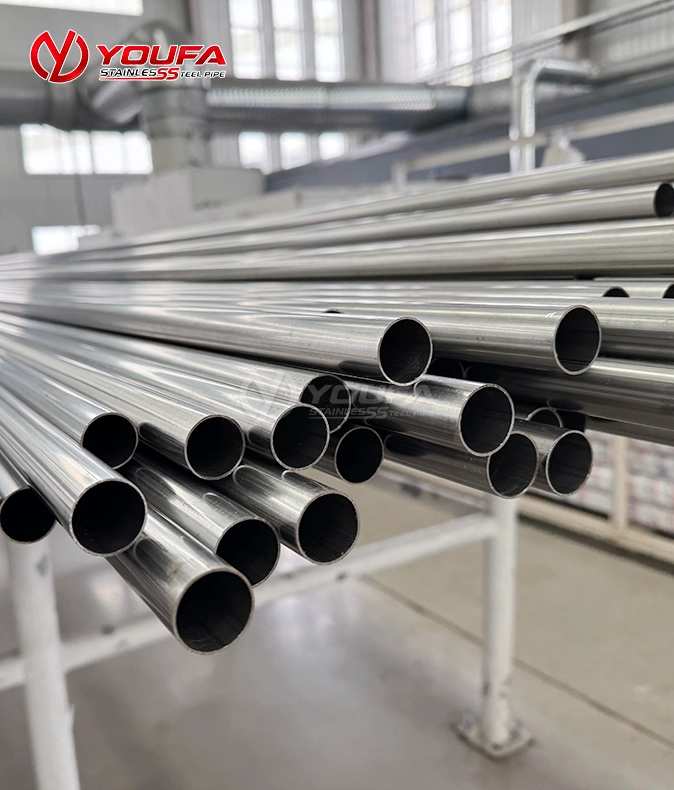
ASTM A269 TP316 Seamless Stainless Steel Tubing
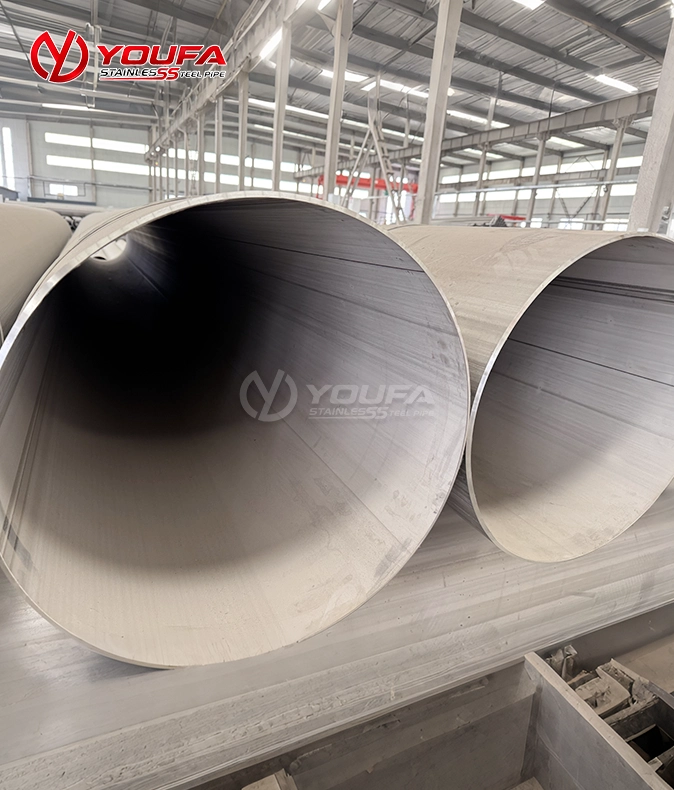
ASTM A358 304L Welded Steel Pipe
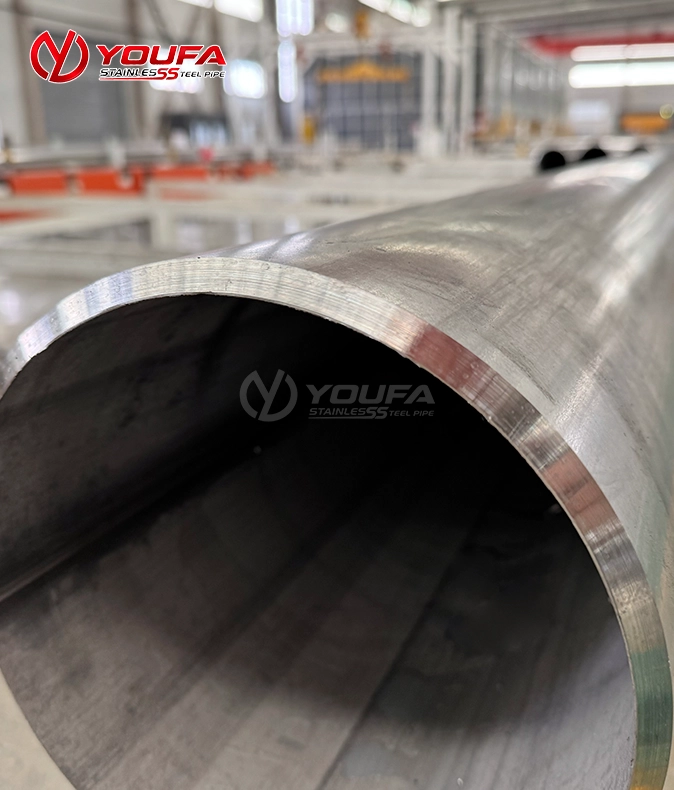
ASTM A789 Duplex Stainless Steel Tubes