
Aug 7, 2026
How ASTM A358 304L Welded Steel Pipe Supports Chemical and Petrochemical Applications
ASTM A358 304L Welded Steel Pipe delivers exceptional reliability for chemical and petrochemical applications through its low-carbon austenitic stainless steel composition and electric fusion welding process. The 304L grade prevents intergranular corrosion during welding, making it ideal for handling aggressive media like acids, alkalis, and chlorides. Its large-diameter capability—ranging from 114.3 mm to 2500 mm—supports high-volume fluid transport in refineries, chemical processing plants, and storage facilities where corrosion resistance and structural integrity remain non-negotiable.
|
|
|
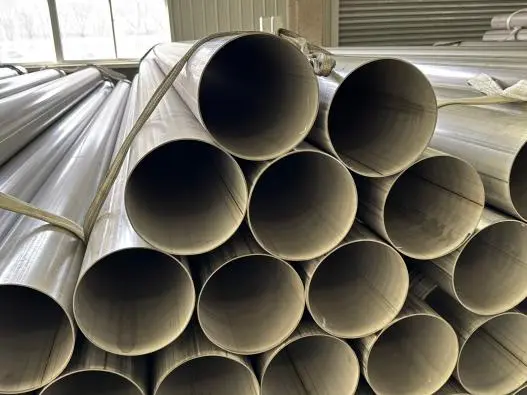
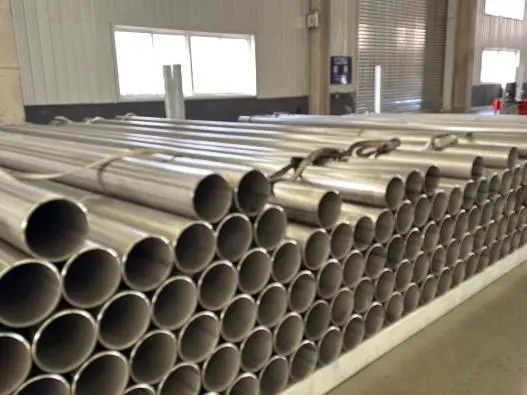
Understanding ASTM A358 304L Welded Steel Pipe Specifications and Properties
When making decisions about what to buy in tough settings, you need to know how electric fusion welded pipes work technically. Large-diameter welded stainless steel pipes made from plate are governed by the ASTM A358 standard. These are different from seamless or automatic-welded pipes.
Key Specifications Under ASTM A358
The standard divides pipes into five groups based on how often they need to be inspected. Class 1 needs 100% radiographic testing (RT) to make sure that critical pressure services have welds with no defects. Class 2 gets rid of the need for RT, which saves money for uses with less stress. All five classes of pipes are made at our facility, so we can adapt to the needs of different projects. When electric fusion welding (EFW) is used, filler metal is added during the manufacturing process. This makes ASTM A358 304L Welded Steel Pipes different from ASTM A312 pipes and strengthens the weld joints to match the features of the base plate. This method fixes problems that often happen with thin-wall automatic welds, especially when temperatures change or when they are attacked by corrosion.
Chemical Composition and Mechanical Properties
The 304L grade has 18–20% chromium, which protects against rust, and 8–12% nickel, which makes it flexible, while the carbon level stays below 0.03%. This low carbon concentration stops carbide from forming at the edges of grains when heavy-wall sections cool slowly. Tensile strength is usually between 485 and 620 MPa, and elongation is more than 35%. This gives the material enough toughness for expansion joints and seismic zones. Our material certificates show that the chemicals were analysed using ASTM E415 spectroscopy, and the results can be linked to heat numbers and checked by ISO 17025-approved lab tests.
Heat Treatment and Corrosion Resistance Enhancement
Solution annealing at 1040–1120°C breaks down chromium carbides and evens out the microstructure. Then, rapid water cooling locks in the austenite at room temperature. This process brings back the corrosion resistance of the weld zone to the level of the parent material. This stops sensitisation, which hurts performance in acidic environments. At YOUFASS, each pipe goes through a controlled heat treatment, and the time-temperature curves are written down so that they can be tracked. Pickled and annealed, the final surface finish gets rid of heat tint and welding discolouration, revealing an inactive chromium oxide layer that fixes itself when scratched. This natural protection mechanism makes things last longer in places where regular maintenance is hard to get to, like sulphuric acid dilution systems, phosphoric acid transport lines, and ammonium nitrate production facilities.
Performance and Application of ASTM A358 304L Pipes in Chemical and Petrochemical Industries
Corrosive media, changes in temperature, and changes in pressure are constant problems that chemical plants have to deal with. Choosing pipe materials that can handle these situations without needing to be replaced often lowers costs and downtime.
Superior Corrosion Resistance Against Aggressive Media
The 304L grade is very resistant to oxidising acids like nitric acid over a wide concentration range. This means it can be used to make fertiliser and special chemicals. Chloride-filled places can be tricky, but 304L works consistently in chloride solutions at room temperature that have less than 200 parts per million (ppm). This is common in water treatment and brine handling. The low carbon content stops chromium from being used up at the edges of the grains, so the material stays resistant to corrosion between the grains even after being exposed to high temperatures for a long time. Our ASTM A358 304L Welded Steel Pipes have been used in caustic soda (NaOH) evaporation systems that worked at 80–100°C and showed stable performance over five-year service intervals, which were shown in customer field reports.
Dimensional Standards and Quality Assurance Protocols
Dimensional accuracy makes sure that everything fits correctly during installation, which cuts down on welding mistakes and speeds up the project's finish. Ultrasonic gauges that have been measured show that our manufacturing errors keep the outside diameter variation to within ±0.5% and the wall thickness variation to within ±10%. According to ASTM A358 standards, 100% ultrasonic testing (UT) is done on each pipe. This finds cracks in the material that can't be seen with the naked eye. For Class 1 pipes, radiographic testing is used in addition to UT to make sure that the weld fusion is still complete. Before shipping, the structure is checked for integrity by hydrostatic testing at 1.5 times the design pressure. Field failures that cause delays in starting times and put safety records at risk are avoided by these multiple quality checks.
Real-World Applications in Critical Industrial Settings
Large-diameter welded pipes are used in chemical transport pipelines to move large amounts of liquids between processing units, holding tanks, and loading points. For transferring ethylene glycol, a recent petrochemical complex project called for pipes with an outside diameter of 1200 mm and a wall thickness of 12 mm. These pipes were made of 304L material because it is compatible with this moderately corrosive organic compound. In refinery plumbing systems, these pipes are used in vacuum distillation units, catalytic cracking circuits, and hydrogen reforming plants, all of which have changing temperatures and acid condensates. The biofouling resistance and salt tolerance of 304L make it a good choice for cooling water systems because it keeps heat transfer efficiency without scaling or cracking. When you combine mechanical strength with protection against rust, you get long-term use that carbon steel options can't match without expensive coatings or cathodic protection.
Comparative Analysis for Procurement Decisions
When procurement is done right, technical performance is balanced against budget limits, delivery schedules, and the effects on long-term maintenance. Knowing the important trade-offs lets you make smart choices that meet the needs of the job.
ASTM A358 304L vs. Alternative Materials
There are important differences between 304L and ASTM A312 304L. A312 covers seamless and welded pipes with a width of less than 650 mm OD that are made using continuous forming methods. Plate rolling and longitudinal seam welding are used in ASTM A358 304L Welded Steel Pipe to meet the needs for large diameters when seamless production is not possible or practical. The addition of filling metal in A358 makes the weld as strong as the base plate, while automatic welds in A312 may be less tough. Based on cost research, A358 pipes are a better deal per metre for sizes over 500 mm, since seamless pipes cost more as they get bigger.
The 316L grade has 2 to 3 percent molybdenum in it, which makes it more resistant to pitting in salt settings. This makes it a better choice for cooling systems that use seawater or brackish water. But 316L costs 20–30% more than 304L, and this extra cost isn't necessary in many chemical uses because the chloride amounts aren't high enough. Carbon steel has lower starting costs, but it needs to be lined or coated on the inside to handle acidic service, which makes it more complicated and costs more to maintain. When replacement intervals and downtime costs are taken into account, lifecycle estimates often favour 304L.
Welded vs. Seamless Pipe Considerations
Seamless pipes don't have any weld seams, so their properties are the same all the way around. Due to limitations in manufacturing, seamless products can only be made in smaller diameters and cost more per tonne because they require a lot of hot piercing and rolling. Larger sizes can be made more cheaply with welded pipes, but the weld zones need careful metallurgy to avoid weak spots. Today's EFW technology, which uses controlled heat input and post-weld heat treatment, keeps property changes to a minimum. Our tensile tests on weld samples consistently show strengths higher than the base metal, which proves the process is working as it should. For widths greater than 1000 mm, welded construction is still the most realistic option. The A358 standards make sure of this by requiring strict testing procedures.
Pricing Dynamics and Total Cost of Ownership
The prices of raw materials change with the nickel and chromium markets around the world, which affects the price of stainless steel pipes. Using yearly contracts to buy in bulk keeps prices stable and makes budgeting easier. Our minimum order quantity of one pipe is enough for small projects and testing prototypes, and discounts are given for orders over 50 tonnes. Lead times depend on how complicated the specifications are. Standard sizes ship within seven days from our port plant in Tianjin, but it takes an extra four to six weeks for custom wall thickness or special heat treatments. When figuring out the total cost of ownership, you should include the cost of fitting labour. Stainless steel is lighter than carbon steel, so it doesn't need as much of a crane. Maintenance costs go down a lot when you use materials that don't rust because inspection intervals get longer and unplanned shutdowns happen less often.
How to Choose the Right ASTM A358 304L Pipe Supplier for Your Project
Choosing the right supplier is just as important to the success of a project as choosing the right materials. Working with skilled manufacturers guarantees compliance, on-time delivery, and quick support during the buying and setting up stages.
Recognized Certifications and Quality Assurance Practices
Getting ISO 9001 certification shows that you have a method for managing quality that includes design control, process validation, and steps for corrective action. The Pressure Equipment Directive (PED) approval shows that the equipment meets European safety standards for equipment that holds pressure. This is necessary for sending the equipment to markets in the EU. The lab that we work with is ISO 17025 certified and uses national standard tools to do mechanical tests, chemical analysis, and non-destructive examination. TÜV checks make sure that industrial processes are correct and that materials can be tracked. Engineering firms and project owners value this kind of independent confirmation. As part of the documentation, each ASTM A358 304L Welded Steel Pipe comes with a Material Test Certificate (MTC) that lists its chemical make-up, mechanical qualities, and heat treatment values according to EN 10204 Type 3.1 or 3.2. Welding Procedure Specifications (WPS) and Procedure Qualification Records (PQR) show that the parameters used for welding produce good weld properties that meet the requirements of ASME Section IX or similar standards for code compliance.
Evaluating Supplier Reputation and Support Services
Experience in the field shows that you can handle difficult tasks and figure out problems. Since 2017, YOUFASS has been running and learning through a variety of uses in power generation, chemical processing, and industrial systems. Customer examples from past projects show how well the product was delivered, how consistently good it was, and how quickly the company responded to technical questions. Technical support services help choose materials by giving advice based on chemical exposures, process conditions, and temperature ranges. Some suppliers offer on-site commissioning help, which includes checking the way things were installed and giving advice on how to handle things in a way that keeps them from getting damaged during building. Post-delivery support answers questions from the field, speeds up replacement orders, and keeps records of warranty claims. This is what sets value-added partners apart from transactional vendors.
Logistical Capabilities Relevant to Large-Scale Procurement
Order fulfilment speed and flexibility are both based on production capability. With a yearly output of 50,000 tonnes, our fifteen production lines can handle projects ranging from small replacements to repiping the whole plant. Keeping an inventory of popular sizes cuts down on lead times for pressing needs, and manufacturing flexibility lets you make things in any size without too many delays. Good packaging keeps pipes safe while they're being shipped internationally. To keep them from getting scratched, dented, or contaminated, we use wooden boxes with available steel frames, hexagonal binding, and weaved bag wrapping. Export paperwork experience makes clearing customs easier by making sure that business invoices, packing lists, and certificates of origin are correctly filled out. Being close to Tianjin Port makes it easier to load containers and plan ships, which gives you fast delivery choices that tight project schedules need.
Future Outlook and Industry Trends for ASTM A358 304L Pipes
Material needs and supplier strategies are affected by how industries change. By keeping an eye on trends, you can make proactive choices about where to get things that meet new needs and adapt to changes in regulations.
Innovation in Chemical Processes Driving Material Demands
Chemical companies are always finding ways to make their processes more efficient and long-lasting. To do this, they often add harsher conditions that test the limits of standard materials. When making high-purity chemicals, high temperatures and amounts are used, so the materials used need to be able to stay clean and not rust. Biofuel production from biomass feedstocks creates organic acids and chlorides during fermentation and distillation. These create corrosive conditions where stainless steel pipes keep equipment from getting contaminated and breaking down. Carbon capture and sequestration (CCS) systems move CO₂ along with water and other elements, which turns it into carbonic acid. For long-term dependability, these systems need pipes that don't rust. These uses increase the need for ASTM A358 304L Welded Steel Pipes as businesses switch to cleaner technologies while keeping their operations safe.
Advancements in Welding Technology and Smart Manufacturing
By precisely controlling the heat and travel speed, automated welding systems make welds more consistent, which is harder to do by hand. Using sensors and data logging to keep an eye on weld factors in real time lets you fix any problems right away, stopping bad welds from moving through the production process. Smart manufacturing combines inventory systems, quality records, and production plans to make it easier to track everything from receiving raw materials to shipping the finished product. Blockchain-based paperwork systems that are still being worked on promise to make material licenses impossible to change. This will make it easier to check for compliance and lower the risk of counterfeiting. These technological advances make products more reliable and speed up delivery times, which helps procurement teams that have to work with tight construction windows.
Strategic Recommendations for Procurement Managers
Supply chain disruptions for ASTM A358 304L Welded Steel Pipes can be reduced by establishing strong relationships with approved suppliers. Maintaining an approved vendor list with multiple qualified sources for ASTM A358 304L Welded Steel Pipes provides backup options during periods of limited production capacity, transportation challenges, or geopolitical uncertainty. Long-term supply agreements with volume commitments can help secure priority allocation during tight market conditions while maintaining more stable pricing for ASTM A358 304L Welded Steel Pipes. Sustainability considerations are also becoming increasingly important in procurement decisions. The recyclability and long service life of ASTM A358 304L Welded Steel Pipes support environmental goals and provide a lower lifecycle carbon footprint compared with shorter-lasting alternatives. By planning ahead for future changes in workplace safety regulations, emissions requirements, and waste management standards, purchasing teams can ensure that ASTM A358 304L Welded Steel Pipes remain suitable for long-term applications without requiring costly replacements. Procurement professionals who continue learning through technical conferences and industry organisations can discover new solutions, improve sourcing strategies, and enhance business competitiveness and resilience with ASTM A358 304L Welded Steel Pipes.
Conclusion
For chemical and petrochemical uses, pipe materials need to be able to prevent corrosion while also being strong and cost-effective. Low-carbon alloys, electric fusion welding, and strict quality control make sure that ASTM A358 304L Welded Steel Pipes meet these standards. Knowing about technical specs, performance traits, and suppliers' skills helps buyers make choices that improve the results of projects. As sustainability and process innovation become more important in the industry, working with experienced manufacturers guarantees access to materials and knowledge that will help your business succeed in the long term.
FAQ
What distinguishes ASTM A358 from ASTM A312 specifications?
ASTM A358 304L Welded Steel Pipe covers large-diameter electric fusion-welded pipes made from plate with filling metal added. These pipes usually have an outside diameter of more than 114 mm and can go up to 2500 mm in length. ASTM A312 calls for pipes with diameters of less than 650 mm that are either seamless or automatically welded and don't need to have filler metal added. The way to join and the rules for checking are different. The A358 standard gives you choices in five classes to meet your pressure service needs.
Why select 304L over standard 304 grade?
The 304L type keeps the carbon level below 0.03%, which stops chromium carbide from forming during the slow cooling stages of welding. This low carbon chemistry keeps the intergranular rust protection in the heat-affected zone, which is very important for welded parts that will be exposed to chemicals that eat away at metal. Standard 304 with more carbon can become sensitive, which lowers the longevity of the weld zone.
Can these pipes handle chloride-containing environments?
304L works reliably in chloride solutions with less than 200 ppm of chloride at room temperature, making it useful for many chemical processing and water treatment tasks. Higher levels of chloride or high temperatures call for 316L grade with molybdenum added to make it more resistant to pitting. When chloride exposure is unknown, application-specific corrosion testing helps choose the right material.
What quality documentation accompanies pipe shipments?
Material Test Reports (MTR) that follow EN 10204 3.1 or 3.2 standards are part of the complete paperwork. These report chemical analysis, mechanical properties, and heat treatment details. Reports from ultrasound and x-ray tests confirm the stability of the weld. Welding Procedure Specifications (WPS) and Procedure Qualification Records (PQR) make sure that the process meets ASME standards. They also help with code acceptance and project paperwork needs.
Partner with YOUFA for Reliable ASTM A358 304L Welded Steel Pipe Supply
To get stainless steel pipes, you need to find a company with technical know-how, production ability, and a commitment to quality. YOUFASS Stainless Steel Pipe Co., Ltd. has ISO 9001, PED, and TÜV certifications and fifteen production lines that make 50,000 tonnes of steel every year. Our ISO 17025 certified lab makes sure that materials are compliant by testing them thoroughly and writing up results in MTC/MTR format that can be tracked back to international standards. As a seller of ASTM A358 304L Welded Steel Pipe, we can handle projects ranging from prototypes with a single pipe to installations weighing many tonnes. Our minimum order quantity (MOQ) is open, and we can speed up delivery to Tianjin Port by seven days. Our team offers technical advice on choosing materials, making sure they meet standards, and keeping records of compliance. This makes buying things easier for chemical processing, petrochemical, and industrial uses. Email us at info@youfass.com to talk about your project needs and get unique solutions that help you meet your business goals and deadlines.
Online Message