
Jul 24, 2026
High Strength ASTM A312 TP309 309S Stainless Pipes
High-strength ASTM A312 TP309 309S Stainless Steel Pipes represent premium austenitic chromium-nickel heat-resistant steel solutions designed for seamless, straight-seam welded, and heavily cold-worked constructions. These pipes serve high-temperature and corrosive service applications where thermal fatigue, oxidation resistance, and structural stability prove critical. The TP309 grade features higher carbon content for maximum creep strength, while TP309S—with its low-carbon formulation of maximum 0.08%—minimizes carbide precipitation during welding, effectively preventing intergranular corrosion in heat-affected zones. This makes TP309S particularly valuable for welded assemblies requiring long-term structural integrity under extreme thermal cycling.
|
|
|
Understanding ASTM A312 TP309 and TP309S Stainless Steel Pipes
Chemical Composition and Mechanical Properties
There is a lot of chromium in these pipes—between 22 and 24 percent—and nickel in them—between 12 and 15 percent. This gives them great resistance to rusting up to 1038°C (1900°F) in constant service. These types have a minimum yield strength of 205 MPa (30 ksi) and a maximum tensile strength of 515 MPa (75 ksi). This means that structures will be reliable even when they are under heavy loads and high temperatures.
Standards and Specifications Compliance
The rules for making and checking the quality of ASTM A312 TP309 309S Stainless Steel Pipes are set by ASTM A312/A312M-22. This guideline lists the allowed sizes, the chemicals that can be used, and the tests that must be done. When this specification is followed, pipes are solution-annealed and then quenched in water to achieve the best grain structure and mechanical properties. This ensures that the pipes perform consistently through all thermal cycles.
Key Differences Between TP309 and TP309S Grades
The main difference is the amount of carbon present. TP309 lets more carbon be added, which makes it more resistant to creep when exposed to very high temperatures for a long time. TP309S limits carbon to a maximum of 0.08%, which makes it the best choice for bonded buildings where sensitisation could be a problem. When procurement teams choose between these grades, they need to decide whether maximum creep strength or weldability with minimal post-weld treatment is more important for their application.
Performance Characteristics and Application Scenarios
Heat Resistance and Temperature Thresholds
Corrosion Resistance in Harsh Environments
In addition to being resistant to heat, these austenitic grades work very well in marine environments, sulphite liquors, and gas environments with sulphur. The chromium presence makes it very resistant to oxidising sulphurous environments. However, lowering sulphur environments might need extra nickel alloying thought. Because they can do two things at once, they can be used in petroleum processing units that have both high temperatures and acidic media.
Industry Applications Across Sectors
These pipes are used in power plants as superheater tubes and boiler parts, where they have to deal with hot coal ash that wears them down and high steam pressure, and for ASTM A312 TP309 309S Stainless Steel Pipes, the elevated chromium and nickel content provide the oxidation and corrosion resistance needed for petrochemical flare tips and catalytic recovery systems handling sulphur compounds at high temperatures, as well as heat treatment industry applications like radiant tubes, muffle furnaces, and conveyor belts where mechanical integrity under thermal cycling is essential, and they are also used in emerging energy applications such as hydrogen production and fuel cells where corrosion resistance and structural stability under thermal cycles remain critical. They are used in flare tips and catalytic recovery systems at petrochemical plants that need to be resistant to sulphur compounds at high temperatures. For radiant tubes, muffle furnaces, and moving belts in industrial ovens, the heat treatment industry relies on these materials. It is important for these parts to stay mechanically sound when the thermal loads change. It can also be used in new energy applications, like making hydrogen and fuel cells, where resistance to corrosion and structural stability under thermal cycles are still very important.
Comparative Analysis with Other Grades
The TP309 series is better at withstanding high temperatures and oxidation than the TP304 and TP316 series, but it costs more for the materials. Even higher temperatures can be handled by TP310 types, but they are harder to weld and cost more. Because of this, TP309 and TP309S are the best choices for uses that need performance that is halfway between TP316 and TP310, especially when welding is still an issue.
Procurement Considerations for ASTM A312 TP309 & TP309S Pipes
Material Selection Criteria
Seamless Versus Welded Pipe Options
For important high-pressure uses, seamless pipes are the best choice because they keep pressure inside better and don't have to worry about the integrity of the longitudinal weld seam. Welded pipes are cheaper when the diameter is bigger, and the quality of the seam can be checked with strict nondestructive testing. Heavily cold-worked welded pipes are cheaper and have better mechanical qualities thanks to controlled bending processes. They are used in situations where specific strength characteristics are needed.
Pricing Influences and Budget Planning
Supplier Reliability and Certification Requirements
By choosing makers with ISO 9001, PED, and TÜV certifications, you can be sure that they will follow quality control systems and follow the rules. Having ISO 17025-accredited labs as a supplier shows that they can test and verify materials accurately. Complete paperwork, like Mill Test Certificates (MTC/MTR 3.1/3.2), Third Party Inspection (TPI) reports, and Welding Procedure Specifications (WPS/PQR), is easy to find and provides the quality assurance that is needed for important industrial uses.
Manufacturing Process and Quality Assurance
Production Methods and Heat Treatment
YOUFA uses 15 dedicated production lines that can handle up to 50,000 tonnes of pipes every year to make these pipes, and for ASTM A312 TP309 309S Stainless Steel Pipes, the manufacturing process includes seamless extrusion and precision welding, followed by controlled-temperature solution annealing and rapid water quenching to achieve the desired austenitic microstructure while preventing carbide precipitation, with surface finishing options including pickling, bright annealing, electropolishing, and passivation to suit applications ranging from industrial service to hygienic requirements. The pipes are made by seamless extrusion and precision welding. Solution annealing at controlled temperatures followed by rapid quenching in water creates the desired austenitic microstructure while stopping the formation of carbides. Pickling, bright annealing, electropolishing, and passivation are some of the surface finishing options that can be used for a wide range of purposes, from industrial service to hygiene.
Rigorous Quality Control Protocols
As part of required inspections, lengthwise flaws or leaks can be found using hydraulic or nondestructive electric testing with eddy current and ultrasonic methods. Intergranular corrosion testing according to ASTM A262 Practice E makes sure that low-carbon chemistry works after welding thermal cycles that are very similar to the real thing. Flattening and flaring tests make sure the weld seam is reliable, and the metal is flexible. Positive Material Identification (PMI) chemical makeup analysis checks that the amounts of chromium and nickel meet the requirements. A look at the microstructure confirms that the solution has been fully annealed and that there is no sigma phase embrittlement that could affect the long-term performance.
Certification Documentation and Traceability
Full material identification from steel mill sources to final inspection gives buyers trust and makes sure that regulations are followed. YOUFA offers complete paperwork packages for ASTM A312 TP309 309S Stainless Steel Pipes, including results on ultrasonic (UT) and radiography (RT) testing, as well as Manufacturing Process Specifications (MPS) and full chemical and mechanical test data that can be linked to each pipe heat number.
Making the Right Choice: Comparing Solutions and Suppliers
Performance Advantages of TP309 and TP309S
Compared to higher-alloy furnace steels, these types are the best choice for uses that need to be able to handle high temperatures and be easy to weld. The austenitic structure keeps the toughness even at very low temperatures, but these materials are usually used in high-temperature situations. Their non-magnetic features when solution-annealed make them good for uses that need magnetic neutrality. However, when they are cold worked during pipe forming, a small amount of magnetism may appear.
Evaluating Supplier Credentials and Track Record
Established manufacturers with a track record of delivering high-quality projects in a variety of industries show that they can do so. YOUFA's ranking as one of China's top 500 companies shows that it has the operating size and financial stability needed to handle the needs of big projects. With over 200 employees working on 15 lines, the factory has the infrastructure to handle a wide range of order specifications and delivery times.
Logistics and Delivery Considerations
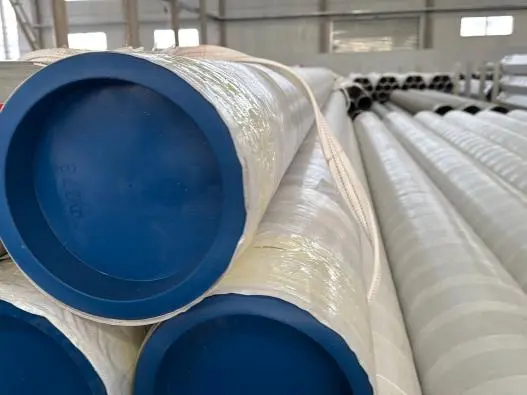
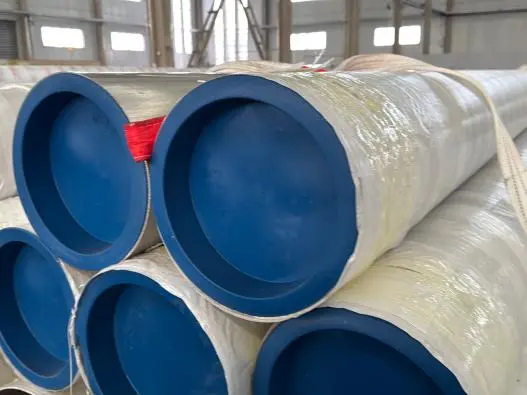
Good supply chain management has a direct effect on how long projects take and how much it costs to keep inventory on hand. YOUFA only needs one pipe as a minimum order quantity for samples and small projects. For urgent project needs, you can choose fast delivery options that get the pipe to Tianjin Port within seven days. International shipping keeps the product's structure by putting it in wooden boxes with steel frames, hexagonal binding, and protected weave bags.
Conclusion
Choosing to be strong, when buying ASTM A312 TP309 309S Stainless Steel Pipes, you have to balance technical performance needs with things like certification, supply reliability, and the total cost of ownership. These austenitic grades solve important problems in high-temperature industrial settings by being more resistant to oxidation, being more structurally stable, and having a history of reliable service in tough areas. For procurement partnerships to work, suppliers must be able to provide quality assurance, detailed paperwork, and quick expert help throughout the lifecycle of a project.
FAQ
What distinguishes TP309 from TP309S in high-temperature applications?
Because it has more carbon, TP309 has better creep resistance in continuous service at very high temperatures. TP309S is designed to be used in welded parts. Its low carbon content stops sensitisation and the following intergranular corrosion in heat-affected areas, so there is no need for expensive heat treatment after welding in many cases.
How do these pipes perform in sulfur-containing environments?
The high amount of chromium makes it very resistant to the oxidising sulphurous atmospheres that are common in systems that process and burn petrochemicals. In environments with less sulphur, on the other hand, it might be necessary to look at adding more nickel alloying or using different grades, depending on the corrosive media and operating temperatures.
What maximum temperatures can these grades withstand?
Scaling resistance stays the same up to about 1038°C during constant service, while it can work at around 980°C during sporadic service. The actual temperature limits rely on the amount of mechanical stress, the environment, and the service life that is needed. This means that an application-specific engineering evaluation is needed.
Are seamless pipes always preferable to welded options?
Seamless pipes don't have longitudinal weld seams, so they're safer for high-pressure applications that need to keep pressure inside. Welded pipes are cheaper for bigger diameters and can work just as well as seamless pipes if they are made with strict quality control and full nondestructive testing verification.
Partner with YOUFA for Reliable TP309 and TP309S Stainless Steel Pipe Solutions
YOUFA has high-quality ASTM A312 TP309 309S Stainless Steel Pipes that are ready to meet your high-temperature plumbing needs. These pipes come with full certifications and quality paperwork. We are a major provider of stainless steel pipes. Our 15 production lines can make 50,000 tonnes of pipes every year, and we offer seamless and welded pipes from NPS 1/8" to 48" in length, with wall thicknesses from Sch 5S to Sch XXS. Our ISO 9001, PED, TÜV, and ISO 17025 lab certifications make sure that every pipe meets the highest standards set by governments around the world. Email our technical team at info@youfass.com to talk about your unique application needs, get full specifications, or get personalised quotes with fast delivery choices to help you meet your project deadlines.
Online Message