
Jul 16, 2026
Heat Resistant ASTM A312 TP309 309S Stainless Steel Pipes
When your facility operates under extreme thermal conditions—where conventional materials fail, and downtime costs thousands per hour—the right piping material becomes critical infrastructure, not just a purchase decision. ASTM A312 TP309 309S Stainless Steel Pipes represent premium austenitic chromium-nickel heat-resistant steel solutions engineered specifically for seamless, straight-seam welded, and heavily cold-worked constructions. These grades address the persistent challenges of thermal fatigue, high-temperature oxidation, and structural deformation under sustained heat exposure that plague petrochemical processors, power generation facilities, and industrial heat treatment operations across North America.
|
|
|
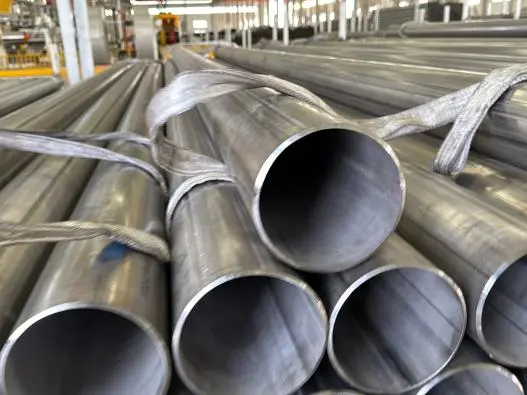
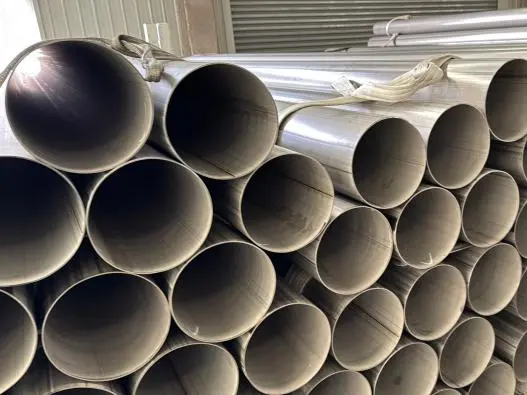
Understanding ASTM A312 TP309 and TP309S Stainless Steel Pipes
The metallurgical distinction between these two grades directly impacts your operational outcomes. TP309 features higher carbon content, providing maximum creep strength when your systems face prolonged exposure to temperatures approaching 1900°F. Meanwhile, TP309S represents the low-carbon variant, with carbon content capped at 0.08%, specifically formulated to minimize carbide precipitation during welding operations. This controlled chemistry prevents intergranular corrosion in heat-affected zones—a common failure mode that causes unexpected shutdowns in welded assemblies.
Chemical Composition and Mechanical Performance
Manufacturing Standards and Quality Protocols
We manufacture these pipes through seamless and welded processes, adhering strictly to ASTM A312/A312M-22 standards. The seamless process eliminates longitudinal weld seams, creating a uniform wall thickness distribution ideal for pressure vessels and critical flow applications. Welded variants, produced through heavily cold-worked methods, undergo solution annealing and water quenching to restore metallurgical structure and eliminate residual stresses from forming operations. Each production batch receives hydrostatic testing or nondestructive electric testing using eddy current and ultrasonic methods to detect internal defects before pipes leave our facility. Intergranular corrosion testing per ASTM A262 Practice E validates the effectiveness of our heat treatment protocols, particularly important for verifying the 309S low-carbon chemistry after welding simulations.
Dimensional Specifications and Size Availability
Our production capabilities cover the complete specification range from NPS 1/8" through 48" (DN6 to DN1200, equivalent to Ø10.3 mm through Ø1219 mm outside diameter), including ASTM A312 TP309 309S Stainless Steel Pipes. Wall thickness options span Schedule 5S through Schedule XXS, accommodating both low-pressure distribution systems and high-pressure processing applications. Wall thickness tolerances meet ASTM A312 requirements of +15% to +22.5% on the positive side and -12.5% on the negative, ensuring adequate material for machining and installation while controlling weight and cost. Pipes up to 2 inches receive plain ends, while larger diameters include beveled ends to facilitate field welding and connection integrity.
Comparing TP309 and TP309S Pipes: What Procurement Managers Need to Know
Making the optimal grade selection requires understanding how subtle compositional differences translate into real-world performance variation. The carbon content differential between these grades creates distinct advantages depending on your application requirements and fabrication methods.
Sulfur Content and Weldability Considerations
ASTM A312 TP309 309S Stainless Steel Pipes, TP309S contains lower carbon, which directly reduces carbide precipitation during the thermal cycles of welding. When your installation requires extensive field welding or complex piping assemblies with multiple joints, this characteristic prevents sensitization—the formation of chromium-depleted zones adjacent to welds that become pathways for corrosive attack. TP309, with its higher carbon allowance, delivers superior creep resistance but requires more careful welding procedures and potentially post-weld heat treatment to maintain corrosion resistance. This trade-off matters when evaluating total installation costs against long-term material performance in your specific operating environment.
Performance Benchmarking Against Alternative Grades
Compared to TP304 and TP316, both TP309 variants provide substantially better scaling resistance at elevated temperatures. TP304 typically limits service to 870°C intermittently, while TP316 extends this only marginally through molybdenum additions that primarily enhance chloride pitting resistance rather than high-temperature capability. TP310 offers even greater heat resistance than TP309, maintaining integrity to 1150°C, but at significantly higher material cost and reduced weldability. This positions TP309/TP309S in the optimal zone for applications between 900°C and 1040°C, where TP304/316 proves inadequate, but TP310 represents unnecessary expense.
Cost-Efficiency Analysis for B2B Procurement
Applications and Industry Use Cases of Heat-Resistant TP309/TP309S Pipes
Real-world installations demonstrate where these materials deliver measurable operational advantages. Understanding application-specific requirements helps match material capabilities to your facility's performance demands.
Petrochemical Processing Applications
Catalytic cracker units subject piping to sulfur-bearing gases at elevated temperatures, creating conditions where TP309S maintains structural integrity while standard grades suffer accelerated corrosion. Flare tips handling combustion products at variable temperatures benefit from the thermal cycling resistance that prevents fatigue cracking. One Gulf Coast refinery documented 40% reduction in flare system maintenance after transitioning from carbon steel to TP309S construction, eliminating repeated weld repairs and unplanned shutdowns during peak production periods.
Thermal Power Generation Systems
ASTM A312 TP309 309S Stainless Steel Pipes are used in Superheater and reheater tubes in coal-fired boilers, which face erosive coal ash particles at steam temperatures exceeding 540°C. TP309S withstands this abrasive environment while maintaining pressure boundary integrity throughout years-long service intervals. The material resists fireside corrosion from sulfur compounds and steamside oxidation simultaneously—dual exposure conditions that rapidly degrade lower-alloy alternatives. Natural gas combined cycle plants specify these grades for duct burner assemblies and heat recovery steam generator components, where thermal shock resistance prevents catastrophic failures during rapid startup sequences.
Industrial Heat Treatment Operations
Environmental Compliance and Safety Benefits
Using materials with proven high-temperature stability reduces the risk of pressure boundary failures that release process fluids or combustion products. Fewer material failures translate directly into improved environmental compliance records and reduced safety incident rates. The extended service intervals mean less frequent replacement activities, decreasing worker exposure to confined space entry hazards and hot work risks. These factors contribute to lower insurance premiums and enhanced facility reputation with regulatory authorities, creating value beyond direct material performance.
Procurement Guide: Finding and Buying ASTM A312 TP309 & 309S Stainless Steel Pipes
Supplier Qualification Criteria
Prioritize manufacturers holding ISO 9001 certification, demonstrating systematic quality management processes. PED certification indicates compliance with the European Pressure Equipment Directive, which is relevant even for US installations when equipment may be exported or when international quality benchmarks matter to your stakeholders. ISO 17025 laboratory accreditation verifies that material testing capabilities meet international standards for measurement accuracy and traceability. TÜV certification adds third-party validation of manufacturing processes and quality systems. We maintain all these certifications, providing documentation transparency that simplifies your vendor qualification processes and satisfies audit requirements.
Documentation Requirements and Traceability
Pricing Factors and Budget Optimization
International Logistics and Delivery Planning
Container shipping of ASTM A312 TP309 309S Stainless Steel Pipes from Chinese production facilities to US ports typically requires 25–35 days ocean transit, with West Coast destinations receiving faster service than Gulf and East Coast ports. Packaging in wooden boxes with optional steel frame reinforcement protects pipes during handling and transport, preventing damage that compromises material integrity. Hexagonal binding and woven bag covering add weather protection for deck cargo exposure. Customs clearance processes benefit from complete documentation packages including commercial invoices, packing lists, certificates of origin, and material certifications. We coordinate with freight forwarders experienced in industrial pipe shipments, ensuring proper handling procedures and minimizing port demurrage charges through efficient documentation processing.
Best Practices for Optimizing Use and Performance of ASTM A312 TP309/309S Pipes
Maximizing asset lifespan requires proper handling from delivery through installation and ongoing operation. These practices prevent common failure modes and extend the return on your material investment.
Storage and Pre-Installation Handling
Store ASTM A312 TP309 309S Stainless Steel Pipes under cover to prevent contamination from airborne particulates and moisture accumulation. Separate TP309/309S materials from carbon steel using wooden dunnage or plastic sheeting to avoid iron contamination that creates surface corrosion sites. Mark pipe ends clearly to prevent mixing with other grades during fabrication. Before installation, clean internal and external surfaces to remove any mill scale, drawing compounds, or storage residue using stainless steel wire brushes or chemical cleaning—never carbon steel tools that deposit iron particles. Contamination prevention during storage avoids costly rework and ensures the material's corrosion resistance performs as designed.
Welding Techniques and Joint Integrity
Use low-carbon filler metals like ER309L to minimize carbide precipitation in the weld zone when joining TP309S. Match the filler metal chromium and nickel content to base material composition, maintaining corrosion resistance across the entire welded assembly. Control interpass temperature below 150°C to reduce heat input and thermal stress. Back purging with argon or nitrogen prevents oxidation on the root pass interior surface, maintaining smooth internal profiles that reduce pressure drop and minimize crevice corrosion sites. Post-weld solution annealing restores optimal microstructure when service conditions permit the additional processing step, though properly executed welding procedures with TP309S typically eliminate this requirement.
Operational Monitoring and Maintenance Schedules
Implement routine visual inspections during scheduled shutdowns, examining external surfaces of materials such as ASTM A312 TP309 309S Stainless Steel Pipes for scaling patterns, discoloration, or distortion, indicating excessive operating temperatures. Ultrasonic thickness measurements at predetermined locations track wall loss from internal corrosion or erosion, enabling predictive replacement before failure occurs. Monitor support locations for stress concentration signs like cracking or deformation where thermal expansion loads concentrate. Temperature profiling using thermal imaging identifies hot spots that may indicate internal flow restrictions or insulation damage, allowing corrective action before metallurgical damage occurs. These proactive monitoring practices catch developing problems when repair costs remain manageable rather than waiting for failure-driven emergency replacements.
Troubleshooting Common Performance Issues
Premature scaling beyond normal oxidation rates often indicates operating temperatures exceeding design limits or exposure to more aggressive atmospheric conditions than anticipated. Confirm actual operating temperatures using calibrated instruments rather than relying on process calculations alone. Intergranular corrosion in welded areas suggests inadequate filler metal selection or excessive heat input during fabrication, requiring review of welding procedures and potentially upgrading welder qualifications. Stress corrosion cracking at support points indicates inadequate allowance for thermal expansion movement, correctable through revised support spacing or spring hanger installations. Addressing root causes rather than simply replacing failed sections prevents recurrence and optimizes long-term system reliability.
Conclusion
Heat-resistant pipe selection directly impacts your facility's operational continuity, maintenance costs, and safety record. The ASTM A312 TP309 309S Stainless Steel Pipes deliver proven performance in demanding thermal environments where material failure creates cascading consequences throughout your production systems. Understanding the metallurgical differences, properly specifying grades for your application requirements, and implementing installation best practices maximizes your infrastructure investment. Working with qualified suppliers who provide complete documentation and responsive technical support streamlines procurement and reduces project risk. The right material choice today prevents costly problems for years ahead.
FAQ
What is the key difference between TP309 and TP309S for welded assemblies?
TP309S contains lower carbon content (maximum 0.08%) compared to TP309, specifically reducing carbide precipitation during welding. This prevents sensitization in heat-affected zones, making TP309S the preferred choice for applications requiring extensive welding without post-weld heat treatment.
Can these pipes handle sulfur-containing environments?
The high chromium content provides excellent resistance to oxidizing sulfurous atmospheres commonly found in petrochemical processing and combustion applications. However, reducing sulfur environments may require additional alloying considerations depending on concentration and temperature conditions.
What is the maximum continuous service temperature?
TP309 and TP309S maintain scaling resistance up to approximately 1038°C (1900°F) in continuous service. Intermittent service allows slightly lower recommended limits around 980°C due to thermal cycling stresses, though the material retains structural integrity at these temperatures.
How do I verify pipe grade authenticity upon delivery?
Review material test reports for certified chemical composition matching ASTM A312 specifications. Conduct positive material identification (PMI) testing using handheld XRF analyzers to confirm chromium and nickel content. Inspect markings on pipe surfaces for grade stamps and heat numbers, allowing traceability to mill certifications.
Partner with YOUFA for Reliable High-Temperature Piping Solutions
YOUFASS delivers comprehensive stainless steel piping systems backed by ISO 9001, PED, and TÜV certifications that verify our quality management processes. As a heat-resistant pipe supplier with 15 production lines generating 50,000 tons of annual capacity, we maintain inventory depth and manufacturing flexibility to meet your project timelines. Our ISO 17025-accredited laboratory provides complete material testing with full documentation packages including MTR 3.1/3.2, WPS/PQR, and UT/RT reports. Whether your requirement involves a single replacement pipe or a complete system supply, we accommodate orders from one piece upward with delivery to Tianjin Port in as few as seven days for urgent requirements. Contact our technical team at info@youfass.com to discuss your specific application requirements and receive detailed technical recommendations for optimizing material selection. We support procurement managers, project engineers, and maintenance teams throughout sourcing, specification development, and post-delivery technical questions.
Online Message