
Oct 30, 2026
EN 10217-7 1.4307 tc1 Welded Steel Pipe for Food Processing Lines and Stainless Process Piping Projects
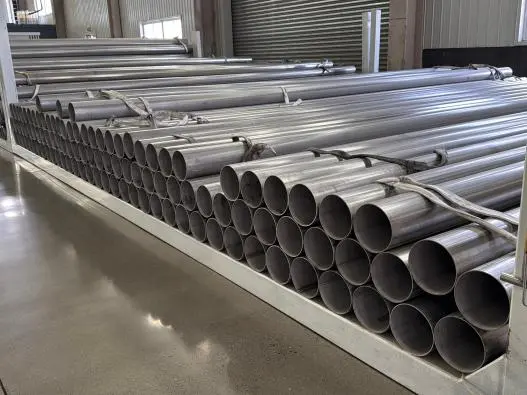
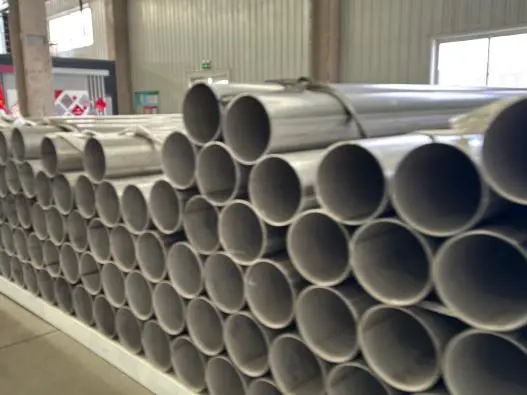
If you are sourcing piping materials for a food processing line or an industrial process system, the EN 10217-7 1.4307 tc1 welded steel pipe is a specification worth understanding in detail. This pipe grade — a low-carbon austenitic stainless steel under European standard EN 10217-7 — delivers strong corrosion resistance, reliable weldability, and compliance with pressure equipment regulations. Whether you manage procurement for a dairy plant, a chemical processing facility, or a water treatment project, this guide walks you through the technical facts, comparison data, real applications, and sourcing strategy you need to make the right call.
|
|
|
Understanding EN 10217-7 1.4307 tc1 Welded Steel Pipe: Specifications and Standards
What Does the Designation Mean?
EN 10217-7 is the European standard for welded stainless steel tubes that are meant to be used under pressure. The number 1.4307 for X2CrNi18-9 in Europe is the same as the number AISI 304L in the United States. The "TC1" at the end of Test Category 1 tells you what kinds of tests are needed. TC1 pipes are put through longitudinal tension tests, flattening or drift expansion tests, and a leak tightness check using either hydrostatic or eddy current methods to make sure they don't leak. Engineers can use this ranking to get a clear idea of how well something works.
Chemical Composition and Mechanical Properties
With only 0.03% carbon at most, 1.4307 is one of a kind because it has very little carbon. Sensitization is the buildup of chromium carbide along weld seams, and this stops it. Sensitization can lead to intergranular corrosion in service. Chrome makes up 17.5% to 19.5% of the alloy, and nickel makes up 8% to 10% of it. The pipe can only be stretched by 45% before it breaks. Its tensile strength is between 470 and 670 MPa. Based on these numbers, the method works well for clean places with moderately high pressure in pipes.
Welding, Surface Finish, and Heat Treatment
Most of the time, 1.4307 doesn't need a post-weld heat treatment because the carbon content is already below the amount needed to sensitize it. This is great for getting things done in the field. Weld beads on both the inside and outside must be clean and free of scale for the normal W1 surface finish class. Size tolerances are based on EN ISO 1127, and a 3.1 mill test certificate from EN 10204 proves that the heat analysis meets the needs. This tracking has to be done for all projects that involve controlled food or drug pipes.
Comparing EN 10217-7 1.4307 TC1 Pipes with Other Stainless Steel Grades
1.4307 vs. 1.4404: Key Differences
Because grade 1.4404 (316L) adds 2.0–2.5% molybdenum to 304L, it is less likely to pit or rust in chloride environments. Most of the time, 316L lasts longer in places with a lot of salt, like plants near the sea or harsh CIP chemical systems. In most cases, though, 1.4307 grade pipe is 15–20% less expensive than 1.4404 grade pipe. So, it's the better choice when there is some chloride exposure.
Welded vs. Seamless Pipe: Which Fits Your Project?
Smooth pipe is often used for lines that are very hot or under a lot of pressure because it doesn't have a weld split. There is, however, new TIG-welded stainless steel pipe, such as EN 10217-7 1.4307 tc1 Welded Steel Pipe, that is just as strong and costs less for pressure ranges below 40 bar that are common in food and beverage systems. This pipe must meet EN 10217-7 standards and pass TC1 leak tests. Welded pipe also gives you more control over the sizes, which makes it easier to line up the gaskets and fittings when you install it.
Total Cost of Ownership
There is more to it than just the price of the pipe at the beginning. If you join and clean a 1.4307 tc1 pipe to W1 surface standards the right way, it will function normally for 15 to 25 years with little maintenance. Procurement teams should compare grades based on how simple the products are to make, how much it costs to fix welds, and how well they clean. Most clean piping projects in the U.S. food industry can be done with 1.4307 tc1, which is a practical and cost-effective choice.
Applications of EN 10217-7 1.4307 tc1 Welded Pipes in Food Processing and Other Industries
Food and Beverage Production Lines
This score was given for clean process systems. Automated pipes in breweries and dairy plants use solutions of caustic soda and nitric acid to do multiple Clean-In-Place (CIP) cycles. Because it is made of low-carbon austenitic steel, 1.4307 doesn't react with these cleaning agents. It also keeps the insides smooth to kill microbes and can handle the temperature changes that happen during the pasteurization process. A lot of food plants that follow European rules pick this type of pipe by default.
Chemical Processing and Water Treatment
In fields other than food, 1.4307 tc1 welding pipe is used to move organic acids and cold water in chemical processing settings where some areas need to be protected from rust. Because it can handle standard pressures and is easy to weld in the field, contractors can quickly make large-diameter distribution headers for water treatment and desalination systems in cities. The TC1 testing protocol makes sure that the weld seam stays strong when the pressure changes, which is a big problem in systems that use pressurized water.
Pharmaceutical and Industrial Piping Projects
Materials used in pharmaceutical production lines need to be able to be checked and tracked. If you have a 3.1 certificate with a confirmed heat measurement, you can meet most GMP (Good Manufacturing Practice) traceability standards. Industries that make semiconductors use the same kind of pipe in fluid transfer lines, heat exchanger headers, and cooling circuits. There is almost no chance of contamination.
Procurement Guide for EN 10217-7 1.4307 tc1 Welded Steel Pipes
Certifications and Supplier Qualification
If you're looking for EN 10217-7 1.4307 tc1 Welded Steel Pipe, make sure the seller is certified by ISO 9001 and can give you EN 10204 3.1 mill certificates for each heat batch. A reputable company that makes EN 10217-7 1.4307 tc1 pipes should give you all of the inspection records and NDT test results. Find out what some new tickets look like before you buy a lot of them.
Pricing, Lead Times, and Order Quantities
In the U.S. market, standard stocking sizes range from 21.3 mm OD to 168.3 mm OD, and wall thicknesses range from 1.6 mm to 4 mm. Most reputable suppliers have lead times of two to four weeks for standard sizes. Some lengths or finishes can take six to eight weeks to make. The smallest amount you can buy from different sources varies, but for standard sizes, it's usually one ton. Price and time overruns can be avoided by making sure of these things right away.
Customization and Surface Finish Options
Along with the standard W1 finish, providers can offer electropolished interiors for lines that work with drugs or pickled and passivated surfaces for lines that work with chemicals. As you might expect, full-service manufacturers also offer custom-cut lengths, pipe spools that are already made, and end-finishing options like beveled ends for TIG welding. Make sure these requirements are clear in your RFQ if you want to get accurate prices and avoid having to make changes after the contract has been given.
Why Choose EN 10217-7 1.4307 tc1 Welded Pipes for Your Next Food Processing or Piping Project?
The facts allow for a simple case to be made. If the carbon level is less than 0.03%, there will be no weld zone rust. It is necessary to test the pipe for TC1 to make sure that the gaps are stable before it leaves the mill. It doesn't need to be stronger than 470 to 670 MPa for most small industry and hygiene systems. The austenitic grain keeps the pipe strong even when it's below zero outside. This means it can be used longer and in more places.
These requirements are the same as both European EN standards and American 304L equivalents. This makes it easier for U.S. food industry buying managers to keep track of projects that involve more than one country. It's much safer to buy from someone who can back up each coil with a written quality process and a certificate that can be tracked back to the mill. This grade is used in plans for new food plants, dairy developments, and pharmaceutical cleanrooms all over North America because it has these useful qualities.
Conclusion
Not because of fancy marketing words, but because the EN 10217-7 1.4307 tc1 Welded Steel Pipe works really well in tough process pipe jobs. There is no risk of sensitization with welds that have a low carbon content. The requirements for TC1 testing show that seams are reliable. The chemistry formula for 304L has been shown to not rust in water, chemical, and food service settings. This grade is a smart and well-researched choice for B2B buyers who need certified, trackable pipe that will last a long time and behave consistently during fabrication.
FAQ
What does TC1 mean in EN 10217-7 1.4307 tc1?
TC1 stands for Type 1 Test. It says how often the pipe needs to be checked, and it must pass a tension test along its length, an expansion or flattening test, and either a hydraulic or eddy current leak tightness test. The TC1 test category is used most of the time for pressure-rated process pipes.
Is 1.4307 the same as 304L stainless steel?
Yes, the European number for X2CrNi18-9 is 1.4307, which is the same as the AISI 304L number. Both names are used for the same type of low-carbon austenitic stainless steel, which has no more than 0.03% carbon in it.
Does 1.4307 tc1 pipe require post-weld heat treatment?
No, most of the time. The metal stays below the sensitization level while it is being welded because it doesn't have much carbon in it. In normal service conditions, this means that solution annealing is not usually needed after welding.
What surface finish does EN 10217-7 specify?
The standard talks about the W1 surface finish class. This class says that the pipe must be free of scale and look clean on the inside and outside. It also says that the pipe cannot have any sharp weld bead profiles that could make it harder to clean.
What mill certificate does this pipe ship with?
An EN 10204 3.1 inspection certificate is made by the supplier. It says that all the tests were passed and that the chemical makeup from the heat analysis meets the requirements of 1.4307.
Get Your EN 10217-7 1.4307 tc1 Pipe Quote from YOUFA Today
YOUFA has been making EN 10217-7 1.4307 tc1 Welded Steel Pipe out of stainless steel since 2017. A lot of steel is made there every year—50,000 tons on 15 lines. Email our team at info@youfass.com or visit youfass.com to get job specs or a quote.
Online Message