
Mar 5, 2026
Detailed Explanation of Chemical Composition and Mechanical Properties of ASTM A249
In pressure-bearing equipment such as boilers, heat exchangers, and condensers, the failure of stainless steel pipes is often not caused by design errors, but by deviations in material composition or unsatisfactory mechanical properties.
As one of the internationally recognized standards, ASTM A249 sets clear and stringent requirements for the chemical composition and mechanical properties of austenitic stainless steel welded pipes. This article will systematically analyze the chemical composition and mechanical properties of ASTM A249, helping purchasers truly understand the technical logic behind the standard and reduce project risks.
I. Why is Chemical Composition So Critical for ASTM A249?
ASTM A249 is mainly used in high-temperature, high-pressure, and continuous heat exchange working conditions. Its service environment determines that the material must have the following characteristics simultaneously:
· Stable austenitic structure
· Excellent corrosion resistance and pitting resistance
· Consistency of properties between the weld zone and the base metal
The foundation of these properties lies in the precise control of chemical composition.
Therefore, the chemical composition of ASTM A249 is not a "reference range" but a technical bottom line that must be strictly followed.
II. Chemical Composition Requirements for Common Materials in ASTM A249
The following table outlines the key chemical composition control points for several typical austenitic stainless steel materials in ASTM A249 (simplified explanation):
|
Material |
Key Alloying Elements |
Technical Points |
|
TP304 |
C, Cr, Ni |
Balance corrosion resistance and formability |
|
TP304L |
Low C |
Reduce the risk of intergranular corrosion after welding |
|
TP316L |
Mo |
Enhance pitting corrosion resistance and crevice corrosion resistance |
|
TP321H |
Ti, C |
Improve high-temperature structural stability |
In the ASTM A249 specification, these composition requirements all have clear upper and lower limits. Any excess or deviation will directly affect the service life of the pipe.
III. Analysis of Mechanical Property Requirements for ASTM A249
Compared with stainless steel pipes for general purposes, the mechanical property requirements of ASTM A249 emphasize "service reliability" more.
1. Core Mechanical Indicators
ASTM A249 sets minimum requirements for the following indicators:
· Tensile strength
· Yield strength
· Elongation after fracture
These indicators ensure that the pipe will not experience early plastic failure or brittle fracture under high-temperature, high-pressure, and thermal cycle conditions.
2. Strict Requirements for Sample Source
In the ASTM A249 specification, the standard clearly stipulates:
Mechanical property samples must be taken from finished pipes, not from plates or base metal.
This provision effectively avoids the potential risk of "qualified base metal but post-weld failure" and is one of the important differences between A249 and general-purpose standards such as A269.
IV. How to Verify Chemical Composition and Mechanical Properties Through Testing?
For purchasers, the real risk does not lie in the standard text, but in whether the testing is actually performed.
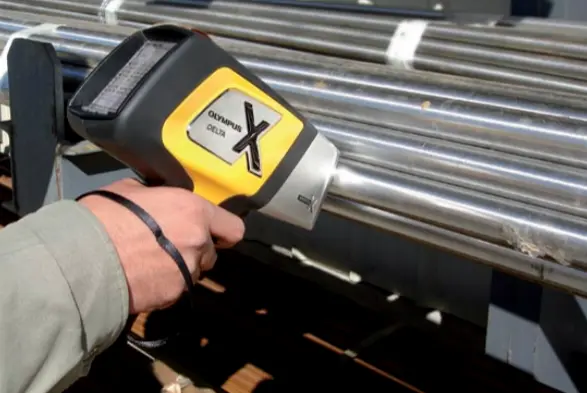
1. Chemical Composition Testing (Spectroscopic Analysis)
· Purpose: Verify whether the alloying elements meet the requirements of ASTM A249
· Implementation method: Incoming inspection of raw materials + re-inspection of finished products
· Key point: Must be traceable to the specific heat number
This step directly determines the authenticity and reliability of the chemical composition of ASTM A249.
2. Tensile Test
· Purpose: Verify tensile strength, yield strength, and elongation
· Sample requirement: Taken from finished welded pipes
· Standard basis: Mechanical properties section of ASTM A249
3. Formability Tests
Including flattening test and flaring test, which are used to verify the plasticity and structural consistency of the weld zone, and are key items explicitly required by ASTM A249.
V. Essential Differences in Performance Control Between ASTM A249 and A269
Customers often ask: "ASTM A249 or A269?"
From the perspective of chemical composition and mechanical properties:
· ASTM A249: Emphasizes post-weld performance consistency and pressure-bearing safety
· ASTM A269: Tends to general purposes, with relatively loose requirements for welding performance
In heat exchange and boiler systems, replacing A249 with A269 often means a higher risk of long-term failure.
VI. How Does YOUFASS Ensure the True Performance of ASTM A249?
As a stainless steel pipe manufacturer with nearly 10 years of experience, YOUFASS deeply understands customers' core concerns about performance authenticity.
Relying on its internal laboratory system, YOUFASS implements the following measures for ASTM A249 tubing:
· Dual chemical composition testing of raw materials and finished products
· Re-inspection of mechanical properties of finished products
· Full-process traceability of test data and production batches
These control measures are far more effective than a single certificate in proving the authenticity and reliability of the mechanical properties of ASTM A249.
VII. Conclusion: How to Reduce Procurement Risks Through Composition and Performance?
A truly qualified ASTM A249 pipe is not just "correctly labeled", but also:
· Precise chemical composition
· Authentic mechanical properties
· Verifiable testing process
Choosing a supplier with internal testing capabilities and long-term manufacturing experience like YOUFASS can truly reduce risks throughout the entire project life cycle.
For obtaining the ASTM A249 chemical composition table, mechanical property data, or testing instructions, please feel free to contact the YOUFASS technical team directly.
Online Message
YOU MAY LIKE
EN 10217-7 1.4404 Welded Steel Pipe
ASTM A928 Electric Fusion Welded Duplex 2507 Pipe
ASTM A358 GR 316 316L CL1 WLD Steel Pipes
ASTM A789 GR S32205 Stainless steel tube
ASTM A213 TP316Ti Boiler Tubes
ASTM A358 310S Electric Fusion Welded Steel Pipes
ASTM A270 TP316 Welded Steel Tubing
ASTM A358 309S Stainless Weld Steel Pipes