
Jul 14, 2026
Common applications of ASTM A312 pipes in industry
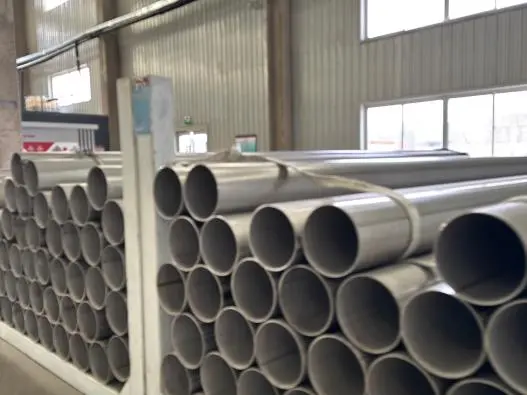
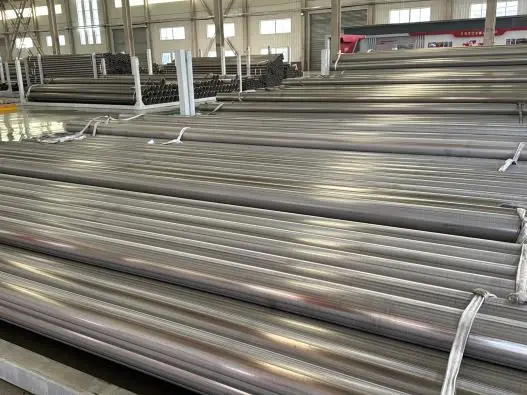
A lot of different areas depend on ASTM A312 Welded Stainless Steel Pipes. They are used to make power, process petrochemicals, make food, and clean water. People really like these austenitic stainless steel pipes because they don't rust, are very strong, and can handle both high and low temperatures. ASTM A312 includes both seamless and welded types. They give engineers and procurement workers good choices for pipes that work well, don't cost too much, and will last for a long time in many different situations.
|
|
|
Introduction
Standards that make sure things are safe, last a long time, and work well are very important in the world of industrial plumbing. A lot of different fields have used ASTM A312 Welded Stainless Steel Pipes for a long time. They are used in power plants that work at high temperatures and in clean food factory lines, among other places. This in-depth guide looks at how these pipes are used in different industrial settings and why they are needed scientifically.
If you are an expert looking for materials for a new hydrogen plant or a buying manager looking for pipes for a chemical processing plant, you will be able to make better decisions if you know more about these standards. We'll look at examples from real life, talk about the most important things about different types of materials, and give you tips on how to pick the best pipe design for your needs.
Understanding ASTM A312 Pipes: Specifications and Properties
The rules for austenitic stainless steel pipes that will be used in places that are hot and usually corrosive are written in ASTM A312/A312M-22. You can make these pipes smooth, joined, or very cold-worked. A lot of grades are in the standard, like TP304/TP304L, TP316/TP316L, TP316Ti, TP317/TP317L, TP321/TP321H, TP347/TP347H, TP309S/TP309H, and TP310S/TP310H. Each grade is meant to help with a different issue in the world.
Chemical Composition and Alloying Elements
The way that ASTM A312 pipes work is directly related to how well their chemicals have been handled. The chromium percentage, which can be anywhere from 16% to 26% depending on the grade, protects against rust. The metal is more flexible when 8% to 20% nickel is added, but the austenitic structure stays stable. The most carbon that can be added to this form of TP304L is 0.035%. This keeps carbide from forming while welding, which makes it great for making things out of heavy-gauge steel. But TP316L has 2 to 3 percent molybdenum added to it, which makes it much less likely to split or crack when it is in a chloride-rich environment, like at the coast or in desalination plants.
Manufacturing Processes and Mechanical Properties
All ASTM A312 pipes need to be solution annealed at temperatures below 1900°F (1040°C), and then they need to be quickly cooled in water. It sets the metal's mechanical properties, like having a minimum yield strength of 30 to 35 ksi and a tensile strength of more than 75 ksi. The heat treatment breaks down carbides and makes the metal less likely to rust. Pipes can be NPS 1/8" to 48" (DN6 to DN1200) in size, and wall thicknesses can range from Schedule 5S to XXS. This lets pipe sizes be exactly matched to flow rates and working pressures.
Common Industrial Applications of ASTM A312 Pipes
It is clear that ASTM A312 Welded Stainless Steel Pipes are very useful because they are used in many different fields. They can handle problems that would quickly destroy carbon steel pipe systems because they are strong, don't rust, and can work in both high and low temperatures.
Power Generation and Energy Systems
In the most common places where they are used, power companies rely on ASTM A312 lines a great deal. Extremely hot steam (above 1000°F) is used in the superheater and reheater parts. This is when the TP321H and TP347H grades work best because their microstructures are solid. TP316L is a good choice for heat swaps that move heat between process lines because it doesn't rust and conducts heat better. This is especially true when there is a lot of salt in the water used for cooling.
For heat recovery steam turbines in combined cycle plants, ASTM A312 Welded Stainless Steel Pipes are used. For these machines, you need materials that can handle sudden changes in temperature when they are starting up and shutting down. You can bend these stainless steels over a wide temperature range because they have an austenitic structure. They don't break easily like some ferritic fabrics do because of this. ASTM A312 lines are used by nuclear power plants for extra systems that deal with borated water and other fluids that are bad for the environment. The safety of the business is directly linked to the quality of the materials.
Petrochemical and Chemical Processing Industries
Chemical firms use very rough media that would quickly damage lines that aren't protected. To move strong acids, caustic solutions, organic solvents, and gases that break things down in factories, chemical synthesis plants, and polymer production plants, ASTM A312 Welded Stainless Steel Pipes are used. Moving small amounts of sulfuric acid or chlorinated hydrocarbons can weaken metals and cause stress corrosion cracks. The TP316L grade is very useful for these situations.
ASTM A312 lines are used in factories for heat treatment, alkylation, and catalytic cracking units. These systems are exposed to harsh chemicals and high temperatures that can damage the materials. Titanium is added to the TP321 grade to make it stronger. It doesn't dissolve between the grains in the sensitization temperature range that is common in welding and high-temperature work. It works great for pipe systems that need to be changed or fixed a lot in the field because of this.
Food, Pharmaceutical, and Sanitary Applications
That cares a lot about cleanliness need pipe materials that don't let germs grow, can handle strong cleaning chemicals, and don't get delicate items dirty. Pipes made to ASTM A312 can meet these needs. They can have a smooth, non-porous surface finish from bright annealing, electropolishing, or passivation. TP316L is used for the pipes that move milk, juices, fermentation broths, and active medical ingredients by companies that work with dairy, make drinks, and make medicines.
Hot acidic solutions, acidic cleaners, and high-temperature steam treatment are all used repeatedly to clean these sterile pipe systems. ASTM A312 Welded Stainless Steel Pipes don't rust, and their surfaces stay strong even after being cleaned over and over again thousands of times. Because of this, the surfaces do not wear down, which would otherwise allow germs to survive there. The surface becomes smoother after electropolishing; the roughness is reduced to less than 20 microinches Ra. As a result, water can drain more efficiently, and the system can be cleaned more quickly.
Water Treatment and Desalination Facilities
Water with chlorine in it, chlorine disinfectants, and salty feedwater all make it hard for local and private desalination plants to keep their equipment from rusting. ASTM A312 TP316L pipes are now the best choice for chemical pumping systems, salt handling lines, and reverse osmosis systems. Because TP316L has molybdenum in it, it is less likely to pit and rust in salt environments. It will last a lot longer than TP304 choices because of this.
For seawater entry systems and treatment plants that work near the coast, TP317L is better at resisting rust in certain places. This is because it has more molybdenum, being exposed to very high amounts of salt. When you choose the right material for these setups, you can save money in the long run because you won't have to pay for as many maintenance visits and will be able to go longer without replacing them.
How to Choose Between ASTM A312 Pipes for Your Industrial Needs
When picking the right standard, you should carefully consider the costs, the terms of work, and the laws related to ASTM A312 Welded Stainless Steel Pipes. It is important to make sure that the skills of the material are exactly matched with the needs of the application.
Technical Performance Criteria
The working pressure is the main thing that makes these specs different from others. Pressure is something that ASTM A312 Welded Stainless Steel Pipes are made to withstand, and the ASME B31 pressure plumbing rules spell out how much stress they can take. When systems work above 150 psi or have dangerous fluids in them, they usually need to meet the ASTM A312 standard. The choice of material is also affected by the temperature. Like, ASTM A312 is needed for jobs that go above 300°F, because that's when long-term creep resistance and material qualities become very important.
This study of the corrosion environment helps you decide what grade to give each norm. Types with molybdenum, like TP316L or TP317L, tend to work better when salt levels are above 100 ppm. When sulfur chemicals are present at high temperatures, stabilized types like TP321 or TP347 work better. It is possible for projects to save a lot of money by accurately explaining service conditions, not over-specification, and having the right safety gaps.
Economic and Supply Chain Considerations
The costs of materials, the time it takes to make something, and the availability of supplies in different places all have a big impact on how much a job costs. It costs more to buy ASTM A312 smooth pipes because they are harder to make and need more tests. It is less expensive to buy welded ASTM A312 pipes than seamless ones, and they still work well in many cases.
Product wait times can vary from right away for common sizes in popular grades to 8 to 12 weeks for unique materials or large widths. This is something to keep in mind when you're making a purchase. When you work with dependable companies like YOUFA, you can access a large inventory, get expert help when picking specs, and get items quickly so that projects stay on schedule. People can be sure that the items they buy are of good quality and that the paperwork is complete when they see certifications like ISO 9001, PED compliance, and ISO 17025 test approval.
Supplier Qualification and Verification
Buying things from makers and sellers you can trust lowers the risk and makes sure that materials, including ASTM A312 Welded Stainless Steel Pipes, can be watched. A good provider will give you a full material test record (MTR) for each output lot. This report will show the material's chemical makeup, mechanical properties, and measurements. Witnessed testing is a way for third-party inspection services to make sure that standards are met on projects that need extra safety.
There's more to a supplier's skills than just the quality of their goods. It also looks at how well they know how to do things technically, how quickly they can help customers, and how stable their business is. Tech support from manufacturers helps improve specs, fix problems in applications, and suggest the best materials for each service case. With just-in-time transport and carefully put goods in delivery networks, urgent needs can be met fast, and storage costs can be cut down.
Inspection, Quality Assurance, and Best Practices for ASTM A312 Pipes
How effective the system is and how long it lasts depend on how well ASTM A312 Welded Stainless Steel Pipes are handled during setup and throughout the supply chain. When there are full quality assurance systems, issues are found early on before they get worse and affect safety or performance.
Non-Destructive Testing and Verification Methods
ASTM A312 Welded Stainless Steel Pipes are checked more than once while they are being made. Hydrostatic testing puts lines under test pressures that are higher than their design values to see if they are stable under pressure. When you use ultrasonic testing, you can find problems inside thicker walls and odd materials. When you use eddy current testing, you can find breaks on the surface or close to the surface of connected pipes. To make sure that the length, outside width, and wall thickness all meet the standards, dimensions are checked.
When buyers get the goods, they should check the material certificates against the specs they bought, look at the surface to see if it was damaged in shipping, and measure some random samples to get a feel for the sizes. As long as pipes are kept correctly, they won't get dirty, broken, or rusted. It is not a good idea for carbon steel pipes to touch stainless steel pipes because the surface could rust.
Installation Best Practices and Preventive Measures
A process called passivation gets rid of any free iron that is still there after welding. This leaves the protective chromium oxide layer on the surface. It is important to try to clean systems under pressure before they are used to make sure they are solid and get rid of any built-up waste. You can find rust, erosion, or mechanical damage early, before it breaks, by setting up preventative maintenance plans with regular check times.
Conclusion
ASTM A312 Welded Stainless Steel Pipes have worked well in tough industry settings, like those that work with chemicals, energy, food production, and water treatment. These materials are great for cases where weaker ones can't work because they don't rust, are strong, and can handle high temperatures. For projects to go well, they need to work with qualified service providers who can offer regular quality, full technical help, and services that keep things running smoothly.
FAQ
Can welded pipes substitute for seamless pipes in pressure applications?
When designing ASTM A312 pipes, they can be used in pressure situations as long as the weld joint efficiency factors are taken into account. These factors are usually 0.85 or 1.0 for fully radiographed seams. Welded lines work well for many services, but for important systems, a smooth design is the best choice.
How do I verify material quality before purchase?
Make sure you get approved test results for the material that show its chemical makeup, its mechanical properties, and the production lots that they belong to. Search for the supplier's ISO 9001 and PED safety marks. Reliable sellers offer options for third-party inspections and full paperwork packages that show the materials are real.
What grade should I specify for chloride-bearing environments?
When chloride levels hit a few thousand parts per million, TP316L with 2% to 3% molybdenum is less likely to pit or corrode in cracks. If there is a lot of salt in the air or the weather is very bad, you might need TP317L with more molybdenum than 3%.
Partner with YOUFA for Premium Stainless Steel Piping Solutions
YOUFA has a wide range of stainless steel pipe choices and produces them with the utmost care and skill. We make 50,000 tons of things on 15 lines every year, so projects of any size can always get what they need. All ASTM A312 grades are possible for us to make, from TP304/TP304L to TP310S/TP310H. We can make them in forms that are seamless, joined, or highly cold-worked. There are a lot of different sizes and wall thicknesses, from NPS 1/8" to 48", so the specs can be changed to fit a lot of different uses.
The fact that our goods have ISO 9001, PED, TÜV, and ISO 17025 test approval shows that we are committed to making the best products possible. When you need to make sure the quality of something, you can get full paperwork packages that include MTC/MTR 3.1/3.2 certificates, TPI records, WPS/PQR qualifications, and UT/RT inspection results. As a trustworthy ASTM A312 Welded Stainless Steel Pipes seller, we keep a large stock that lets us meet urgent needs fast. We can also make goods that are tailored to your needs.
Email YOUFA right away at info@youfass.com to talk about your project needs with application engineers who have worked in your industry before and know how the technology works. Because we only need one pipe as a minimum order, you can quickly make prototypes and get new ones. Plus, we can get your items to Tianjin Port in seven days, which keeps your project moving forward. When you work for a Top 500 Chinese company that wants you to do well, you can trust them.
Online Message