May 7, 2026
Common applications of ASTM A312 GR TP304L Stainless Steel Pipes beyond oil and gas
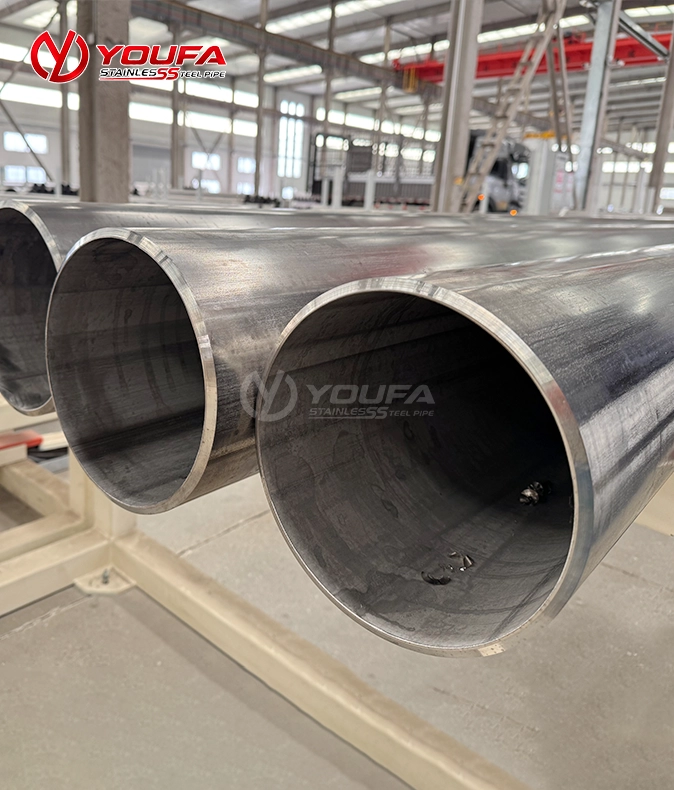
When people hear the phrase "stainless steel pipes," they often think of the oil and gas business. Still, ASTM A312 GR TP304L stainless steel pipes are useful in many situations that are not at all like how they are used in oil. These pipes, made of austenitic stainless steel, don't rust and are very strong. They can be used in many areas, from making drugs to processing food and from creating new energy systems to exact medical devices. When engineers, project managers, and people who buy things know where and why ASTM A312 GR TP304L pipes work well in places other than oil and gas, they can pick materials that meet their needs for cost, performance, and compliance.
Understanding ASTM A312 GR TP304L Stainless Steel Pipes
Chemical Composition and Mechanical Strength
The carefully controlled chemical makeup of ASTM A312 GR TP304L pipes distinguishes them. They contain 18.0–20.0% chromium, 8.0–12.0% nickel, and most crucially, 0.030% carbon. ASTM A312 GR TP304L has low carbon. It reduces carbide precipitation during fusion. This prevents corrosion even near welds, thus it's often not essential to let the metal cool after welding. These pipes have at least 485 MPa tensile and 170 MPa yield strength. They can withstand modest pressure and are easily bent and shaped.
Key Performance Attributes
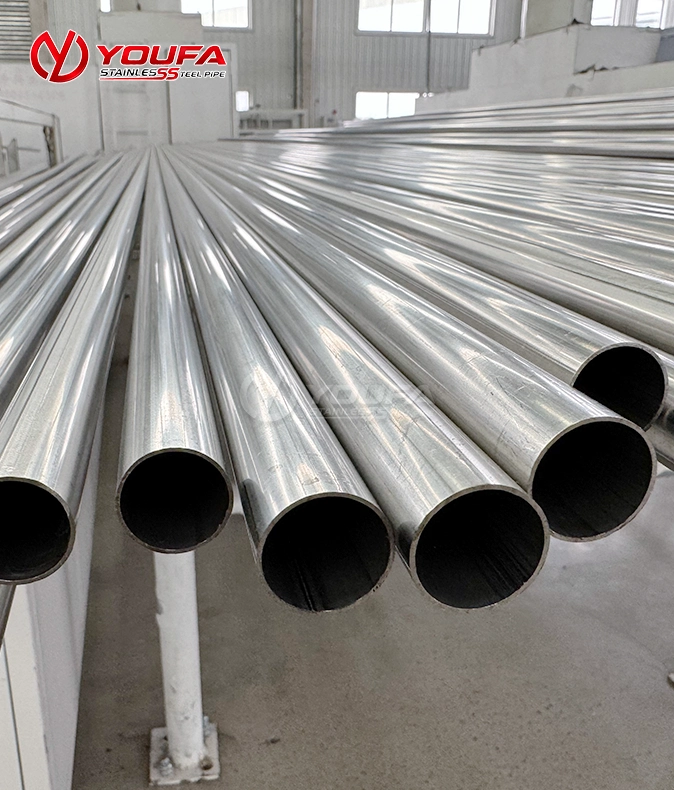
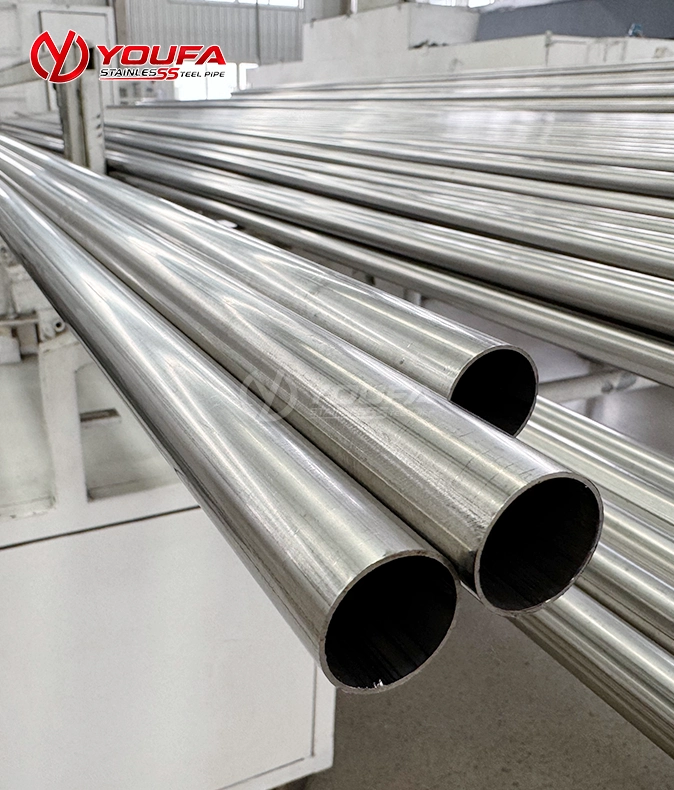
Austenitic ASTM A312 GR TP304L Stainless Steel Pipes operate well and are utilized in various industries. These pipes won't rust in slightly acidic, alkaline, or reactive conditions; they can be used in clean process applications. For rust protection, temperatures can reach 870°C. However, pressure service temperatures should not exceed 425°C. ASTM A312 GR TP304L remains flexible at cryogenic temperatures without weakening. This helps with liquid gases. You can pickle, brilliant anneal, or electropolish the inside to smooth it. This coating reduces fluid friction and prevents particle buildup for clean applications.
Manufacturing Standards and Tolerances
The ASTM A312/A312M-22 standard ensures accurate measurements and quality. Welding or seamless pipes are conceivable. Outside sizes range from NPS 1/8" to 48" (DN6 to DN1200), and wall thickness is Schedule 5S to XXS. Tolerances of +15 to +22.5% for positive wall thickness and -12.5% for negative wall thickness allow production adjustments while meeting tight pressure vessel regulations. Fast water cooling and solution annealing are common heat treatment processes. These steps stabilize the austenitic phase and reduce rust. Pipes are tested extensively before sale to ensure safety. These tests include good material recognition, ASTM A262 Practice E intergranular rust testing, and hydraulic pressure testing.
Common Industrial Applications Beyond Oil and Gas
Food and Beverage Processing Systems
Food and beverage workers trust ASTM A312 GR TP304L Stainless Steel Pipes because they are clean and compliant. Milk, fruit drinks, beer, wine, and cooking oils pass through these pipes in processing factories where contamination is unlikely. The smooth surface prevents germs from sticking and can withstand harsh Clean-in-Place (CIP) chemical treatments with mild acids and caustic soda without rusting or releasing metal ions. Dairy processors appreciate ASTM A312 GR TP304L for its application in high-heat-cycle scalding circuits. These pipes are used in carbonation and aseptic filling of beverage bottles. These are food-safe according to the FDA and 3-A Sanitary Standards. Since low-carbon austenitic steel doesn't mix, it preserves product flavors. This ensures brand quality and user safety.
Pharmaceutical and Biotechnology Manufacturing
Making pharmaceuticals requires chemically safe, easy-to-clean, and trackable materials. Pharmaceutical factories employ ASTM A312 GR TP304L pipes for Pure Water for Injection (WPI) systems, buffer preparation lines, and clean product switch circuits. Pharmaceutical acids, alcohols, and reactive agents don't damage the substance; it remains together throughout manufacture. Biotechnology facilities employ electropolished ASTM A312 GR TP304L pipes for bioreactor feed lines and purification tanks. Microinches quantify surface roughness, which affects bacteria control. Validation requires saving a lot of paper. The FDA and EMA can thoroughly vet vendors. Suppliers that provide EN 10204 3.1 or 3.2 Material Test Certificates (MTC) and help pharma firms monitor their items by heat number may pass the tests.
Chemical Processing and Industrial Fluid Handling
Chemical processing firms operate with several compounds, making material selection difficult. ASTM A312 GR TP304L Stainless Steel Pipes can transport water, chemical liquids, and mild acids like acetic acid in a wide range of industrial systems. They do not require expensive high-alloy grades because they provide reliable corrosion resistance. Electroplating factories commonly use these pipes for handling mild sulfuric and nitric acid solutions. Cleaning water pipelines and chemical distribution systems also rely on ASTM A312 GR TP304L Stainless Steel Pipes for long-term performance. Salt does not corrode ASTM A312 GR TP304L Stainless Steel Pipes as aggressively in fresh water systems, making them suitable for industrial cooling water applications. ASTM A312 GR TP316L offers improved molybdenum-enhanced corrosion resistance, making it more suitable for coastal or brackish water environments. ASTM A312 GR TP304L Stainless Steel Pipes are also used in chlorine dioxide and hydrogen peroxide bleaching lines within the paper and wood processing industries. These applications require a balance between dependable performance and cost efficiency.
Medical Device and Healthcare Equipment
Biocompatible and stable ASTM A312 GR TP304L pipes are used in medicine. This pipe transports saturated steam at high pressures and temperatures to clean surgical equipment. They won't lose their surface after several sterilizations. Hospital gas distribution networks provide oxygen, nitrous oxide, and medicinal air. These networks employ NFPA 99-compliant ASTM A312 GR TP304L pipes that are clean and compatible. Fluid routes in blood laboratories and dialysis devices must withstand protein accumulation and frequent bleach or quaternary ammonium cleaning. This is why diagnostic equipment manufacturers utilize ASTM A312 GR TP304L tubes. ASTM A312 GR TP304L is suitable for catheter guides and endoscopic tool channels since it doesn't leak nickel and is stable in safe environments.
New Energy and Hydrogen Production Systems
The shift to green energy infrastructure has expanded ASTM A312 GR TP304L Stainless Steel Pipes usage. These pipelines transfer potassium hydroxide salts and handle low-pressure hydrogen streams in alkaline water electrolysis systems. Titanium is needed for PEM electrolyzers in rusty areas. Balance-of-plant lines, cooling loops, and other alkaline systems benefit more from ASTM A312 GR TP304L. Fuel cell manufacturers test tools and fluid systems on assembly lines using ASTM A312 GR TP304L pipes. These pipes can bear ordinary operating pressures and never contain hydrogen. In solar thermal power plants, ASTM A312 GR TP304L heats fluid channels in reception systems and parabolic trough collectors. This resists rusting from produced oils and liquid salts at normal temperatures and can endure temperature variations.
Comparison of ASTM A312 TP304L with Related Stainless Steel Grades for Diverse Applications
TP304L versus TP316L: Corrosion Resistance and Cost Considerations
ASTM A312 GR TP304L and TP316L vary in salt resistance due to their molybdenum content. 2.0%–3.0% molybdenum in TP316L. It is less likely to pit or rust in salty water, coastal locations, and chloride or bromide chemical conditions. The market price of nickel and molybdenum is 20–30% more than TP304L. ASTM A312 GR TP304L is inexpensive and effective for water, mild organic acids, and alkaline solutions without halides. Chemical companies that operate with streams above 100 parts per million chloride commonly request TP316L to minimize localized rust breaks. Risk assessments are routine in procurement strategies. This entails considering material prices upfront versus rust repair delay. In most cases, TP304L is the low-cost standard, while TP316L is performance insurance depending on the weather.
TP304L versus TP321: Thermal Cycling and High-Temperature Service
Titanium stabilizer turns carbon into titanium carbides instead of chromium carbides when ASTM A312 GR TP321 pipes are heated to 427°C to 816°C. This stabilization prevents sensitization and intergranular corrosion when metal is heated during soldering or high-temperature operations. Due to its low carbon content, ASTM A312 GR TP304L doesn't require titanium to withstand sensitization. Scientists benefit and save money. TP304L is cheaper and works better when temperatures drop below 425°C quickly, as in medicine, food processing, and construction services. TP321 offers superior creep strength and rust resistance, making it ideal for chemical tanks and furnaces heated over 500°C. The grade depends on how long and at what temperature they will be exposed to the hottest. TP304L can handle thermal stress, whereas TP321 is better for high temperatures, which may generate carbides.
Procurement Considerations for ASTM A312 TP304L Pipes for Non-Oil & Gas Industries
Supplier Qualification and Quality Assurance
Make sure the vendors and ASTM A312 GR TP304L Stainless Steel Pipes are legitimate and well-made before buying. Certified manufacturers should demonstrate ISO 9001-compliant quality control systems. European sales need PED (Pressure Equipment Directive) clearance. Pressure tanks need ASME code stamps. With ISO 17025 lab clearance, the firm may perform chemical, mechanical, and non-destructive testing on its own. Paperwork bundles containing Material Test Reports (MTR) that satisfy EN 10204 3.1 or 3.2 criteria may track temperatures back to steel mills and prove they fulfill ASTM A312 chemical and mechanical specifications. TÜV, Bureau Veritas, and SGS may examine materials' size, finish, and quality without purchasing them. This reduces the danger of purchasing from unknown sources or for critical reasons when a mistake might have serious effects.
Long-term partnerships with reliable suppliers like Youfa Stainless Steel Pipe Co., which has 15 manufacturing lines that can handle 50,000 tons of steel per year and all the required permits, speed up the procurement process and ensure that all orders are handled equally. A provider that sells one pipe may assist you with test projects and repairs without requiring a large order.
Pricing Dynamics and Bulk Order Strategies
Raw ingredients, mostly nickel and chromium, are traded globally to determine stainless steel pipe prices. London Metal Exchange (LME) nickel pricing and ferrochrome market patterns might help buyers predict price changes. Buying in bulk gets you greater discounts. You save money by buying items for several jobs or places at once, which dealers indicate in per-ton pricing. You save more after 50 tons than 10 tons when buying in bulk. Prices are usually basic price plus alloy charge to illustrate how flexible the product is. Blanket purchase arrangements with scheduled releases help manufacturers maintain pricing and save inventory expenses. This helps producers whose monthly use remains the same while generating items.
Logistics and Delivery Optimization
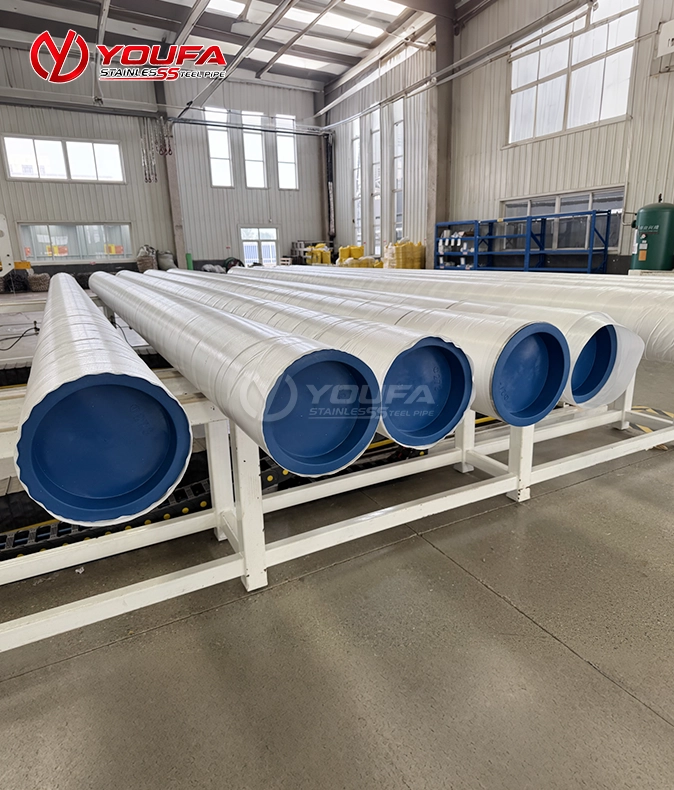
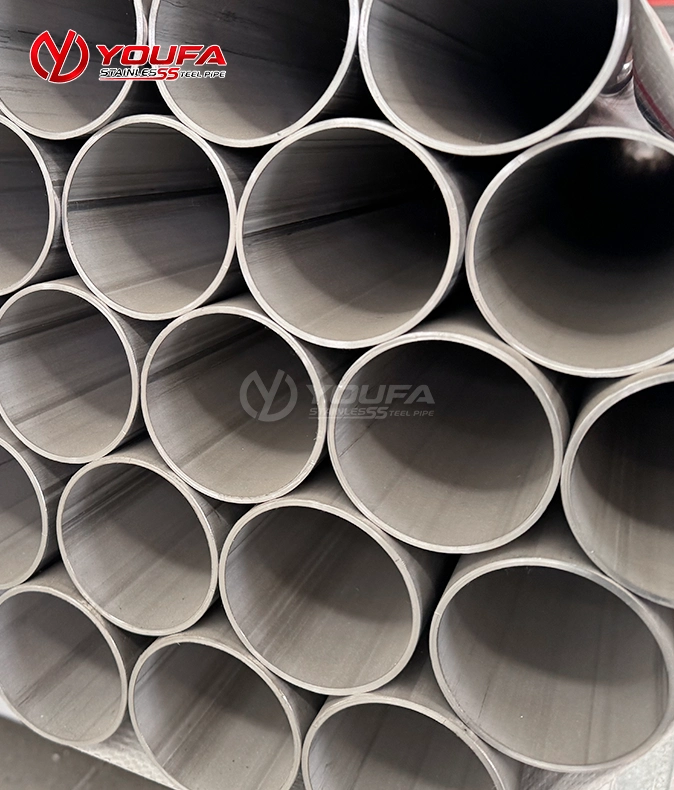
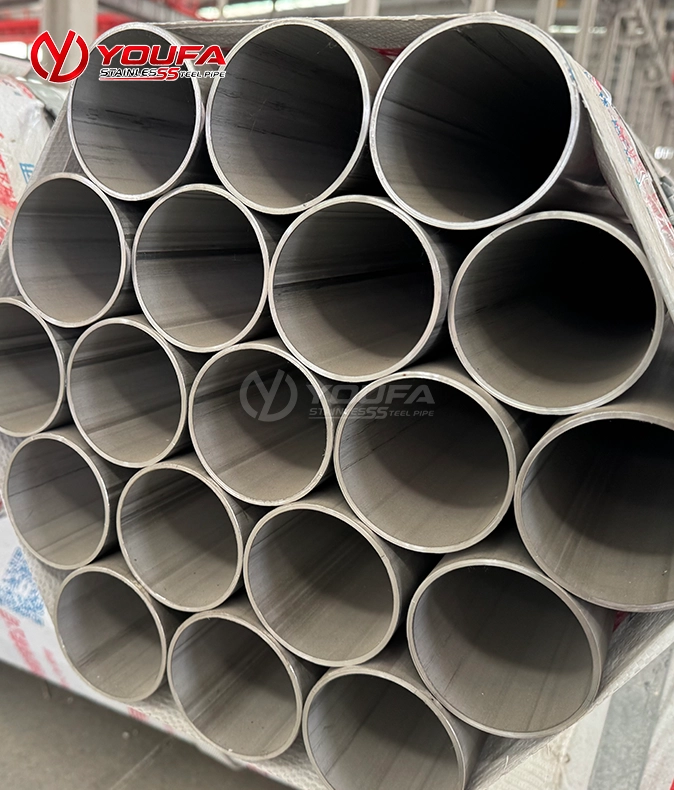
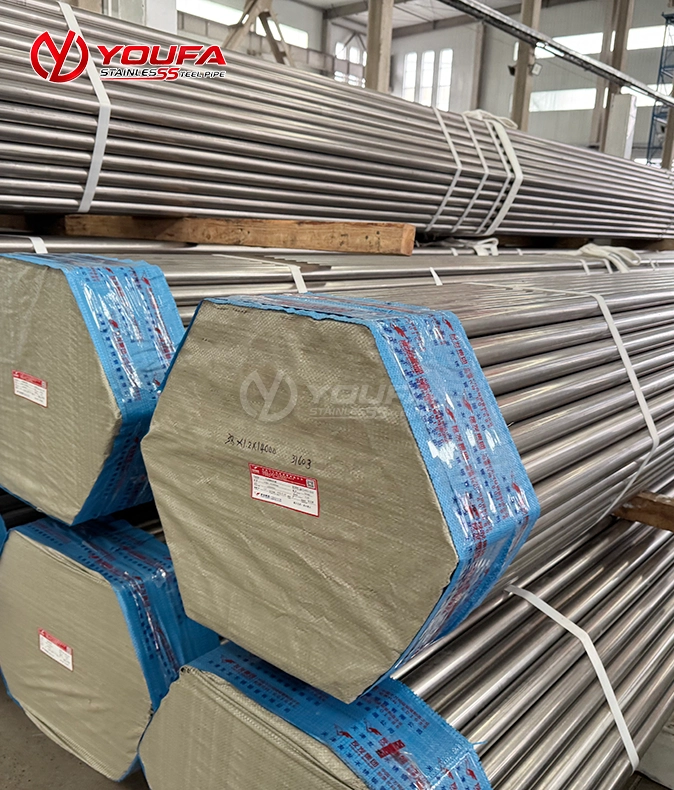
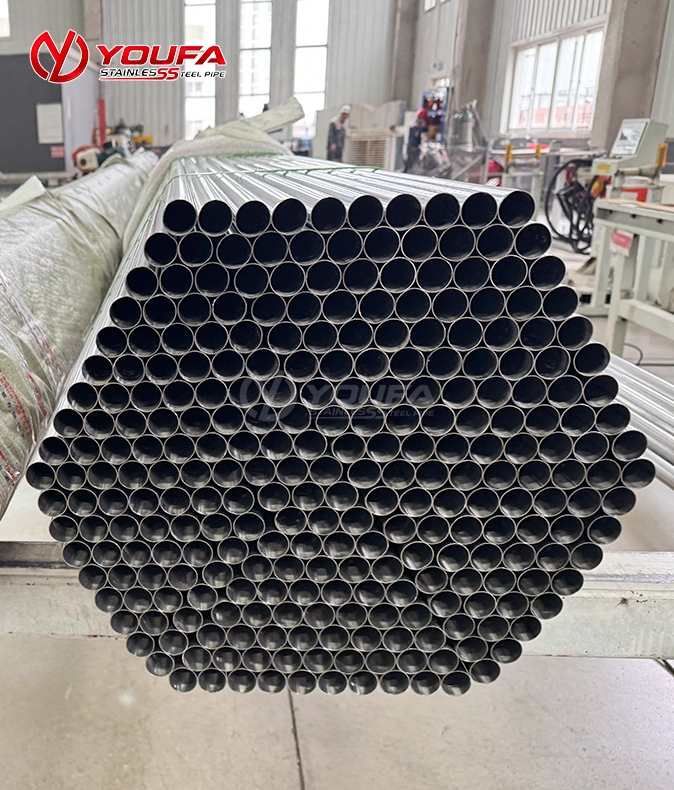
You must prepare for several difficult things while buying stainless steel pipes from different nations. Standard sizes that wholesalers carry have immediate lead times. Special sizes or surface treatments need 4–8 weeks for mill runs. Companies like YOUFA's 7-day delivery to Tianjin Port are advantageous for urgent projects or repairs. The way items are packaged affects how they arrive. Wooden boxes strengthened with steel may protect pipes during maritime freight, and triangular packaging with a woven bag overwrap prevents scratching and makes items simpler to handle. Knowing Incoterms like FOB (Free on Board), CIF (Cost, Insurance, and Freight), and DDP makes it clear who pays for freight, insurance, and customs. Working with skilled freight forwarders who handle stainless steel operations reduces the risk of product damage, customs delays, or project delays due to paperwork problems.
Conclusion
Steel pipes made of ASTM A312 GR TP304L aren't just used for oil and gas. They are very important for making medicines, medical gadgets, green energy systems, food processing, and buildings. The grade is good for a lot of different industrial problems because it is resistant to rust, strong, cheap, and easy to clean. It also meets strict government standards. Making sure that the paperwork is clear, that the sources are qualified, and that shipping is optimized are all parts of strategic buying. This makes sure that the materials are reliable and that the project is a success. Inspection and mending methods that are done thoroughly make activities safer and extend the life of assets. ASTM A312 GR TP304L Stainless Steel Pipes will still be a good choice even as companies move toward cleaner technologies and higher cleaning standards. In many areas that affect current infrastructure and industrial capability, they will find a balance between the need for success and the facts of the economy.
FAQ
Can TP304L pipes handle high-temperature chemical processing?
When used in chemical processes, ASTM A312 GR TP304L pipes can handle temperatures up to 425°C without breaking. They can handle rust up to 870°C when they are not under pressure. Grades like TP321H or TP347H, which have stable elements like titanium or niobium, have better creep strength and are less likely to form carbides above these temperature ranges. It's just as important that chemicals work well together. It's easy for TP304L to handle weak acids, organic solvents, and alkaline solutions. However, strong mineral acids or chemicals with chloride break it down more quickly when heated. You have to look at both temperature and chemical stresses at the same time to pick the right material. You also have to make sure that the working conditions stay in the ASTM A312 GR TP304L performance range.
How can buyers be sure that the seller they're looking at is reliable?
There are several steps that need to be taken to make sure that a company is trustworthy. It is important to keep track of quality management systems by checking ISO 9001 certification through listings of independent registrars. If you ask for examples of past jobs and get their contact information, you can talk to them personally about how reliable the delivery was and how good the materials were. Inspection services that are not part of the production process, like TÜV, SGS, or Bureau Veritas, check the manufacturing process, the accuracy of the test tools, and the conformance of the product. As long as the Material Test Reports match the standards in ASTM A312, we know that the chemical make-up and mechanical properties are correct. One of China's top 500 companies, YOUFA Stainless Steel Pipe Co., has many certificates that can be checked. One of these is ISO 17025 laboratory approval. This makes buying from them less risky and helps long-term relationships grow.
Partner with YOUFA for Premium Stainless Steel Pipe Solutions
Since it opened in 2017, YOUFA Stainless Steel Pipe Co. has had 15 high-tech production lines make 50,000 tons of precisely cut stainless steel pipes every year. Some of the types of these pipes are TP304/TP304L, TP316/TP316L, and are made of different metals. Our full quality system, which meets ISO 9001, PED, and ISO 17025 lab standards, tests each pipe carefully and keeps track of all the materials that were used to make sure it meets ASTM A312 standards.
We are a trusted company that makes stainless steel pipes, and we can handle orders of any size, from a single pipe for maintenance to large loads for big projects. If you need things quickly, we can even cut the time it takes to get them to Tianjin Port by 7 days. You can get full test results, MTC/MTR certifications based on EN 10204 3.1/3.2, and WPS/PQR certifications with our paperwork sets. These help every kind of business follow the rules set by laws. YOUFA can help you with your needs. Email them at info@youfass.com to get quotes and work with a reliable supply chain partner that will keep your projects on track and your business running smoothly.
References
1. American Society for Testing and Materials. (2022). ASTM A312/A312M-22: Standard Specification for Seamless, Welded, and Heavily Cold Worked Austenitic Stainless Steel Pipes. ASTM International, West Conshohocken, PA.
2. Davis, J.R. (Ed.). (1994). Stainless Steels: ASM Specialty Handbook. ASM International, Materials Park, OH.
3. Sedriks, A.J. (1996). Corrosion of Stainless Steels (2nd ed.). John Wiley & Sons, New York.
4. Baddoo, N.R. (2008). Stainless steel in construction: A review of research, applications, challenges, and opportunities. Journal of Constructional Steel Research, 64(11), 1199-1206.
5. Grubb, J.F., & DeBold, T.A. (2013). Stainless Steel Pipe Systems for Pharmaceutical Water Applications: Design, Installation, and Qualification. International Society for Pharmaceutical Engineering (ISPE), Tampa, FL.
6. Outokumpu Stainless AB. (2013). Handbook of Stainless Steel. Outokumpu Oyj, Espoo, Finland.
Online Message
YOU MAY LIKE