
Jul 24, 2026
Can ASTM A312 TP347 347H Pipes Be Used in Power Plants?
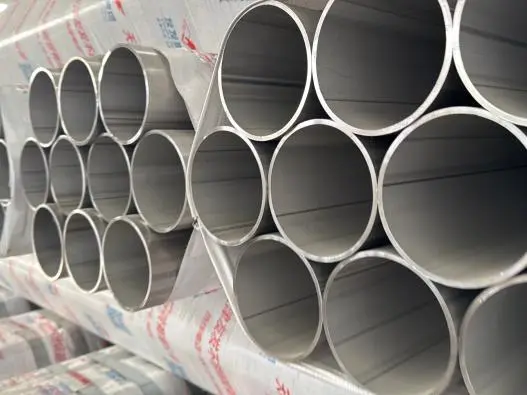
When selecting piping materials for power plant environments, engineering teams face a crucial decision that impacts safety, operational efficiency, and long-term maintenance costs. ASTM A312 TP347 347H Stainless Steel Pipes have emerged as a dependable solution for high-temperature applications, particularly in boiler systems, superheaters, and reheaters. These niobium-stabilized austenitic stainless steel grades resist intergranular corrosion and sensitization, making them well-suited for environments where temperatures exceed 500°C. The 347H variant, with its elevated carbon content ranging from 0.04% to 0.10%, delivers enhanced creep strength and thermal stability, addressing the demanding conditions typical in modern power generation facilities.
|
|
|
Understanding ASTM A312 TP347 and 347H Stainless Steel Pipes
Chemical Composition and Stabilization Mechanism
The way these pipes work is because the chemicals that make them up were carefully managed. Both grades have between 17 and 19% chromium and 9 to 13% nickel, which gives them the austenitic structure they need to resist corrosion. They are different because they have columbium (niobium) and tantalum added to them, and they must be present at least ten times the carbon content. This stabilization mechanism stops chromium carbide from forming at grain boundaries when welding or after being exposed to temperatures between 427°C and 815°C for a long time. This is called sensitization, and it happens in grades that aren't stabilized, like TP304 or TP316, and causes intergranular corrosion.
Mechanical Properties and Heat Treatment Requirements
With a minimum tensile strength of 515 MPa and a yield strength of 205 MPa, TP347H has better mechanical properties than its non-H cousin. The letter "H" means that the material goes through solution hardening at temperatures above 1040°C and then quickly cools down, usually by soaking in water. This heat treatment process makes sure that the carbon stays in solution and that the grain structure forms correctly so that it can handle high temperatures. The ASME Boiler and Pressure Vessel Code says that 347H can handle much higher stress levels than 304L at temperatures above 538°C. This makes it very useful in ultra-supercritical power plant designs where steam temperatures hit 600°C or higher.
Manufacturing Standards and Quality Verification
The pipes are made according to ASTM A312/A312M-22, which lists the standards for seamless, welded, and highly cold-worked shapes. Facilities like YOUFASS use strict testing protocols that are in line with ISO 17025 laboratory standards when they make things. Material Test Reports (MTR 3.1/3.2) list the results of chemical tests, mechanical tests, and heat treatment. Procurement teams should make sure that suppliers test for intergranular corrosion according to ASTM A262 Practice E. This test confirms that the niobium stabilization works and that the material doesn't become sensitive after being exposed to simulated service conditions.
Suitability of ASTM A312 TP347 347H Pipes for Power Plant Applications
High-Temperature Performance in Boiler Systems
Power plants with boilers that use coal, gas, or biomass need pipes made of materials that can handle high temperatures and oxidizing atmospheres. Because the structure of TP347 and TP347H pipes is stabilized, chromium-depleted zones don't form, which would make them less resistant to rust. When used in superheaters and reheaters, where steam temperatures often go above 540°C, the higher creep rupture strength of 347H keeps the dimensions stable and stops the material from breaking down too soon because of stress release. Independent studies from thermal power plants have shown that properly specified 347H pipes can last for more than 200,000 hours of operation, showing that they are reliable even when exposed to high temperatures all the time.
Resistance to Corrosive Environments
In addition to temperature, burning byproducts, changes in water chemistry, and regular shutdowns that cause oxidizing-reducing cycles can all damage power plant pipes, and for ASTM A312 TP347 347H Stainless Steel Pipes, the niobium stabilization provides superior resistance to polythionic acid stress corrosion cracking—a failure mode that occurs when sulfur compounds react with moisture during shutdowns—and niobium carbides remain more stable than titanium-stabilized TP321 under temperature fluctuations, making TP347/347H the preferred choice for critical power generation applications. The TP347 and TP347H grades are very resistant to polythionic acid stress corrosion cracking, a type of failure that happens when sulfur compounds react with wetness to make acids. This can happen when the equipment is shut down. The niobium stabilization gives safety that titanium-stabilized TP321 can't match in some settings, since niobium carbides are more stable and don't dissolve when the temperature changes.
Weldability and Fabrication Advantages
A lot of welding and fabrication is needed to install complicated pipe systems in power plants. In most cases, the stabilized grades let you weld without having to pre-heat or do a heat treatment right after the welding. Compared to materials that need controlled temperature management during welding, this feature cuts down on installation time and labor costs. Manufacturers like YOUFASS offer Welding Procedure Specifications (WPS) and Procedure Qualification Records (PQR). These make sure that production teams have the correct guidelines for making sound joints that keep the corrosion-resistant qualities of the base material.
Comparison with Alternative Stainless Steel Pipes Used in Power Plants
TP347 347H Versus TP316 316L
TP316 grades that contain molybdenum are better at resisting pitting and crevice corrosion caused by chloride, but they don't keep their strength at high temperatures as well as niobium-stabilized materials do. TP316L sees faster creep deformation in situations where temperatures regularly reach 500°C, which shortens its useful life. TP347H, on the other hand, keeps its shape at temperatures up to 650°C, which makes it the best choice for high-pressure steam lines and superheater outlet pipes. Cost is a factor that favors TP316 in lower-temperature areas of power plants, but the total cost of ownership calculation needs to take into account how often the parts need to be replaced and the unplanned downtime that comes with premature failures.
Advantages Over TP321 Stabilized Stainless Steel
Both TP321 and TP347 deal with sensitization by adding stabilization, but they do it in different ways. Titanium-stabilized TP321 can "gas-up" during welding if the titanium reacts with the nitrogen, leaving holes in the join areas. Niobium doesn't behave in this way, so the quality of the welds is more consistent in production settings. The controlled heat process that makes the grains in TP347H finer makes it more resistant to creep than TP321H normally is. More and more, engineering teams at big utilities are specifying TP347 347H for important high-temperature tasks because field performance data shows that these parts fail less often and need less upkeep.
Economic Considerations Versus Carbon Steel
Carbon steel pipe is still commonly used in parts of power plants with lower temperatures because it is much cheaper to make. When total lifetime costs are looked at, though, the economic balance changes in a big way. As a result of general corrosion and erosion-corrosion at fluid velocity changes, carbon steel needs to be inspected often and eventually replaced. The starting cost of stainless steel pipe is usually three to five times that of carbon steel based on the same amount of material. However, this is more than made up for by the fact that it doesn't rust, needs fewer inspections, and can last up to fifty years or more.
Procurement Considerations for ASTM A312 TP347 347H Pipes in Power Plants
Supplier Qualification and Certification Requirements
Finding makers with the right quality certifications is the first step to successful buying. ISO 9001 approval shows that quality management is done in a planned way, and Pressure Equipment Directive (PED) compliance shows that the product is safe for use in pressure-bearing situations and meets European standards that are known around the world. ISO 17025-certified labs are kept up by YOUFASS. These labs allow in-house testing of chemical makeup using optical emission spectroscopy and mechanical qualities using tensile, hardness, and impact tests. As part of the procurement specifications, suppliers should be asked to provide Mill Test Certificates that can be linked to heat numbers, Third-Party Inspection (TPI) reports when asked for, and the results of ultrasonic or radiographic tests for both seamless and welded pipes.
Understanding Dimensional Specifications and Tolerances
Precision measurement is needed for power plant pipe projects to make sure that the parts fit together correctly and the system works well, and for ASTM A312 TP347 347H Stainless Steel Pipes, wall thickness tolerances range from -12.5% to +15–22.5% per ASTM A312, which fabricators must account for in burst pressure and collapse resistance calculations, with nominal sizes from NPS 1/8" to 48" (DN6 to DN1200) and schedule numbers from 5S to XXS, while procurement teams must specify random or fixed lengths based on shipping and field installation constraints. As per ASTM A312, wall thickness tolerances can be -12.5% on the negative side and +15% to +22.5% on the positive side. Fabricators must take these tolerances into account when figuring out the burst pressure and collapse resistance. Pipes come in nominal sizes from NPS 1/8" to 48" (DN6 to DN1200), and their outside widths range from 10.3 mm to 1219 mm. Schedule numbers from 5S to XXS give you choices for different temperature and pressure situations. It's up to the procurement teams to say whether random or set lengths are needed, since shipping and installation issues in the field may force them to choose certain pipe lengths.
Logistics and Delivery Optimization
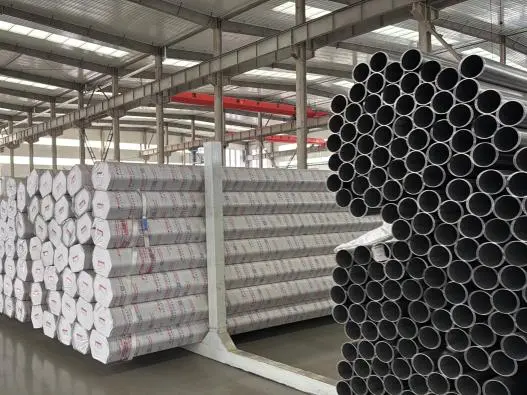
Construction and maintenance projects at power plants have to stick to tight schedules, and piping delays can affect activities that are on the critical path. Project teams can be more open with their purchases when they work with makers who can accept orders of any size, even as little as one pipe. YOUFASS can make 50,000 tons of things every year on 15 production lines. This means that they can handle both large project orders and quick deliveries of special items. Because of where the company is located, urgent needs can be delivered to Tianjin Port within seven days. This makes foreign shipping to power plant locations around the world easier. Pipe ends and surfaces are protected during transport and handling when they are packed in wooden boxes with steel frames that can be added if desired.
Benefits and Long-Term Value of Using ASTM A312 TP347 347H Pipes in Power Plants
Operational Advantages and Maintenance Reduction
The ability of niobium-stabilized stainless steel to resist corrosion and stay stable at high temperatures has direct operational benefits. Power companies that use TP347 347H piping in high-temperature areas say that forced outages caused by piping problems happen less often. The material's resistance to thermal wear makes parts last longer, even in power plants that start up and shut down every day to support the integration of green energy. Longer inspection gaps are good for maintenance teams because they don't have to measure ultrasonic thickness as often when there isn't a lot of rust. This frees up resources to work on other parts of the plant.
Environmental and Sustainability Considerations
Modern power production puts more and more emphasis on being good to the environment and running in a way that doesn't harm it. Stainless steel pipes last longer than materials that need to be replaced on a regular basis, so the facility uses less material over its entire operational life. When power plants are shut down, the stainless steel pipe still has a lot of value as trash and can be recycled, which is in line with the ideas of the circular economy. Because the material is inert, metallic contaminants can't leach through it. This is an important factor to consider for plants that use cooling water discharge or condensate return systems.
Industry Validation and Performance Track Record
Over many years of use in a variety of power generation technologies, major utilities and EPC contractors around the world have proven that TP347 347H piping works well. Leading turbine manufacturers list this material as an option for steam piping systems, and it has been used in ultra-supercritical units that achieved thermal efficiencies above 45%. Independent failure analysis files kept up to date by industry groups show that niobium-stabilized stainless steel has much lower failure rates than other materials in the same service conditions when it is properly designed and installed.
Conclusion
For power plant uses requiring high-temperature performance and corrosion protection, ASTM A312 TP347 347H Stainless Steel Pipes are a financially sensible and technically sound option. Intergranular corrosion is stopped by the niobium stabilization mechanism, and the higher carbon content in the H grade gives it better creep strength for a longer service life. When procurement pros are looking at piping choices, they should look at the total lifetime costs instead of the original material costs. This is because these stabilized grades are more durable and reliable, which lowers the long-term ownership costs. When you choose suppliers with complete quality systems and technical support, you can be sure that the materials you order will meet the needs of your project and work reliably for decades of heavy use.
FAQ
What is the Maximum Operating Temperature for TP347H Pipes?
When used continuously at temperatures up to 650°C (1200°F), TP347H pipes keep their shape and have good creep resistance. The material is solution-annealed at least 1040°C and then cooled quickly to make the grains bigger, which improves its high-temperature creep break qualities. When the temperature goes above 650°C, oxidation gets stronger. Other materials, like TP309S or TP310S, might be better depending on the environment and how long the product is expected to last.
How Do You Verify Authentic TP347H Material During Procurement?
The first step in verification is to look at the Material Test Report (MTR) to make sure that the carbon content is within the range of 0.04-0.10% that is typical of H grades and that the niobium and tantalum content is at least ten times the carbon percentage. Positive Material Identification (PMI) with X-ray fluorescence analyzers confirms the elements' make-up in the field. Intergranular rust tests according to ASTM A262 Practice E should be required by the procurement standards to make sure that the stabilization and heat treatment are done correctly. Suppliers you can trust will show proof that the solution annealing temperatures are higher than 1040°C.
Can TP347 Pipes Be Used in Cryogenic Applications?
Even though TP347 is designed to work best at high temperatures, it is still very tough at very low temperatures and is allowed for use in cryogenic applications at temperatures as low as -196°C. When the metal cools, the austenitic structure stays solid and doesn't change into brittle stages. Impact testing at the intended service temperature may be needed to make sure the toughness meets project requirements, especially for parts with thick walls or uses that involve dynamic loading.
Partner with YOUFASS for Reliable Stainless Steel Piping Solutions
YOUFASS Stainless Steel Pipe Co., Ltd. is ready to help power plant projects by making high-quality ASTM A312 TP347 347H Stainless Steel Pipes that meet strict requirements. Our ISO 9001, PED, and TÜV certifications, along with our ISO 17025 certified labs, make sure that every pipe meets the required chemical, technical, and size standards. As a supplier of ASTM A312 TP347 347H Stainless Steel Pipes, we keep a wide range of sizes in stock, from NPS 1/8" to 48" and wall thicknesses from Schedule 5S to XXS. This way, we can meet the needs of both large construction projects and urgent maintenance needs. Our technical team offers a wide range of services, such as help with choosing materials, suggesting the best way to weld, and providing on-site commissioning support. We can handle jobs of any size because we can produce up to 50,000 tons per year, and the smallest order is just one pipe. Get in touch with our team at info@youfass.com to talk about your power plant piping needs and get thorough technical specs, reasonable prices, and delivery schedules that fit your project's schedule.
Online Message