
Oct 16, 2026
ASTM A928 Duplex 2507 Pipe for High Strength Industrial Applications
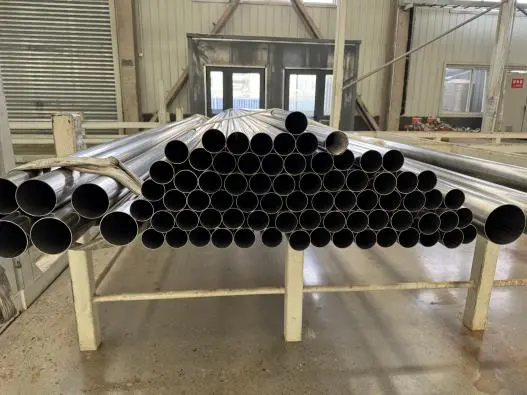
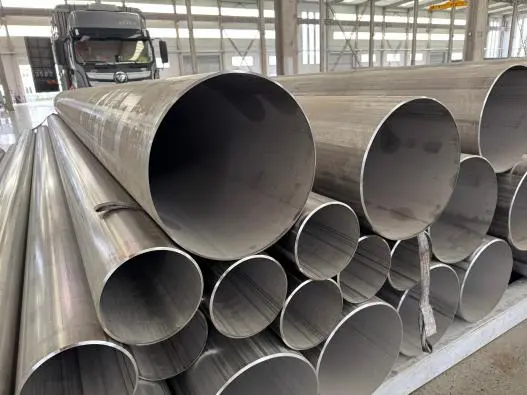
When procurement engineers need a pipe that holds up in aggressive chemical environments, high-pressure offshore systems, or corrosive process lines, the ASTM A928 Electric Fusion Welded Duplex 2507 Pipe consistently appears on the shortlist. This pipe grade combines a two-phase austenitic-ferritic microstructure with a high alloy content — roughly 25% chromium, 7% nickel, 4% molybdenum, and 0.27% nitrogen — delivering a Pitting Resistance Equivalent Number (PREN) above 40. That places it well above standard 316L or even 2205 grades for chloride-heavy and acid-bearing service. In this guide, I walk through what makes this material stand out, how to compare it against alternatives, where it performs best, and how to source it confidently.
|
|
|
Understanding ASTM A928 Electric Fusion Welded Duplex 2507 Pipe
What the ASTM A928 Standard Covers
Electric fusion welded (EFW) austenitic and duplex stainless steel pipes made with filler metal are governed by ASTM A928. Based on the needs of a radiographic inspection, it sets out five weld quality classes. In Class 1, there must be two layers of welding and a full X-ray exam, while in Class 5, spot X-rays are used. This tiered structure lets engineers fit the amount of detail in the inspection to the risk of the project without giving too many details.
Chemical Composition That Drives Performance
About 25% of Super Duplex 2507 (UNS S32750) is Cr, 7% is Ni, 4% is Mo, and 0.27% is N. They all work together: chromium and nitrogen stop pitting, molybdenum stops crevice corrosion, and the right amount of austenite and ferrite stops stress corrosion cracking (SCC). ASTM data says that the minimum yield strength for 2507 is 550 MPa, which is about twice as strong as standard 316L stainless steel.
Mechanical Properties and Heat Treatment
The pipe goes through solution heating and then water cooling after being welded with electric fusion. This heating cycle gets rid of any unwanted intermetallic phases that form while welding and brings the ferrite-austenite balance back to the desired 50/50 level. This makes the composition of both the weld zone and the base metal the same. This is very important for pressure service uses where localized weakness can lead to failure too soon.
Comparing ASTM A928 Duplex 2507 Pipe with Other Pipe Types
Duplex 2507 vs. 2205 and 904L
Duplex 2205 (UNS S32205) has a PREN of about 35, making it good for moderately corrosive environments. That number goes up to or above 40 with Duplex 2507. This makes it the best choice when chloride levels are over 1,000 ppm or temperatures are over 50°C. The yield strength of 2507 is about 40% higher than that of 904L, which is an austenitic grade that resists acid well. However, it still has about the same rust resistance in most industrial fluids.
EFW vs. Seamless Pipe Manufacturing
One benefit of seamless pipe is that it doesn't have a weld seam, which is important in service with very high pressure or fatigue loads. But ASTM A928 Electic Fusion Welded Duplex 2507 Pipe fills that gap for uses with a big diameter. With the EFW process, the outside diameter can be anywhere from 114.3 mm to 2,500 mm, which is a range that seamless production can't afford to cover. EFW is often the only way to make chemical plant headers, offshore manifold spools, and large seawater intake lines that work.
ASTM A928 vs. ASTM A790
ASTM A790 covers duplex pipes with smaller diameters that are either seamless or normally welded and don't need filler metal. ASTM A928 covers EFW pipe with added filler metal and requires written weld quality lessons. For projects that need full X-ray records and tracked weld process qualifications (WPS/PQR), ASTM A928 is the standard that you should use.
Procurement Guide: How to Source ASTM A928 Duplex 2507 Pipe Efficiently?
Verifying Supplier Certifications
Check that the ASTM A928 Electric Fusion Welded Duplex 2507 Pipe provider has ISO 9001 quality management certification, PED compliance for pressure equipment, and an ISO 17025-accredited in-house laboratory before you place an order. TÜV certification adds an extra level of independent checking. To get sampling paperwork packages, you should ask for MTC/MTR reports for levels 3.1 and 3.2, UT/RT inspection reports, hydrostatic test certificates, and WPS/PQR records. During checks by a third party, these papers will protect your project.
Evaluating Price and Lead Time
Alloy fees on molybdenum and nickel change with the commodity markets and affect the price of super duplex EFW pipe. To make comparisons between wall thicknesses more fair, ask for quotes based on kilograms instead of meters. For projects in the US, lead time is very important. A manufacturer with ready stock and port access, like being able to send to Tianjin Port in seven days, lowers the project schedule risk by a lot compared to providers who say it will take eight to twelve weeks.
Minimum Order and Custom Sizing
One useful thing about working with a direct manufacturer is that you can order just one pipe for testing or replacement. OD ranges from 114.3 mm to 2,500 mm, and wall thicknesses range from 3 mm to 50 mm. You can choose between random and set lengths. There are two types of end finishes: plain and beveled. The standard surface finishes are pickled and annealed. Requests for custom sizes can be met by talking directly with the manufacturer's technical team.
Application Scenarios and Industry Use Cases of Duplex 2507 Pipe
Oil, Gas, and Offshore Systems
Chloride-filled seawater is always a danger in offshore topside pipes and subsea flowlines. Because it can handle high temperatures and seawater, ASTM A928 Electic Fusion Welded Duplex 2507 Pipe is commonly used in installations in the North Sea and Gulf of Mexico. One real-world sign is that users say seawater pumping lines made with 2507 last more than 20 years, while 316L systems that do the same job last less than ten years.
Chemical Processing and Hydrogen Production
Chemical companies that use sulfuric acid, phosphoric acid, or chloride-rich process streams depend on 2507's high molybdenum content to keep rust from happening in certain areas. ASTM A928 Electric Fusion Welded Duplex 2507 Pipe is a good material for high-pressure process headers and connecting lines in hydrogen production equipment like electrolysis systems and bipolar plate assemblies because it is both electrochemically stable and mechanically strong.
Marine, Power, and Infrastructure Projects
Pipes are constantly in contact with salty or fresh water in desalination plants, power plant cooling water lines, and port infrastructure. Because these devices come with large-diameter lines, the ASTM A928 EFW format works really well here. The duplex microstructure also protects against biofouling-related crevice attack better than pure austenitic grades, which lowers the need for maintenance and the overall cost of the product's life.
How to Optimize Welding and Installation of ASTM A928 Duplex 2507 Pipes?
Controlling Heat Input During Welding
When welding duplex 2507, the most important thing is how you control the heat input. When there is too much heat, sigma phase precipitation happens. This is a brittle intermetallic substance that makes the material much less tough and resistant to rust. If there isn't enough heat, the microstructure moves toward having too much ferrite. Most of the time, 0.5 to 1.5 kJ/mm of heat input is fine for 2507, and the temperature difference between passes should be less than 150°C. These factors need to be written down in the WPS and checked during the PQR tests.
Post-Weld Treatment and Inspection
Solution annealing and water quenching are used to fix the phase balance after welding. Pickling and passivation get rid of heat tint and surface oxides that make pitting more likely to happen. Before the pressure test for the ASTM A928 Electric Fusion Welded Duplex 2507 Pipe, radiographic testing (RT) or ultrasonic testing (UT) is done to make sure the weld is solid. The final proof of service-readiness is hydrostatic testing at the stated test pressure.
Installation Handling and Alignment
To keep from getting iron on the carbon steel surfaces during field installation, don't touch them. For lifting, use bands made of fabric or stainless steel. Accurate alignment before tack welding lowers the joint's leftover stress, which is very important for situations where the joint will be used over and over again. During construction, label and store pipes by heat number so that the project records can keep track of the materials.
Conclusion
There are clear benefits to using ASTM A928 Electic Fusion Welded Duplex 2507 Pipe in environments that are acidic, high-pressure, and physically demanding. It is a useful and inexpensive choice for oil and gas, chemical processes, marine, and hydrogen generation because it has a high chromium-molybdenum-nitrogen chemistry and is made using the EFW method. The key to long-term success is using the right heat treatment, keeping an eye on the welding process, and getting your metal from a reputable maker with paperwork that can be tracked. When these conditions are met, the material always does better than standard stainless steel options in terms of both service life and total cost of ownership.
FAQ
What is the difference between ASTM A928 and ASTM A790 for Duplex 2507?
The ASTM A790 standard covers seamless and standard welded pipe, and the ASTM A928 standard covers EFW pipe made with filling metal. A928 is mostly for bigger diameters and needs documented weld quality classes with corresponding levels of radiographic inspection.
Why is heat input critical when welding this grade?
When you add too much heat, the sigma phase precipitates, which makes the material less tough and resistant to rust. Too much ferrite is formed when there isn't enough heat input. Both of these outcomes hurt the performance of the pipe and need to be managed by a qualified WPS.
Can Duplex 2507 pipe be used in cryogenic service?
Most duplex grades work well at temperatures as low as -50°C. Austenitic stainless steel types are the best choice for true cryogenic work below that temperature.
How do I verify the PREN of a supplied pipe?
Use the formula %Cr + 3.3(%Mo + 0.5%W) + 16%N to find PREN. Use this with the chemical analysis values shown on the manufacturer's Mill Test Certificate (MTC).
What weld classes are available under ASTM A928?
Class 1 is fully X-rayed and double-welded. Class 2 is welded twice without X-rays. Class 3 is fully X-rayed and single-welded. Spot radiography is used at different levels in Classes 4 and 5.
Partner with YOUFA for Certified Duplex 2507 EFW Pipe Supply
Since 2017, YOUFA has been a provider of stainless steel piping solutions. They have 15 production lines that make 50,000 tons of steel every year. YOUFA is a proven maker of ASTM A928 Electric Fusion Welded Duplex 2507 Pipe. They have ISO 9001, PED, ISO 17025 lab approval, and TÜV certification. We work with procurement teams all over the world, and our minimum order quantity (MOQ) is just one pipe. For the fastest delivery to Tianjin Port, it only takes seven days. Visit youfass.com or email our team at info@youfass.com to get a price, see what we have in stock, or talk about special sizes for your next project.
Online Message