
Aug 14, 2026
ASTM A789 Tubes Provide Reliable Performance for Pressure Equipment
When pressure equipment operates under aggressive corrosive environments and elevated stress levels, the material you select determines operational longevity and safety margins. ASTM A789 Duplex Stainless Steel Tubes deliver the dual-phase metallurgical structure that combines austenitic toughness with ferritic strength, offering nearly double the yield strength of conventional austenitic grades. These tubes feature exceptional resistance to chloride-induced stress corrosion cracking and pitting corrosion, making them indispensable in offshore platforms, petrochemical facilities, and desalination plants where material failure carries substantial safety and financial consequences.
|
|
|
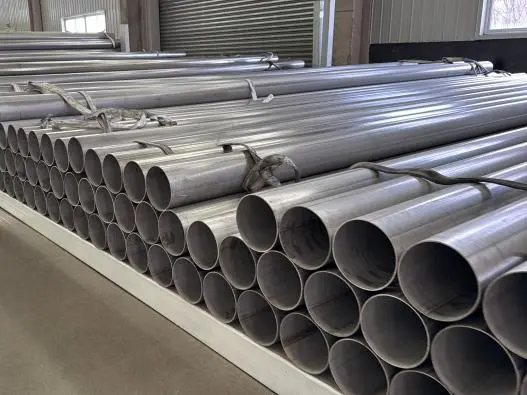
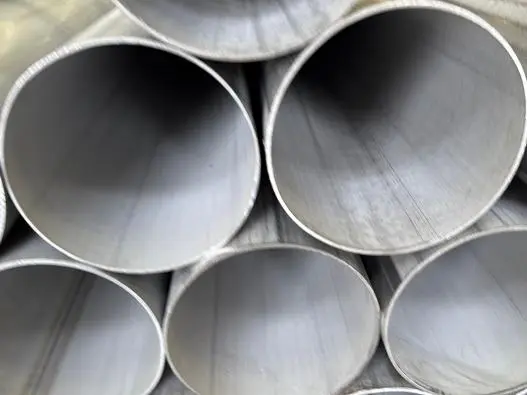
Understanding ASTM A789 Duplex Stainless Steel Tubes
The Dual-Phase Metallurgical Advantage
The microstructure of ASTM A789 Duplex Stainless Steel Tubes is balanced, with about half of them being austenite and the other half being ferrite. This special mix gives the material dynamic qualities that can't be found in single-phase materials. Nickel is usually between 4.5 and 6.5%, chromium is usually between 22 and 25%, and molybdenum is usually around 3%. Adding nitrogen makes the metal more resistant to cracking. This chemical balance gives a Pitting Resistance Equivalent Number (PREN) higher than 34, which means it protects better against localized rust in chloride settings.
The manufacturing process has a big effect on how well the final tube works. Electric Fusion Welding (EFW) methods make horizontal lines that are strong enough to resist cyclic pressure loads. After being welded, tubes are heated in a solution at 1020 to 1100°C for a short time and then quickly cooled in water. This heat treatment gets rid of harmful intermetallic phases and improves the balance between austenite and ferrite. This makes sure that the tube wall has the same mechanical properties all the way thru.
Key Grades and Their Distinct Characteristics
The most common type of ASTM A789 Duplex Stainless Steel Tubes for general acidic work is Grade 2205 (UNS S32205/S31803). It has a minimum yield strength of 450 MPa and a maximum tensile strength of 655 MPa, which is a lot better than 316L austenitic performance. The material stays structurally sound at temperatures up to 300°C and doesn't crack when exposed to sour gas conditions that contain H2S.
With more chromium (25%), molybdenum (4%), and nitrogen, Super Duplex 2507 (UNS S32750) makes it even more resistant to corrosion. This grade has PREN values above 40, which means it can be used in the harshest chemical environments in the marine and industrial sectors. The higher alloy content makes the steel stable in situations where normal duplex grades are getting close to their limits, especially when they are exposed to acidic high temperatures.
Manufacturing Quality and Testing Protocols
Strict quality control starts with getting raw materials from certified steel mills that can be tracked. Each production batch goes thru a full chemical analysis using optical emission spectrometry to make sure that the elements are contained within the acceptable ranges. As part of mechanical testing, sample coupons cut from finished tubes are used to measure tension, yield, and stretch.
Non-destructive testing is an important part of making sure that the tube is intact. Ultrasonic testing (UT) finds cracks in the tube wall below the surface, and radiography testing (RT) checks the quality of the weld in EFW tubes. Eddy current analysis finds flaws on the surface and changes in the width of the walls. Before tubes leave the factory, they are put thru hydrostatic pressure testing to make sure they can keep the pressure. Each shipment comes with a full material test report (MTR) that lists all of the inspection results. This helps procurement teams make sure that the products meet the requirements.
Why ASTM A789 Tubes Are Ideal for Pressure Equipment?
Superior Strength-to-Weight Ratio in Pressure Applications
Due to its higher yield strength, ASTM A789 Duplex Stainless Steel Tubes allow walls to be thinner than those made of austenitic steel while still holding the same pressure ratings. This lesser weight means lower prices for materials, easier handling during installation, and less need for structure support. In offshore platform building, where weight has a direct effect on installation costs, this benefit is very important from a financial point of view.
The resistance to thermal fatigue in ASTM A789 Duplex Stainless Steel Tubes makes them useful for pressure vessels and heat exchangers. The thermal conductivity of the material is between austenitic and ferritic grades, which means it transfers heat well while also controlling thermal expansion stresses. When the system starts up and stops, the dimensions of the duplex tubes stay the same. This lowers the risk of leaks at the joints between the tubes and sheets.
Critical Performance in Corrosive High-Pressure Environments
Chemical processing companies that use urea, phosphoric acid, and mixed acid systems create harsh conditions for corrosion that are hard for regular stainless steels to handle. The chromium-rich inactive film and nitrogen-strengthened core of ASTM A789 Duplex Stainless Steel Tubes make them resistant to these conditions. The austenitic phase makes the metal tough and easy to work with, while the ferritic phase stops chloride stress corrosion cracking.
When oil and gas are produced offshore, the pipe systems have to deal with high chloride seawater, pressure hydrocarbon flows, and H2S sour gas all at the same time. When these stresses are added together, standard 316L stainless steel breaks quickly thru pitting and cracking. In these tough working conditions, Duplex 2205 and Super Duplex 2507 tubes keep their integrity, which means that repair intervals are longer and unplanned shutdowns are less likely to happen. Desalination systems that use high-temperature seawater are another demanding application where ASTM A789 Duplex Stainless Steel Tubes work better than other options because they can handle both changing temperatures and being exposed to salt continuously without breaking down.
Compliance and Safety Standards
ASTM A789/A789M sets the rules for how tubes are made, how they should be tested, and what the limits for dimensions are. This makes sure that all suppliers follow the same rules. Pressure Equipment Directive (PED) requirements must be met before equipment can be used in European pressure systems. TÜV approval gives buyers more faith in the stability of a product by confirming the quality systems used in manufacturing by a third party.
How to Select the Right ASTM A789 Duplex Stainless Steel Tubes for Your Needs?
Matching Grade to Operating Conditions
The first step in application analysis is to find out the highest temperature, pressure, and the type of corrosive media that will be used. ASTM A789 Duplex Stainless Steel Tubes Grade 2205 works well in moderate chloride environments up to 250°C and has great resistance to corrosion in general. Because its PREN value is higher, Super Duplex 2507 offers better protection when pitting potential rises because of higher chloride amounts, higher temperatures, or acidic pH levels.
To find the right wall thickness, you need to do calculations based on the ASME B31.3 process piping code or the ASME BPVC Section VIII for pressure vessels. At the same design pressures, duplex grades can have thinner walls than austenitic materials because they can handle higher stress levels. For this calculation, you need to think about the allowable corrosion, the manufacturing tolerance, and the expected design life.
Welded Versus Seamless Construction Considerations
Electric Fusion Welded tubes are most common for bigger diameter uses from 114.3 mm to 2500 mm. They are cheaper and still hold their shape. When you weld, you make a longitudinal seam that has the same mechanical properties as the base metal after the right amount of heat treatment. When consistent sizes are important, EFW tubes are best for straight-run pipes, pressure vessel shells, and heat exchanger bundles.
The wall thickness of welded tubes varies on how much plate stock is available. This gives users of heavy-wall pressure systems more options. After welding, the solution annealing and quenching process makes sure that the microstructure of the weld zone matches that of the parent material. This gets rid of any weak spots that could let pressure build up.
Procurement Strategy and Lead Time Management
A successful buying process strikes a balance between technology needs and business concerns. Setting minimum order quantities depends on the size of the project. Many suppliers can handle orders for a single tube for prototyping or small repairs, while projects with a lot of tubes benefit from economies of scale. Lead times depend on the grade, size, and amount, but for normal requirements, they are usually between seven and twelve weeks.
To get good deals, you need to know how the market works and build relationships with suppliers, and for ASTM A789 Duplex Stainless Steel Tubes, when supplies are low, long-term agreements with annual volume commitments can often get you better prices and first dibs on items that are in short supply, and letters of credit, progress payments, and retention are all balanced in payment structures that keep cash flow in line with project goals and protect both sides' interests. When supplies are low, long-term agreements with annual volume commitments can often get you better prices and first dibs on items that are in short supply. Letters of credit, progress payments, and retention are all balanced in payment structures that keep cash flow in line with project goals and protect both sides' interests.
Comparing ASTM A789 with Other Duplex Stainless Steel Tubes
Distinguishing ASTM Specifications
ASTM A789 Duplex Stainless Steel Tubes and ASTM A790 cover both seamless and welded duplex tubes for general corrosive service. They have a lot in common in terms of the chemical make-up and mechanical property requirements. In real life, the main difference is between the wall thickness levels and dimensional limits. A789 is usually used for thinner-wall uses. To get as many suppliers as possible to meet technical requirements, procurement specifications should include references to both standards.
Performance Against High-Alloy Alternatives
Austenitic stainless steel tubes for boiler, superheater, and heat exchanger use are governed by ASTM A213. Tho a lot of engineers are familiar with A213 types like TP316L, they are not as strong or resistant to chlorides as ASTM A789 Duplex Stainless Steel Tubes. When comparing tubes side by side, duplex tubes work better in situations with both high pressure and acidic environments. However, austenitic types may be more cost-effective in mild service conditions.
Grade 904L super-austenitic stainless steel has a high nickel and molybdenum content that makes it very resistant to rust. Its performance is similar to nickel alloys but costs less. However, 904L's yield strength is still much lower than that of duplex grades, which means that thicker walls are needed for the same pressure ratings. This extra thickness often cancels out the lower cost of 904L's materials and makes heat transfer less efficient in heat exchangers.
Nickel-based alloys, like Alloy 625 and C-276, are much more resistant to corrosion than ASTM A789 Duplex Stainless Steel Tubes, but they cost a lot more to make. Duplex tubes offer better corrosion protection and strength at a modest price premium, falling between austenitic stainless steels and nickel alloys in terms of performance. Because of this, duplex materials are the most cost-effective choice for many chloride-containing and slightly acidic jobs where austenitic grades don't work well.
Trusted Suppliers and Purchasing Guide for ASTM A789 Tubes
Identifying Qualified Manufacturers
Suppliers with a good reputation keep full quality management systems that are certified to ISO 9001 standards. This shows that they are committed to using consistent manufacturing methods. European pressure equipment rules must be followed in order to get a PED certification, and ISO 17025 certified labs can do tests that can be trusted. In addition to marketing claims, these certifications provide objective proof of ASTM A789 Duplex Stainless Steel Tubes supplier skills.
How much a company can make affects how reliable their deliveries are and how competitive their prices are. When a factory has more than one production line and makes more than 50,000 tons of goods a year, it can get better deals on raw materials and be more flexible with its schedule. Being close to major ports cuts down on handling costs and transport times. This is especially important for large-diameter tubes where shipping costs are a big part of the project costs.
Supplier Evaluation and Risk Mitigation
As part of due research, you should check the credentials of the supplier with outside sources instead of just depending on the paperwork they give you. Industry groups, references from past customers, and third-party surveys are all great ways to find out how reliable a provider is and how consistent the quality of their products is. Before placing an order, asking for sample documentation packages from the supplier is a good way to make sure they can provide the needed material test reports, welding procedure specifications (WPS), and procedure qualification records (PQR).
By doing quality checks at supplier sites before giving an award, you can get a better idea of their manufacturing skills, quality control systems, and technical know-how. By watching how things are made, looking at records of how the testing equipment was calibrated, and talking to quality staff, you can learn about practical facts that paper certifications might not fully capture. This investment in qualifying suppliers pays off because there are fewer rejections and transportation problems while the project is being carried out.
Managing International Procurement Challenges
When you buy something across borders, it can be hard to figure out how to pay, coordinate details, and follow the rules. Setting clear commercial terms about Incoterms who is responsible for shipping, who is covered by insurance, and when the delivery is due stops misunderstandings during execution. Freight forwarders with a lot of experience moving tubular items handle transportation operations, clearing customs, and transfer from the port to the site.
Having long-term relationships with suppliers has benefits that go beyond individual transactions. When the market is tight, preferred customer status gives you priority for allocation, technical help with choosing materials, and the ability to adapt to changes in schedule or specifications. Communication and fairness on a regular basis build trust that helps both parties on many tasks.
Conclusion
ASTM A789 Duplex Stainless Steel Tubes are a specially designed material that can be used in places where pressure equipment needs to work in acidic conditions. They are strong and won't rust like other stainless steels do. The right grade choice based on working conditions, along with relationships with qualified suppliers, guaranties long-lasting reliability in tough situations. The material has a history of success in the chemical processing, ocean energy production, and irrigation industries. This proves that it is technically better in situations where a component failing could have serious safety and economic effects. Strategic methods to buying that balance technology needs with business needs help project teams get the most out of the whole lifecycle while keeping operations running smoothly.
FAQ
What makes duplex stainless steel tubes superior for pressure equipment compared to austenitic grades?
Why are ASTM A789 Duplex Stainless Steel Tubes better for pressure equipment than austenitic grades? Duplex tubes have about twice the yield strength of austenitic 316L, which means they can have thinner walls while still holding the same amount of pressure. This strength benefit makes the material lighter and cheaper while making it more resistant to stress corrosion cracks caused by chloride. A two-phase microstructure combines ferritic resistance to chloride environments with austenitic toughness, giving the alloy balanced properties that can't be found in a single-phase alloy. This combo works especially well in situations where high pressure and corrosive contact happen at the same time.
How can I be sure that the tubes I buy from new suppliers are good quality?
Ask for full documentation packages that include material test reports that are certified to EN 10204 Type 3.1 or 3.2 and need to be checked by a third party. Check the results from the ultrasound and x-ray tests to make sure there are no flaws in the tube wall. Check the heat treatment records to see the solution heating temperatures and cooling methods that were used. Before you place a big order, you might want to have third-party inspection firms look at the supplier's testing and quality processes.
Partner with YOUFA for Premium Duplex Stainless Steel Solutions
Youfa Stainless Steel Pipe Co., Ltd. is a reputable company that can provide you with ASTM A789 Duplex Stainless Steel Tubes. We have ISO 9001, PED, and TÜV certifications that prove how well we make our products. Every year, our 15 high-tech production lines bring in 50,000 tons of electric fusion-welded tubes in Duplex 2205 and Super Duplex 2507 grades, ranging in size from 114.3 mm to 2500 mm. We provide full traceability documents, such as MTC/MTR, WPS/PQR, and UT/RT records that meet your project's compliance needs. Our expert team helps you choose the right grade, figure out the pressure number, and do application engineering to make sure the material works best in your situation. Email our experienced sourcing experts at info@youfass.com to talk about the pressure tools you need and get reasonable quotes. We can send to major ports around the world. You can look at all of our stainless steel pipe solutions at youfass.com and learn how our dedication to quality and customer service can help your project succeed.
Online Message