
Aug 20, 2026
ASTM A789 S31803 Pipes Provide Durable Solutions for Corrosive Systems
When corrosive environments threaten your operations, selecting the right piping material becomes mission-critical. ASTM A789 UNS S31803 EFW pipe represents a proven solution that combines exceptional corrosion resistance with structural integrity. This duplex stainless steel pipe features a balanced microstructure that delivers approximately double the strength of standard austenitic grades while maintaining superior resistance to chloride-induced stress corrosion cracking. Industries ranging from offshore oil platforms to chemical processing facilities rely on this grade to safeguard their infrastructure against aggressive media, ensuring operational continuity and minimizing lifecycle costs.
|
|
|
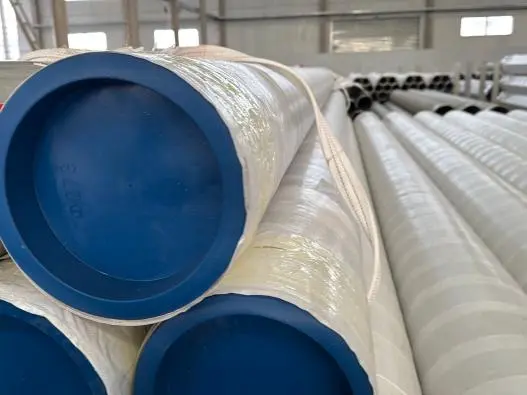
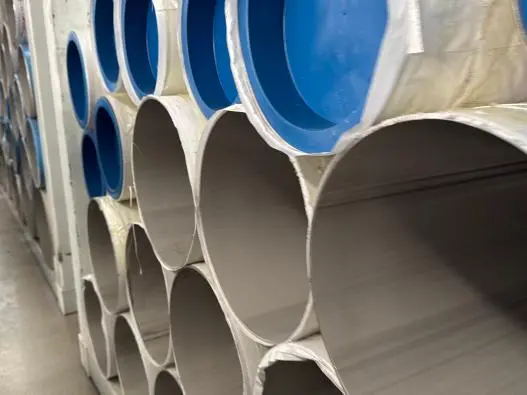
Understanding ASTM A789 UNS S31803 EFW Pipes: Specifications and Properties
The ASTM A789 standard tells manufacturers how to make duplex stainless steel tubing that will be used in general corrosive service situations. UNS S31803 is the name of a certain duplex grade that has a dual-phase microstructure with about equal amounts of austenite and ferrite. This balance in the metals makes a material with special chemical and mechanical properties that work better in tough conditions than single-phase stainless steels.
Chemical Composition and Mechanical Strength
There is 21-23% chromium, 4.5-6.5% nickel, and 2.5-3.5% molybdenum in the UNS S31803 grade. This careful alloy balance gives it a Pitting protection Equivalent Number (PREN) higher than 35, which means it has great rust protection in specific areas. The minimum yield strength of the duplex structure is 450 MPa, which is a lot more than the 170 MPa yield strength of 316L austenitic steel. Because of this, you can choose smaller wall sections, which lowers the cost of materials and the weight of installation without lowering the pressure values.
Electric Fusion Welding Manufacturing Process
Electric Fusion Welding technology makes it possible to make pipes with large diameters that would be too expensive to make using seamless extrusion. High-energy electric sparks are used in the EFW process to join heavy-gauge plates together along their longitudinal lines. YOUFASS uses automatic welding systems that keep exact control over the heat input. This keeps phase imbalances from happening, which could weaken corrosion protection. After being welded, each pipe goes thru solution annealing at temperatures between 1020°C and 1100°C and then rapid water cooling. This heat process gets rid of harmful intermetallic phases and restores the right mix of austenite and ferrite.
Dimensional Range and Heat Treatment Standards
Outside diameters that we can make range from 114.3 mm to 2500 mm, and wall thicknesses depend on the availability of plates. To keep the microstructure, solution annealing and rapid quenching are done on each pipe. This heat treatment stops the formation of the sigma phase, a brittle compound that forms when something cools slowly and makes it much less tough. Dimensional checking, surface inspection, and ultrasound testing are all quality control measures that are used to find any internal flaws before the product is shipped.
Corrosion Resistance and Performance Advantages of ASTM A789 S31803 Pipes
Failures due to corrosion cost businesses billions of dollars every year, and ASTM A789 UNS S31803 EFW pipe directly addresses this problem through superior metallurgical design. The chromium creates a passive oxide layer that self-repairs when damaged, while molybdenum enhances resistance to chloride attack. The ferritic phase inherently resists chloride stress corrosion cracking, a failure mode frequently observed in chemical and marine environments where austenitic grades are employed.
Chloride Resistance in Harsh Environments
Test results show that UNS S31803 can handle temperatures up to 250°C and chloride concentrations above 10,000 ppm without pitting or crevice corrosion. Because of these qualities, the grade can be used in systems that pump seawater, handle brine, and make chlor-alkali. The material keeps its shape in places where 316L would break in months, which increases the service life from 5 to 7 years to 20 years or more in well-designed systems.
Comparison with Alternative Stainless Grades
Compared to 316L austenitic steel, duplex S31803 has about twice as much corrosion resistance while having half as much nickel. This saves money while making the steel work better. The updated S32205 standard has stricter controls on the composition of the material. S31803 has similar field performance and lower purchase costs. The grade is the best compromise for projects that need reliable corrosion protection but don't want to pay a lot for super duplex alloys like 2507.
Lifecycle Cost Analysis
When choosing materials, you should think about how much they will cost you in the long run, not just the original buy price. Even tho duplex pipes may cost 15-20% more than normal austenitic grades, the extra money is well spent because they need less upkeep, last longer between replacements, and have less unplanned downtime. A chemical processing plant that moved from 316L to S31803 pipes saw a 60% drop in repair issues over the course of five years. The extra cost of the materials was covered within 18 months of not having to shut down.
How to Choose the Right ASTM A789 UNS S31803 Pipe for Your Project?
To choose the right material, you need to make sure that the pipe specifications match your operational parameters. Extreme temperatures, pressure needs, and the make-up of the media all affect the best choice. Knowing about these factors helps you choose materials that will work well for the whole time they are supposed to.
Evaluating Technical Requirements
Use well-known design rules, like ASME B31.3 for process piping, to figure out your highest working pressure. Because duplex steel has a higher yield strength than austenitic steels, its walls can be smaller. This could cut weight by 30–40% in situations where pressure is limited. Temperature is also important. S31803 works well between -50°C and 300°C, but if it is exposed to temperatures above 250°C, it needs to be carefully checked for thermal expansion and possible phase changes that might happen over time.
Comparing ASTM A789 with Related Standards
ASTM A789 only talks about tubing, while ASTM A790 talks about pipe meant for pressure uses that needs to meet tighter size requirements. Only austenitic types are covered by ASTM A312. When choosing products, make sure that the standard you choose meets the needs of your application. Pressure vessels usually need to meet A790 standards, while heat exchanger tubes usually need to meet A789 standards.
Supplier Qualification Criteria
Buying from approved makers keeps your project safe from getting materials that aren't up to par. To find good suppliers, look for ones that have ISO 9001 quality management certification, PED compliance for European markets, and independent laboratory accreditation like ISO 17025. Ask for proof that they can do third-party inspections and examples of Material Test Reports that include chemical analysis, mechanical testing results, and records of nondestructive examinations. YOUFASS keeps its TÜV certification and runs a recognized lab in-house to make sure that every pipe meets the standards before it is shipped.
Ordering and Procurement Best Practices for ASTM A789 UNS S31803 EFW Pipes
Supply chain disruptions are kept to a minimum and project costs are kept in check with good procurement planning. You can make sure that material supplies don't clash with building plans if you know about manufacturing wait times, order numbers, and transportation needs.
Production Scheduling and Minimum Orders
Standard production runs usually take between 4 and 6 weeks from the time an order is placed until it arrives at the port, and for ASTM A789 UNS S31803 EFW pipe, custom requirements like non-standard lengths or extra testing may add two to three weeks to the lead time. YOUFASS does not impose a high minimum order quantity as some suppliers do; you can start with just one pipe for testing purposes. This versatility proves valuable when sample materials are needed for fitting tests or approval procedures during project development stages. When ordering more than 20 tons, volume discounts often apply, potentially reducing the cost per ton by 8–12%.
Cost Factors and Price Transparency
The price of duplex pipes depends on a number of factors, such as the diameter, the wall thickness, and the licensing standards. Due to the higher manufacturing complexity, larger diameters usually cost more per kilogram. Third-party inspection services raise base prices by 3–5%, but they provide an outside check of quality that meets insurance and government standards. To make sure you get true cost comparisons when you compare quotes, make sure that all of them include the same tests and documentation packages.
Documentation and Quality Records
Full paperwork makes it possible to track goods all the way thru the supply chain. You should get Material Test Certificates that meet the requirements of EN 10204 Type 3.1 or 3.2. These certificates will show the chemical analysis and mechanical test results for each heat of material. Welding Procedure Specifications and Procedure Qualification Records show that the ways of making things are up to code. Reports from ultrasound and x-ray tests show the stability of the weld. YOUFASS sends full documentation packages with every shipment to help you meet quality standards and legal requirements.
Applications and Case Studies Illustrating ASTM A789 UNS S31803 Pipe Performance
Performance data from real-world situations shows how duplex pipes solve problems in many different businesses. These examples show how flexible the material is and how cost-effective it is in tough working circumstances.
Offshore Oil Platform Seawater Systems
After corrosion failures happening about every 18 months, a platform in the Gulf of Mexico switched from carbon steel firewater pipes to UNS S31803 duplex pipes. The upgraded system has been up and running for eight years without any maintenance. This means that there are no longer any emergencies that need emergency repairs, which used to cost $200,000 each. The installation showed that even tho the cost of duplex material was 250% higher than the cost of carbon steel, it saved $1.2 million over the life of the project.
Chemical Processing Plant Acid Transfer Lines
A company that makes specialty chemicals that work with hydrochloric acid at amounts of up to 15% chose S31803 pipes because 316L stainless steel pipes started to pit within three years. Tests in the lab showed that the duplex grade would be resistant to attack at 85°C working temperatures. Since it was set up, the facility has been running smoothly for five years. Plant engineers say that the choice of materials got rid of the need for inspections every three months, which saved 320 hours of work each year on maintenance.
Desalination Facility High-Pressure Piping
A company that uses reverse osmosis to remove salt from water asked for ASTM A789 duplex pipe to be used with high-pressure brine at 70 bar working pressure. Because S31803 is stronger than austenitic options, wall thickness could be lowered, which cut the system's weight by 1,800 kg. This weight savings cut down on the need for structural support and made installation easier. After three years of processing seawater with 35,000 ppm chlorides nonstop, an ultrasonic inspection showed that there was no wall loss that could be measured.
Conclusion
ASTM A789 UNS S31803 EFW pipe has demonstrated reliable performance in corrosive environments where material dependability directly affects safety and operational consistency. The duplex microstructure offers higher strength and superior corrosion resistance compared to conventional austenitic grades, enabling designers to achieve lighter-weight constructions with extended service lives. Selecting the right supplier, ensuring specification alignment with project requirements, and exercising diligence in procurement details are essential for obtaining materials that meet application demands. Numerous industries, from offshore energy to chemical processing, have realized significant lifecycle cost savings through the use of duplex stainless steel in demanding conditions.
FAQ
What distinguishes S31803 from S32205 duplex grades?
The composition of S32205 is better than S31803, with better control over the amounts of chromium, molybdenum, and nitrogen. These days, most products meet both requirements at the same time, tho S32205 has a slightly better rust protection. Most providers confirm their products to meet both requirements.
Can EFW pipes handle the same pressures as seamless options?
ASME code calculations show that when EFW pipe is made correctly and heated, the weld joint efficiency is 100%. This means that the pressure values match pipes that are smooth and the same size. A x-ray check confirms the quality of the weld and makes sure the structure is solid.
Does the material require special welding procedures?
To weld duplex pipe in the field, you need skilled welders and approved methods for controlling the amount of heat used and the temperature between the passes. To account for the formation of ferrite during cooling, filler metals should have a slightly higher nickel content than they need. Most common joint designs don't need a post-weld heat treatment.
Partner with YOUFASS for Reliable ASTM A789 UNS S31803 EFW Pipe Supply
YOUFASS Stainless Steel Pipe Co., Ltd. has 15 fixed production lines that can handle 50,000 tons of material every year. This makes sure that materials are always available for projects of any size. Our ISO 9001, PED, and TÜV licenses show that we are dedicated to making the best products possible, and our ISO 17025-accredited laboratory checks the quality of our products without us being involved. As a certified ASTM A789 UNS S31803 EFW pipe manufacturer, we deliver complete documentation packages including Material Test Reports, inspection records, and welding qualifications with every shipment. Whether you need a single sample pipe or a complete project supply, our professional team provides expert guidance from specification review through delivery. Contact us at info@youfass.com to discuss your duplex pipe requirements and receive a detailed quotation. Visit youfass.com to explore our complete product range and manufacturing capabilities.
Online Message