
Aug 11, 2026
ASTM A358 TP304 CL2 Stainless Steel Pipe with Reliable Welded Performance
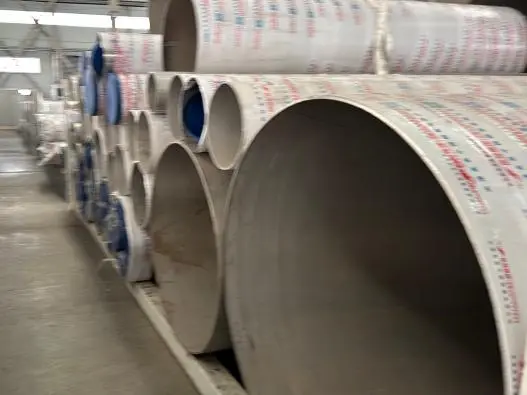
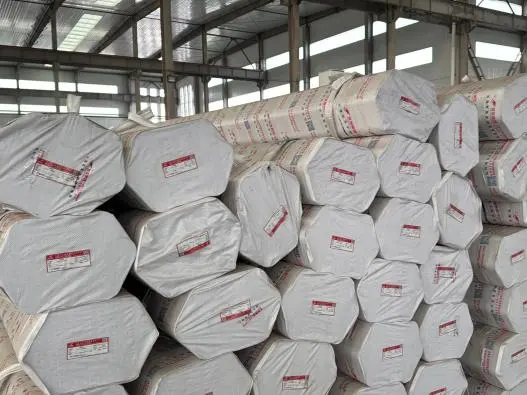
ASTM A358 Grade TP 304 CL2 Stainless Steel Pipe represents a specialized electric fusion welded (EFW) pipe solution engineered for high-pressure, corrosive industrial environments where weld integrity and material reliability are non-negotiable. The Class 2 designation indicates these pipes are double-welded without mandatory radiographic inspection, yet they deliver exceptional performance across chemical processing, fuel cell systems, and power generation installations. Manufactured from chromium-nickel austenitic alloy plate with controlled welding procedures and solution annealing, TP304 CL2 pipes provide the corrosion resistance and mechanical strength necessary for mission-critical fluid transport systems.
|
|
|
Understanding ASTM A358 TP304 CL2 Stainless Steel Pipe Specifications
When buying engineers choose pipe materials for tough industrial projects, they need to know how the ASTM A358 standards work on a technical level. This standard covers austenitic chromium-nickel alloy steel pipes that are electric fusion welded and are meant to be used in high-temperature and corrosive environments. It is different from ASTM A312, which covers seamless or automatic welded pipes with smaller sizes. The TP304 grade name refers to an austenitic stainless steel that has about 18–20% chromium and 8–10.5% nickel. It has a good mix of corrosion protection and fabrication flexibility.
Chemical Composition and Corrosion Resistance
Because of the way its chemicals are made, TP304 is very resistant to oxidation and corrosion. Nickel makes the metal more flexible and tough across a wide range of temperatures, while chromium creates an inactive oxide layer that fixes itself in oxidising conditions. Since the alloy's carbon content is usually kept below 0.08%, carbide precipitation during welding is kept to a minimum. This is a huge benefit when making large-diameter pipe systems for fuel cell stack components or hydrogen production equipment, where the integrity of the weld zone directly affects the electrochemical performance.
Mechanical Properties and Temperature Ranges
The minimum tensile strength of TP304 material is 515 MPa, and the minimum yield strength is 205 MPa. This means that the structure will stay strong under pressure service conditions. In intermittent service, these pipes work reliably from cryogenic temperatures up to about 870°C. However, if they are used continuously in the 425-860°C range, there are risks of sensitisation that need to be thought about. This wide range of temperatures makes it safe for companies that make power batteries and electrolysis systems to move heated process fluids without damaging the materials or changing the sizes.
Class 2 Manufacturing Requirements
As per ASTM A358 standards, Class 2 pipes go through double-welding processes with the addition of filler metal. They do not, however, need a 100% radiography examination, which makes them different from Class 1 specs. After being made, the longitudinal weld goes through a solution annealing heat treatment. This breaks down any chromium carbides and restores corrosion resistance across the heat-affected area. Our production method includes 100% ultrasonic testing (UT) and radiographic testing (RT), no matter what class the product is labelled as. This makes sure that there are no defects in the delivery for uses where a failed weld could affect safety at work or environmental compliance.
Corrosion Resistance and Welded Performance: Key Advantages
In industrial settings, pipe systems are subject to harsh chemical attacks, changes in temperature, and mechanical stress that make materials last less long. ASTM A358 Grade TP 304 CL2 Stainless Steel Pipes have been shown to be resistant to these operating demands thanks to the qualities of the base metal and the way they are welded. When you compare the performance of different austenitic grades, it helps you figure out which ones to use for different tasks.
Superior Performance in Chemical and Electrochemical Environments
TP304 is very resistant to nitric acid, phosphoric acid, and many other organic acids. This means it can be used in chemical processing plants and electrolytic cell systems. While TP304L is slightly stronger than standard TP304, the standard TP304 grade is strong enough to resist intergranular corrosion when heated properly. This balance is good for companies that make tools for making hydrogen because the material can handle the oxidising conditions in electrolysis systems as well as the structural loads that come from containing high-pressure hydrogen. TP316 or TP316L types have better performance because they contain molybdenum, but they cost more because they are used in places with more severe chloride exposure or high temperatures.
Weldability and Joint Integrity
The way TP304 material welds makes it possible to install and change systems reliably in the field without affecting their service life. Gas tungsten arc welding (GTAW), gas metal arc welding (GMAW), and shielded metal arc welding (SMAW) are all acceptable ways to weld that can be used to make EFW pipes. The right choice of filler metal—usually ER308 or ER308L—ensures that weld layers have the same or better corrosion protection as the base metal. After welding, annealing the solution at 1040–1120°C and quickly cooling it down stops it from becoming sensitive. This keeps the corrosion protection going across the joints that were welded. Car part makers who are putting fuel cell stacks into new energy vehicles depend on this ability to weld to make complicated pipe assemblies that meet quality standards in the car industry and meet the tight production plans that are typical of Tier 1 supplier operations.
Real-World Durability in Industrial Applications
Case studies from chemical processing plants show that ASTM A358 Grade TP 304 CL2 Stainless Steel Pipes have been installed and used for longer than 15 years without any weld-related failures or major corrosion penetration. A pharmaceutical manufacturing company recently replaced carbon steel pipes with ASTM A358 Grade TP 304 CL2 Stainless Steel material. This got rid of the risk of leakage and cut down on annual maintenance shutdowns by 60%. In the same way, a power plant that used hydrogen as an extra fuel said that after three years of operation, there were no leaks in any of the more than 200 welded parts in their hydrogen delivery system. These results show that the material can meet the dependability needs of B2B clients who are in charge of critical infrastructure and where unplanned downtime can have big financial and operational effects.
ASTM A358 TP304 CL2 vs Other Stainless Steel Pipes: Making the Right Choice
Before making a purchase choice, it's important to know how the different pipe specs fit in with the needs of the project, the budget, and the long-term costs of running the pipe. It's easier to make the right choice when you compare ASTM A358 Grade TP 304 CL2 Stainless Steel Pipe to other grades and standards.
TP304 vs TP304L: Carbon Content Trade-offs
The main difference is the amount of carbon in them: TP304 can have up to 0.08% carbon, but TP304L can only have up to 0.030% carbon. Less carbon in TP304L lowers the risk of sensitisation during welding, but it also makes the material a little weaker. TP304L has benefits for uses where a lot of welding needs to be done without the ability to heat treat the material afterward. However, TP304 has better mechanical properties and similar corrosion resistance when the right heat treatment protocols are followed. This makes it a better choice for pressure vessels and structural piping in the manufacturing of medical devices where strength-to-weight ratios affect how easily the equipment can be moved and installed.
TP304 CL2 vs TP316 and TP316L: Balancing Performance and Cost
TP316 types have 2 to 3 percent molybdenum added to them, which makes them much more resistant to pitting and crevice rust caused by chloride. This advantage is very important in marine environments, the pulp and paper industry, or situations where the material will be exposed to brackish water. However, adding molybdenum raises the cost of materials by about 30 to 40 percent compared to TP304. For places that make semiconductors and need to distribute ultra-pure water or IC packing processes that work with mild chemical solutions, ASTM A358 Grade TP 304 CL2 Stainless Steel Pipes work well enough without costing as much as TP316 pipes. When choosing pipe systems for temperature-controlled coolant loops or clean room HVAC setups, this difference in cost is important for electronics makers who want to spread their capital spending across multiple production lines.
ASTM A358 vs ASTM A312: Manufacturing Process Impact
Outside diameters of pipes made by seamless extrusion or automatic welding that fall under ASTM A312 are usually between 6 mm and 650 mm. ASTM A358 covers large-diameter needs from 114.3 mm to 2500 mm. It is made by using EFW methods to shape and join plate material. This difference in production has several effects on buying. Large-diameter pipes that meet the requirements of ASTM A358 can have walls that are 3 to 50 mm thick, which is needed for high-pressure service in oil and gas transmission or industrial steam distribution. The plate-forming process also lets the sizes of the pipes be changed to fit different installation shapes. This means that changes don't have to be made in the field, which would add more welded joints and possible failure points. The ASTM A358 manufacturing process allows for a lot of different sizes, which is helpful for aerospace component makers who need large-diameter thin-walled ducts for environmental control systems.
Procurement Guide: How to Source ASTM A358 TP304 CL2 Stainless Steel Pipes
Effective buying strategies check the quality of the materials, make sure they are delivered on time, and consider the total cost of ownership, which includes more than just the purchase price. It also includes installation costs, upkeep needs, and expected service life. The following things should be thought about for good buying.
Supplier Certification and Quality Assurance
Suppliers with a strong reputation for ASTM A358 Grade TP 304 CL2 Stainless Steel Pipe maintain ISO 9001 quality management certification, demonstrating organised control over their manufacturing processes and quality systems. Pressure Equipment Directive (PED) certification confirms that pressure-bearing components of ASTM A358 Grade TP 304 CL2 Stainless Steel Pipe meet strict European safety requirements, which are increasingly important for international engineering projects. Access to ISO 17025-accredited testing laboratories ensures that material certifications for ASTM A358 Grade TP 304 CL2 Stainless Steel Pipe accurately represent verified chemical compositions and mechanical properties through reliable testing methods and calibrated equipment. These certifications are regularly maintained at our manufacturing facility, with TÜV audits providing additional verification of compliance and quality consistency. When evaluating potential suppliers of ASTM A358 Grade TP 304 CL2 Stainless Steel Pipe, requesting updated certification documents and reviewing audit records can provide confidence that product quality remains stable across different production batches. By selecting a qualified manufacturer, buyers can ensure that ASTM A358 Grade TP 304 CL2 Stainless Steel Pipe delivers reliable performance, traceability, and long-term value for demanding applications.
Documentation and Traceability
Full material tracking starts with mill test certificates (MTC) that meet EN 10204 Type 3.1 or 3.2 standards. These certificates list the chemical make-up, the results of mechanical tests, and records of each output heat's heat treatment. Third-party inspection (TPI) services check the measurements, surface finish, and test results independently before shipping. This is especially helpful when working with a new source or on a high-value project where material non-conformance could cause delays in the project's start date. It is important for projects that need to follow ASME Section VIII or a similar code that the welding procedure specifications (WPS) and procedure qualification records (PQR) list the approved welding parameters that are used when making pipes. Ultrasonic and X-ray test records show that the weld is solid and find any internal breaks that might make it harder to keep the pressure on. All of these things are part of our standard documentation package, and digital copies are given to customers for their quality management systems and project archives.
Minimum Order Quantities and Lead Times
Some suppliers have big minimum order quantities that force customers to keep too much inventory on hand. We don't do that; we can take orders as low as one pipe because we know that prototype installations, maintenance replacements, and pilot projects often need small quantities without affecting the cost of delivery. For bigger projects, our 15 production lines and 50,000-ton annual capacity can handle large orders, and basic setups can get them to Tianjin Port in as little as seven days. Lead times are longer than usual because of custom requirements like non-standard lengths, wall thickness mixtures, or end treatments. They are about three weeks, but they are still competitive in the industrial pipe supply market. Our flexible production schedule lets us match delivery dates with the needs of our customers' projects, which cuts down on the need for on-site storage and the amount of capital that is stuck in materials that have already been delivered.
Pricing Factors and Total Cost Considerations
The prices of raw materials, mainly nickel and chromium alloy elements, account for around 60 to 70% of the final cost of ASTM A358 Grade TP 304 CL2 Stainless Steel Pipe. As a result, pricing can fluctuate according to global metal market conditions. When suppliers provide fixed-price quotations for 30 to 60 days, it gives buyers greater budget control during project planning and procurement approval processes. Transportation costs for ASTM A358 Grade TP 304 CL2 Stainless Steel Pipe vary depending on the destination port, shipping distance, and container utilisation efficiency. Combining multiple project shipments can help reduce transportation costs per unit. When evaluating the total cost of ownership, buyers should consider the long service life of ASTM A358 Grade TP 304 CL2 Stainless Steel Pipe compared with carbon steel alternatives, which may require replacement every 5 to 7 years in corrosive environments. Industries such as aerospace and medical device manufacturing that conduct lifecycle cost analysis often find that using ASTM A358 Grade TP 304 CL2 Stainless Steel Pipe reduces overall installed costs despite higher initial material expenses. This advantage becomes especially important in applications where maintenance access is limited, or system downtime can result in significant productivity losses. By selecting ASTM A358 Grade TP 304 CL2 Stainless Steel Pipe, companies can achieve better long-term reliability, lower maintenance requirements, and improved lifecycle value.
Conclusion
ASTM A358 Grade TP 304 CL2 Stainless Steel Pipe has the mechanical performance, corrosion resistance, and weld repeatability needed for tough industry uses in the chemical processing, automobile, new energy, and precision manufacturing sectors. The Class 2 specification offers low-cost options for large-diameter pressure pipes, as long as the correct welding and heat treatment steps are followed to ensure long-term integrity. By knowing the technical differences between TP304 and other grades, realising the benefits of ASTM A358 specifications for manufacturing, and using smart procurement strategies, B2B decision-makers can choose materials that save money on both short-term project costs and long-term operating costs.
FAQ
What distinguishes ASTM A358 TP304 CL2 from ASTM A312 TP304?
The ASTM A358 standard covers electric fusion-welded plate pipes that can have large diameters (114.3- 2500 mm) and thick walls that are good for high-pressure service. ASTM A312 talks about smaller-diameter seamless or automatically welded pipe. Class 2 of ASTM A358 says that the building must be double-welded, but radiographic inspection is not required. On the other hand, ASTM A312 has different plans with different quality standards.
Can TP304 CL2 pipes be used in chemical processing applications?
TP304 is very resistant to many organic acids, nitric acid, and alkaline solutions, which means it can be used in chemical processing systems. For better pitting protection, TP316 types may be needed in places with chlorides or reducing acids. It is important to check the specific chemical compatibility against the composition of the process fluid and the operating temperatures.
How does post-weld heat treatment affect pipe performance?
After welding, solution annealing at 1040–1120°C breaks down the chromium carbides that form in the heat-affected area. This restores the intergranular corrosion resistance to the same level as the base metal. This heat treatment is necessary to keep the corrosion protection even across welded joints in harsh service environments.
Partner with YOUFA for Certified ASTM A358 Grade TP 304 CL2 Stainless Steel Pipe Supply
YOUFA meets your needs for piping systems by combining approved manufacturing quality with quick customer service. As a Top 500 Chinese company with 15 production lines that can produce 50,000 tonnes of goods every year, we offer the quality guarantee, full paperwork, and reliable delivery that B2B procurement teams need. Our ISO 9001, PED, and ISO 17025 certifications, which are backed by TÜV tests, show that we always follow international quality standards. Our technical team can help you with specifications and applications, whether you need a single replacement pipe or a full project supply for new energy installations, chemical processing plants, or auto factories. Contact our sales team at info@youfass.com to talk about your ASTM A358 Grade TP 304 CL2 Stainless Steel Pipe needs. You'll get reasonable pricing from a reputable manufacturer, as well as access to the paperwork, testing confirmation, and shipping schedules that keep your projects on track.
Online Message