
Aug 5, 2026
ASTM A358 Grade TP304 CL2 Pipe Applications in Energy and Process Industries
ASTM A358 Grade TP 304 CL2 Stainless Steel Pipe represents a critical material solution for energy and process sectors demanding exceptional performance under corrosive and elevated temperature conditions. These electric fusion welded pipes combine stringent manufacturing controls with proven austenitic stainless steel chemistry, delivering reliability in power generation, petrochemical processing, and industrial fluid systems. Their Class 2 designation indicates double-welded construction without mandatory radiography, balancing cost-effectiveness with structural integrity for medium-pressure applications where procurement teams seek dependable materials without compromising safety or longevity.
|
|
|
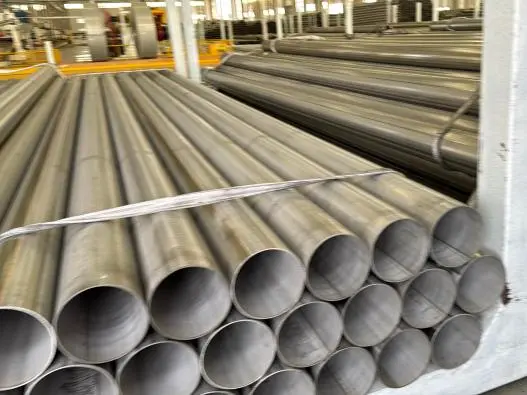
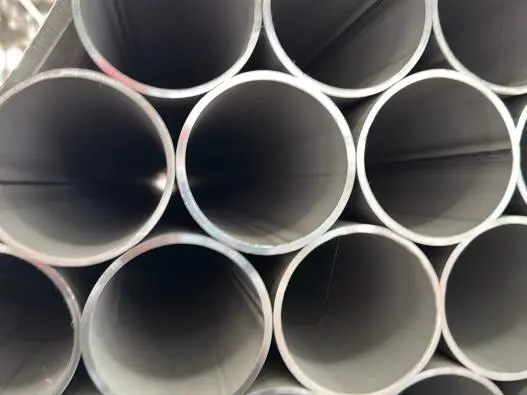
Overview of ASTM A358 Grade TP304 CL2 Stainless Steel Pipes
Understanding the technical basis of these lines helps people who buy things figure out what suppliers can do and whether a material is right for the job. The specification covers rolled-plate stainless steel pipes that are electric fusion welded and made to withstand tough service conditions.
Material Composition and Standards Compliance
The austenitic makeup of ASTM A358 Grade TP 304 CL2 Stainless Steel Pipe is balanced, with about 18% chromium and 8% nickel. This gives it strong resistance to rust and general corrosion. This chromium-nickel matrix creates a passive oxide layer that fixes itself when it gets damaged, which makes it last longer in moderately harsh environments. The carbon content stays below 0.08%, which keeps carbide from forming too much during welding and heat cycles. The material meets the standards of ASTM A358. This means that the mechanical qualities will be the same from one production batch to the next. Our manufacturing includes full material traceability with heat numbers and chemical analysis documentation. Buyers can use EN 10204 3.1 or 3.2 Material Test Certificates to make sure that the specifications are met.
Mechanical Properties and Performance Characteristics
The TP304 grade has a tensile strength of more than 515 MPa and a yield strength of more than 205 MPa. This means that it can support the structural integrity of pressure vessels and pipe networks. These mechanical properties stay the same at temperatures ranging from very cold to around 800°C, which makes the material useful for a wide range of heat processing tasks. Class 2 pipes are tested completely with ultrasound waves or eddy currents, but an x-ray is still not required. When compared to Class 1 options, this testing procedure finds internal discontinuities while also lowering the cost of inspection. The double-welded seam design makes the joint efficient enough for modest pressure ratings. This helps cost-conscious projects where smooth options are too expensive to be practical.
Dimensional Range and Manufacturing Process
We can make pipes with outside sizes ranging from 114.3 mm to 2500 mm and wall thicknesses ranging from 3 mm to 50 mm, so we can meet a wide range of commercial needs. Electric fusion welding makes it possible to make pipes with large diameters that can't be made in a seamless way, especially ones that are bigger than 600 mm. The process starts with a quality-approved stainless steel plate that is shaped into a cylinder using equipment that either presses or rolls. Before electric fusion welding with the right filler metal that matches the base material's chemistry, the longitudinal edges are carefully machined. As part of the heat treatment after welding, the metal is solution-annealed at controlled temperatures and then quickly cooled to break down carbides and recover its resistance to rust. You can finish the surface by pickling it and then annealing it or solution-annealing it. This makes the surface clean and free of oxides, ready for installation.
Applications of ASTM A358 Grade TP304 CL2 Pipes in Energy and Process Industries
In many industries, these pipes play important roles where the performance of the material has a direct effect on the safety and efficiency of operations. Their ability to fight corrosion and be strong at the structure level makes them useful in harsh work settings.
Power Generation and Thermal Energy Systems
ASTM A358 Grade TP 304 CL2 Stainless Steel Pipes are used in power plants for feedwater systems, condensate return lines, and low-pressure steam distribution networks. The material can handle the heat stress that comes from starting up and stopping activities many times without cracking from stress corrosion. The ability to prevent corrosion in vapour that contains dissolved gases is good for heat recovery steam producers. When temperatures and pressures are moderate, these pipes are used in boiler auxiliary systems like chemical injection lines and blowdown pipes. New energy facilities, especially those that use electrolysis to make hydrogen, need austenitic stainless steel because it can handle high-purity water and doesn't weaken when exposed to hydrogen. Our pipes help fuel cell makers who need clean, non-contaminating materials to handle process fluids.
Chemical and Petrochemical Processing
ASTM A358 Grade TP 304 CL2 Stainless Steel Pipes are used in all of the process units in chemical plants that work with organic molecules, weak acids, and alkaline solutions. This grade of material works well in solvent recovery circuits, product transfer lines, and reactor cooling water systems. The austenitic structure doesn't allow chloride stress corrosion in places with concentrations below the critical limits, making it good for cooling systems that use salty water. These pipes are used in petrochemical refineries to process hydrocarbon streams at moderate temperatures. They are used in diesel, naphtha and kerosene circuits where the sulphur content stays low. Long-term corrosion resistance helps storage tank pipes and loading terminal systems, which means less repair work and unexpected shutdowns. Manufacturers of electrolytic cells that remove copper and aluminium use stainless steel pipes for the flow of electrolyte because they are resistant to acidic process solutions.
Industrial and Specialty Applications
For clean service, food processing plants use austenitic stainless steel that meets hygiene standards for making drinks, processing dairy, and making medicines. The smooth, non-porous surface keeps bacteria from growing and lets you clean it thoroughly. ASTM A358 Grade TP 304 CL2 Stainless Steel Pipes are used in chlorination systems, chemical dosing lines, and the distribution of clarified water in water treatment plants. These pipes come into contact with potable water and need to be made of materials that are non-toxic and resistant to corrosion. Our pipes are used by companies that make medical devices and need safe materials for clean water distribution and equipment sterilisation systems. The car industry is using more and more stainless steel pipes in hydrogen fuel infrastructure and battery module cooling systems for new energy vehicles. The choice of material is based on how pure it is and how long it lasts.
Comparative Analysis: ASTM A358 Grade TP304 CL2 vs Other Stainless Steel Pipes
To choose the right pipe specifications, you need to know the differences between material grades and the effects of the manufacturing method. This comparison helps people make decisions about procurement that lead to the best technical and financial results.
Grade Comparison: TP304 vs TP316
TP316 grades have molybdenum added to them (2–3%), which makes them more resistant to pitting and crevice corrosion in chloride environments. Because of this, TP316 is better for use in coastal settings, muddy water, and chemical processes that use halogenated compounds. ASTM A358 Grade TP 304 CL2 Stainless Steel Pipe, on the other hand, performs well enough for freshwater systems, steam service, and many organic chemical uses while also being less expensive. The price difference is usually between 15% and 25%, which has a big effect on the total project budget for long-run, large-diameter pipes. When chloride levels stay below 50 ppm and temps stay mild, ASTM A358 Grade TP 304 CL2 Stainless Steel Pipe has the same service life as TP316, which makes it the more cost-effective choice. Our technical team helps buyers compare process conditions to the material's capabilities. This keeps buyers from over-specifying and failing too soon.
ASTM A358 vs ASTM A312 Specifications
ASTM A312 covers both seamless and welded stainless steel pipe with diameters of less than 600 mm that are made using a variety of methods, such as extrusion and automatic welding. A312 seamless pipes don't have any weld seams, so their properties are the same throughout the wall thickness. This makes them ideal for high-pressure applications that need to be precise. However, making seamless products with large diameters is harder to do technically and costs more. The ASTM A358 Grade TP 304 CL2 Stainless Steel Pipe electric fusion welding method makes it possible to make pipes with diameters over 1000 mm at a low cost, and the quality of the weld can be managed by UT/RT testing. The Class 2 label gives joints enough efficiency for medium-pressure ratings while lowering the cost of inspections compared to the Class 1 standards. When projects choose ASTM A358 Grade TP 304 CL2 Stainless Steel Pipe over seamless options for large-diameter pipe in moderate service situations, they save a lot of money without sacrificing safety.
Stainless Steel vs Carbon Steel Lifecycle Considerations
At first, carbon steel pipe costs 40–60% less than austenitic stainless grades, which makes it appealing to buying teams that are trying to stick to a budget. However, lifetime analysis shows a different view of economics. In corrosive environments, carbon steel needs protective coatings or cathodic protection, which makes installation more difficult and increases the cost of ongoing maintenance. Allowances for corrosion mean that walls have to be bigger, which raises the cost of materials and support structures. Because ASTM A358 Grade TP 304 CL2 Stainless Steel Pipe doesn't need to be coated or have thick walls, it saves time and money on installation and structure loads. Stainless steel pipes usually have a lower total cost of ownership over their 20-year service life in relatively corrosive environments. This is because they require less upkeep, are replaced less often, and have less unexpected downtime. Process industries are becoming more aware of these long-term benefits, which is pushing specification changes toward stainless steel even though it costs more at first.
Procurement Considerations for ASTM A358 Grade TP304 CL2 Pipes
For buying to go smoothly, technical needs must be balanced with business facts. This means that suppliers must be carefully evaluated and clear specifications must be communicated. Strategic sourcing practices get you good materials at prices that are competitive.
Supplier Qualification and Manufacturing Capability
Checking the manufacturing qualifications and quality certifications of possible providers is the first step in evaluating them. ISO 9001 approval shows that quality control is done in a planned way, and PED (Pressure Equipment Directive) compliance shows that the product is suitable for use in European pressure vessels. Our labs are ISO 17025-certified, which means that we can test materials in-house and get independent confirmation of their chemical and mechanical features. Our production capacity includes 15 specialised lines that can make 50,000 tonnes of goods every year, so we can always meet the needs of big projects. To figure out how technical a supplier is, buyers should ask for paperwork like Welding Procedure Specifications (WPS), Procedure Qualification Records (PQR), and Manufacturing Process Specifications (MPS). Acceptance of a third-party inspection confirms a willingness to support quality audits, which gives more confidence in the material's conformance.
Pricing Structure and Lead Time Planning
The prices of ASTM A358 Grade TP 304 CL2 Stainless Steel Pipes on the market depend on the cost of raw materials, how hard they are to make, and how many orders there are. Large-diameter pipes cost more because they need special tools to be formed and take longer to make. The cost is greatly affected by the thickness of the wall, since bigger pipes need more raw materials and more time to be heated. Volume discounts of 5 to 15% are common for bulk orders, but they depend on the total number of tonnes and the flexibility of the delivery schedule. Lead times range from seven days for standard sizes that are kept in stock to four to six weeks for custom specifications that need dedicated production runs. We have a minimum order number of one pipe, so we can handle both big jobs and small repairs without charging buyers who don't buy a lot. Getting suppliers involved early in the planning stages of a project helps procurement teams make accurate budget predictions and coordinate schedules.
Quality Documentation and Compliance Verification
Full material paperwork helps with regulatory compliance and guards against deviations from specifications, and for ASTM A358 Grade TP 304 CL2 Stainless Steel Pipe, EN 10204 3.1 Mill Test Certificates show chemical composition and mechanical test results that have been checked by the manufacturer, and they meet basic quality assurance needs, and independent third-party verification is part of Type 3.2 certificates, which is needed for important uses and places with strict oversight. EN 10204 3.1 Mill Test Certificates show chemical composition and mechanical test results that have been checked by the manufacturer. They meet basic quality assurance needs. Independent third-party verification is part of Type 3.2 certificates, which is needed for important uses and places with strict oversight. We offer full UT/RT inspection reports that show the integrity of the welds, pressure test certificates that show the structure is sound, and dimensional inspection records that show the product meets the requirements. When needed, projects that need to follow the ASME Section VIII pressure tank code get the right U-stamp approval and National Board registration. This set of documents makes it easy to hand over a job, meets insurance standards, and gets governmental approvals in multiple countries.
Best Practices for Specifying and Using ASTM A358 Grade TP304 CL2 Pipes
Choosing the right materials and installing them correctly will improve operating performance and service life. Both technical standards and field application issues are useful for engineering teams to know about.
Material Selection Based on Service Conditions
When you match the pipe grade to the real process conditions, you avoid both over-specifying the material and breaking it too soon. ASTM A358 Grade TP 304 CL2 Stainless Steel Pipe works well in systems with fresh water, steam below 550°C, and organic chemicals that don't have a lot of chlorides. Even though it costs more, TP316 should be considered in places with halogenated solvents, seawater contact, or high chloride amounts. The level of temperature cycle affects the choice of grade because stable grades with titanium for carbide control may be needed for frequent thermal stress. To come up with the best specifications, our application engineering team looks at process parameters like fluid chemistry, temperature ranges, pressure ratings, and cyclic loading patterns. This consultation finds possible failure modes before they are bought. This keeps expensive changes in the field and replacements that weren't planned from happening.
Installation and Welding Best Practices
To weld in the field, you need to follow certain steps that match the chemistry of the base metal with the right filling materials. The corrosion protection and mechanical qualities of ER308L filler metal are good for the TP304 base material, so there is no galvanic mismatch. Keeping the interpass temperature below 150°C lowers the amount of heat that comes in, which keeps the corrosion resistance in the heat-affected zone high and reduces distortion. When the fabrication heat input goes over the suggested limits, post-weld solution annealing brings back the optimal microstructure. However, this is not possible for site welding. Cleaning the joint well and beveling it to the right angles are important for getting rid of contaminants that can cause weld defects. After installation, hydrostatic testing checks the stability of the system before it is put into service. This is done in a controlled environment to find leaks and structural flaws. Our technical paperwork includes suggested conditions for welding and inspection, which helps with a successful installation in the field.
Maintenance Strategies for Extended Service Life
Regular repair makes pipe systems last longer and stops them from breaking down without warning. Visual inspections done on a regular basis find external corrosion, mechanical damage, and support structure degradation that needs to be fixed. Ultrasonic thickness measurements show how much the wall is wearing away in erosive or corrosive service, which lets you replace it before it leaks. Monitoring the chemistry of the water in closed-loop systems keeps conditions within the ranges of material compatibility, which stops localised rust processes from happening. Using thermal imaging while the machine is running can find problems like blocked flow, broken insulation, and strange heat patterns that mean there are issues inside. Setting up standard inspection data during launching lets you look at trends in a meaningful way as systems age. We suggest inspection times based on how bad the service is, usually between once a year for basic checks and three times a year for more in-depth checks in harsh environments. These upkeep procedures protect investments and keep things running safely.
Conclusion
ASTM A358 Grade TP 304 CL2 Stainless Steel Pipes have been used successfully in industrial, chemical processing, and energy creation settings where corrosion protection and structural integrity are important. Their electric fusion welded design makes it cheap to make things with big diameters, and the austenitic chemistry of stainless steel makes it stable in fairly corrosive environments. For successful procurement, you need to know the differences between grades, how to tell if something is manufactured well, and how much it will cost over its entire life, not just the initial purchase price. Working with qualified suppliers who offer thorough testing, full documentation, and quick expert help is the best way to make sure that a project is successful and that it will work reliably for a long time.
FAQ
Answering common questions helps buying teams and engineers quickly clear up any questions about specifications and choose materials with confidence. These answers show that you know a lot about the subject and have experience in the field.
What distinguishes Class 2 from Class 1 pipes?
For Class 1 pipes, all longitudinal welds must be x-rayed to make sure they are completely sound. This is done so that the weld's soundness can be proven along the whole length of the seam. Class 2 standards require building to be double-welded, but they also allow other checking methods, such as ultrasonic testing or visual study without full radiography. This lowers the cost of inspections while keeping the structure strong for mild pressure uses. The joint efficiency factors are a little different between classes, which changes the estimates for the allowed stress in pressure vessel design.
Can TP304 handle high-temperature steam service?
ASTM A358 Grade TP 304 CL2 Stainless Steel Pipe works successfully in steam service up to about 550°C, after which it starts to lose its creep power. For uses above this limit, the TP304H grade with its controlled carbon content (0.04-0.10%) makes it stronger at high temperatures. The cleanliness of the steam affects the choice of material because chlorides or caustic chemicals in dirty steam can speed up corrosion even at normal temperatures. Standard TP304 doesn't corrode much in condensate systems that work below 150°C.
What are typical lead times and minimum orders?
Standard diameter pipes that are kept in stock can be shipped to Tianjin Port within seven days, meeting the needs of urgent projects and routine maintenance. Lead times can go up to 4 to 6 weeks if you need non-standard diameters, wall thicknesses, or special testing requirements. This depends on when the production is scheduled. With a minimum order number of just one pipe, we can handle both big building projects and small repair orders. This gives you more buying options without any volume fees.
Partner with YOUFA for Reliable Stainless Steel Piping Solutions
Youfa Stainless Steel Pipe Co., Ltd. can help you with your energy and process industry projects by making high-quality ASTM A358 Grade TP 304 CL2 Stainless Steel Pipe to exacting standards. Our many certifications, such as ISO 9001, PED, TÜV, and ISO 17025 laboratory accreditation, show that we are dedicated to quality and technical excellence. As a top seller of stainless steel pipes to customers around the world, we offer full paperwork packages, quick turnaround times from our 15 production lines, and helpful expert support throughout the entire lifecycle of your project. Email our team at info@youfass.com right now to talk about your unique needs, get full quotes, or set up samples of materials to test.
Online Message