
Aug 13, 2026
ASTM A358 Grade 347 Pipes Support Demanding Chemical Industry Applications
When chemical processing plants face corrosive environments and temperatures soaring past 800°F, material failure isn't just costly—it's dangerous. ASTM A358 Grade 347 347H class 1 Steel Pipes address this critical challenge through columbium stabilization, which prevents intergranular corrosion after welding. These electric fusion welded pipes deliver exceptional performance in petrochemical refineries, power generation facilities, and chemical processing units where standard austenitic grades fall short. The Class 1 designation guarantees 100% radiographic inspection, ensuring complete weld integrity for safety-critical applications.
|
|
|
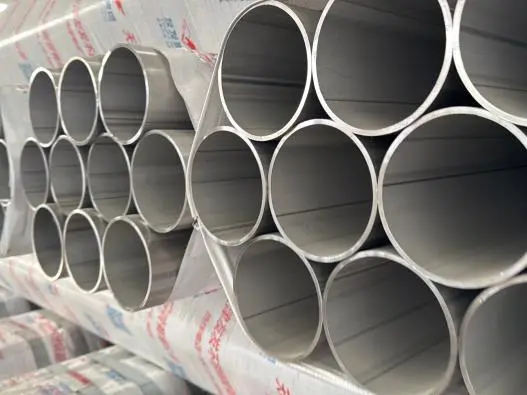
Understanding ASTM A358 Grade 347 and 347H Steel Pipes
Chemical engineers and procurement specialists are always looking for ways to pipe things that won't break in harsh conditions. Too many projects have been ruined by bad material choices, which is why it's very important to know the technical differences between Grade 347 and 347H.
Chemical Composition and Stabilization Mechanism
The columbium (niobium) content, which must be at least ten times the carbon rate, is what makes Grade 347 unique. Chromium carbide precipitation during welding is stopped by this planned alloying approach. This is what causes "weld decay" in stainless steels that aren't stable. This is even better in Grade 347H, which has a limited carbon range of 0.04–0.10% and is designed to have better creep strength at high temperatures. Most of the time, the stabilization gets rid of the need for a heat treatment after the weld. This saves a lot of time and money during manufacturing while keeping the corrosion protection along the weld lines.
Mechanical Properties Critical for Chemical Processing
Tensile strength is one of the most important ways to measure how well pipe systems work when they are under pressure. The tensile strength of ASTM A358 Grade 347 pipes is at least 515 MPa (75 ksi), and the yield strength is at least 205 MPa (30 ksi). When moving toxic chemicals under pressure, these values make sure that the structure stays strong. The Class 1 specification gives a joint efficiency factor of 1.00 because every longitudinal weld goes through a full X-ray inspection. This lets engineers use the full design stress when figuring out the pressure without having to use de-rating factors that lower the system's capacity.
Class 1 Standards and Dimensional Precision
Manufacturing limits have a direct effect on how reliable a system is and how quickly it can be installed. Class 1 pipes according to ASTM A358 have to meet strict size standards that make sure they fit correctly when they are put together in the field. The two-layer construction with filler metal and required X-ray inspection completely removes the chance of incomplete fusion or interior flaws. In chemical companies, where leaks can cause damage to the environment or put workers at risk, this level of quality control is necessary. This is why the higher starting cost of class 1 pipes is a smart long-term choice.
Comparing ASTM A358 Grade 347 and 347H Pipes With Other Stainless Steel Alternatives
Choosing the right materials affects not only the initial costs of buying them, but also the total costs over their whole life, such as repairs, downtime, and how often they need to be replaced. We often help our customers make these kinds of comparisons because picking the wrong grade can double the costs of running a building over its lifetime.
Grade 347 Versus Grade 304 in Corrosive Environments
Grade 304 austenitic stainless steel remains the most widely specified option due to its versatility and affordability, but for ASTM A358 Grade 347 347H class 1 Steel Pipes, the stabilized grade eliminates a critical weakness. When welded and exposed to 427°C–815°C, unstabilized 304 loses chromium at grain boundaries, creating pathways for intergranular corrosion. Grade 347 overcomes this vulnerability through columbium stabilization, enabling as-welded fabrication without sensitization concerns. The enhanced performance is particularly evident in nitric acid service and high-temperature aqueous environments, where 304 would require costly post-weld heat treatment or premature replacement.
Comparing 347 and 321 Stabilized Grades
Both Grade 347 and Grade 321 use supporting elements to keep carbides from forming, but their chemistry is very different. Titanium is used as a buffer in Grade 321, and columbium and tantalum are used in Grade 347. Columbium-stabilized 347 shows better resistance in strongly oxidizing media and water-based corrosion at high temperatures. Choosing between these grades depends on the chemistry of the process. Grade 347 is best for uses with polythionic acids or cyclic thermal conditions that are common in petrochemical and chemical processing.
Class 1 Versus Class 2 Pipe Selection Criteria
ASTM A358 divides soldered pipes into two groups based on how they are joined and how they must be inspected. Class 1 pipes have two welds and a full X-ray check, which gives the best level of assurance. Class 2 pipes have only one weld and can only be inspected visually. They are good for less important services. When it comes to chemical processing systems, engineering teams usually choose Class 1 for uses involving dangerous chemicals, high pressure, or situations where a failed weld could have terrible results. When it comes to safety-critical work, the difference in extra cost is small compared to the value of lowering risk.
Practical Applications of ASTM A358 Grade 347 and 347H Pipes in Chemical Industries
Theory doesn't mean much if it hasn't been tested in the real world. There is a history of these pipes working well in the most demanding chemical applications where failure is not an option.
Petrochemical Refining and High-Temperature Hydrogen Service
Hydrocracker units work in conditions that break down most materials. High-pressure hydrogen at temperatures above 500°C makes an environment that is easy for hydrogen to attack and weaken metals. Due to their high creep break strength and resistance to hydrogen-induced cracking, Grade 347H pipes keep their structural integrity in these harsh conditions. Fluid catalytic cracking systems also benefit from 347's ability to handle changes in temperature and sulfur compounds that speed up rust in grades that aren't stable. The columbium stability stops carbide precipitation even when temperatures change, which is a normal part of running a plant.
Chemical Processing in Corrosive Media
Fertilizer is made with hot nitric acid and other harsh chemicals that quickly damage pipes that aren't made well. Grade 347 lines are very resistant to nitric acid rusting over a wide range of temperatures and concentrations. In organic chemical synthesis, piping systems often need to be able to handle high temperatures and corrosive reactants. This is where 347's ability to be both thermally stable and resistant to corrosion comes in handy. By skipping the heat treatment steps, these pipes can be used as-welded, which speeds up project plans and lowers both fabrication costs and building times.
Power Generation and Steam Systems
In modern power generation, ultra-critical boilers raise steam temperatures above 600°C to maximize fuel efficiency, and ASTM A358 Grade 347 347H class 1 Steel Pipes are well-suited for this demanding service. The higher carbon content in Grade 347H provides enhanced creep resistance under prolonged high-temperature exposure. Superheater and reheater tubes fabricated from 347H maintain dimensional stability and pressure containment over extended operating periods. Resistance to polythionic acid stress corrosion cracking proves essential during shutdowns, when sulfur-containing deposits combine with moisture to create conditions that crack susceptible materials.
Procurement Guide: Sourcing ASTM A358 Grade 347 and 347H Steel Pipes
Comparing prices is only one part of successful procurement. You also need to be able to check the quality, make sure the supply chain is reliable, and offer technical support. We've learned that working with the right maker keeps mistakes and project delays from costing a lot of money and time.
Quality Certifications and Material Traceability
Each pipe should come with a full material test record that lists the chemicals used, the pipe's mechanical qualities, and the results of any inspections. Reputable makers keep track of each lot from the time they buy the raw materials to the time they test the finished product. This makes it easy to find and fix any quality problems quickly. When working on international projects, look for suppliers who are certified by ISO 9001 and, if possible, follow the rules for pressure equipment. There should be mill certificates confirming compliance with ASTM A358 in the paperwork package, as well as radiographic inspection records for class 1 pipes and dimensional inspection reports confirming limits.
Evaluating Supplier Manufacturing Capabilities
Production equipment has a direct effect on the quality of the product and how reliably it is delivered. Modern factories use automatic welding systems that make sure the quality of the welds stays the same from one production run to the next. A company that cares about quality control will have dedicated testing tools like tensile testers, hardness testers, and the ability to do radiographic inspections. We suggest that you judge wholesalers by how much they can produce each year, how long their lead times are usually, and how well they can handle special specs when standard sizes don't fit the needs of the project.
Cost Analysis and Value Engineering Considerations
The price per ton is only one part of the total cost of acquisition. Delivery dependability affects project plans; delays in critical path pipes can keep whole construction teams from working, which costs a lot more than the savings in materials. Minimum order quantities may force buyers to keep extra inventory on hand, which can tie up capital. When you work with well-known makers, you can often get expert help during the planning phase, which can help you get the best specs before you make a purchase commitment. When you buy in bulk, you can save money on each unit, but make sure that the storage facilities keep materials clean and free of damage that could weaken their rust resistance.
Conclusion
ASTM A358 Grade 347 347H class 1 Steel Pipes are engineered options for use in the chemical business where failure of the material would have bad results. The columbium stabilization mechanism stops intergranular corrosion in welded assemblies working at high temperatures. This gets rid of a way for normal austenitic grades to fail. The higher creep strength of Grade 347H makes it useful for power generation and petrochemical uses that need long-term stability above 1000°F. For safety-critical work, Class 1 building with full radiographic screening makes sure that the weld is solid. When it comes to specifying pipes for harsh chemical processing environments, these grades offer reliability that makes them better than cheaper options that don't perform as well.
FAQ
What distinguishes Grade 347 from Grade 347H in practical terms?
The main difference is the amount of carbon in them. 347H has between 0.04% and 0.10 % carbon, while 347 has up to 0.08% carbon at its highest point. The higher carbon range in 347H makes it stronger against creep and rupture, which is why it is the best choice for long-term use at temperatures above 1000°F. Standard Grade 347 is great for general rust resistance tasks that don't need very high creep strength. Columbium stability is used in both types to keep them from becoming sensitive during welding.
Can these pipes be used in as-welded condition without heat treatment?
Yes, the columbium stabilization prevents chromium carbide from forming at the edges of the grains. This stops the sensitization that needs to be treated with heat after welding in types that aren't stable. This trait lowers the cost of production and speeds up project schedules. However, heat treatment may still be needed because of certain process conditions or code requirements. Before making any fabrication choices, you should check the relevant standards and engineering specs.
How does Grade 347 compare to Grade 321 for chemical processing?
Both grades use stabilization to stop intergranular corrosion, but Grade 347 uses columbium and Grade 321 uses titanium. Columbium-stabilized 347 usually has better corrosion protection in high-temperature wet settings and media that oxidize strongly. In some aerospace applications, Grade 321 may be better, but Grade 347 is usually the better choice for chemical processing that takes place in nitric acid or polythionic acid environments.
Partner With YOUFA for Reliable ASTM A358 Grade 347 347H Class 1 Steel Pipes
Chemical processing needs pipe solutions that work consistently in harsh conditions. The choice of material has a direct effect on the safety of the plant and the costs of running it. YOUFA is an expert at making ASTM A358 Grade 347 347H class 1 Steel Pipes, and they have the production tools and strict quality control systems to back that up. Our factory has fifteen production lines that can each make 50,000 tons of goods every year. This makes sure that projects of any size can depend on a reliable supply. We keep a lot of testing tools and checking procedures on hand to make sure that every pipe meets the standards before it is shipped.
As a company that provides solutions for industrial fluid uses, we know the technical factors that affect the choice of materials in harsh chemical settings. Traceability of raw materials, process control, and final inspection are all important parts of our quality management system that help us make sure that the products we deliver meet the strictest project requirements. YOUFA offers technical support throughout the whole procurement process, whether you're looking for materials for a petrochemical expansion, a power generation upgrade, or a chemical processing facility.
Contact our team at info@youfass.com to talk about your specific application needs. Distributors, engineering firms, and project workers looking for a reliable provider for important piping systems are welcome to work with us. You can find out more about our production skills and service promises at youfass.com.
Online Message