
Aug 11, 2026
ASTM A358 GR TP304 CL1 Stainless Steel Pipe for High Performance Industrial Applications
When industrial projects demand uncompromising performance under extreme conditions, the choice of piping material becomes a mission-critical decision. ASTM A358 GR TP304 CL1 Stainless Steel Pipe represents a proven solution for engineers and procurement specialists who need large-diameter electric fusion-welded piping capable of withstanding high-pressure service, corrosive media, and elevated temperatures. This specification delivers the chemical stability of TP304 austenitic stainless steel combined with the structural integrity guaranteed by Class 1 manufacturing standards, which mandate 100% radiographic inspection of longitudinal welds. From petrochemical processing units to power generation infrastructure, this material has consistently demonstrated reliability, longevity, and compliance with rigorous international quality benchmarks.
|
|
|
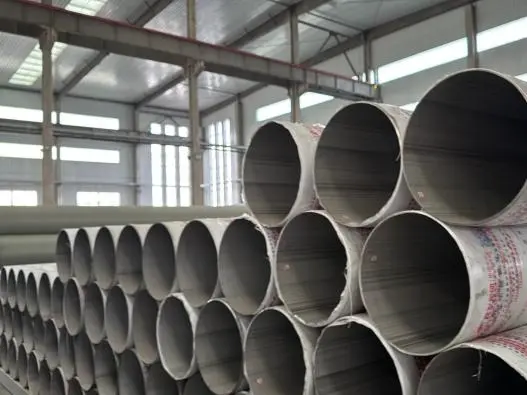
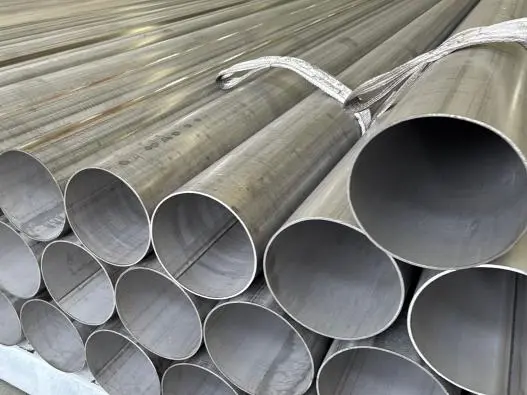
Understanding ASTM A358 GR TP304 CL1 Stainless Steel Pipe: Properties and Specifications
Understanding the technical factors that set performance limits is the first step in making a good material choice. If you are looking at electric fusion welded stainless steel pipes, you need to know how the standard system works.
Chemical Composition and Mechanical Performance
TP304 grade stainless steel has at least 18.0% chromium and 8.0% nickel. This forms an inactive oxide layer that is resistant to rust and chemical attack. The mechanical properties include a minimum tensile strength of 515 MPa and a yield strength of 205 MPa. These strengths make the structure strong even when the pressure changes and the temperature rises and falls. This austenitic structure stays stable over a wide temperature range. This keeps it from breaking easily in cold LNG uses and keeps it from creeping in power plant steam lines.
Heat Treatment and Corrosion Resistance
Solution annealing at temperatures above 1040°C followed by fast cooling fixes the microstructure after welding by getting rid of chromium carbides that might form at the edges of the grains. This heat treatment process gets rid of the risk of sensitisation in the heat-affected zone. This makes sure that the rust resistance is the same all the way through the pipe body and weld seam. The end result is a material that can handle acidic condensates, cold water with chloride in it, and chemical liquids without getting pitted or attacked between the grains.
Manufacturing Standards and Quality Verification
For ASTM A358 GR TP304 CL1 Stainless Steel Pipe designation, the strictest inspection procedures must be followed, and all longitudinal welds must be fully X-ray tested. This makes sure that there are no errors, which is good for important services where failure would have bad results. Tolerances for outside diameter, wall thickness uniformity, and ovality are all in line with international piping standards. This means that flanges, fittings, and valves from around the world can be directly integrated. Material traceability through mill test certificates and third-party inspection reports creates the necessary documentation chains for pharmaceutical, food processing, and nuclear auxiliary systems to follow the rules.
Comparing ASTM A358 GR TP304 CL1 with Other Stainless Steel Pipe Grades
When choosing a material, you often have to choose between specs that look like they are the same. Making these differences clear stops costly mistakes and project delays.
TP304 Versus TP316: Composition and Application Differences
TP304 works well in generally acidic conditions, but TP316 has an extra 2% to 3% molybdenum added to it to make it more resistant to salt pitting and crevice corrosion. The higher price of TP316 is usually worth it for marine uses, industrial plants near the coast, and process streams that are high in chloride. TP304 is still the most cost-effective choice for inland chemical plants, power generation condensate systems, and oil refinery air distillation units that don't have to deal with a lot of salt. If you know about fluid chemistry, you can match materials precisely without giving too many details.
TP304L and TP304H Carbon Content Variations
TP304L limits the amount of carbon to less than 0.030%. This keeps carbide from forming during welding and often gets rid of the need for a heat treatment after the join. This version works well for situations where solution annealing is not possible, like when there is a lot of field welding. TP304H, on the other hand, raises the carbon content to 0.04-0.10%, which increases the creep strength for long-term service at temperatures above 500°C. This better high-temperature mechanical stability is good for boiler superheater circuits, high-pressure steam pipes, and petrochemical reactor effluent lines.
Welded ASTM A358 Versus Seamless ASTM A312
Electric fusion welding makes it possible to make pipes with diameters from 114.3 mm to 2500 mm that would be too expensive to make as seamless goods. The EFW method adds filler metal to make weld joints that are as strong as or stronger than the base metal. Radiographic testing confirms that the welds go all the way through. As per ASTM A312, seamless pipes don't have any weld joints. However, they have limits on their face width and wall thickness because of the way they are made (piercing and extrusion). Because welded large-diameter pipes are cheaper and easier to find, ASTM A358 GR TP304 CL1 Stainless Steel Pipe is the best standard for headers, valves, and long-radius pipe runs in factories.
Procurement Guide: Sourcing ASTM A358 GR TP304 CL1 Stainless Steel Pipes Globally
Finding your way through international supply chains requires a set of organised evaluation criteria that balance the need for quality control, business terms, and the ability to handle logistics.
Supplier Certification and Quality Management Systems
Manufacturers with a good reputation keep their ISO 9001 quality management certification along with other certifications like the PED (Pressure Equipment Directive) for European markets and the ASME certification for boiler and pressure vessel codes in North America. An ISO 17025-approved testing laboratory can do mechanical testing, chemical analysis, and non-destructive examinations on its own, without having to use other labs. It means that the company has set up process controls, calibrated equipment, and trained workers who can make sure that the quality of the products is always the same.
Pricing Structures and Minimum Order Quantities
The price of ASTM A358 GR TP304 CL1 Stainless Steel Pipes depends on the cost of the raw materials, the difficulty of the production process, the need for inspections, and changes in market demand. Large-diameter thick-wall designs cost more because they take longer to make and use more materials. Many suppliers have minimum order quantities that are based on how efficiently they can make the product. However, some manufacturers, like YOUFASS, can handle single-pipe orders for small projects, prototyping, and maintenance spares. By understanding these business factors, procurement teams can better combine needs, negotiate high prices, and make smart plans for inventory across multiple project phases.
Lead Times and International Logistics
Standard production times are between two and eight weeks, but they depend on the width, wall thickness, and complexity of the design. Manufacturing cycles are longer when custom lengths, special end preparations, and upgrades to exotic alloys are used. Major export hubs like Tianjin Port are used by the fastest delivery routes. These ports have the infrastructure to handle containerisation, document processing, and customs clearance. Material release dates should be coordinated with project building plans by procurement professionals, taking into account the time it takes for ocean freight to travel, be handled at ports, and be transported to final job sites on land.
Technical Excellence: Welding, Fabrication, and Installation Best Practices
When materials are handled and installed correctly, they work better and last longer, even after decades of commercial use.
Welding Protocols for Maintaining Material Integrity
When joining ASTM A358 GR TP304 CL1 Stainless Steel Pipes, you need to choose the right filler metal. ER308 or ER308L electrodes that match the base metal's makeup are usually the best choice. Controlling the temperature below 150°C in the interpass stops too much heat from entering, which could lead to grain growth and lower rust resistance. Using argon or nitrogen to purge the back gas protects the weld root from oxidation and keeps the inside surface clean, free of sugaring or scale. Visual inspection, liquid penetrant testing of surface discontinuities, and radiographic or ultrasonic testing to make sure the quality of the internal weld meets Class 1 acceptance criteria are all parts of the post-weld inspection.
Fabrication and Assembly Considerations
For minimal thermal distortion, cutting should be done with mechanical saws or plasma systems that let you control the amount of heat that goes into the system. To make sure that the beveling for butt welds goes all the way through and fuses properly, the angle must be carefully controlled. Usually, it's 37.5 degrees with a small root face. Careful alignment is needed during field fitting to avoid angle mismatch and large gaps that make welding more difficult. Before the system is put into service, it is tested hydrostatically at 1.5 times the design pressure to make sure it is solid. This checks for any metal flaws or assembly mistakes before process fluids are added.
Maintenance and Inspection Routines
A regular visual check should find signs of corrosion on the outside, mechanical damage, or the weakening of the support structure. Ultrasonic thickness tests at set times check the rate of internal rusting, which lets maintenance plans be made ahead of time before wall thinning makes pressure control impossible. According to the maker, valve packing, flange seals, and expansion joint parts need to be replaced on a regular basis. When inspection results, maintenance activities, and repair methods are written down, they form a historical record that helps with legal compliance and reliability-centered maintenance programs.
Why Choose ASTM A358 GR TP304 CL1 Stainless Steel Pipe for Industrial Applications?
ASTM A358 GR TP304 CL1 Stainless Steel Pipe is a key part of industrial infrastructure because it brings together material qualities, manufacturing quality, and field performance that has been proven.
Proven Performance Across Critical Industries
In ethylene cracking furnace convection sections, petrochemical plants use TP304 Class 1 pipe because the material needs to be very stable when it comes to temperature cycling and process-side corrosion. This material is used in feedwater heaters, condensate cleaning systems, and extra cooling loops in power plants. Cryogenic LNG terminals depend on its toughness at low temperatures for systems that handle vapour and compress BOG. Choosing the right material for these tough jobs is proven by years of trouble-free service, with case studies showing resistance to thermal wear, stress corrosion cracking, and erosion-corrosion processes.
Versatility in New Energy and Emerging Technologies
For high-purity gas lines and caustic solution flows, electrolysis to make hydrogen needs pipes that don't rust. Plants that make fuel cells use TP304 for cooling devices and distributing raw gases. For chemical dosing networks and systems for ultrapure water, battery factories use pipes made of stainless steel. As factories switch to more environmentally friendly energy sources, using materials that have been used successfully in the past gives engineers confidence in their new process designs.
Long-Term Value and Total Cost of Ownership
When installation labour, maintenance requirements, and replacement frequency are considered, the initial material cost represents only a small portion of the total lifecycle cost of ASTM A358 GR TP304 CL1 Stainless Steel Pipe. Due to its excellent corrosion resistance and long mechanical service life, ASTM A358 GR TP304 CL1 Stainless Steel Pipe helps prevent premature failures, emergency repairs, and unexpected downtime that are often associated with carbon steel or lower-grade stainless steel alternatives. The reduced need for replacement and maintenance allows ASTM A358 GR TP304 CL1 Stainless Steel Pipe to lower the overall total cost of ownership while providing reliable performance over decades of service. Although the initial investment for ASTM A358 GR TP304 CL1 Stainless Steel Pipe may be higher than cheaper material options, its durability, stability, and long-term operational benefits make it a more economical choice for demanding industrial applications. Choosing ASTM A358 GR TP304 CL1 Stainless Steel Pipe allows companies to achieve better lifecycle value, improved reliability, and reduced maintenance expenses.
Conclusion
ASTM A358 GR TP304 CL1 Stainless Steel Pipe gives business projects the technical performance, quality guarantee, and cost-effectiveness they need. Using TP304 austenitic stainless steel, electric fusion welding for large-diameter production, and Class 1 radiographic inspection together makes it possible to make piping systems that can work reliably in harsh environments with high pressure, corrosion, and temperature. This specification has shown consistent success in a wide range of uses, from processing petrochemicals to making electricity and building up infrastructure for hydrogen energy. Professionals in procurement benefit from well-established global supply networks, detailed testing paperwork, and open payment terms that can be tailored to the needs of each project. Engineers have faith in materials because they have been used for a long time, have been fabricated many times, and have been maintained in ways that make them last longer and reduce practical risks.
FAQ
What distinguishes Class 1 from other ASTM A358 pipe classes?
ASTM A358 GR TP304 CL1 Stainless Steel Pipe requires all longitudinal welds to be X-rayed, which is the highest level of quality assurance that can be used in critical pressure service. Classes 2 through 5 allow spot radiography or other checking methods that are better for less difficult tasks where full weld verification is not needed. When projects involve dangerous fluids, high pressures, or bad outcomes if something fails, they usually ask for Class 1 to get rid of metal flaws that can't be seen.
How do I verify certification authenticity when sourcing internationally?
Ask for the original mill test certificates that have manufacturer stamps, heat numbers, and chemical and mechanical test results that can be linked to specific pipe lengths. Reports from third-party inspections by well-known bodies offer independent proof. Suppliers that you can trust will give you WPS/PQR paperwork that shows they follow proper welding methods and have welder certifications. Compare the data on the certificate with the markings on the pipe to make sure that the heat numbers are correct.
What factors influence lead times beyond standard production schedules?
Custom specs, like unique lengths, wall widths that aren't standard, or unusual surface finishes, take more time to process. When there are a lot of orders, production capacity may not be enough right away, so queue scheduling is needed. The global supply of stainless steel affects the availability of raw materials. Variables in international shipping include ship timetables, crowded ports, and the time it takes to clear customs, all of which affect the total arrival time.
Partner with YOUFASS for Your Stainless Steel Piping Needs
YOUFASS has certified ASTM A358 GR TP304 CL1 Stainless Steel Pipe ready to help you with your next industrial project. This pipe is made to exacting standards. Our ISO 9001, PED, and TÜV certifications, along with an ISO 17025-approved laboratory, make sure that every pipe meets your quality standards and the requirements of the specifications. We keep a deep inventory and the industrial flexibility to meet tight delivery plans, with 15 production lines delivering 50,000 tonnes a year. Our fastest delivery gets to Tianjin Port in just seven days. We are an experienced seller of stainless steel pipes, and our MOQ is only one pipe. This makes it easy for trial projects and repair spares to happen. Email our technical team at info@youfass.com to get personalised quotes, full MTC/MTR paperwork, and expert advice on choosing the right material for your purpose. Let us show you how YOUFASS can be your trusted partner for high-performance industrial piping solutions through quality, responsiveness, and low prices.
Online Message