
Aug 6, 2026
ASTM A358 GR TP304 CL1 Pipe Manufacturing and Inspection Requirements for Buyers
When sourcing pipes for demanding industrial applications, understanding the intricacies of ASTM A358 GR TP304 CL1 Stainless Steel Pipe becomes paramount. This electric fusion-welded product represents a precision-engineered solution designed specifically for high-pressure service in corrosive and elevated temperature environments. The designation CL1 indicates Class 1 inspection requirements, meaning every weld undergoes 100% radiographic or ultrasonic testing—a level of scrutiny that ensures structural integrity in critical installations across petrochemical plants, power generation facilities, and industrial processing systems. Buyers benefit from this rigorous verification protocol, receiving pipes with documented quality assurance that meets international standards.
|
|
|
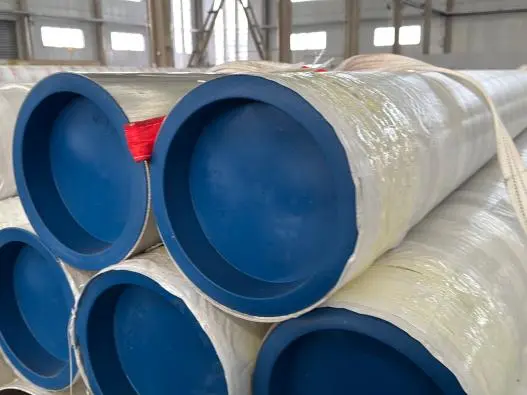
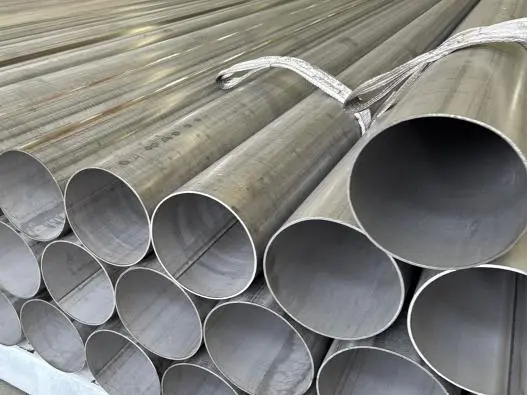
Understanding ASTM A358 GR TP304 CL1 Stainless Steel Pipes
The foundation of informed procurement starts with comprehending what sets this particular specification apart from alternatives in the marketplace.
Standard Scope and Classification
The rules for electric fusion welding austenitic chromium-nickel alloy steel pipe that is meant to be used at high temperatures are set by ASTM A358. This specification is for large diameter pipes made from flat-rolled plate material and welded longitudinally using the EFW process. It is different from standards for seamless pipes. Outside widths can be anywhere from 114.3 mm to 2500 mm, and wall thicknesses can be anywhere from 3 mm to 50 mm. This way of making things lets you make changes that aren't possible with seamless production. This makes it perfect for specialised industrial projects that need exact measurements.
Chemical Composition and Mechanical Properties
The TP304 grade has at least 18% chromium and 8% nickel, which makes the microstructure strong and immune to rust and different types of corrosion. The carbon level is usually between 0.04% and 0.08%, which makes it strong enough to weld and not too weak. At room temperature, this mix has a minimum tensile strength of 515 MPa and a minimum yield strength of 205 MPa. The austenitic structure keeps its excellent ductility even at very low temperatures. It also stays stable up to 870°C when used continuously. Solution annealing at temperatures above 1040°C followed by fast cooling is a way to treat pipes that are corroded. It makes sure that the whole pipe body works the same way under stress from use.
Dimensional Tolerances and Corrosion Characteristics
When pipe systems are integrated into complex industrial projects, dimensional accuracy is essential. ASTM A358 GR TP304 CL1 Stainless Steel Pipe follows strict requirements for straightness, wall thickness variation, and ovality, which directly influence system performance, installation efficiency, and long-term reliability. For standard sizes, the outside diameter tolerance of ASTM A358 GR TP304 CL1 Stainless Steel Pipe is generally maintained within ±1%, while wall thickness tolerance is controlled within ±12.5% or 0.4 mm, whichever value is greater. TP304 offers slightly higher strength compared with TP304L, while TP304L contains lower carbon content to improve weld zone corrosion resistance. As a result, ASTM A358 GR TP304 CL1 Stainless Steel Pipe is well suited for moderate-pressure applications where balanced strength, corrosion resistance, and cost efficiency are required. Compared with TP316, which contains molybdenum for improved resistance to chloride stress corrosion and pitting, ASTM A358 GR TP304 CL1 Stainless Steel Pipe performs effectively in non-marine environments with limited chloride exposure. With reliable dimensional control and proven material performance, ASTM A358 GR TP304 CL1 Stainless Steel Pipe remains a practical choice for a wide range of industrial piping applications.
Manufacturing Process and Quality Control of ASTM A358 GR TP304 CL1 Pipes
From raw materials to certified pipe, there are several steps that must be taken. Each one adds to the stability and service life of the end product.
Raw Material Selection and Forming
Quality starts with getting hot-rolled stainless steel plate from certified mills that can prove the metal's chemical make-up and mechanical properties. Before putting new materials into production, we carefully check them and make sure that the mill test certificates match ASTM standards. Precision machining is used to prepare the plate's edges, making bevels that are good for consistent weld penetration. The plate is then rolled into a cylinder shape by forming equipment, which keeps the measurements accurate the whole time. This method of cold-forming keeps the austenitic microstructure of the material while getting the thickness that is needed. This gets the pipe ready for welding.
Electric Fusion Welding and Heat Treatment
The EFW process adds filler metal along the longitudinal seam in a controlled way, which makes ASTM A358 pipes different from other welded products. Automated welding equipment keeps the parameters—amperage, voltage, travel speed, and the composition of the shielding gas—consistent. This makes sure that the weld bead is the same shape all the way through the wall. EFW uses filler metal that matches or exceeds the qualities of the base metal, making the weld joint as strong as the parent material. This is different from high-frequency induction welding, which is used for thinner-walled goods. After being welded, pipes are put into solution annealing furnaces. These heat the pipes to certain temperatures, hold them there for a certain amount of time based on the thickness of the wall, and then quickly cool them down. This heat treatment gets rid of the carbides that form during welding. This restores the chromium content in the matrix and stops intergranular rust in service settings.
Inspection and Testing Protocols
Class 1 title requires a full, non-destructive check of every weld line. These are our checking procedures:
Radiographic testing finds internal flaws like holes, slag inclusions, or partial fusion that could weaken the pressure stability. Technicians check film pictures against the acceptance standards set out in ASME Section VIII to make sure there are no major flaws. Ultrasonic testing is an alternative method that uses high-frequency sound waves to find flaws below the surface. During hydrostatic testing, each pipe is put under water pressure that is higher than what was specified in the design. This makes sure that the construction is leak-proof under controlled conditions. The tensile strength, yield strength, and elongation all meet the requirements after being tested mechanically on representative samples. Chemical analysis proves that the alloy's composition is within certain limits.
We keep labs that are ISO 17025-accredited and run by qualified technicians who do these tests according to written instructions. Each pipe is given a unique number that can be used to find inspection records, material licenses, and standards for the welding process. This tracking goes from the heat numbers of the raw materials to the final inspection. This gives full proof for quality checks and following the rules.
Comparison and Decision-Making Guide for Buyers
To find your way around the different specifications for stainless steel pipes, you need to know how the different standards and types fit with the needs of your application.
TP304 CL1 versus TP304L and TP316
Which of these grades to use depends on the conditions of use and your budget. The corrosion protection and mechanical strength of TP304 are just right, which makes it a good choice for general chemical processing, food manufacturing equipment, and building uses. The low carbon content (maximum 0.03%) of TP304L prevents carbide precipitation during welding. This improves the resistance to corrosion in the weld zone without the need for a post-weld heat treatment, which is helpful for assembled parts where solution annealing is not possible. TP316 has 2 to 3 percent molybdenum added to it, which makes it much more resistant to pitting and crevice corrosion in chloride-rich settings like sea air or brackish water systems. Even though TP316 is about 15–20% more expensive than TP304, this extra cost is worth it in situations where chloride-caused failure could lead to expensive downtime or safety issues.
Class 1 versus Class 2 Requirements
ASTM A358 sets out the inspection classes that determine how much nondestructive testing can be done. Class 1 requires all longitudinal welds to be X-rayed or ultrasonically tested. This gives the most confidence in the weld's integrity for critical service conditions. Class 2 needs spot checks at set times, which lowers the cost of inspections while still providing enough quality control for less demanding uses. Class 1 inspection provides the level of assurance that risk management protocols require when choosing pipes for high-consequence systems—those where failure could put people in danger, damage the environment, or cause big financial losses.
ASTM A358 versus ASTM A312
These guidelines work together to cover a wide range of manufacturing methods and sizes. ASTM A312 covers both seamless and welded pipe made by continuous welding methods. These pipes usually have thinner walls and smaller sizes (up to about 610 mm). A312 pipe works great in situations that need a lot of different joints and complicated pipe setups. ASTM A358 is all about large-diameter welding pipe made from plate, which lets you make walls that are thicker and unique sizes that aren't possible with seamless production. Which standard to use depends on the details of the system design. Things like pressure ratings, temperature conditions, diameter needs, and availability all play a role in choosing the best specification.
Procurement Considerations for ASTM A358 GR TP304 CL1 Pipes
A successful procurement process includes more than just technical specifications. It also includes evaluating suppliers, planning logistics, and checking the quality of the goods.
Supplier Qualification Criteria
To find trustworthy ASTM A358 GR TP304 CL1 Stainless Steel Pipe suppliers, you need to look at a number of key signs. Getting certified to ISO 9001 quality management standards shows that you are dedicated to controlling processes in a planned way and making improvements all the time. PED approval, which stands for "Pressure Equipment Directive," shows that parts that handle pressure meet European safety standards. TÜV approval is an independent third-party inspection of quality systems and manufacturing methods. In addition to certificates, you should look at the supplier's ability to produce, their technical skills, and their name in the market. Manufacturers that have been around for a while keep detailed instructions on how to weld that are approved by ASME Section IX. They also hire trained welders and use testing equipment that has been calibrated and has upkeep records.
We've become known as a reliable supplier by being open about how we do business and always delivering certified products. Our 15 production lines make 50,000 tonnes of steel every year, with the help of more than 200 workers who are certified inspectors, metallurgists, and quality engineers. With this infrastructure, we can keep a collection of standard sizes and shapes and also handle custom orders with reasonable wait times.
Pricing Factors and Minimum Order Quantities
The prices of nickel and chromium on the market affect material costs. These prices can change by 10-15% every three months, depending on how the global supply chain works. Large-diameter heavy-wall pipe costs more per metre because it takes more time and raw materials to make than smaller sizes. Quantity has a big effect on unit costs. Orders over 10 tonnes usually get volume savings, but setup fees may apply to smaller orders. Some providers have big minimums that make project funds tight, but we take orders as low as one pipe, so we can accommodate prototype installations and small-scale projects without charging extra. This gives engineering firms the freedom to test specs before committing to full production runs.
Documentation and Delivery Logistics
Every package comes with a lot of paperwork, which creates the paper trail needed for legal compliance and project records. Material test certificates (MTC) that meet the requirements of EN 10204 3.1 or 3.2 show that the chemical make-up and mechanical qualities of a product have been checked by either the maker or a third-party laboratory. Specifications for welding procedures and records of procedure qualification show that welding processes meet code requirements. Reports from non-destructive tests that include radiography film or data from an ultrasonic scan show that the check was done correctly. When buyers ask for them, third-party inspection certificates prove that an independent check was done.
Delivery times depend on how complicated the order is and how busy the factory is right now. Standard items that are kept in stock can be shipped within 7 days to Tianjin Port, which is connected to global freight networks for delivery around the world. Custom orders with unique measurements or extra testing usually take 4 to 6 weeks from the time the order is confirmed until it is shipped. Freight forwarders work with us to load containers, prepare paperwork, and help with customs clearance. This makes the logistics process easier for people who buy from other countries.
Common Applications and Industry Uses of ASTM A358 GR TP304 CL1 Pipes
Stainless steel pipes that have been welded together are very useful in many different industries where dependability is very important.
Chemical and Petrochemical Processing
Large-diameter stainless steel pipes are widely used in chemical plants to transport toxic fluids, slurries, and gases between different process units. Due to its austenitic structure, ASTM A358 GR TP304 CL1 Stainless Steel Pipe provides reliable resistance against many organic acids, alkaline solutions, and industrial chemicals under normal temperature and concentration conditions. In petrochemical refineries, ASTM A358 GR TP304 CL1 Stainless Steel Pipe is commonly applied in systems operating at temperatures up to 500°C and pressures above 4 MPa, including reformer circuits and heat recovery systems. The Class 1 inspection requirements for ASTM A358 GR TP304 CL1 Stainless Steel Pipe ensure high weld integrity through strict quality verification, helping maintain safe containment throughout extended service periods. By reducing the risk of weld failures and leakage, ASTM A358 GR TP304 CL1 Stainless Steel Pipe helps prevent unexpected process shutdowns, environmental risks, and safety issues. With its combination of corrosion resistance, mechanical reliability, and advanced inspection standards, ASTM A358 GR TP304 CL1 Stainless Steel Pipe is a dependable choice for demanding chemical and petrochemical applications.
Power Generation Facilities
Strong pipe systems are needed for both traditional and renewable energy installations. Stainless steel pipes are used in boiler feedwater systems, condensate return lines, and flue gas desulfurization equipment in both coal-fired and natural gas power plants. These pipes are resistant to rust, which makes parts last longer and require less upkeep. Combined heat and power plants connect these pipes to networks that distribute steam and heat recovery steam generators. For waste processing and extra cooling systems, nuclear power plants use stainless steel pipes. Engineers can improve system hydraulics while still meeting safety code requirements when they can make custom diameters and wall thicknesses.
Food and Beverage Manufacturing
In food preparation, sanitary standards require materials that don't let germs grow and can be cleaned many times with caustic solutions and steam sterilisation. TP304 stainless steel is approved by the FDA for surfaces that come into contact with food. This keeps the purity of the product during production rounds. These pipes are used by dairy processors to move milk, set up circuits for pasteurisation, and set up CIP (clean-in-place) systems. Breweries and wineries use stainless steel pipes to move wort, beer, and wine to places where contamination would hurt the quality of the products. The smooth pickled and annealed finish on the surface reduces the number of cracks where germs could hide, which supports strict cleanliness rules.
Industrial Gas and Cryogenic Systems
Temperatures at liquefied natural gas ports, air separation plants, and industrial gas production sites range from room temperature to -196°C. The austenitic structure of TP304 keeps it flexible at very low temperatures, so it doesn't break easily as ferritic steels can. Liquid nitrogen, oxygen, and argon are moved between holding tanks and vaporisation equipment by lines with large diameters. In regasification trains, where controlled warming changes liquid gas back to the vapour phase, sites that import LNG use stainless steel pipes. Because it doesn't change much in temperature over this range, TP304 is a cheaper option than rare metals like Invar or special types of aluminium.
Conclusion
When buying ASTM A358 GR TP304 CL1 Stainless Steel Pipe, you have to balance technical requirements with quality assurance, supplier dependability, and cost. The Class 1 inspection process gives you the most trust by checking every weld, making sure that every pipe meets strict standards for integrity for important uses. By knowing the differences between types like TP304, TP304L, and TP316, you can choose the right material for the right temperature and corrosive climate. Evaluating providers based on their certifications, production skills, and paperwork practices helps protect buying investments and ensures the success of projects. The fact that these welded stainless pipes can be used in a wide range of situations, including chemical processing, power generation, food manufacturing, and cryogenics, shows how useful they are in harsh industrial settings where performance and durability are important.
FAQ
What distinguishes TP304 CL1 from TP304L in welded pipe applications?
The main difference is the amount of carbon in the metals. TP304 has between 0.04 and 0.08% carbon, while TP304L only allows 0.03% carbon. This lowers the amount of chromium carbide that forms during welding, making the weld zone more resistant to corrosion without the need for solution annealing after the welding process. Because TP304 is a little stronger, it is better when mechanical properties are more important than sensitisation concerns or when solution annealing is an option.
How does the EFW process affect pipe performance compared to seamless manufacturing?
When done correctly and inspected according to Class 1 standards, electric fusion welding makes pipes with longitudinal weld seams that are as strong as or stronger than the base material. The process makes it possible to make walls that are heavier and have bigger widths than is possible with smooth production methods. Seamless pipes don't have to worry about weld seams, but they are limited in size and cost more for larger widths.
What certifications should buyers verify when selecting a supplier?
Important certifications include ISO 9001 for managing quality, PED compliance for pressure equipment sold in Europe, and ISO 17025 accreditation for testing labs. The TÜV approval adds to the independent proof. Check the supplier's ASME Section IX weld process qualifications and make sure they have quality control systems that are written down and can track materials.
Partner with YOUFA for Certified Stainless Steel Piping Solutions
YOUFA stands ready to support your next project with premium ASTM A358 GR TP304 CL1 Stainless Steel Pipe for sale, backed by comprehensive quality documentation and technical expertise. Our ISO 9001, PED, and TÜV certifications demonstrate our commitment to manufacturing excellence, while our ISO 17025-accredited laboratory makes sure that every pipe meets the standards. Professionals in buying who are looking for a dependable maker that can meet their needs for unique sizes, fast delivery, and low prices for both large orders and single pipes are welcome to contact us. Email our engineering team at info@youfass.com to talk about the specifics of your application, get technical data sheets, or get quotes that are made to fit the needs of your project.
Online Message