
Aug 10, 2026
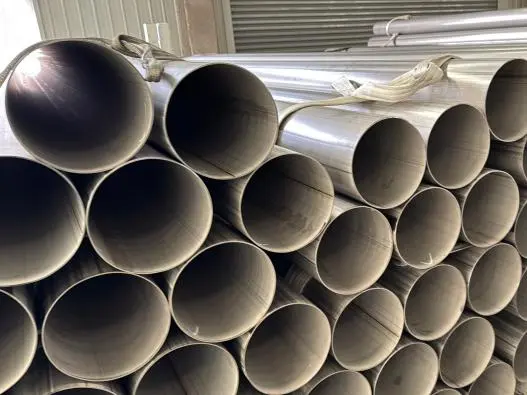
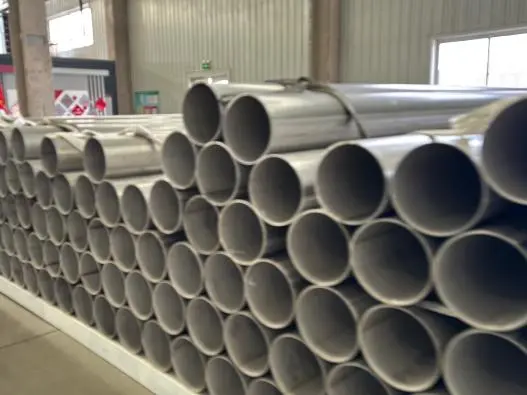
ASTM A358 GR 316 316L CL1 Welded Steel Pipes for Chemical Processing Industries
When engineers and procurement professionals in chemical processing seek piping solutions that balance reliability with cost-efficiency, ASTM A358 GR 316 316L CL1 WLD Steel Pipes emerge as the preferred specification. These electric fusion welded pipes combine the corrosion-resistant properties of molybdenum-bearing stainless steel with the structural integrity guaranteed by Class 1 radiographic testing. The dual-certification of 316/316L grades addresses a critical industry challenge: preventing sensitization during field welding while maintaining exceptional resistance to aggressive chemicals, acids, and chlorides commonly encountered in refinery environments and electrochemical processing facilities.
|
|
|
Understanding ASTM A358 GR 316 and 316L CL1 Welded Steel Pipes
Materials that can stand up to daily contact with toxic substances are needed in places where chemicals are processed. The main difference between Grade 316 and 316L is the amount of carbon in the steel, which has an effect on the weld zone's strength during heat cycles.
Chemical Composition and Mechanical Properties
The highest amount of carbon in grade 316 is 0.08%, and the lowest amount of carbon in grade 316L is less than 0.03%. This difference, which doesn't seem important at first, becomes important when welding heavy-wall pipes for high-pressure uses. The lower carbon content in 316L keeps chromium carbide from forming at the edges of the grains when it's heated, which stops intergranular corrosion in areas that are heated. Both grades have 16–18% chromium and 10–14% nickel. An important addition of 2–3% molybdenum makes them more resistant to pitting and crevice corrosion in chloride environments.
The mechanical ability of both versions stays the same. Tensile strength is usually higher than 515 MPa, and yield strength is between 205 and 240 MPa, based on how the metal was heated. Values of elongation above 35% guarantee enough flexibility for placement in the field without the risk of brittle fracture. These features make them perfect for pressure tanks and transfer lines that carry sulphuric acid, caustic solutions, and organic solvents at temperatures of up to 400°C.
Corrosion Resistance and Heat Treatment Processes
These austenitic stainless steels are better at stopping localised corrosion than standard 304 grades because they contain more molybdenum. This element creates a steady inactive film that stops stress corrosion cracking caused by chloride in systems that desalinate seawater and handle brine. Solution annealing at 1040–1120°C followed by rapid water quenching makes sure that all carbides are gone and improves the metal's resistance to corrosion. This heat treatment process makes the metal flexible again after welding and gets rid of any residual stresses that could weaken the structure over time.
Pickled and passivated treatments get rid of welding scale and make the natural metal layer stronger. This surface preparation is helpful for chemical processing plants that use hydrochloric acid or phosphoric acid. It extends the life of the equipment by decades if it is kept up with regular inspections.
Standard Dimensions and Thickness Tolerances
With electric fusion welding, big pipes with an outer diameter of 114.3 mm to 2500 mm can be made. This fills the gap where seamless manufacturing is either technically impossible or too expensive. The wall thickness can be anywhere from 3 mm to 50 mm, so it can work with both low-pressure systems and high-pressure reactor feed lines. For field fit-up and circular welding processes, accuracy in measurements is still very important. To make sure that stress is spread evenly and joints don't leak while they're being used, ASTM A358 GR 316 316L CL1 WLD Steel Pipes set strict limits on out-of-roundness and wall thickness variation.
Welding Guidelines and Quality Assurance for ASTM A358 CL1 Pipes
The highest level of production scrutiny is Class 1, which means that every lengthwise weld is x-rayed and found to be flawless, and for ASTM A358 GR 316 316L CL1 WLD Steel Pipes, this non-destructive testing method guarantees that the joint efficiency is the same as base metal, and this means that these pipes can be used in ASME Section VIII pressure vessels. This non-destructive testing method guarantees that the joint efficiency is the same as base metal. This means that these pipes can be used in ASME Section VIII pressure vessels.
Recommended Welding Procedures and Parameters
Gas tungsten arc welding (GTAW) is still the best way to do root passes because it lets you precisely control the heat and causes the pipes with walls thinner than 6 mm to bend very little. On thicker pieces, fill and cap passes are finished with shielded metal arc welding (SMAW) or gas metal arc welding (GMAW). The chemical of the base material must match the filler metal. ER316L electrodes are usually used to keep the carbon content low throughout the whole weld zone.
Controlling the temperature between 150°C and 200°C on the interpass stops too much heat from being added while keeping the fusion at the right level. The amount of preheating needed depends on the thickness of the wall and the temperature of the environment, but austenitic stainless steels usually don't need much preheating unless they are in places below zero. 316L grade doesn't usually need a post-weld heat treatment. This keeps the corrosion resistance that makes this material useful for chemical service as-welded.
Inspection Techniques and Weld Defect Detection
Besides x-rays, ultrasonic testing gives extra security for thick-walled pipes where radiography can't reach the depths needed for volumetric inspection. Liquid penetrant testing finds flaws that break the surface, like tiny cracks or gaps in the fusion at the weld toes. Before pipes are put into service, these multi-layered inspection protocols find porosity, slag inclusions, lack of fusion, and undercut. This keeps high-pressure systems from breaking down in terrible ways.
Hydrostatic testing at 1.5 times the design pressure makes sure there are no leaks and that the weld strength meets the standards. This destructive testing step on sample sections and mechanical testing of weld coupons make sure that the welding method specs are correct before customer orders are welded.
Maintenance Protocols and Corrosion Prevention
Early signs of rust can be found by visually inspecting every 6 to 12 months, especially at flanged links and weld joints where crevices can form. Ultrasonic thickness monitoring should be used on critical runs in chemical processing plants where wall loss over time is a risk from erosion and corrosion from high-velocity fluids. Cathodic protection systems may help choose materials for underground installations where the chemistry of the soil poses a risk of corrosion from the outside.
During shutdowns, making sure the system drains properly keeps fluids from pooling, which speeds up localised rusting. The passive film is protected by keeping the chemistry of the process fluid within the design parameters. If the pH ranges or chloride concentrations are exceeded, pitting can start and spread through the wall thickness if the problem is not fixed.
Comparative Analysis: ASTM A358 GR 316 vs. 316L and Other Stainless Steel Pipes
To make good purchasing decisions, you need to know not only the properties of the materials but also the manufacturing standards and supply chain issues that affect project schedules and costs.
Material Performance and Cost Implications
Grade 316L costs a little more than 316 because the chemicals used to make it have to be controlled more closely, but for ASTM A358 GR 316 316L CL1 WLD Steel Pipes, this extra cost is well worth it because it makes welding easier in the field, and welding without a post-weld heat treatment speeds up building and lowers the cost of labour for large-scale projects, and when old pipes need to be connected to new ones, 316L takes away any worries about sensitive areas that might rust more quickly in use. This extra cost is well worth it because it makes welding easier in the field. Welding without a post-weld heat treatment speeds up building and lowers the cost of labour for large-scale projects. When old pipes need to be connected to new ones, 316L takes away any worries about sensitive areas that might rust more quickly in use.
Austenitic stainless steel is a great choice for mild corrosion conditions because it is cheaper and performs better than high-nickel alloys like Alloy 625 or Alloy 825. Nickel metals work great in very harsh situations, but they cost 3–5 times more to make than 316L stainless steel. To choose the most cost-effective material that meets the minimum service life requirements without going overboard, project engineers have to look at the chemistry of the fluid, its temperature, and its pressure.
ASTM A358 vs. ASTM A312 Manufacturing Standards
For general caustic service, ASTM A312 sets the rules for seamless and welded pipe. However, ASTM A358 GR 316 316L CL1 WLD Steel Pipes talk about electric fusion welded pipe for high-temperature pressure uses. The main difference is that Class 1 requires double-welded joints to be inspected by x-rays 100% of the time. This gives the same level of trustworthiness as seamless pipe at a much lower cost for big diameters. Because it's not possible to make seamless pipes with a diameter of more than 600 mm, ASTM A358 GR 316 316L CL1 WLD Steel Pipes are the best option for industrial headers, reactor inlet lines, and large-bore transfer pipes that are popular in petrochemical plants.
For ASTM A358 GR 316 316L CL1 WLD Steel Pipes certification, you need welding procedure specs (WPS), procedure qualification records (PQR), and material test results that meet EN 10204 3.1 or 3.2 standards. This makes sure that the requirements of the Pressure Equipment Directive (PED) are met for installations in Europe and the ASME B31.3 process piping codes are met for markets in North America.
Procurement Considerations and Supplier Selection
When looking for ASTM A358 GR 316 316L CL1 WLD Steel Pipes, you need to look at more than just price quotes from suppliers. Skills in manufacturing, quality control systems, and shipping all play a role in how well a project turns out.
Supplier Qualifications and Certification Requirements
ISO 9001 certification shows that quality procedures have been written down, and PED certification shows that the company meets the safety standards for European pressure equipment. When on-site testing labs are ISO 17025 certified, they can check the mechanical properties and chemical composition on their own, without having to rely on outside testing services that cause delays in shipments. TÜV approval adds a third party's control of the production process, which is especially useful for important uses in nuclear power plants or other places where regulations are very strict.
It's easier for projects to get approved when manufacturers offer full documentation packages that include material test certificates, third-party inspection reports, and records of non-destructive testing. Having welding procedure specifications and procedure qualification records on hand makes it easier for contractors to get qualified when they are welding together factory-welded parts in the field. This cuts down on the time needed for engineering review during the building phases.
Delivery Times and Minimum Order Quantities
Different sizes and quantities have very different lead times. Standard sizes with outer diameters less than 500 mm can usually be shipped within 7–10 days from stock. However, it takes 4-6 weeks for heavy-wall large-bore pipes that are made to order, welded, heated, and tested. Manufacturers whose yearly capacity is more than 50,000 tonnes can meet pressing orders by being able to change their production schedules, which smaller producers can't do.
For smaller installations, minimum order quantities can change the cost of the project, and for ASTM A358 GR 316 316L CL1 WLD Steel Pipes, when suppliers take orders for a single item, you don't have to buy extra stock, but unit prices are usually higher than volume prices, and when international buyers buy from manufacturers who already have logistics partners, consolidated shipping options through major ports like Tianjin lower freight costs and make customs clearance easier. When suppliers take orders for a single item, you don't have to buy extra stock, but unit prices are usually higher than volume prices. When international buyers buy from manufacturers who already have logistics partners, consolidated shipping options through major ports like Tianjin lower freight costs and make customs clearance easier.
Evaluating Manufacturing Capability
Flexibility and dependability are directly linked to the number of items on a production line. When demand goes up without warning, factories with 15 or more production lines can switch between different sizes and grades of goods without affecting delivery times. This backup keeps things from getting stuck in production, which could slow down important building tasks. A workforce of more than 200 people shows a high level of professional knowledge in welding, quality control, and engineering support. This lowers the chance of misinterpreting specifications, which can cause deliveries that don't meet requirements.
Practical Applications and Benefits in Chemical Processing Industries
Figuring out where these products provide the most value helps make sure that purchasing decisions are in line with the needs of operations in a wide range of industries.
High-Pressure Corrosive Fluid Handling
For hydrotreating unit hydrogen lines, petrochemical companies use welded 316L pipe. This is because high-pressure hydrogen service at high temperatures makes it hard to choose the right material. Because it has a low carbon content, it doesn't become weak from hydrogen and stays flexible even when it's under constant pressure. Catalytic cracker regenerator systems use large-diameter welding pipe to move catalyst particles through corrosive gas streams. The erosion-corrosion resistance of molybdenum-bearing stainless steel makes parts last longer than carbon steel ones that need to be replaced more often.
Lower-quality materials suffer severe chloride stress corrosion cracking in desalination plants that deal with seawater brine at temperatures above 70°C. Welded Grade 316L pipe that has been tested with Class 1 x-rays works well in multi-stage flash evaporators and reverse osmosis concentrate waste lines, where any leak can cause expensive downtime and damage to the environment.
Benefits for New Energy and Electrochemical Applications
Proton exchange membrane electrolysers are used in hydrogen production facilities that need ultrapure water distribution systems that don't get contaminated by pipe corrosion. ASTM A358 GR 316 316L CL1 WLD Steel Pipes don't leak metallic ions like carbon steel does, which keeps expensive membrane stacks from getting poisoned. Manufacturers of fuel cell parts use these pipes in test stands and production systems that deal with corrosive fuel streams and oxidising gases.
For transferring electrolytes and moving slurries, battery factories that make lithium-ion cells for electric cars need special pipes. The 316L grade is resistant to organic solvents and lithium salt solutions, which quickly eat away at less resistant materials. The smooth pickled interior finish keeps particles from getting inside and affecting the performance of the battery.
Emerging Innovations in Quality Assurance
Using phased array probes and other advanced ultrasound testing methods, longitudinal welds can be inspected more quickly without losing their ability to spot defects. Digital radiography systems cut down on exposure times and provide electronic records right away for quality documentation. This speeds up production while still meeting Class 1 inspection standards. The cost of making things has gone down thanks to these technological advances, but the reliability that makes the ASTM A358 GR 316 316L CL1 WLD Steel Pipes specification so important for safety-critical uses has not been lost.
Conclusion
ASTM A358 GR 316 316L CL1 WLD Steel Pipes bring together material science, precise production, and good business sense for chemical processing companies. When corrosion-resistant molybdenum-bearing stainless steel is combined with the structural stability of double-welded joints that have been x-rayed, the result is reliability that is on par with seamless pipe at a much lower cost for large-diameter uses. Knowing the differences between 316 and 316L grades, the right way to weld, and the requirements for qualifying suppliers gives procurement professionals the power to choose materials that improve performance while keeping project costs low. As the chemical processing, renewable energy, and advanced manufacturing industries continue to grow, these welded pipes will remain an important part of the infrastructure that safely handles the harsh fluids and high pressures that are used in modern manufacturing.
FAQ
What is the difference between Class 1 and Class 2 ASTM A358 pipes?
Class 1 pipes have horizontal joints that are double-welded and filled with filler metal. They also go through a full radiography examination, which means that the joint performance is the same as a seamless pipe. Class 2 pipes have joints that are only partially x-rayed and are soldered together. They are good for lower-pressure uses where the quality of the weld is not as important. Chemical processing plants that work with dangerous materials usually choose Class 1 to meet strict regulatory requirements and increase safety margins.
Can ASTM A358 pipes be used in cold environments?
Austenitic stainless steel grades like 316 and 316L stay tough at very low temperatures, even as low as -196°C. This means they can be used for industrial gas processing and working with liquefied natural gas (LNG). The face-centered cubic crystal structure stops the brittle breaking that happens a lot at low temperatures in ferritic steels. The right heat treatment and full x-rays make sure that the toughness of the weld zones matches the toughness of the base metal for reliable cryogenic performance.
How do I make sure the quality of the provider for my ASTM A358 pipe orders?
To make sure that quality control systems and testing laboratories are accredited, ask for copies of the ISO 9001, PED, and ISO 17025 certificates. Look over the test reports for samples of the material to see if its chemical make-up and mechanical properties meet the requirements. Ask for detailed instructions on how to weld and records of previous attempts to show that you know how to make Class 1 welds. Third-party inspections by groups like TÜV give important projects extra security.
Partner with YOUFA for Reliable Stainless Steel Piping Solutions
YOUFASS Stainless Steel Pipe Co., Ltd. makes ASTM A358 GR 316 316L CL1 WLD Steel Pipes and guarantees their quality and can deliver them quickly. Our 15 production lines make 50,000 tonnes of goods every year, and our ISO 9001, PED, and TÜV licenses and ISO 17025 testing labs back this up. We give you all the paperwork you need, like full radiographic testing reports, MTC/MTR specifications according to EN 10204 3.1/3.2 standards, and details on how to weld. We give buying professionals the freedom and trust they need to find ASTM A358 GR 316 316L CL1 WLD Steel Pipes for chemical processing uses, with a minimum order quantity of just one pipe and fastest delivery within seven days to Tianjin Port. You can talk to our technical team about your project at info@youfass.com and find out why top chemical processors choose YOUFA as their ASTM A358 GR 316 316L CL1 WLD Steel Pipes provider.
Online Message