
Aug 12, 2026
ASTM A358 310S Pipes Offer Long Service Life in Thermal Systems
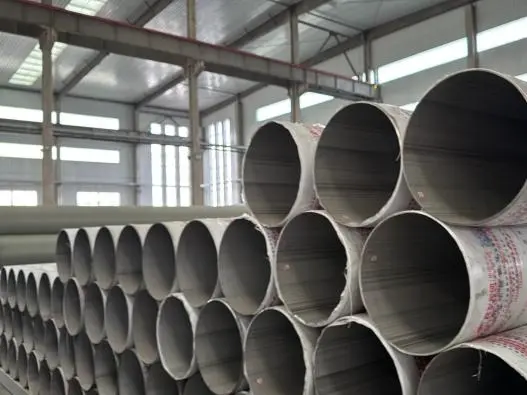
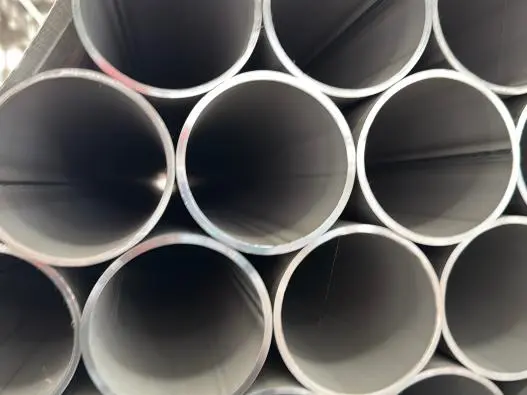
When you're designing thermal systems that must endure extreme temperatures and aggressive chemical exposure, choosing the right piping material becomes a decisive factor in operational success. ASTM A358 310S Electric Fusion Welded Steel Pipes stand as a proven solution for applications where ordinary materials fail. These pipes deliver exceptional heat resistance up to 1150°C while maintaining structural integrity under continuous pressure. The 310S grade combines elevated chromium content (24-26%) and nickel content (19-22%) to resist oxidation and scaling far better than conventional austenitic grades. What makes electric fusion welded pipes particularly valuable in thermal applications is their consistent weld quality across large diameters—ranging from 114.3 mm to 2500 mm—where seamless alternatives become impractical or cost-prohibitive.
|
|
|
Understanding ASTM A358 310S Electric Fusion Welded Steel Pipes
The ASTM A358 specification governs electric fusion welded austenitic chromium-nickel stainless steel pipes designed for high-temperature pressure service. These pipes are manufactured from plate material that undergoes forming and longitudinal welding through an electric fusion process, creating a continuous seam that matches the base metal's mechanical properties.
What Sets the Electric Fusion Welding Process Apart?
In electric fusion welding, heat is created directly at the joint contact by high electrical resistance. This method makes a smooth weld zone with almost no heat-affected areas, which keeps the metallurgical properties of the 310S base metal. The managed temperature input stops carbides from forming, which can weaken the material's resistance to corrosion, and stops grains from growing. Each welded seam is fully penetrated, which makes sure that the wall thickness and pressure-bearing ability are the same all the way along the pipe. This way of making things lets you make big pipes with very tight limits on their sizes, which is important for heating systems that need to fit together and line up perfectly.
Key Material Properties of 310S Grade
The number 310S means that the steel is a low-carbon version (with no more than 0.08% carbon) of Type 310 stainless steel that is designed to be less sensitive to heat and welding. At room temperature, this mix has a tensile strength of more than 515 MPa and a yield strength of more than 205 MPa. More importantly, the alloy stays very strong at high temperatures (about 140 MPa at 870°C), while carbon steel and lower-grade stainless steels lose their ability to hold weight. The high amount of chromium and nickel creates a stable oxide layer that heals itself even after being damaged by force. This protects against oxidation, sulfidation, and carburization in hot environments.
Quality Standards and Testing Requirements
ASTM A358 requires strict quality checks to make sure that the weld is solid and that the materials are the right ones. Each pipe goes through 100% ultrasonic testing (UT) to look for breaks in the weld inside and 100% radiographic testing (RT) to make sure there are no gaps. Testing the pipe under hydrostatic pressure makes sure it can handle certain working pressures without leaking or changing shape. Chemical analysis checks the makeup of the alloy, and mechanical testing checks its tensile strength and flexibility. Material Test Certificates (MTC 3.1 or 3.2) show that these thorough reviews provide the tracking and compliance checks that procurement managers need for project approval and regulatory compliance.
Advantages of ASTM A358 310S Electric Fusion Welded Pipes in Thermal Systems
Knowing how well these pipes work in real-life thermal applications helps you make smart purchasing choices that lower lifecycle costs and cut down on unplanned downtime.
Superior High-Temperature Performance Compared to Alternatives
At temperatures where grades 304 and 316 experience accelerated creep and scaling, ASTM A358 310S Electric Fusion Welded Steel Pipes maintain their structural properties. In boilers operating above 900°C, 310S exhibits oxidation rates approximately 70% lower than 304H and 50% lower than 309S. This resistance translates directly into extended service life—many thermal processing plants report 310S piping installations exceeding 15 years of continuous high-temperature service, while lower-grade alternatives last only 5 to 8 years. The material's resistance to thermal cycling prevents the micro-cracking that occurs with repeated heating and cooling, a common failure mechanism in heat exchanger systems.
Enhanced Weld Integrity Through Electric Fusion Process
With electric fusion welding, a long seam is made that has qualities that are almost the same as the parent metal. Electric fusion welding makes the whole joint metal the same, while resistance welding (ERW) only makes a small area that is heated up and prone to corrosion. Testing results show that weld zones in 310S EFW pipes that were made correctly have rust rates that are within 5% of the parent material in both acidic and oxidizing conditions. This evenness gets rid of weak spots where stress corrosion cracking usually starts. This is especially important in thermal systems where pressure changes when the system starts up and stops.
Cost-Effectiveness in Large Diameter Applications
Because of limits in production and waste, it becomes expensive to make seamless pipes with diameters over 400 mm. In these size ranges, electric fusion welded pipes work just as well and cost 20 to 35 percent less. A petroleum plant recently switched from seamless 310S pipes to EFW alternatives in their thermal oxidizer system (24-inch diameter, 1050°C working temperature). The new pipes worked just as well as the old ones, but they cost 28% less to buy. In addition to saving money on the initial purchase, being able to order pipes in specific lengths cuts down on the need for on-site welding and the costs that come with it for quality control.
ASTM A358 310S Pipes vs. Alternative Options: Making the Right Choice
Selecting the optimal pipe specification requires understanding how ASTM A358 310S compares to other available standards and manufacturing methods in your specific application context.
ASTM A358 vs. ASTM A312 and A249 Standards
The ASTM A312 standard covers austenitic stainless steel pipes that are either seamless or welded and are mostly used for general corrosive work. The ASTM A249 standard covers welded tubes for boilers, superheaters, and heat exchangers. ASTM A358 is different because it requires a mandatory X-ray and has specific requirements for the quality of the plate material and the qualification of the welding procedure. If you need to make sure that the weld is strong enough to withstand pressures above 500°C, ASTM A358 has the rules for testing and documentation that A312 and A249 don't have. More and more, engineering requirements for power plants and petrochemical plants call for A358 to be used in important thermal systems that can't fail.
Welded vs. Seamless Construction Considerations
Since seamless pipes don't have a longitudinal weld seam, they should be better at keeping pressure inside. Electric fusion welding, on the other hand, has pretty much closed this performance gap for 310S applications. Welded pipes actually have better physical stability than seamless pipes—the difference in wall thickness stays within ±10% compared to ±12.5% for seamless pipes—which makes the flow better and the stress spread out better. Availability and lead time often make the difference. For example, seamless 310S pipes with diameters above 300 mm may take 12 to 16 weeks to ship from specialized mills, while welded alternatives can be shipped in 6 to 8 weeks from facilities that stock plates.
Evaluating Supplier Certifications and Quality Systems
Your provider's quality management approach directly affects the reliability of ASTM A358 310S Electric Fusion Welded Steel Pipes. While ISO 9001 certification demonstrates basic quality system compliance, suppliers with ISO 17025-accredited testing laboratories that verify materials in-house offer greater assurance than those relying solely on mill certificates. Pressure Equipment Directive (PED) certification indicates competency in pressure equipment safety for European markets, while TÜV certification provides third-party verification of manufacturing processes. Suppliers offering complete documentation packages including Welding Procedure Specifications (WPS), Procedure Qualification Records (PQR), and individual UT/RT records demonstrate traceability essential for code compliance and insurance purposes.
How to Procure ASTM A358 310S Electric Fusion Welded Pipes Efficiently?
A good procurement process combines technical requirements with realistic supply chain issues that have an impact on project budgets and schedules.
Minimum Order Quantities and Lead Time Optimization
To cover the costs of setting up production, many companies set minimum order numbers (MOQ) at 5 to 10 tons. This can cause pilot projects or small growth to be delayed. YOUFASS can handle orders as small as one pipe, so you can test how well the material works before committing to the full project quantities. Standard lead times for common sizes are between 6 and 8 weeks, but if you need something quickly and the material is available, expedited production can cut this time down to 7 days. Giving suppliers your full project schedule up front, including shipping, fabrication, and installation windows, helps them prioritize your order and handle processes more efficiently.
Custom Fabrication and Value-Added Services
In addition to providing raw pipe, you should look for providers who can also help you with manufacturing, which will make your job easier. Beveling the ends of the pipes to the angle you specify skips a step in the preparation process and ensures consistent quality of the preparation for the weld. Some providers send tested subassemblies that are ready to be installed and are already put together from pipe spools, fittings, and flanges. Solution annealing after manufacturing can be an important part of keeping 310S working well. It repairs rust resistance in areas that were damaged by heat. With these value-added services, quality control is handled by a single provider, which makes paperwork easier and lowers the cost of cooperation.
Negotiating Pricing and Building Supplier Relationships
Pricing for ASTM A358 310S Electric Fusion Welded Steel Pipes is influenced by raw material costs, order quantity, pipe diameter, and wall thickness. Establishing framework agreements for recurring requirements—such as annual blanket orders with scheduled releases—typically secures 8–15% cost reductions compared to spot purchases. Sharing your project pipeline with suppliers enables them to plan inventory and production capacity, resulting in faster response when urgent needs arise. Best procurement practices treat suppliers as partners: clear communication of requirements, reasonable lead times, and prompt payment build trust that pays dividends when expedited delivery or technical installation support becomes necessary.
Ensuring Quality and Longevity of ASTM A358 310S Pipes in Thermal Systems
Your 310S piping will last as long as it can if you follow the right procedures for specification, testing, and maintenance.
Essential Testing and Inspection Protocols
In addition to testing by the maker, putting in place receiving inspection processes finds problems before they are installed. A visual inspection should check the finish on the surface, the correctness of the measurements, and the correct writing. Positive Material Identification (PMI) with portable XRF scanners proves that the alloy makeup meets the requirements. This is especially important because 310S and lower grades look a lot alike. For important uses, think About Using independent third-party inspection (TPI) services that watch the production process, look over the paperwork, and do extra testing. This extra step of checking costs 2–4% of the material's value but protects your system from getting non-conforming material.
Maintenance Practices That Extend Service Life
Regular inspections—usually once a year for high-temperature service—find signs of wear and tear early, before they break. A visual inspection shows patterns of oxide scale buildup on the outside that show changes in temperature or a lack of airflow. Ultrasonic measurements of thickness keep track of wall loss rates, which lets data-driven predictions of how long the service life will be made. Using thermal imaging during operation shows hot spots that mean there are problems with the flow inside or insulation damage on the outside. Keeping the right distance between supports stops sagging during thermal expansion, which causes stress to build up at welds and fittings.
Troubleshooting Common Performance Issues
If 310S lines don't work as well as expected, it's generally because of how they were installed or how they are being used, not because of a problem with the materials. Too little purge gas protection during welding often leads to premature rusting because oxygen can reach the bottom of the weld. Cracking usually happens when there isn't enough support, which lets thermal expansion stress build up, or when temperatures change quickly, which goes over the material's thermal fatigue limits. Localized corrosion is often caused by pollution, like chlorides from insulation or random electrical currents that create galvanic cells. When these things are looked into in a planned way, problems that can be fixed generally become apparent, allowing the expected performance to return.
Conclusion
Selecting ASTM A358 310S Electric Fusion Welded Steel Pipes for your thermal systems represents an investment in long-term reliability and operational efficiency. The combination of superior high-temperature properties, verified weld integrity through comprehensive testing, and cost advantages in large diameters makes these pipes the logical choice for demanding applications. Successful procurement requires partnering with suppliers who demonstrate quality system maturity, offer flexible order quantities, and provide technical support throughout your project lifecycle. The documented performance of 310S in industrial thermal systems—from petrochemical reformers to power generation boilers—validates this material selection for applications where failure is not an option.
FAQ
How does electric fusion welding affect pipe service life?
Electric fusion welding makes a weld zone that is uniform and has the same mechanical qualities as the base metal. This evenness gets rid of the places where corrosion and stress build up most quickly, which shortens the life of welding methods that aren't very good. When made correctly, EFW pipes have rust rates and mechanical qualities that are within 5% of seamless pipes, which means they last just as long but cost less.
What distinguishes 310S from 309S in thermal applications?
Both types are very resistant to high temperatures, but 310S has more nickel (19–22%) than 12–15%, which makes it more resistant to atmospheres that carburize and sulfidize. When exposed to sulfur-containing gases above 1000°C, 310S has about 30% more service life than 309S. The choice you make will depend on your chemical and temperature exposure.
How do I locate certified manufacturers with fast delivery?
Look for suppliers whose testing labs are ISO 17025-approved and who have more than one foreign certification, such as ISO 9001, PED, or TÜV. When manufacturers keep plates in stock and have open MOQ policies, they can reply faster to urgent needs. YOUFASS can deliver to major ports in as little as seven days for orders as small as one pipe. They do this by combining strict certification with supply chain flexibility.
Partner with YOUFASS for Reliable 310S Piping Solutions
YOUFASS delivers ASTM A358 310S Electric Fusion Welded Steel Pipes backed by comprehensive quality assurance and responsive technical support. Our ISO 17025-accredited laboratory, 15 advanced production lines, and 50,000-ton annual capacity ensure we meet your project timelines without compromising quality standards. Every pipe undergoes 100% UT and RT testing, with complete documentation including MTC 3.2 certificates, WPS/PQR records, and individual test reports. Whether you need a single pipe for testing or complete project supply with custom fabrication, our team provides the expertise and flexibility that B2B procurement professionals require. Contact info@youfass.com today to discuss your thermal system piping requirements and receive a detailed quotation from a trusted 310S pipe manufacturer committed to your project success. Visit youfass.com to explore our complete stainless steel piping capabilities.
Online Message