
Aug 14, 2026
ASTM A358 309S Stainless Pipes Provide Excellent Heat Resistance
When your operations demand piping that performs reliably in extreme thermal environments, ASTM A358 309S Stainless Weld Steel Pipes deliver the heat resistance and durability your projects require. These electric fusion welded pipes combine a carefully balanced alloy composition—featuring 22-24% chromium and 12-15% nickel—with low carbon content to maintain structural integrity at temperatures reaching 1000°C. Manufactured to rigorous ASTM A358 standards with complete radiographic examination and pressure testing, 309S grade pipes solve critical challenges in petrochemical processing, power generation, and high-temperature industrial applications where standard materials fail.
|
|
|
Understanding ASTM A358 309S Stainless Steel Pipes
The technical basis of ASTM A358 309S Stainless Weld Steel Pipes is its engineered chemical makeup, which meets certain operating difficulties in high-temperature service. The high chromium content of this austenitic stainless steel makes it very resistant to oxidation. The nickel content keeps the austenitic structure stable over a wide temperature range. The 'S' suffix identifies a controlled carbon level below 0.08%, which has a direct effect on welding performance by reducing carbide precipitation in areas that were heated during fabrication.
Chemical Composition and Mechanical Properties
Standardized tests show that the alloy's composition gives it measurable performance benefits. These pipes stay the same size even after being heated for a long time because they have a density of 8 grams per cubic centimeter and a melting range of 1398 to 1454 degrees Celsius. A minimum tensile strength of 515 MPa and a yield strength of 205 MPa have been confirmed by mechanical tests. This means that the material can handle the pressure needed for tough industrial use. These qualities stay the same for wall thicknesses between 3 mm and 50 mm, so engineers can safely make specifications for a wide range of pipe schedules.
Heat Treatment and Performance Optimization
Solution annealing is the main way that 309S qualities can be improved thru heat treatment. To do this, the material is heated to about 1040–1150°C and then cooled quickly. This breaks down carbides and creates a uniform austenitic structure. The process makes the material more resistant to rust while also making it more flexible. This is especially important for large-diameter welded pipes that need stress relief after they are made. Knowing these thermal processing parameters helps people who buy things choose the right mill certifications and check the condition of the materials when they arrive.
Corrosion Resistance in Aggressive Environments
In addition to its temperature performance, 309S grade is very resistant to oxidizing and sulfidizing atmospheres that are common in combustion and chemical processing settings. The chromium-rich passive film stays stable at high temperatures, so scale doesn't form, which lowers the efficiency of heat transfer and speeds up material loss. In situations where the temperature changes a lot, this property is especially useful because it protects the protective oxide layers on lower grades when the temperature goes up and down.
Comparing ASTM A358 309S Pipes with Other Stainless Steel Grades
When choosing a material, you have to weigh its performance features against the needs of the job and your budget. Several austenitic grades can handle high temperatures, but ASTM A358 309S Stainless Weld Steel Pipes strike the right balance between price and ability for medium to high-temperature use.
309S versus 310S: Thermal Capability Trade-offs
Higher amounts of chromium (24–26%) and nickel (19–22%) are found in Grade 310S, which raises its highest working temperature to about 1150°C. This better makeup costs about 15 to 25 percent more than 309S grade. In situations where the temperature stays below 1000°C all the time, 309S works well and costs less than other materials. When purchasing managers are in charge of power generation projects or installing industrial furnaces, they often choose 309S over 310S because it is more cost-effective for long-term use.
Comparison with 304 and 316 Grades
Standard 304 grade (18% chromium, 8% nickel) is good for general rust jobs, but it doesn't have the high-temperature oxidation protection needed for long-term use at high temperatures. Similarly, 316 grade adds molybdenum to make it more resistant to chlorides, but it's not as stable at high temperatures (above 650°C) as 309S. The differences in makeup lead to measured differences in service life. For example, 309S welded pipes usually last 20–30% longer in high-temperature oxidizing settings than 304 or 316 pipes, which lowers the cost of repair and the number of times they need to be shut down.
Fabrication and Availability Considerations
Electric fusion welding makes it possible to make pipes with outside diameters between 114.3 mm and 2500 mm, which would not be possible or would be too expensive to do in a smooth building method. This way of making things uses plate material with longitudinal welds that are checked by x-rays all the way thru, making the joint performance the same as base metal. There are different types of pipes, from Class 1 (the strictest) to Class 5. This lets engineers match inspection needs and pressure ratings to specific applications without making costs go up for no reason.
Procurement Insights: Sourcing ASTM A358 309S Stainless Weld Pipes
The ability of suppliers, the validity of certifications, and the dependability of the supply chain are all important parts of successful business-to-business buying. Because ASTM A358 309S Stainless Weld Steel Pipes are so specialized, it is important to carefully evaluate suppliers to lower project risks.
Evaluating Supplier Certifications and Capabilities
The first step in quality assurance is to make sure that manufacturers' quality management systems are still certified by ISO 9001. Pressure equipment going to be sold in Europe needs to be certified under the Pressure Equipment Directive (PED). You can have even more faith in a supplier's technical skills if they have TÜV approval and ISO 17025-accredited laboratory testing. YOUFASS keeps these certifications and has 15 dedicated production lines that can make 50,000 tons of steel every year. This shows that they can handle both large infrastructure projects and smaller custom orders with a one-piece minimum order quantity.
Documentation Requirements for Compliance
For full material traceability, complete documentation packages are needed. Mill test papers that meet the requirements of EN 10204 3.1 or 3.2 standards show the chemical make-up of the material and confirm its mechanical properties based on specific heat numbers. The full compliance package includes reports from third parties on inspections, details on how to weld, records of procedures that have been approved, and full records of ultrasound and radiography tests. These papers are very important during the project's commissioning and meet insurance and legal requirements in many places.
Lead Times and Logistics Planning
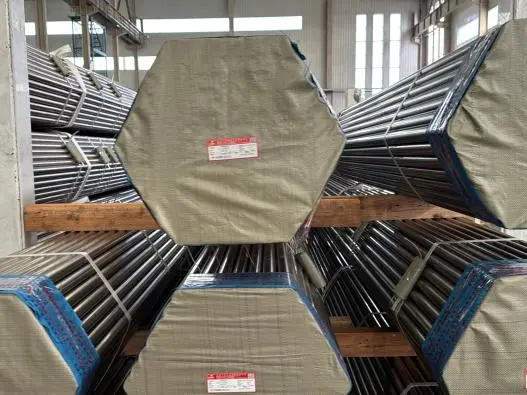
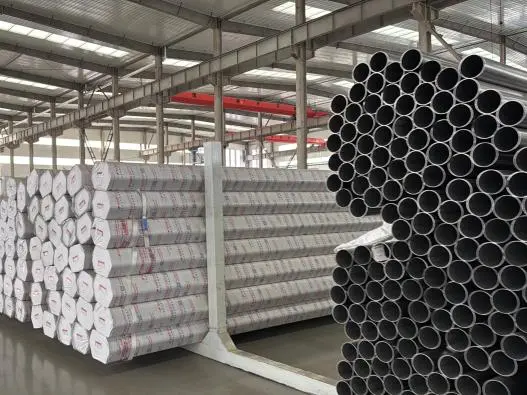
Specialized metal pipes usually take 8 to 12 weeks to make from the time an order is confirmed until they are delivered to a port. Thru smart inventory management and efficient production schedule, YOUFASS cuts this time down to as little as seven days for normal requirements. As part of global logistics, goods can be sent together to major ports in proper packing using wooden boxes, steel frames, and protective wrapping that keeps the surfaces from getting damaged during international transport. By knowing these dates, project managers can better coordinate the ordering of pipes with the schedule for construction, avoiding costly delays caused by a lack of materials.
Welding and Fabrication of ASTM A358 309S Pipes
For outdoor installation to go well, the right welding techniques must be used to protect the base material's mechanical and corrosion-resistant qualities. The low carbon content in ASTM A358 309S Stainless Weld Steel Pipes makes welding easier than with non-stabilized austenitic grades, but certain safety measures must still be taken.
Recommended Welding Techniques
Gas tungsten arc welding (GTAW) and shielded metal arc welding (SMAW) are the main ways that 309S pipes are joined together. The filler metal should match or slightly over-alloy the base composition—electrodes made of ER309L or E309L should stay compatible. Keeping the temperature of the interpass between 150°C and 200°C stops too much heat from entering, which could cause grains to grow or surfaces to become more sensitive. When you prepare the joint correctly with beveled sides, it's easier to get a good weld shape that can stand up to an x-ray.
Dimensional Tolerances and Quality Control
ASTM A358 sets strict limits for dimensions that make sure things fit right when they're being installed. For small lines, outside diameter limits are usually ±0.75 mm, and for large-bore uses, they are usually ±1.5 mm. A wall thickness tolerance of +20% to -12.5% gives enough pressure room while keeping material costs low. Different types of pipes have different post-weld heat treatment needs. For example, Class 1 pipes need to be solution annealed after welding to get back to their best corrosion resistance, but Class 3 and lower pipes can go into service after a proper weld inspection.
Case Study Applications
A high-temperature catalytic cracking machine was needed for a recent petrochemical growth project. It needed 2,400 meters of 309S pipes with a diameter of 609.6 mm. The installation worked at 980°C and went thru short periods of thermal cycling. By using properly trained welding techniques and keeping a close eye on the temperature between passes, field joints were able to pass radiography tests without any problems. The wall loss was very small after three years of use, as shown by ultrasonic thickness measurements. This proved that the right materials were used and that the construction was done well. This performance shows that good planning and execution pay off in the long run in tough applications.
Applications and Benefits of Using ASTM A358 309S Stainless Steel Pipes
The special mix of properties that make up ASTM A358 309S Stainless Weld Steel Pipes makes them useful in many fields where heat performance, corrosion protection, and pressure control needs come together.
Chemical Processing and Petrochemical Industries
Pipelines are exposed to harsh chemicals at high temperatures in sulfuric acid production, ethylene breaking furnaces, and catalytic reforming units, and for ASTM A358 309S Stainless Weld Steel Pipes, the 309S metal doesn't sulfide and keeps its strength, so it doesn't shrink over time when it's working at high temperatures for a long time, and less frequent maintenance and longer inspection cycles mean that the plant is available more of the time and costs less over its lifetime, and facilities that use 309S pipes say that their repair intervals are 40–50% longer than those that used 304H grade materials in the past. The 309S metal doesn't sulfide and keeps its strength, so it doesn't shrink over time when it's working at high temperatures for a long time. Less frequent maintenance and longer inspection cycles mean that the plant is available more of the time and costs less over its lifetime. Facilities that use 309S pipes say that their repair intervals are 40–50% longer than those that used 304H grade materials in the past.
Power Generation Systems
309S thermal stability is good for boiler feedwater heaters, superheater tubes, and exhaust gas recirculation systems in both fossil fuel and biomass power plants. The material can handle changes in temperature during plant cycles without getting thermal stress cracks that weaken the system. Combined heat and power systems value the resistance to oxidation especially during frequent starting and stop cycles, when condensation and temperature shock can damage less durable materials.
Industrial Furnace and Heat Treatment Operations
Materials that stay strong at process temperatures and don't form scale are needed for industrial furnaces' conveyor systems, heat tubes, and structure supports. The 309S composition makes it possible to make complicated assemblies that can withstand high temperatures in processes like heating metal, firing ceramics, and making glass. Maintenance teams like that parts don't have to be replaced as often, which means less downtime for production.
Market Trends and Future Outlook
As process improvement and energy economy become more important, the need for materials that can work at higher temperatures grows. As developing countries put money into building up their power grids and processing capacity, the global market for high-temperature stainless steel pipes is expected to grow. As welding consumables and quality inspection technology keep getting better, electric fusion welded large-diameter pipes are becoming a more cost-effective alternative to seamless construction for projects that don't want to sacrifice safety or performance.
Conclusion
ASTM A358 309S Stainless Weld Steel Pipes are a well-thought-out option for industrial uses that need solid performance in harsh, high-temperature conditions. The balanced alloy composition resists oxidation and stays stable at temperatures up to 1000°C. Electric fusion welding technology makes it cheap to make large pipes whose quality has been proven by thorough testing. For chemical processing, power generation, and industrial heating projects, choosing the right supplier, paying attention to welding procedures, and knowing what the material can do are all important parts of a successful project. 309S grade pipes are a good choice for companies that want to improve their operations and make sure their assets last for a long time because they are more reliable and cost less.
FAQ
What makes ASTM A358 309S Stainless Weld Steel Pipes different from regular 309 grade stainless steel?
'S' means that the carbon level is limited to below 0.08%, compared to 0.20% for normal 309 grade. This lowers the amount of carbide that forms during welding and heat exposure, keeping the rust protection in areas that are affected by heat. Because lower carbon makes the steel more flexible and tough, 309S is the best standard for welding pressure pipes where joint integrity is important throughout the service life.
Can ASTM A358 309S pipes handle steam with high pressure?
Yes, as long as it's properly defined based on the relevant pressure-temperature values. 309S pipes can be used in steam systems that go up to 900°C because they have enough tensile strength and keep their features at high temperatures. Pressure values depend on the type of pipe, its wall thickness, and its diameter. Safe working pressures for different designs are found by using thorough estimates that follow the ASME B31.1 or B31.3 piping codes.
What kinds of certifications should procurement teams look for when they are qualifying suppliers?
Some important licenses are ISO 9001 for quality control, ISO 17025 for lab approval for testing materials, and PED compliance for use in Europe. Check mill test certificates that meet EN 10204 3.1 or 3.2 standards. These should include chemical analyzes that are specific to heat and data for mechanical properties. Welding procedure specs and procedure qualification records show that the person is skilled at manufacturing. Third-party inspections are an extra way to make sure that important projects are done right.
Partner with YOUFA for Premium High-Temperature Piping Solutions
When it comes to making ASTM A358 309S Stainless Weld Steel Pipes for tough industrial uses, YOUFASS Stainless Steel Pipe Co., Ltd. is the master. With ISO 9001, PED, and TÜV approvals and ISO 17025-accredited testing, we make sure that every pipe meets the highest quality standards. With 15 production lines that make 50,000 tons of steel every year, we can make unique solutions from diameters of 114.3 mm to 2500 mm, and you can place an order for as little as one piece. Get quick technical support, complete documentation packages, and quick shipping to destinations around the world. Visit youfass.com or email info@youfass.com to talk about your project needs with a reliable ASTM A358 309S Stainless Weld Steel Pipes supplier that wants you to succeed.
Online Message