
Aug 7, 2026
ASTM A358 304L Welded Steel Pipe Manufacturing Process and Quality Standards Explained
When sourcing large-diameter stainless steel piping for pressure service in corrosive environments, understanding the manufacturing process and quality standards behind ASTM A358 304L welded steel pipe becomes essential. This specification defines electric fusion welded (EFW) austenitic stainless steel pipes engineered specifically for high-temperature and corrosive service conditions. The 304L grade features low carbon content (maximum 0.030%), preventing carbide precipitation during welding and maintaining excellent corrosion resistance in the heat-affected zone. Our comprehensive guide walks through every critical aspect—from material composition to procurement strategies—helping procurement professionals make informed decisions when selecting suppliers and specifications for demanding industrial applications.
|
|
|
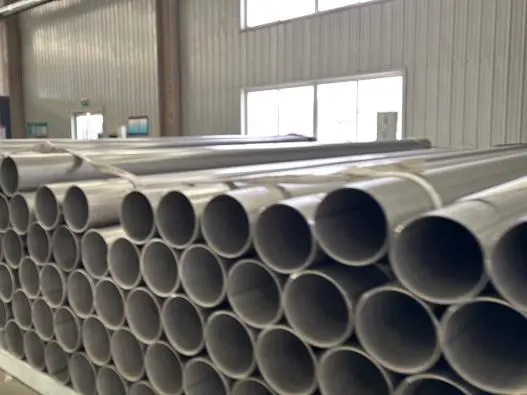
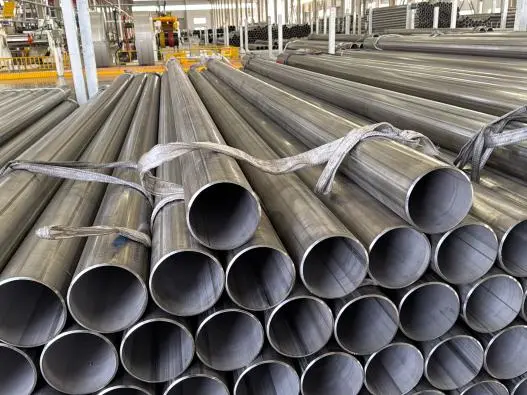
ASTM A358 304L Welded Steel Pipe Specifications and Chemical Composition
When buyers know the technical details about electric fusion welded stainless steel pipes, they can match the features of the material with the needs of the application. Large-diameter ASTM A358 304L Welded Steel Pipe manufactured from stainless steel plate is governed by the ASTM A358 standard. This type of pipe can be made in a variety of shapes and sizes, which is not possible with seamless alternatives.
Core Chemical Composition of 304L Grade
The 304L austenitic stainless steel grade has alloying elements that are carefully adjusted to give it its unique properties. It has between 18.0% and 20.0% chromium, which forms a passive oxide layer that keeps it from rusting in oxidising conditions. A nickel level of 8.0% to 12.0% stabilises the austenitic structure, making it easy to shape and tough even at very low temperatures. The unique feature—a maximum carbon content of 0.030 percent—keeps the material from becoming sensitive as heavy-wall welds cool slowly. This keeps the corrosion resistance of the whole pipe body and weld zone.
Manganese content of up to 2.0% makes the metal stronger and better at working with heat during the forming process. Silicon up to 1% acts as an oxidiser when it melts and makes the material more resistant to oxidation when it gets hot. Phosphorus and sulphur are limited to 0.045% and 0.030%, respectively. This keeps the amount of impurities that could make the metal harder to weld or more likely to rust to a minimum. This exact chemical balance makes sure that each batch of production works the same way, which is very important for big industry projects that need to be able to track down materials.
Mechanical Properties and Performance Characteristics
The minimum tensile strength for 304L grade is usually 515 MPa, which is strong enough for uses that need to control pressure in industrial piping systems. At a 0.2% offset, the minimum yield strength is 205 MPa, which tells design engineers how much stress is safe to use. The material can stretch more than 40% in 50 mm, showing that it is very flexible and can handle periods of heat expansion and contraction without cracking.
The austenitic structure stays stable over a wide temperature range, from very cold temperatures to about 425°C in constant service. Because they are stable at high temperatures, electric fusion welding pipes can be used in chemical processing where temperatures change often. As a result of its strength, ductility, and resistance to corrosion, 304L is the most popular grade for general corrosion-resistant work.
Dimensional Standards and Pipe Classes
ASTM A358 covers outside sizes from 114.3 mm to 2500 mm, which means it can be used for large-bore uses that can't be made using seamless manufacturing methods. The thickness of the walls can be anywhere from 3 mm to 50 mm, and exact limits are kept by using cutting-edge technology for forming and bonding.
The standard sets out five classes of pipes, from Class 1 to Class 5. Each class has its own inspection and testing requirements. Class 1 requires that all longitudinal welds be X-rayed, and it's good for important work where the quality of the weld directly affects safety. Class 2 gets rid of the need for X-rays, which lowers costs for lower-pressure uses while keeping visual and measurement checks. Higher classes have more testing and heat treatment methods that are designed to work in certain service circumstances. Professionals in procurement should choose the right class based on the system's operating pressure, temperature, and what would happen if it failed.
Manufacturing Process of ASTM A358 304L Welded Steel Pipe
From the raw material to the finished pipe, the production process uses high-tech tools and strict quality checks at every step. Knowing how this ASTM A358 304L Welded Steel Pipe manufacturing process works helps buyers understand the worth of certified goods and find sellers who can really make things.
Raw Material Selection and Preparation
The first step in making something is choosing high-quality stainless steel plate from approved mills that have well-established quality control systems. Material papers show that the chemical makeup meets ASTM standards, and each heat number can be tracked back to the steel maker. Plates are looked at from the outside to find rolling flaws, scale, or contamination that might lower the quality of the weld.
Precision machining is used for edge preparation to make sure the joint geometry is right for welding. The ends of the plates are bevelled according to the instructions for the welding process. This makes sure that there is full entry and proper fusion during the joining process. Using mechanical or chemical washing to clean the surface gets rid of oils, oxides, and other contaminants, making the conditions perfect for a good weld to form.
Electric Fusion Welding Techniques
Electric fusion welding (EFW) uses high-quality filler metal that is matched to the makeup of the base material. This makes sure that the weld qualities are the same as or better than those of the parent metal. Automated welding systems keep the arc voltage, current, trip speed, and shielding gas flow constant along the whole length of the weld. This gets rid of the need for human error that could cause flaws.
For heavy-wall pipes, submerged arc welding (SAW) is the main method used. Granular flux keeps the liquid weld pool clean from outside contaminants and adds extra alloying elements. The process achieves high deposition rates and deep penetration, which boosts productivity while keeping the integrity of the metal. When working with thin walls or important parts, tungsten inert gas (TIG) welding gives you more control and makes welds that look good on X-rays with less heat.
Controlling the temperature during welding keeps the metal from getting too hot, which could lead to grain growth or distortion. Interpass temperature limits keep cooling rates at the right level, which keeps the good microstructure all the way through the weld zone. Backing systems hold up the liquid pool and make sure that smooth beads form inside, which is important for clean uses in the food and drug processing industries.
Post-Weld Heat Treatment and Finishing
Solution annealing, a heat process done at temperatures between 1040°C and 1120°C, breaks down any chromium carbides that may have formed during welding. This restores the metal's full rust resistance. Rapid cooling with water quenching locks in the austenitic structure, which stops carbides from forming while the metal cools. This treatment gets rid of any remaining stresses from welding and shaping, which makes the shape more stable and less likely to crack from stress corrosion.
Pickling in acid baths is part of surface cleaning. It gets rid of heat tint and oxidation to show the clean metal surface below. The process of pickling also passivates the surface, which makes the naturally corrosion-resistant oxide layer stronger. Bright annealing in controlled gas furnaces makes a shiny finish without scale formation, so cleaning is not needed afterward in situations where the surface needs to look good or be very clean.
Comprehensive Inspection and Testing Protocols
Quality assurance includes more than just eye inspection. It also includes a number of non-destructive testing methods. Ultrasonic testing (UT) uses high-frequency sound waves to look at the whole length of the weld and find internal flaws like porosity, lack of fusion, or inclusions that can't be seen with the naked eye. Radiographic testing (RT) makes lasting film records of the quality of the weld, which is needed for Class 1 pipes that are in important service.
During hydrostatic testing, each pipe is put under pressure inside that is higher than what was specified in the design. This makes sure that the structure is solid and that there are no leaks. The test pressure is usually 1.5 times the working pressure and stays there for a certain amount of time while techs look for leaks or distortion. This amount of destructive testing gives people faith that pipes will work safely for a long time.
Dimensional inspection makes sure that the outside diameter, wall thickness, length, and straightness are all within the acceptable ranges. The tensile strength, yield strength, and stretch of weld samples are checked mechanically to make sure they meet basic standards. Chemical testing on production heats makes sure that the composition is within certain limits. Material test certificates (MTC) keep track of all testing results and show that they meet the standards of ASTM A358.
Comparing ASTM A358 304L with Other Stainless Steel Pipes
When making a purchase choice, people often have to look at a number of different material specs and manufacturing methods. This comparison of ASTM A358 304L Welded Steel Pipes shows important differences that affect how well they work, how much they cost, and how suitable they are for different uses.
ASTM A358 versus ASTM A312 Pipes
ASTM A312 covers both seamless and welded stainless steel pipe with a diameter of less than 650 mm that is made using automatic welding methods and no filler metal is added. The specification is good for general corrosive service, but it doesn't have the heavy-wall strength or filler metal reinforcement of A358 products. As a result, A358 is the only practical way to make large-bore parts with thick walls that can handle high pressures.
Cost is usually a factor that favours A358 welded pipes over seamless pipes in bigger sizes. This is because making seamless pipes requires expensive piercing and elongation methods that waste a lot of material. When a plate is used to make a welded pipe, the material is used almost 95% of the time, which means that buyers pay less for raw materials. Most of the time, lead times for welded pipe are shorter than those for seamless pipe because plates are easier to get than billets of seamless pipe.
304L versus 316L Grade Selection
The 316L grade adds molybdenum (2.0–3.0% of the base composition), which makes it much more resistant to pitting and crevice corrosion in places where chloride is present. For chemical manufacturing jobs that use saltwater, brines, or chlorinated solutions, 316L is usually required to avoid localised corrosion failure. Adding molybdenum raises the cost of the material by about 15 to 20 percent compared to the 304L grade.
For uses that don't involve chloride, like preparing food, making medicines, or steam service, 304L gives the same performance at a lower cost. Both types are good for welding because they don't have much carbon in them, which stops intergranular rust. Instead of automatically choosing expensive grades when normal 304L is enough to protect, buyers should look at the unique corrosive environment.
Welded versus Seamless Construction
Without the longitudinal weld seam, seamless pipe has isotropic qualities and is thought to be more reliable in vital work. Modern electric fusion welding, on the other hand, makes joints whose dynamic qualities are the same as or better than those of the base metal. This is proven by destructive testing of production samples. When the right steps and inspection rules are followed, the weld zone in properly made A358 pipe does not show any signs of weakness.
Welded construction lets you combine custom diameter and wall thickness in ways that aren't possible with seamless routes because of tooling limitations. Specific needs for a project are met exactly, and planners don't have to choose pipe sizes that are too big. This adaptability makes the best use of materials and lowers the cost of systems in big industrial setups.
Applications and Performance of ASTM A358 304L Welded Pipes
There are many industries that use electric fusion welded stainless steel pipes because they are flexible. Each of these industries needs certain performance qualities that ASTM A358 304L Welded Steel Pipe regularly provides.
Chemical Processing and Petrochemical Industries
Large-diameter stainless steel pipes are used in chemical plants to move corrosive process fluids, acids, and solvents that would quickly damage carbon steel. 304L's austenitic structure makes it resistant to a wide range of organic and inorganic chemicals at normal temperatures and concentrations. Phosphoric acid, nitric acid, and other organic substances can still be mixed with 304L at certain temperatures and concentrations that have been set by data on rusting rates.
These pipes are used in petrochemical plants' refinery process units, storage tank pipes, and transfer lines that move chemical products and petroleum parts. When rust resistance and structural strength are combined, they can handle the high pressure and high temperatures that are common in processes like distillation, reaction, and separation. In these situations, the quality of the weld is very important because fluid leakage poses environmental and safety risks that need strong containment.
Food, Pharmaceutical, and Hygienic Applications
For food processing companies' sanitary pipe systems to work, they need materials that don't rust when cleaned with chemicals and keep surfaces clean. The 304L material is approved by the FDA for use with food, and the smooth insides keep germs from sticking to them and growing. Stainless steel pipes keep products pure from the source to the package in industries that process dairy, make drinks, and make ready-to-eat foods.
Even higher standards of cleaning are needed to make pharmaceuticals, and piping systems must be checked to make sure they are sterile and won't mix with drug compounds. The low carbon content stops carbide precipitation, which could make cracks where bacteria could live. When internal surfaces are electropolished, they get mirror finishes with hardness values below 0.4 micrometres. This meets the needs of both the clean-in-place (CIP) and steam-in-place (SIP) protocols.
Water Treatment and Environmental Systems
Pipes made of stainless steel are used in municipal water treatment plants and industrial wastewater systems to move potable water, process water, and waste streams that are acidic. 304L can handle being mixed with clean water because it is resistant to chlorine. However, it is important to keep chloride concentrations below certain levels (usually 200 parts per million) to avoid pitting damage. For better protection from chloride, desalination plants and cold water systems often switch to 316L.
Environmental cleanup systems that deal with polluted groundwater or wastewater from factories can benefit from the chemical strength and long life of stainless steel construction. A life-cycle cost analysis shows that the higher initial investment costs for stainless steel are worth it when compared to the high cost of replacing carbon steel pipes that break down due to corrosion over and over again. Maintenance times get a lot longer, which cuts down on downtime and fix costs over the life of the building.
Power Generation and Energy Sectors
There is stainless steel pipe in thermal power plants' condensate systems, feedwater lines, and steam distribution networks. This is done so that corrosion products don't hurt the turbine blades or boiler tubes. 304L can handle temperatures up to 425°C in constant service, which is high enough for many backup systems but not for main steam lines, which need higher metal grades. Combined cycle plants gain from flue gas cleaning systems that don't rust when they deal with acidic condensates.
Facilities that use renewable energy, like biomass plants and geothermal systems, have to deal with harsh conditions where stainless steel is important for longevity. Electrolysis is a fast-growing area of the energy shift that uses corrosion-resistant materials like 304L to pipe hydrogen gas and process fluids in both basic and acidic environments. As the hydrogen economy grows, so does the need for reliable large-diameter stainless steel pipes.
Procurement Guide: Buying ASTM A358 304L Welded Steel Pipes
When you do strategic procurement, you have to look at more than just price quotes from suppliers to make sure that their quality, dependability, and service meet the needs of the project. There are a number of important differences between qualified producers and commodity sellers of ASTM A358 304L Welded Steel Pipes.
Evaluating Supplier Certifications and Capabilities
Real manufacturers have quality management certifications, such as ISO 9001, which show that they use a systematic approach to quality control throughout all of their operations. Pressure Equipment Directive (PED) certification for European markets and TÜV approval show that the pressure vessel meets international standards. Accreditation by ISO 17025 for testing labs guarantees accurate measurements and tracking in characterising materials.
The ability to make things can be seen in their production capacity and how well-designed their equipment is. Suppliers with 15 production lines and an annual output of 50,000 tonnes show scale and consistency that can't be found in small workshops. When compared to manual methods, modern forming machines, automatic welding systems, and heat treatment ovens with controlled atmospheres make better goods. Site visits or audits by a third party can confirm what suppliers say they can do and help find those with real manufacturing infrastructure.
Customization Options and Order Parameters
Customisation options that are flexible let you make solutions that fit the exact needs of your project. The diameters range from 114.3 mm to 2500 mm, and the wall thicknesses range from 3 mm to 50 mm. This range of sizes meets almost all industrial pipe needs. Length options, such as random length for common uses or fixed length for specific installation needs, cut down on waste and fitting costs on the job site.
Choosing between a regular end or a bevelled end affects how the end is finished, how it is installed, and how much work needs to be done. Bevelled ends come ready to be welded, which saves time for the worker while they are making and putting up the structure. Which surface finish to use—pickled and annealed or bright annealed—depends on how the final product needs to look and what steps will be taken afterward. Pipes are shipped internationally safely in wooden boxes with hexagonal binding. They arrive at project sites undamaged and ready to be installed.
Minimum Order Quantities and Lead Times
Progressive suppliers can work on projects of any size, and the smallest order size is just one pipe, which makes it possible to do prototypes, routine maintenance, or small installations. This adaptability comes in handy when exact quantities aren't known during the engineering stages or when a project needs to be carried out in stages that require several smaller deliveries.
The amount of time it takes from placing an order to arrival at the port has a direct effect on project plans and cash flow. Manufacturers who are efficient can deliver within seven days for standard specs when materials are available, which shortens the time it takes to finish a job. Custom specs that need special plates to be bought or unusual finishing can make lead times several weeks long, so project organising needs to be done ahead of time. Delays that affect the whole building timeline can be avoided by being clear about when deliveries are expected.
Documentation and Traceability Requirements
Full documentation files show proof of compliance and can be tracked back to the source, which is necessary for quality control and governmental approval. According to EN 10204 3.1 or 3.2 standards, Material Test Reports (MTR) show the chemical make-up, mechanical properties, and heat treatment settings for each production lot. Third-party inspection (TPI) reports from outside organisations make sure that manufacturing standards are met when buyers need extra confidence.
Welding Procedure Specifications (WPS) and Procedure Qualification Records (PQR) show that the welding process follows the rules and makes strong joins. Making Process Specifications (MPS) describe the steps that are used to make something and where quality control checks can be done. Reports from ultrasonic and radiographic testing keep permanent records of the results of weld examinations, which meet the needs of regulatory authorities and project quality plans. When a supplier offers a complete documentation package, it makes it easier to get project approvals and start up.
Conclusion
Procurement professionals can make smart decisions about where to buy things when they know about the quality standards and manufacturing process for ASTM A358 304L Welded Steel Pipes. Through carefully controlled chemical makeup, advanced welding methods, and strict inspection routines, the ASTM A358 304L standard has been shown to work well in a wide range of industrial settings. When you compare different types of materials and ways of making things, you can see that welding is the most cost-effective and flexible way to make large-diameter pressure pipes. For successful procurement, you need to look at more than just price when evaluating a supplier's skills. You should pay attention to certifications, production capacity, customisation options, and the completeness of the documentation. Strategic relationships with qualified makers guarantee the success of the project by providing reliable product quality, quick service, and expert support for the entire duration of the equipment.
FAQ
What distinguishes ASTM A358 from ASTM A312 specifications?
ASTM A358 304L Welded Steel Pipe is a standard that talks about electric fusion-welded pipes made from plate with filler metal added. These pipes usually have bigger widths, between 114.3 mm and 2500 mm. The standard allows for high-pressure service on structures with thick walls. ASTM A312 covers pipes with a diameter of less than 650 mm that are either seamless or automatically welded and don't use filler metal. There are big differences between standards when it comes to the welding steps, testing requirements, and service conditions that are meant to be used.
Why select 304L over standard 304 grade?
The letter "L" means that the carbon content is low; it can't be more than 0.030 percent, while standard 304 can have up to 0.08%. This lower carbon keeps chromium carbide from forming while welding and lets heavy parts cool more slowly. Carbide precipitation removes chromium from nearby areas, making them more likely to experience intergranular rust. The 304L composition keeps the resistance to corrosion even in the weld heat-affected zone, so most applications don't need a post-weld heat treatment.
Does Class 2 pipe require radiographic examination?
As per ASTM A358, Class 2 pipes don't need to have radiography or ultrasound examinations of welds. This lowers the cost of inspections in situations where the buyer or relevant codes don't require a full weld examination. Visual inspection and inspection of dimensions are still needed. Buyers should choose Class 1 for important services that need a full x-ray, while Class 2 is better for lower-pressure uses where a few x-rays every so often are enough to ensure quality.
Partner with YOUFA for Superior Electric Fusion Welded Pipe Solutions
Choosing the right ASTM A358 304L Welded Steel Pipe supplier affects the success of a project at all stages, from planning to building to running. YOUFA has a history of making high-quality products and has state-of-the-art production facilities with 15 specialised production lines that can make 50,000 tonnes of goods every year. Our ISO 9001, PED, and ISO 17025 certifications show that we are dedicated to quality management and testing accuracy, which is something that procurement workers look for.
We know how hard it is for industrial buyers to meet tight project deadlines while also staying within budget and meeting performance standards. Our low minimum order number of just one pipe means that we can work with projects of all sizes, from making prototypes to installing thousands of meters of pipe. Standard specs ship within seven days to Tianjin Port, which helps keep building schedules on track without having to pay extra for extra inventory.
As a producer with a lot of experience in ASTM A358 304L Welded Steel Pipe, we offer full paperwork, such as MTC/MTR certificates, WPS/PQR records, and thorough testing reports that meet quality assurance standards across all industries. Our expert team helps you choose the right materials, write specifications, and do application engineering. This makes sure you get the best solutions for your unique service conditions. Get in touch with us at info@youfass.com right away to talk about your needs and experience the quality, service, and dependability that make YOUFA different.
Online Message