
Jul 28, 2026
ASTM A312 vs A358 EFW: Choosing the Right Stainless Steel Pipe Standard
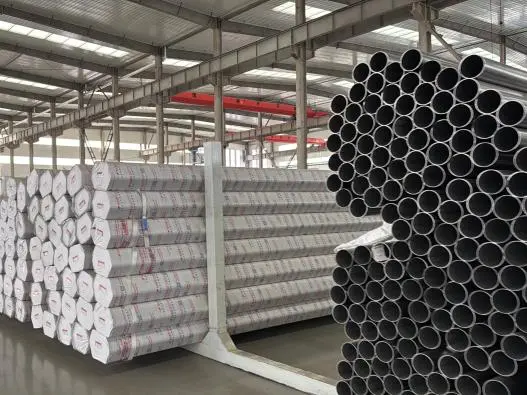
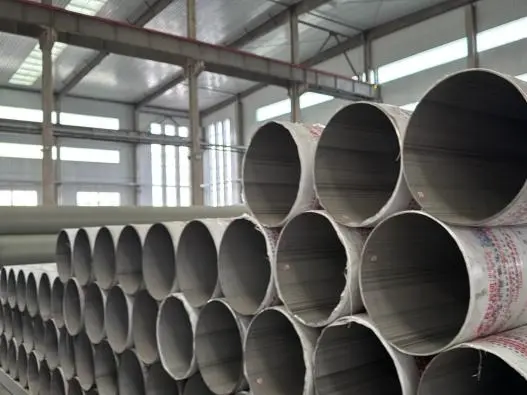
Selecting between ASTM A312 and ASTM A358 EFW stainless steel pipes is a decision that directly affects project performance, operational safety, and long-term cost management, and for ASTM A358 EFW Stainless Steel Pipes, this specification is specifically engineered using Electric Fusion Welding for large-diameter applications requiring exceptional corrosion resistance and structural integrity in high-temperature service, distinguishing it from ASTM A312 which covers both seamless and welded pipes for high-pressure environments. ASTM A312 covers both seamless and welded austenitic stainless steel pipes suitable for high-pressure environments, while ASTM A358 EFW Stainless Steel Pipes are specifically engineered using Electric Fusion Welding for large-diameter applications requiring exceptional corrosion resistance and structural integrity in high-temperature service. Understanding these distinctions empowers procurement managers, engineers, and OEMs to align material specifications with project demands, ensuring supply chain efficiency and operational reliability.
|
|
|
Understanding ASTM A312 and ASTM A358 EFW Stainless Steel Pipes
Both standards cover important aspects of industrial plumbing, but they are made in very different ways and can be used in very different situations. ASTM A312 includes pipes that are smooth or welded using different welding methods, such as TIG and ERW, and are usually used in systems with mild pressure and general corrosion. The standard works with a lot of different widths, but as the size goes above 8 inches, it gets more expensive and harder to find.
On the other hand, ASTM A358 EFW Stainless Steel Pipes are designed to be used with Electric Fusion Welded pipes made from plate material with filler metal. This way of making things solves a problem that has been bothering the industry for a long time: they need big pipes (from 114.3 mm to 2500 mm) that stay strong even when they're exposed to high temperatures and acids. Compared to standard welding methods, the EFW process is better at maintaining accurate measurements and a regular wall thickness. This makes it perfect for use in petrochemical, power generation, and oil and gas infrastructure.
Manufacturing Process Differences
For ASTM A358 pipes, the EFW process involves cutting plate material into cylinder shapes, welding along the length of the pipe with carefully controlled heat input, and solution annealing to restore corrosion resistance. This method makes pipes with consistent mechanical properties and gets rid of common flaws that happen with ERW processes. Different welding methods can make the joints in ASTM A312 pipes less or more effective, and they may need different amounts of treatment after the welding process.
Material Grades and Chemical Composition
Austenitic chromium-nickel types like TP304/304L/304H, 316/316L, 317/317L, 321/321H, and 347/347H are supported by both standards. These alloys are very good at resisting corrosion in places that are acidic or high in chlorides. The choice between types is based on the temperature, chemicals, and mechanical stress of the job. Because it has a low carbon content, TP316L doesn't sensitise or intergranularly corrode, so it can be used for welded structures in chemical processing plants.
Pipe Classes and Inspection Requirements
ASTM A358 divides pipes into five classes, from Class 1 to Class 5. Each class specifies the way to join and the level of detail needed for an X-ray study. Class 1 needs two welding processes and a full X-ray check to make sure the joint works as well as possible. This strict quality control eases the minds of buying teams that are in charge of important uses where the integrity of the weld directly affects safety and service life. Even though ASTM A312 is tested very carefully, it doesn't use the same class-based inspection system.
Comparing ASTM A312 and ASTM A358 EFW Pipes for Industrial Applications
In real-world deployment, the difference between these two standards is how well they work in tough operational conditions. When you look at the pressure and temperature limits, you can see that both standards allow for service at temperatures above 500°C. However, the EFW method used on A358 pipes makes welds that are mechanically equal to the parent material. This is proven by transverse guided-bend tests and stress tests. This makes sure that the pipe works the same way the whole way along it, which lowers the risk of failure in important systems.
Corrosion Resistance in Harsh Environments
Corrosion resistance is affected by the type of material, the way it is welded, and what is done after the welding process, and for ASTM A358 EFW Stainless Steel Pipes, solution annealing is required to dissolve chromium carbides and restore the passive oxide layer that provides protection against corrosion—particularly effective against sulphuric acid, hydrochloric acid, and chloride-containing fluids—while ASTM A312 pipes may offer similar resistance but with consistency dependent on the welding method used. Solution annealing is required for ASTM A358 pipes. This breaks down chromium carbides and returns the passive oxide layer that is needed to protect against rust. This heat process works especially well with sulphuric acid, hydrochloric acid, and liquids that contain chloride. The resistance of ASTM A312 pipes may be about the same, but the consistency depends on the welding method used.
Dimensional Tolerances and Quality Assurance
Accuracy in measurements affects how well an installation works and how well the system works. Because the EFW process is controlled, ASTM A358 pipes have tighter tolerances for being oval, straight, and having the same wall thickness all the way through. Fewer problems with fitting and fewer changes in the field are good for procurement teams. According to ASTM A358 quality assurance rules, products must go through 100% ultrasonic testing (UT) and radiographic testing (RT), as well as hydraulic testing at 1.5 times the design pressure and intergranular rust testing as described in ASTM A262. With these thorough inspections, you can be sure that the pipes meet or beat performance standards.
Real-World Performance in Industrial Sectors
In the new energy sector, companies that make tools for making hydrogen depend on large-diameter stainless steel lines that don't get weak when exposed to hydrogen and keep their shape under changing thermal loads. These strict standards can be met by ASTM A358 EFW Stainless Steel Pipes, which have excellent weld quality and can have walls as thick as 3 mm to 50 mm. In the same way, heavy-wall A358 pipes carry high-pressure fuels and corrosive intermediates in petrochemical plants. If these pipes break, the environmental and financial effects could be disastrous.
Procurement Considerations: Selecting the Right Stainless Steel Pipe Standard
Costs aren't just about the unit price; they also include the total cost of ownership. Due to their difficulty in making and restricted availability, ASTM A312 seamless pipes often have higher prices, especially when they have bigger diameters. When it comes to large-diameter uses, ASTM A358 EFW Stainless Steel Pipes are cheaper while still providing the same or better performance. Plate-forming makes it easy to make tubes with specific diameters and wall thicknesses, which cuts down on lead times and inventory costs.
Supplier Reliability and Certification
Choosing a manufacturer with strong quality management systems has a direct effect on how well the project turns out. Certifications like ISO 9001, PED (Pressure Equipment Directive), TÜV, and ISO 17025 laboratory approval show that a company is dedicated to quality and following the rules. Manufacturers who have been around for a while and have their own testing facilities can give you all the paperwork you need, such as Material Test Certificates (MTC/MTR) according to EN 10204 3.1 or 3.2, Welding Procedure Specifications (WPS), Procedure Qualification Records (PQR), and full UT/RT results. This ability to track down paperwork meets legal needs and helps with auditing.
Logistics and Lead Time Management
The capacity of the manufacturer and the quantity of goods affect how well the supply chain works. Producers with a lot of yearly output and various production lines can meet pressing orders and keep the supply steady. YOUFA has 15 production lines that can make 50,000 tonnes of goods a year. This lets them respond quickly to market needs. Being able to send within 7 days to important ports helps just-in-time procurement methods and keeps project delays to a minimum. Minimum order quantities that are flexible—as low as one pipe—allow for pilot projects and emergency replacements without setting order volumes that are too high.
Advantages and Limitations: Helping You Make an Informed Decision
Knowing the pros and cons of each standard helps you make decisions that are in line with the needs of your particular project. ASTM A312 seamless pipes work great in places that need a completely weld-free build, like critical instrument tubing and places with a lot of vibration. Because they don't have any longitudinal seams, they don't wear down easily and don't have any potential weak spots. However, they become less common and more expensive as the diameter gets closer to or above 8 inches, which means they can't be used for large-bore tasks.
When it comes to large-diameter, high-pressure work, ASTM A358 EFW Stainless Steel Pipes are the best deal. Destructive testing shows that the fusion welding process makes joints whose mechanical qualities are the same as or better than the source material. Cost savings come from being able to make pipes from easily accessible plate stock, which gets around the problems with seamless manufacturing. The thorough inspection process, which includes 100% UT/RT, hydrostatic testing, and mechanical testing, gives proof of quality. Some possible problems include the need for skilled welders and strict quality control during production. However, reputable manufacturers deal with these issues by using certified methods and teams with a lot of experience.
Case Study: Power Generation Application
For its heat recovery steam generator (HRSG), which works at 540°C and 15 MPa, a combined-cycle power plant needed pipes with a width of 1200 mm made of stainless steel. The ASTM A358 Class 1 pipes in grade TP347H were chosen because their microstructure was stable and wouldn't become sensitive at high temperatures. The EFW method made it possible to make the minimum diameter and 25 mm wall thickness at a low cost. The ASME Boiler and Pressure Vessel Code required a full radiographic inspection and supporting paperwork. The project was finished on time, and there were no problems with the welds during hydraulic testing or the first run.
Case Study: Chemical Processing Infrastructure
A petrochemical plant that was adding on to its sulphuric acid alkylation unit needed pipes that wouldn't rust and could handle 98% sulphuric acid at 80°C. The corrosion resistance needed was met by ASTM A358 EFW pipes in grade TP316L, and solution annealing made sure that the chromium carbide would dissolve. The pipes' big diameter (600 mm) and accurate size specs made installation go quickly with few changes needed in the field. Intergranular corrosion tests according to ASTM A262 Practice E showed that it could handle the harsh chemical environment, and the plant has been running without any problems related to corrosion for over five years.
Best Practices for Specifying and Purchasing Stainless Steel Pipes
Aligning pipe specs with operating needs starts with a full analysis of the service conditions, such as pressure, temperature, fluid makeup, and environmental factors. To meet regulations, you need to follow the right rules, like ASME B31.3 for process piping or ASME B31.1 for power pipe. When choosing materials, you should think about how they will work at first and how they will break down over time, using examples like stress corrosion cracking, pitting, and crevice rust.
Third-party inspection and approval should be required by quality assurance rules. Using EN 10204 3.2 certificates makes sure that the chemical make-up and mechanical properties are checked by a third party. By asking for WPS and PQR paperwork, you can be sure that the welding procedures have been checked out and approved. Full NDT results (UT/RT) show that the weld is solid and there are no flaws below the surface. These papers are an important quality record that helps with tracking and makes it easier to make choices about future maintenance.
Maintenance and Lifecycle Considerations
Lifecycle costs are lower when the right materials are used because they last longer and cause less unplanned downtime. Because they are more resistant to corrosion and have better mechanical properties, ASTM A358 EFW Stainless Steel Pipes last longer in harsh environments. Periodic inspection programs should use the detailed baseline information that was given during purchase to track changes in wall thickness measures and spot patterns of degradation before they become a threat to the health of the system.
Conclusion
Picking between ASTM A312 and ASTM A358 EFW pipes depends on the diameter, pressure, temperature, and corrosive environment of the application. ASTM A358 EFW Stainless Steel Pipes have clear benefits in large-diameter, high-temperature situations that need corrosion protection and structural stability that are second to none. Procurement teams can be sure that materials will work well and follow the rules because of the strict quality control framework, thorough testing, and documented traceability. Companies get the most out of their investments in stainless steel pipes by knowing the technical differences and following best practices when writing specifications and choosing suppliers. This ensures that the pipes work well and last a long time.
FAQ
What is the primary difference between ASTM A312 and A358 pipes?
ASTM A312 covers pipes that are made in a variety of ways and can be used in general high-pressure situations. It includes pipes that are smooth and pipes that are soldered. ASTM A358 EFW Stainless Steel Pipes specifically addresses Electric Fusion Welded pipes made from plate material, optimized for large-diameter applications requiring superior weld quality and dimensional accuracy in high-temperature, corrosive environments.
Can ASTM A358 EFW pipes be used instead of seamless pipes in critical applications?
Yes, as long as it is properly designed and made. Class 1 ASTM A358 pipes are fully inspected with X-rays and put through a lot of mechanical tests, and they pass with a joint efficiency factor of 1. They meet the requirements of the ASME Boiler and Pressure Vessel Code and work reliably in demanding situations. In large diameters, they often offer better dimensional consistency than seamless alternatives.
How do I check the quality and qualifications of a supplier?
Ask for certificates like ISO 9001, PED, TÜV, and ISO 17025 lab approval. Make sure you get EN 10204 3.2 Material Test Certificates that show the full chemical make-up and mechanical test results. Check the WPS and PQR documents to make sure the welding processes are qualified. Make sure that full UT/RT reports and hydraulic test records are available. This will show that there is full quality control and tracking.
Partner with YOUFA for Reliable Stainless Steel Piping Solutions
YOUFA stands as a trusted ASTM A358 EFW Stainless Steel Pipes manufacturer, offering comprehensive solutions backed by 15 production lines and an annual output capacity of 50,000 tons. Our ISO 9001, PED, TÜV, and ISO 17025 certifications show that we are always dedicated to quality. We provide full paperwork, like MTC/MTR (3.1/3.2), TPI, WPS/PQR, and UT/RT reports, so that everything can be tracked and regulations are followed. We help you meet your project deadlines and save time on buying by letting you order as little as one pipe and having it delivered to Tianjin Port within seven days. Get in touch with our technical team at info@youfass.com to talk about your unique needs and get expert advice on how to choose the best stainless steel pipe standard for your project.
Online Message