
Jul 21, 2026
ASTM A312 TP321 321H Stainless Steel Pipes Manufacturers, Suppliers & Factory
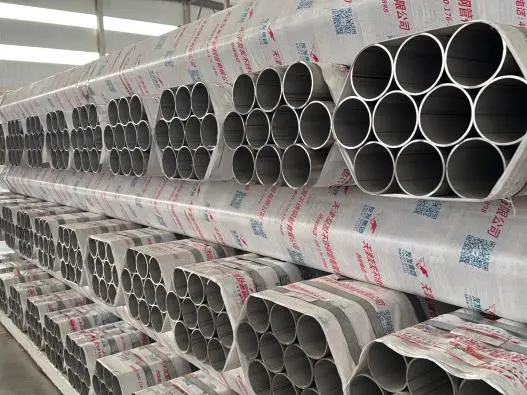
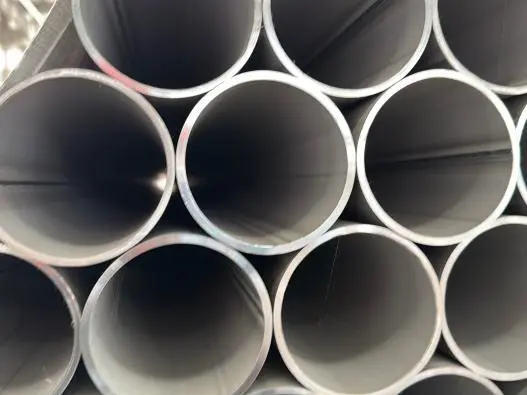
When industrial projects demand reliable, high-performance piping that endures extreme temperatures and corrosive atmospheres, ASTM A312 TP321 321H Stainless Steel Pipes emerge as the premier choice. These titanium-stabilized austenitic stainless steel solutions are specifically engineered to prevent intergranular corrosion—a critical concern in industries ranging from petrochemical plants to power generation facilities. With TP321 serving as the standard grade and TP321H optimized for elevated carbon content and enhanced creep strength, these pipes address the core challenges faced by engineers and procurement professionals managing complex, high-stakes industrial applications.
|
|
|
Introduction
Industrial sectors requiring exceptional corrosion resistance and thermal stability increasingly rely on titanium-stabilized stainless steel piping solutions. ASTM A312 TP321 321H Stainless Steel Pipes stand out as versatile, high-performance options widely deployed in petrochemical refineries, utility boilers, hydrogen production systems, and aerospace exhaust assemblies. Unlike conventional austenitic grades, these pipes incorporate titanium—an element with a greater affinity for carbon than chromium—preventing the formation of chromium carbides during welding or prolonged high-temperature exposure. This metallurgical advantage ensures that the material maintains its corrosion resistance even in the heat-affected zones of weldments, eliminating the need for costly post-weld annealing procedures.
Understanding the distinctions between TP321 and TP321H grades empowers procurement professionals, engineers, and distributors to make informed decisions that optimize performance and return on investment. This guide equips buyers with essential knowledge for comparing grades, evaluating manufacturers, and navigating specifications to ensure that every piping system meets the rigorous demands of modern industrial environments.
Understanding ASTM A312 TP321 and 321H Stainless Steel Pipes
Chemical Composition and Metallurgical Characteristics
The metallurgical design addresses a phenomenon known as sensitization, where chromium depletion at grain boundaries during thermal cycles compromises corrosion resistance. By sequestering carbon as titanium carbides, these grades maintain uniform chromium distribution throughout the material, ensuring reliable performance in environments where temperatures fluctuate between 800°F and 1500°F.
Mechanical Properties and Heat Treatment
ASTM A312 TP321 321H Stainless Steel Pipes exhibit a minimum tensile strength of 515 MPa and a yield strength of 205 MPa, delivering structural integrity under demanding service conditions. The TP321H variant requires a specified grain size—typically No. 7 or coarser per ASTM E112—to maximize creep-rupture strength during prolonged high-temperature service. Solution annealing followed by water quenching constitutes the standard heat treatment, dissolving precipitates and stabilizing the austenitic structure. This thermal processing ensures optimal ductility and toughness, enabling the material to withstand thermal cycling and mechanical stress without losing dimensional stability.
Manufacturing Methods and Quality Standards
Manufacturing processes for ASTM A312 TP321 321H Stainless Steel Pipes include seamless (SMLS), welded (WLD), and heavily cold-worked (HCW) techniques, each tailored to specific application requirements. Seamless pipes offer superior pressure-handling capabilities and uniform wall thickness, making them ideal for critical high-pressure systems. Welded pipes provide cost-effective solutions for lower-pressure applications while maintaining excellent corrosion resistance. The ASTM A312/A312M-22 standard governs dimensional tolerances, with wall thickness tolerances ranging from +15% to +22.5% and -12.5%, ensuring consistency across production batches. International standards such as ISO and PED further validate quality assurance protocols, reinforcing product reliability and regulatory compliance across global markets.
Comparing ASTM A312 TP321, 321H, and Other Stainless Steel Grades
TP321 vs. TP321H: Performance Distinctions
The primary distinction between TP321 and TP321H centers on carbon content and grain size specifications. TP321H's elevated carbon range enhances its ability to resist creep deformation during prolonged exposure to temperatures exceeding 1000°F, making it particularly suitable for superheater and reheater tubes in utility boilers. The specified grain size in TP321H provides improved stress-rupture properties, extending service life in applications where thermal creep poses a significant design challenge. Engineers select TP321 for general high-temperature applications involving intermittent thermal cycles, while TP321H serves continuous high-temperature operations requiring sustained mechanical strength over decades.
TP321 vs. TP304 and TP316: Material Selection Considerations
When compared to TP304 and TP316 grades, ASTM A312 TP321 321H Stainless Steel Pipes offer distinct advantages in welded assemblies exposed to sensitization temperatures. TP304 and TP304L grades lack stabilizing elements, making them susceptible to intergranular corrosion in the 800-1500°F range unless post-weld annealed. TP316 provides enhanced chloride resistance through molybdenum additions but does not address sensitization concerns. TP321 eliminates the need for post-weld heat treatment while maintaining similar general corrosion resistance, reducing fabrication costs and project timelines. In environments combining high temperatures with oxidizing atmospheres, TP321 and TP321H consistently outperform TP304 and TP316 alternatives.
Seamless vs. Welded Pipe Considerations
Seamless pipes fabricated under ASTM A312 specifications deliver superior integrity for high-pressure, high-temperature applications, with uniform grain structure and absence of longitudinal weld seams. Welded pipes offer cost-effectiveness for lower-pressure systems while maintaining excellent corrosion resistance, provided the weld zone receives appropriate heat treatment. Procurement professionals balance factors such as operating pressure, temperature cycling, and budget constraints when selecting between seamless and welded options. Both manufacturing methods meet rigorous ASTM A312 quality requirements, with hydrostatic testing or nondestructive electric testing confirming structural integrity before shipment.
Practical Applications and Industrial Use Cases
Petrochemical and Refining Operations
ASTM A312 TP321 321H Stainless Steel Pipes serve critical roles in petrochemical refineries, particularly in hydrocracker units where exposure to 800-1500°F temperatures occurs continuously. These pipes prevent polythionic acid stress corrosion cracking—a failure mode that plagues non-stabilized grades in sulfur-containing environments. High-pressure steam piping systems benefit from the material's ability to maintain mechanical strength during thermal cycling, reducing maintenance intervals and enhancing operational safety.
Power Generation and Utility Boilers
ASTM A312 TP321 321H Stainless Steel Pipes are extensively deployed in power plants in superheater and reheater tube assemblies, where sustained high-temperature service demands exceptional creep-rupture strength. The material's ability to resist oxidation and maintain dimensional stability over decades of operation translates into reliable energy generation and reduced lifecycle costs. Utility boilers operating at pressures exceeding 2000 psi benefit from the enhanced mechanical properties that TP321H provides, ensuring uninterrupted power production.
Aerospace and High-Temperature Exhaust Systems
Aerospace manufacturers incorporate these titanium-stabilized pipes into aircraft exhaust stacks, manifolds, and collector rings, leveraging their resistance to extreme thermal cycling and oxidizing atmospheres. The material's ability to withstand rapid temperature fluctuations without structural degradation ensures flight safety and reduces weight compared to heavier nickel-based alloys. These performance characteristics make TP321 an industry standard for aerospace exhaust applications.
New Energy and Hydrogen Production
How to Procure the Best ASTM A312 TP321 & 321H Stainless Steel Pipes
Identifying Reputable Manufacturers and Suppliers
Successful procurement begins with evaluating manufacturers' certifications and quality assurance capabilities for ASTM A312 TP321 321H Stainless Steel Pipes. ISO 9001 certification demonstrates systematic quality management, while PED (Pressure Equipment Directive) compliance confirms adherence to European safety standards. ISO 17025-accredited laboratories indicate in-house testing capabilities for mechanical properties, chemical composition, and corrosion resistance. Procurement professionals should verify that suppliers provide comprehensive documentation, including Mill Test Certificates (MTC/MTR) per EN 10204 3.1/3.2, Third-Party Inspection (TPI) reports, and Welding Procedure Specifications (WPS/PQR).
Factory-direct suppliers often provide competitive pricing and greater customization flexibility compared to intermediaries. Evaluating production capacity—such as annual output volumes and number of production lines—helps ensure that suppliers can meet project timelines and volume requirements. Suppliers with 15 or more production lines and annual outputs exceeding 50,000 tons demonstrate the scale necessary for large industrial projects.
Pricing, MOQ, and Customization Options
Pricing structures for titanium-stabilized stainless steel pipes reflect raw material costs, manufacturing complexity, and order quantities. Minimum order quantities (MOQ) vary significantly among suppliers, with leading manufacturers offering MOQs as low as one pipe to accommodate prototype development and emergency replacements. This flexibility proves invaluable for research institutions and maintenance operations requiring small quantities.
For ASTM A312 TP321 321H Stainless Steel Pipes, customization capabilities encompass dimensional variations, surface finishes (pickled, bright annealed, electropolished, passivated), and end finishes (plain or beveled). Suppliers capable of producing outside diameters from NPS 1/8" to 48" (DN6-DN1200) and wall thicknesses from Schedule 5S to XXS provide comprehensive solutions for diverse applications. Random or fixed-length options accommodate specific installation requirements, reducing material waste and fabrication time.
Global Logistics and Delivery Considerations
International shipping arrangements should account for Incoterms (FOB, CIF, CFR) and customs documentation requirements. Suppliers experienced in global trade provide support with export declarations, certificates of origin, and compliance with destination country regulations. This expertise smooths the procurement process and minimizes delays at customs checkpoints.
Understanding ASTM A312 TP321 321H Stainless Steel Pipes: Quality Control and Testing
Rigorous inspection protocols ensure that ASTM A312 TP321 321H Stainless Steel Pipes meet demanding performance specifications. The intergranular corrosion test per ASTM A262 Practice E or Practice A confirms the effectiveness of titanium stabilization by exposing specimens to boiling nitric acid and evaluating grain boundary integrity. Positive Material Identification (PMI) using X-ray fluorescence (XRF) verifies titanium and carbon ratios, preventing material mix-ups that could compromise system safety.
Grain size determination per ASTM E112 becomes particularly critical for TP321H grades, where coarser grain structures (No. 7 or larger) maximize creep resistance. Tensile testing verifies that mechanical properties meet or exceed minimum specifications, while hardness testing provides supplementary data on material condition. Comprehensive test reports accompanying each shipment provide traceability and documentation for quality audits and regulatory compliance.
Conclusion
Selecting the appropriate ASTM A312 TP321 321H Stainless Steel Pipes solution requires careful evaluation of chemical composition, mechanical properties, manufacturing processes, and supplier capabilities. TP321 and TP321H grades deliver proven performance in high-temperature, corrosive environments where conventional austenitic stainless steels fall short. The titanium stabilization mechanism prevents intergranular corrosion while maintaining structural integrity during thermal cycling, reducing maintenance costs and extending service life. Procurement professionals benefit from understanding the distinctions between these grades and their advantages over TP304 and TP316 alternatives, enabling informed decisions that align with specific application requirements and budget constraints.
FAQ
What is the primary difference between TP321 and TP321H?
TP321H features a higher carbon content (0.04-0.10%) compared to TP321 (0.08% max) and requires a specified grain size, typically No. 7 or coarser. This combination provides superior high-temperature creep strength, making TP321H ideal for continuous service above 1000°F in applications such as utility boiler superheater tubes. TP321 suits intermittent high-temperature applications where post-weld annealing is impractical for ASTM A312 TP321 321H Stainless Steel Pipes.
Can TP321 replace TP304L in welding applications?
TP321 is often preferred over TP304L for service in the sensitization temperature range (800-1500°F) because titanium stabilization prevents intergranular corrosion without requiring post-weld annealing. This advantage reduces fabrication costs and project timelines while maintaining equivalent general corrosion resistance.
Why is the titanium-to-carbon ratio important?
The stabilization ratio (Ti = 5x(C+N) min) ensures that sufficient titanium is present to sequester all carbon as titanium carbides rather than chromium carbides. This prevents chromium depletion at grain boundaries, which would otherwise compromise corrosion resistance in heat-affected zones during welding or prolonged high-temperature exposure.
How can I verify that the pipes are genuine TP321H grade?
Review the Mill Test Certificate (MTC) for carbon content between 0.04-0.10%, titanium content meeting the stabilization ratio, and results of the ASTM A262 Practice E intergranular corrosion test. Grain size determination per ASTM E112 should confirm a No. 7 or coarser grain structure. Request PMI testing results to verify chemical composition independently.
Partner with YOUFA for Premium Titanium-Stabilized Stainless Steel Piping Solutions
Youfa Stainless Steel Pipe Co., Ltd. stands as your trusted partner for ASTM A312 TP321 321H Stainless Steel Pipes for sale, backed by 15 production lines and an annual output capacity of 50,000 tons. Our ISO 9001, PED, and TÜV certifications, combined with an ISO 17025-accredited laboratory, guarantee that every pipe meets the most stringent international quality standards. We offer unmatched flexibility with a minimum order quantity of just one pipe, enabling both large-scale industrial projects and specialized maintenance requirements.
Our manufacturing capabilities span seamless and welded processes, covering outside diameters from NPS 1/8" to 48" and wall thicknesses from Schedule 5S to XXS. With delivery timeframes as rapid as seven days to Tianjin Port and comprehensive documentation including MTC/MTR (3.1/3.2), TPI, WPS/PQR, and UT/RT reports, we streamline your procurement process from initial inquiry through final delivery. Contact our technical team at info@youfass.com to receive a customized quote, explore our complete product catalog, or schedule a technical consultation. YOUFA delivers the reliability, precision, and responsiveness that procurement professionals and engineers demand for mission-critical industrial applications.
Online Message