
Jul 29, 2026
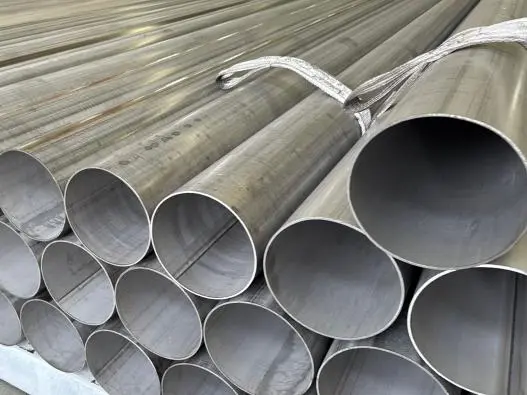
ASTM A312 TP310 310S 310H Pipes for Thermal Processing
When selecting materials for high-temperature industrial applications, ASTM A312 TP310 310S 310H Stainless Steel Pipes stand as proven solutions engineered specifically for thermal processing environments. These austenitic stainless steel pipes combine exceptional oxidation resistance with robust mechanical properties, addressing the critical demands of furnaces, boilers, and heat exchangers operating at elevated temperatures up to 1100°C (2010°F). Understanding the distinctions among these three grades empowers procurement professionals to specify materials that deliver safety, longevity, and cost efficiency across demanding thermal operations.
|
|
|
Introduction
Finding the right balance between working efficiency and equipment durability is a steady task for businesses that use thermal processing. Choosing the right materials has a direct effect on how reliable a system is and how much it costs to maintain, whether you are in charge of a petrochemical factory, a power plant, or an industrial oven. ASTM A312 TP310 310S 310H Stainless Steel Pipes have become the standard in the industry for high-temperature use. Each type is designed to meet specific mechanical and heat needs.
This guide helps procurement managers, engineers, and distributors find these speciality pipes by explaining the technical basics and giving useful advice. When materials break down in hot places, they cause unexpected downtime, safety risks, and expensive fixes. By looking at the differences in composition, performance, and procurement strategies described here, you can make sure that your sourcing choices are in line with project requirements and the realities of doing business in global B2B markets.
Understanding ASTM A312 TP310, 310S, and 310H Stainless Steel Pipes
In the ASTM A312/A312M-22 standard, all the requirements for austenitic stainless steel pipe in seamless, welded, and heavily cold-worked forms are laid out. This standard makes sure that pipes from NPS 1/8" to 48" (DN6–DN1200) are accurate in size, mechanically sound, and resistant to rust. Wall thicknesses can range from Schedule 5S to XXS.
Chemical Composition and Material Foundations
All three types are made up of 24-26% chromium and 19–22% nickel. These metals work together to make the protective oxide layer that is needed for protection to oxidation at high temperatures. The main difference is the amount of carbon in them, which changes how well they work in basic ways. TP310 shows the base makeup with normal amounts of carbon. TP310S limits the amount of carbon to 0.08% or less, which reduces the formation of carbides during welding and heat exposure. This is an important factor to consider for built-up parts that need to have the best intergranular corrosion protection. TP310H, on the other hand, has a higher carbon content (0.04-0.10%), which is meant to improve its creep-rupture strength in situations where high temperatures cause the material to deform over time.
Manufacturing Processes and Quality Standards
To get these pipes to the market, they are either made without seams, welded with straight seams, or heavily cold-worked. Depending on the size needs, production rate, and application needs, each method has its own benefits. The usual heat treatment is solution annealing followed by water cooling. This makes sure that the grain structure is perfect and the metal doesn't rust. Different installation and maintenance needs can be met by surface finishes such as pickled, bright annealed, polished, and passivated. Under ASTM A312 standards, quality assurance procedures must include hydrostatic testing, nondestructive examination using eddy current or ultrasound methods, positive material identification, and dimensional proof in line with ASTM A999 standards.
Grade Comparison Overview
To tell the difference between the three grades, you need to know how the carbon level affects efficiency. TP310S works great in riveted structures where keeping sensitisation to a minimum is very important. This is why it is the best choice for complicated pipe systems and heat exchanger bundles. Because TP310H has better creep resistance, it is used for superheater tubes, boiler parts, and pressurised systems that work continuously above 600°C. Standard TP310 has balanced qualities that make it good for moderate-temperature thermal uses where the standard doesn't need to be for maximum weldability or maximum creep strength.
Performance Characteristics Critical for Thermal Processing Applications
The main benefit of these austenitic stainless steel types is that they can be used at high temperatures. The right choice of material is based on how it reacts to thermal stress, oxidising environments, and cyclic heating patterns.
Thermal Performance Capabilities
When used continuously at temperatures up to 1100°C in oxidising atmospheres, ASTM A312 TP310 310S 310H Stainless Steel Pipes maintain their structural integrity due to their high chromium and nickel content, which forms a stable, adherent oxide scale that prevents further oxidation, and with minimum tensile strength of 515 MPa and yield strength of 205 MPa, the material handles thermal expansion stresses, while the higher carbon content in TP310H significantly improves creep-rupture strength—the ability to retain dimensional stability under long-term high-temperature loads—making it essential for boiler tubes and furnace components where combined high temperatures and internal pressure create demanding service conditions. Their great heat resistance comes from having a lot of chromium and nickel, which create a stable, stick-together oxide scale that keeps the base metal from oxidising even more. The minimum tensile strength of 515 MPa and yield strength of 205 MPa make sure that the material can handle the stress of thermal expansion. Notably, the higher carbon content in TP310H makes its creep-rupture strength much better. This is the material's ability to keep its shape under long-term high-temperature loads. When high temperatures and high internal pressure come together, they make for tough working conditions in boiler tubes and furnace parts that need this quality.
Corrosion Resistance in Thermal Environments
Besides being able to withstand heat, these pipes also work well in harmful temperature environments. The chromium oxide layer protects against oxidising gases, burning products, and many chemical process streams that are common in power plants and industrial plants. TP310S is very stable against intergranular rust after welding or being exposed to heat because it has a low carbon content, which stops chromium carbide precipitation that would remove protected chromium from border regions. The TP310 series works great in oxidising environments, but it's harder to use in reducing sulfur-containing environments. Under certain conditions, hydrogen sulphide and other similar compounds can get through the oxide layer. This is why characterisation of the atmosphere is so important when specifying materials.
Real-World Application Examples
These pipes are used a lot in radiant tubes, flare heads and reformer furnace parts at petrochemical plants, where high-temperature hydrocarbon processing takes place. Power companies use TP310H for the superheater tubes in coal-fired boilers, where the steam is over 600°C and high pressures inside the boilers require materials that don't bend easily. Industrial furnace makers use TP310S in muffle furnaces, annealing retorts and heat treatment equipment because it is easy to weld and doesn't break down when heated and cooled many times. These grades are being used more and more in hydrogen production plants for electrolysis system pipes and reformer tubes, which are used in environments with both high temperatures and corrosive conditions.
Comparative Analysis: Selecting Between 310, 310S, and 310H Pipes
It is helpful for purchasing decisions to compare these three closely related grades' mechanical properties, suitability for use, and commercial factors in a planned way.
Mechanical Properties and Application Alignment
TP310S is often the best choice when thermal cycling (equipment that is heated and cooled over and over) is a big part of the operating profile. Its lower carbon content lowers the amount of heat stress at the grain borders, which makes it less likely that cracks will form when temperatures change. For boilers and pressure tanks that keep steady-state high temperatures and internal pressure, TP310H's higher creep strength makes up for any extra costs by increasing service life and lowering the risk of catastrophic failure. Standard TP310 works well in moderate-temperature situations below 600°C, where neither maximum weldability nor maximum creep resistance are the most important design factors.
Commercial Considerations and Sourcing Strategy
Prices usually depend on the amount of carbon in the material and how much people want it. TP310S and TP310H cost a little more than regular TP310 because they have stricter compositional control and better performance goals. Availability depends on the size and how it was made; for example, seamless pipes with bigger diameters may have longer wait times than welded ones. As per ASTM A312, the outside sizes can be NPS 1/8" to 48" and the wall thickness can range from 5S to XXS. This lets you meet a wide range of pressure and flow needs. There are bulk buying options for normal sizes, but for custom sizes, you need to work with makers who have the right production tools.
Selection Recommendations
To match grade to application needs, you have to look at a lot of things at once. The best choice depends on things like temperature ranges, pressure conditions, the make-up of the atmosphere, the need for welding, and the expected service life. TP310H's creep resistance is very useful in high-temperature boiler applications that work at temperatures above 600°C and keep the internal pressure high. TP310S is preferred for heat-affected zone sensitisation in fabricated systems that need a lot of field welding. Standard TP310 works well with most thermal processing equipment that works below 600°C and doesn't cost too much. Talking to materials engineers and looking at examples of previous installations that worked well can help you feel more confident in your specification choices.
Procurement Guide and Market Insights for ASTM A312 TP310 Series Pipes
When you strategically buy specialised stainless steel pipes, you need to pay close attention to the details of the order specifications, quality checks, and seller qualifications to make sure that the materials you receive meet the needs of the project, and for ASTM A312 TP310 310S 310H Stainless Steel Pipes, this means verifying grade-specific chemical composition, mechanical properties, and heat treatment documentation, while ensuring the supplier provides full traceability and third-party test reports to confirm the pipe's ability to withstand high-temperature service conditions.
Identifying Qualified Manufacturers and Suppliers
Checking the certifications and quality control systems of suppliers is the first step in reliable buying. Pressure Equipment Directive (PED) compliance is necessary for installations in the European market, and ISO 9001 certification shows that you are committed to consistent quality processes. Technical ability is also backed up by TÜV approval and ISO 17025-accredited laboratory testing. Well-known companies usually provide full mill test certificates (MTC/MTR 3.1 or 3.2), third-party inspection coordination, welding procedure specs (WPS/PQR), and material processing sheets that show the full production chain. Companies that run multiple production lines and have a lot of annual capacity, like factories that make 50,000 tonnes of goods across 15 lines, show that they can keep their operations stable and meet large orders.
Order Specification and Customization
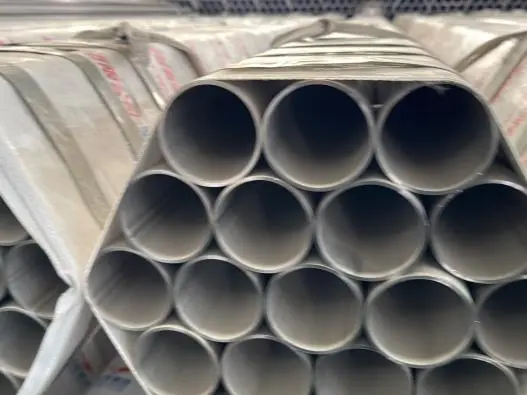
Unclear buy orders save a lot of money by avoiding delays and mistakes. Name the grade (TP310, TP310S, or TP310H), how it will be made (seamless or welded), the dimensions (outside diameter and wall thickness per schedule number), the length needs to be (random or fixed), the end finish (plain for pipes up to 2 inches, bevelled for larger sizes), the surface finish, and list any paperwork that is needed. A lot of suppliers can make changes to standard sizes, but the minimum order quantities and lead times are different for each one. To make sure the items are safe during international shipping, the type of packaging chosen—wooden boxes with steel frames if desired, hexagonal binding, or woven bags—should be confirmed.
Quality Verification and Price Negotiation
To negotiate good terms while keeping quality standards high, you have to think about a lot of things at once. Before you place a big order, make sure you have thorough technical data sheets, material test reports, and sample certifications. Know that prices include not only the cost of the materials themselves, but also the cost of testing, licensing, and the complexity of the production process. Suppliers with very low prices might not follow the rules for testing or keep track of the materials they use, which is not acceptable in critical thermal applications. When you build long-term relationships with qualified sellers, you can often get better prices than when you buy things on the spot. You can also be sure of consistent quality and quick expert help.
Ensuring Long-Term Success with ASTM A312 TP310, 310S & 310H Pipes
When these materials are handled, installed, and maintained correctly, they last longer and don't break down early, which takes away from the performance benefits they offer.
Installation and Maintenance Best Practices
When installing austenitic stainless steels, the way they expand and contract when heated and welded must be taken into account. When pipes heat up and cool down during operation, stress doesn't build up if there are enough expansion loops or flexible connections. For welding to work, you need the right filler metals, which usually have the same makeup as the base metal, and processes that have been checked by welding procedure qualification records (WPQR). Cleaning and passivation after welding bring back the protective oxide layer in areas that were damaged by the heat. As part of regular inspection routines, areas with welds and a lot of stress should be checked for scaling, warping, and cracks. Localised corrosion can't start if carbon steel particles aren't mixed in during fabrication and installation.
Avoiding Common Pitfalls
A number of common mistakes hurt the performance of TP310 series pipes. Putting too much heat into the weld can cause warping and grain growth, which lowers the resistance to rust. Not taking temperature expansion into account can cause too much stress and breaking before it should. Horizontal runs can sag if the support spacing isn't right. This is especially true for TP310S at high temperatures, where creep becomes a big problem. Galvanic rusting can happen when you mix materials that don't work well together, like when you connect TP310 series lines to carbon steel parts without properly isolating them. If you don't purge enough during welding, oxidation can happen inside the pipe, which hurts both its look and its performance.
Future Market Trends
The market for heat processing pipes is always changing because of rules about the climate, the need for efficiency, and new technologies. Tougher rules on emissions are pushing people to use more efficient burning systems that work at higher temperatures. This increases the need for TP310H's better resistance to creep. Building up the infrastructure for the hydrogen economy opens up new uses in electrolysis devices and fuel cell production. For complex geometries, additive manufacturing techniques may one day be used along with traditional pipe production, but they won't be widely used until more is known about them. Lifecycle optimisation is pushed by concerns about sustainability, which favours materials like the TP310 series that have a longer useful life and can be fully recycled when they're no longer needed.
Conclusion
The ASTM A312 TP310 310S 310H Stainless Steel Pipes are designed to meet the specific needs of difficult thermal processing uses. Their high chromium-nickel content makes them very resistant to oxidation and very stable mechanically at temperatures up to 1100°C. Being able to tell the difference between the three types and how the carbon content affects weldability, sensitisation resistance, and creep strength lets you make exact specifications that meet the needs of your project. A good procurement process balances technical requirements with supplier qualification, quality assurance, and cost concerns. The big performance benefits these materials offer can be fully realised through proper installation and maintenance. These materials support safe and effective thermal processing operations in the petrochemical, power generation, and industrial manufacturing sectors.
FAQ
What distinguishes TP310S from standard TP310 pipes?
TP310S has less carbon (up to 0.08%) than regular TP310, which makes carbide precipitation much less likely to happen during welding and thermal exposure. This feature reduces the chance of intergranular rust and enhances weldability, making TP310S the best choice for manufactured parts and uses that need a lot of joining.
Can TP310H pipes withstand high-temperature boiler conditions?
With its higher carbon content (0.04-0.10%), TP310H is designed for high-temperature boiler applications. Its creep-rupture strength is much higher at temperatures above 600°C. This grade doesn't change shape when heated and under pressure for a long time, which makes it perfect for superheater tubes and pressure vessel parts in power plants.
What are typical delivery timelines for bulk orders?
Delivery times depend on the details, the number of orders, and the supplier's availability. Standard sizes from well-known companies that can make a lot of them may be shipped to major ports in 7 to 10 days. Usually, it takes 4 to 8 weeks for custom sizes, special testing needs, or large quantities. By confirming wait times during the quote process, project delays can be avoided.
How do these pipes perform in sulfur-containing atmospheres?
TP310 series pipes work well in places where oxygen is present, but they have a harder time when sulfur-containing gases like hydrogen sulphide are present. There are times when the protective oxide layer can be broken. Because it forms stable oxides, TP310S often works better than standard TP310 in these kinds of atmospheres. However, it is still important to characterise the atmosphere during specification.
Partner with YOUFA for Reliable High-Temperature Piping Solutions
With certified ASTM A312 TP310 310S 310H Stainless Steel Pipes made to exacting quality standards, YOUFA is prepared to assist you with your thermal processing projects. With ISO 9001, PED, and TÜV approvals and an ISO 17025-accredited lab, we make sure that every pipe meets exact requirements. We can handle projects of any size because we have 15 production lines that make 50,000 tonnes of steel every year and a variable minimum order number of just one pipe. Our skilled professionals offer full documentation, such as MTC/MTR 3.1/3.2 certificates, WPS/PQR records, and full traceability. YOUFA provides quick technical support and smooth logistics whether you need seamless or welded pipes in standard or custom sizes. Get in touch with us at info@youfass.com to talk about your needs with a reliable ASTM A312 TP310 310S 310H Stainless Steel Pipes source that wants your project to succeed.
Online Message