
Jul 27, 2026
ASTM A312 TP309 309S Stainless Steel Pipes Manufacturer
When procuring stainless steel piping solutions for extreme thermal environments, ASTM A312 TP309 309S Stainless Steel Pipes stand as an industry-preferred material engineered specifically for high-temperature service, corrosion resistance, and structural durability. These pipes are premium austenitic chromium-nickel alloys defined by the ASTM A312/A312M-22 standard, manufactured through seamless, welded, or heavily cold-worked processes, serving critical applications in petrochemical facilities, power generation plants, hydrogen production equipment, and boiler systems. The TP309S designation indicates a low-carbon modification designed to minimize intergranular corrosion during welding operations, making it an optimal choice for fabricators addressing heat-affected zone vulnerabilities while maintaining exceptional creep strength.
|
|
|
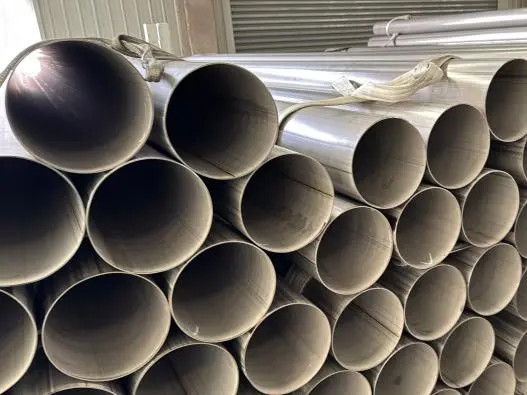
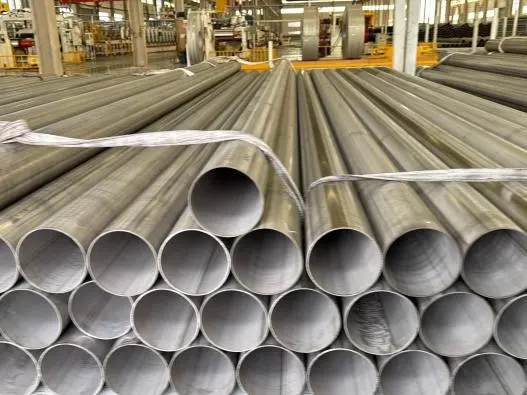
Understanding ASTM A312 TP309 and 309S Heat-Resistant Stainless Steel Pipes
Chemical Composition and Mechanical Properties That Define Performance
These alloy pipes are made up of high amounts of chromium (22–24%) and nickel (12–15%), which together make a strong oxidation shield that can work at temperatures up to 1038°C in constant service settings. The two grades are very different in terms of carbon content. TP309 allows higher carbon for better creep resistance, but TP309S limits carbon to a maximum of 0.08%, which directly addresses sensitization concerns during thermal cycling. The minimum yield strength is 205 MPa, and the maximum tensile strength is 515 MPa. This means that the structure is reliable under both heat and mechanical stress. These requirements make sure that the material stays the same size even when it's exposed to sulfur-containing gases, sudden changes in temperature, and harsh chemicals that are common in electrolysis systems and catalytic recovery operations.
Standard Dimensions and Manufacturing Tolerances
Our manufacturing range covers a wide range of sizes, from NPS 1/8" to NPS 48" (DN6 to DN1200), which are equivalent to 10.3 mm to 1219 mm in outside diameter. There are different wall thickness choices, from Schedule 5S to Schedule XXS, to meet different flow and pressure needs. The ASTM A312 standard requires exact wall thickness tolerances of -12.5% on the negative side and +15% to +22.5% on the positive side. This makes sure that the system stays consistent, which is very important for its stability. You can choose between random and fixed-length configurations, and the ends can be either plain (for diameters up to 2 inches) or beveled (for larger sizes). This ability to change sizes allows for a wide range of installation needs in fuel cell manifolds, industrial heat exchangers, and battery cooling systems for new energy vehicles.
Heat Treatment and Surface Finishing Methods
The main heat treatment method is solution annealing followed by water cooling. This breaks down carbides and creates a uniform austenitic microstructure that is resistant to grain boundary attack. This heat processing stops the sigma phase from becoming weak and improves the material's flexibility for later manufacturing steps. There are different ways to finish the surface of a metal piece. Pickled and annealed treatments get rid of mill scale and oxidation; bright annealed surfaces look nice and are easier to clean for medical device uses; and electropolished finishes make the inside of a semiconductor fluid delivery system very smooth. Passivation processes improve the natural chromium oxide layer even more, which increases its service life in marine settings and chloride-filled places like electroplating plants and chemical processing plants.
Comparative Analysis: Selecting the Right Stainless Steel Pipe Grade
TP309 versus TP309S Performance Characteristics
To choose between these grades, you need to look at certain operational parameters and fabrication methods. Because it has more carbon, TP309 has better creep resistance when exposed to temperatures close to 1100°C for a long time. This makes it good for furnace parts and heat tube uses where welding isn't needed. TP309S, on the other hand, focuses on being able to be welded and resisting corrosion afterward. This makes it essential for complex pipe assemblies in hydrogen production equipment with lots of joints and heat-affected areas. Cost differences are still pretty small, and the choice of material is still mostly based on technical needs rather than price. In real life, TP309S is better for making power batteries because it lowers the risk of sensitization when making bipolar plate cooling channels and electrode connection systems with a lot of weld joints.
Comparison with Other Stainless Steel Grades
The TP304 and TP316 types work well in lower temperatures, but they don't have the oxidation protection that is needed above 870°C, and for ASTM A312 TP309 309S Stainless Steel Pipes, the elevated chromium content provides superior oxidation resistance up to 1000°C, outperforming TP316 which cannot match TP309's temperature capability for thermal power generation superheaters, while TP310 offers higher maximum temperature tolerance (1150°C) but at greater cost and lower thermal conductivity, and TP321 and TP347 grades with titanium and niobium stabilization address sensitization but remain limited in service temperature compared to TP309S—making TP309S the optimal middle-ground choice for applications ranging from automotive components to aerospace heat shields. They start to scale quickly, which weakens the walls and the structure. Even though TP316 is better at resisting chlorides, it can't handle temperatures as high as TP309, which means it can't be used in thermal power generation superheaters. The TP310 grade is better than the TP309 grade in terms of its maximum temperature tolerance, reliably working up to 1150°C. However, it costs more and doesn't conduct heat as well, which could be a problem in heat exchanger tube applications where efficient heat transfer is important. While TP321 and TP347 grades have titanium and niobium stabilization, which stops sensitization in different ways, their highest service temperatures are still limited compared to ASTM A312 TP309 309S Stainless Steel Pipes. This makes TP309S the best middle-ground option for businesses ranging from automotive parts to aerospace heat shields because it strikes the best balance between temperature capability, weldability, and cost-effectiveness.
Stainless Steel versus Alternative Alloy Materials
When you compare austenitic stainless steel pipes to alloy steel options, you can see that they have different lifespan concerns. Carbon steel pipes with high-temperature coats might be cheaper at first, but they need to be replaced more often because they rust and break down in heat, which raises the total cost of ownership. Nickel-based superalloys work better than TP309 in harsh environments, but they cost three to five times more to make and are only useful in certain aerospace uses or advanced turbine parts. ASTM A312 TP309 309S Stainless Steel Pipes offer the best combination of thermal resistance, mechanical strength, and cost-effectiveness for most new energy industry applications, such as fuel cell stack manifolds and battery thermal management systems. Other materials find it hard to compete.
Manufacturing and Quality Assurance of ASTM A312 TP309 & 309S Pipes
Production Processes and Quality Control Protocols
Our factory has 15 specialized production lines that can make a total of 50,000 tons of product each year. For high-pressure applications, seamless pipe extrusion is used, and for bigger diameter needs, TIG or plasma welding is used. For seamless manufacturing, solid billets are first pierced, and then they are pilgered or cold drawn to get the final size. This gets rid of any longitudinal weld seams that could become weak spots. To make welded pipes, precise shaping and automatic welding are used, and all of the pipes are scanned with X-rays or ultrasounds to find any breaks. Heavy cold-worked versions go through extra reduction passes that improve their mechanical qualities and make them more precise in size, making them perfect for micro-scale uses in semiconductor manufacturing. Quality control includes hydrostatic testing up to 1.5 times the design pressure, intergranular corrosion testing according to ASTM A262 Practice E, flattening and flaring tests to make sure the material is flexible, positive material identification to make sure the chemical composition is correct, and metallographic examination to make sure the microstructure is correct. These strict processes make sure that specifications are followed, which is very important for purchasing managers in fields where failure has serious effects.
Certifications and Compliance Standards
Our quality management system is ISO 9001 certified and focuses on the customer, process control, and continuous improvement. It is also PED compliant, which means it meets European pressure equipment directives. Our ISO 17025-certified lab does independent testing and issues Material Test Certificates (MTC) in 3.1 and 3.2 forms that can be linked to qualities that are specific to heat. TÜV approval adds to the third-party validation that is recognized around the world. OEM clients in the car and medical device sectors value this especially. Third-Party Inspection reports, Welding Procedure Specifications and Procedure Qualification Records, Manufacturing Process Sheets, and full ultrasonic and radiography test records are all available. This framework for documentation meets the strict purchasing needs of Tier 1 automotive suppliers, companies that make power batteries, and precision coating companies that need to be able to fully trace materials and validate performance.
Supplier Selection Criteria for Global Procurement
Finding trustworthy companies that make stainless steel pipes requires looking at more than just unit price. Being able to meet project deadlines depends on how much you can produce and how consistently you deliver. Our 7-day expedited delivery to Tianjin Port makes this possible. Export knowledge and expert help in English make contact easier and lower the risk of misunderstanding specifications. After-sales service, such as field commissioning and expert problem-solving, sets sellers who want to build partnerships apart from those who just want to make sales. Our low minimum order quantity of just one pipe allows for prototype development and the small-batch needs that are common in new hydrogen equipment manufacturing and fuel cell research. Being a Top 500 company in China with over 200 employees since 2017 shows that the company is financially stable and has been in business for a long time. This guarantees the supply chain reliability that is needed for long-term business relationships.
Practical Applications and Industry Use Cases
High-Temperature Industrial Applications
In catalytic cracking units at petrochemical plants, where flue gases are over 950°C and contain sulphurous chemicals that quickly break down lower-grade materials, these heat-resistant pipes are used, and for ASTM A312 TP309 309S Stainless Steel Pipes, they also serve as superheater and reheater tubes in thermal power plants handling high-pressure steam, coal ash erosion, and cyclic thermal stress, as radiant tubes in carburizing furnaces and muffle assemblies in annealing operations where resistance to carburization and nitriding maintains dimensional accuracy across thousands of thermal cycles, and are increasingly used in high-temperature electrolysis systems for hydrogen production, steam injection lines, and UHT pasteurization systems in food processing facilities where cleanability and thermal shock resistance meet hygiene standards. They are used in thermal power plants as superheater and reheater tubes because they can handle the combined force of high-pressure steam, coal ash erosion, and cyclic thermal stress. They are used in industrial heat treatment plants for radiant tubes in furnaces that carburize and for muffle assemblies in annealing. The material's resistance to carburization and nitriding keeps the dimensions accurate over thousands of temperature cycles. In the new energy sector, these pipes are being used more and more in high-temperature electrolysis systems for making hydrogen. They don't rust in alkaline electrolytes, and their ability to expand and contract with temperature keeps the seals intact and the system working well. They are used in steam injection and UHT pasteurization systems in food processing facilities because they are easy to clean and can withstand repeated thermal shocks, which helps meet hygiene standards.
Welding and Fabrication Considerations
To successfully weld TP309S pipes, you must follow standard methods that limit the amount of heat you use and keep interpass temperatures below 150°C to avoid sensitization. Gas tungsten arc welding with ER309L filler metal that matches the weld gives the best results and maintains resistance to rust across the weld joints. When the complexity of the manufacturing allows it, solution annealing at 1040–1120°C after welding and then rapid cooling returns the best microstructure. When matching mechanical properties, you have to look at both the base metal and the weld metal's properties. A good joint design will spread stress so the metal doesn't break too soon. Our available Welding Procedure Specifications and Procedure Qualification Records give fabricators written instructions that have been proven to work through mechanical testing. This helps them make parts for cars and put together battery modules. Some common mistakes in manufacturing are not using enough purge gas to prevent internal oxidation, applying too much heat which leads to grain growth and lower creep resistance, and choosing the wrong filling metal, which lowers corrosion performance. Technical support from makers with a lot of experience is very helpful for avoiding these problems and making sure that the quality of the work matches the capabilities of the material.
Procurement Guidance for ASTM A312 TP309 & 309S Stainless Steel Pipes
Pricing Frameworks and Lead Time Expectations
The prices of these special metals change on the market depending on how much nickel costs, how much chromium is available, and how much of the factory's capacity is being used. When you commit to a certain amount of goods, you can usually get better prices. Economies of scale become clear when you order more than 10 tons. Customization needs, such as non-standard widths, specialized surface finishes, and better testing methods, add time to production and cost increases of 15 to 30 percent above standard prices. Lead times on the market right now are an average of 4 to 6 weeks for standard specifications that are kept in stock. Lead times can go up to 8 to 12 weeks for customized requirements that include tighter tolerances on dimensions or better inspection protocols. When production schedules allow, we send normal sizes within 7 days to port to meet urgent needs. This is possible because our production planning allows for faster processing. Setting up framework deals that lock in prices and ensure capacity sharing during times of market uncertainty is helpful for procurement managers in the making of new energy vehicles and fuel cell development.
Locating and Evaluating Certified Suppliers
There are a lot of distributors and service centers in the United States that carry common pipe sizes. However, working directly with the manufacturer can often offer better technical support and more customization options. European markets put a lot of weight on PED compliance and being able to track materials, so approval documents are very important when evaluating suppliers. Asian manufacturing sources, especially China, offer reasonable prices and a lot of production capacity. However, buying teams must carefully look at quality systems, communication capabilities, and rights for intellectual property. Checking the reliability of a distributor means looking at their certifications, calling customer references from similar industries, and, if possible, auditing their facilities. Independent lab testing of samples verifies the claimed specs and quality consistency. Our ability to directly export cuts out middlemen markups and keeps quality control high throughout the supply chain. This is made possible by detailed English documentation and quick technical support that addresses application-specific issues that come up a lot when making hydrogen equipment and electrochemical cells.
Preparing Effective Procurement Inquiries
To start sourcing successfully, you need to give exact requirements to potential suppliers through detailed technical specifications. Specific grade designation (TP309 vs. TP309S), dimensions with tolerances, quantity needs, delivery timeline, certifications needed, and destination port are all important pieces of information. Enquiries should ask for more information about where the materials came from, how they were tested beyond the standard requirements, how they were packed to prevent damage during shipping, and how they could be paid for. When checking the manufacturer's skills, you might ask about the longest length that's available, the finishing that can be used on the surface, the manufacturer's ability to provide witness testing, and their experience with similar uses in your industry. By asking for both the pricing and technical parts of the proposal, you can do a full evaluation that goes beyond just looking at costs. Within 24 hours of receiving an inquiry, our sales team replies with detailed quotes that include relevant case studies, relevant certification paperwork, and technical data sheets to help you make an informed decision.
Conclusion
Finding the right heat-resistant stainless steel pipe means balancing technical requirements, quality control, and the dependability of the supplier, and for ASTM A312 TP309 309S Stainless Steel Pipes, the unique combination of high chromium and nickel content provides the oxidation resistance and high-temperature strength needed for demanding applications in power generation, chemical processing, automotive, and new energy sectors where conventional materials fail. Procurement pros can choose the best options by knowing about changes in composition, manufacturing methods, and application-specific needs. Quality approvals, thorough testing, and written manufacturing processes give users the trust they need for important tasks. When you work with experienced makers who offer expert help, flexible order amounts, and reliable shipping schedules, you lower the risk of procurement and ensure long-term performance. The information given gives buying managers, design engineers, and project planners the knowledge they need to choose the right materials and evaluate suppliers in today's global market, which is very competitive.
FAQ
What distinguishes TP309 from TP309S in practical applications?
The main difference is the amount of carbon in each: TP309S has no more than 0.08% carbon, while TP309 has higher levels. This lower carbon standard stops carbide from forming during welding, which makes it less likely that intergranular rust will happen in areas that have been heated. TP309 has slightly higher creep strength at high temperatures, which makes it better for high-temperature parts that aren't welded. On the other hand, TP309S is better for welded assemblies, which are common in hydrogen production systems and fuel cell manifolds.
How do I verify manufacturer certifications and quality credentials?
Ask for copies of the ISO 9001 licenses, the PED compliance paperwork, and the ISO 17025 laboratory approval. Look at the Material Test Reports to make sure that the chemical and mechanical qualities are right for your needs when it comes to heat. Reports from independent third-party inspections by well-known organizations like TÜV add to the evidence. Asking for facility audits or video walks shows that you are open and honest, and it lets you evaluate the production capabilities and quality control systems that are needed to keep supplies steady.
Can these pipes withstand cryogenic service conditions?
Austenitic stainless steels are tough even at temperatures below zero, even though they were originally designed for high-temperature uses. The face-centered cubic crystal structure stops the brittle transition, so they can be used in situations where temperatures need to go from very low to very high. But materials made especially for cryogenic service may have the best qualities when performance at very low temperatures is more important than resistance to heat.
Partner with YOUFA for Reliable ASTM A312 TP309 309S Stainless Steel Pipes Supply
Choosing the right supplier for stainless steel pipes has a direct effect on the success of the project, the efficiency of production, and the long-term costs of running the business, and for ASTM A312 TP309 309S Stainless Steel Pipes, YOUFASS Stainless Steel Pipe Co., Ltd. combines quality manufacturing with customer-focused service, backed by ISO 9001, PED, and TÜV certifications, with 15 production lines and an annual capacity of 50,000 tons, and offers low MOQs starting from a single pipe for prototype and small-batch needs. YOUFASS Stainless Steel Pipe Co., Ltd. combines quality manufacturing with customer-focused service to provide consistent quality that is backed by ISO 9001, PED, and TÜV certifications. With 15 production lines and an annual capacity of 50,000 tons, we can reliably meet even the most demanding needs. Our low minimum order quantity of just one pipe also makes it easy to meet prototype and small-batch needs. Full paperwork, like MTC 3.1/3.2 licenses, welding instructions, and inspection reports, meets the highest standards for buying in the new energy, automobile, semiconductor, and chemical processing industries. Our expert team is ready to help you with any problems you're having with your application, whether you need seamless pipes for high-pressure situations or welded solutions for low-cost large-diameter installs. Email our experts at info@youfass.com right now to talk about your heat-resistant piping needs, get detailed quotes, or set up a sample evaluation. For your next project, see what a difference dedicated manufacturing expertise and customer commitment can make.
Online Message