
Jul 13, 2026
ASTM A312 TP304H Stainless Steel Pipes: Key Specifications and Applications
Make sure you know everything about the materials you choose for factory lines that will be used at high temperatures before you do it. ASTM A312 TP304H Stainless Steel Pipes can be used in places where the temperature is always more than 500°C. They are austenitic type 304 and have a lot of carbon in them. The word "H" means it's safe as long as the carbon amount stays between 0.04% and 0.10%. This makes it much less likely that the thing will move, which is important for tools that heat, power, or make oil. This book is for people who need to buy good pipe options. It tells them what to think about, how to measure, and what chemicals are used.
|
|
|
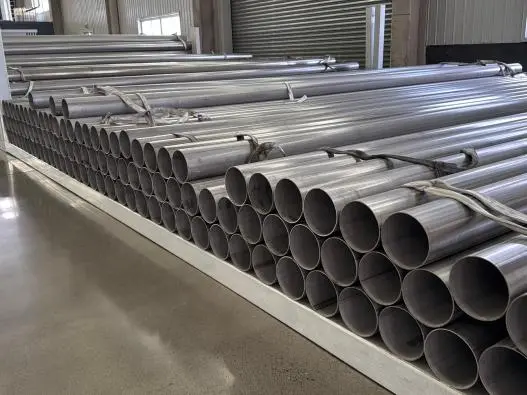
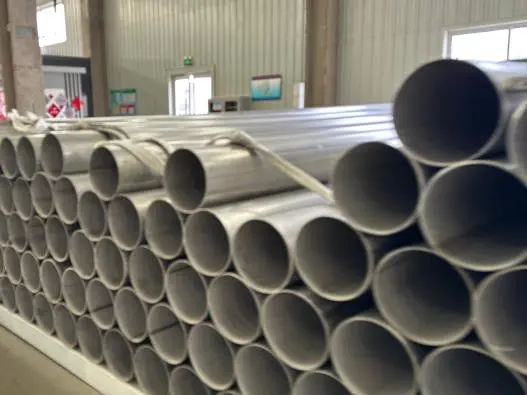
Understanding ASTM A312 TP304H Stainless Steel Pipes
What Defines TP304H in the Stainless Steel Family
What makes TP304H special is the way it was made. In TP304, the carbon level can be as low as 0.08%, but in ASTM A312 TP304H Stainless Steel Pipes, it must be at least 0.04%. When you heat austenitic stainless steels, they get very hot, and carbides form around the edges of the grains. Over time, this makes the steel less strong. While the amount of carbon is fixed, the grains have to be bigger (usually ASTM grain size No. 7 or bigger). This makes it stronger against creep and breakage. Making the solution stronger is one of the most important parts of manufacturing. The material needs to be heated to at least 1040°C and then cooled down right away in water. The austenitic structure is evened out by this heat cycle, which changes carbides into solid ions.
Chemical Composition and Mechanical Performance
ASTM A312 TP304H Stainless Steel Pipes can handle high temperatures as long as it is kept in good shape. When the chromium amount gets to 18.0% to 20%, rust stops, and a layer of inactivity shows up. Metal that has 8.0% to 11.0% nickel in it will bend no matter how hot it is. This kind of building is called austenitic. It makes the deoxidation process happen while it is being made with even 2% manganese. Things change how they work when less than 1% silicon is shot into them. It's easy to weld metal that is rusty. The way it works is what makes it special. That's 515 MPa and 205 MPa at room temperature. There are better materials than this one for studying creep at 650°C. It can handle a lot more stress.
Dimensional Standards and Manufacturing Tolerances
To measure limits, ASTM A312 tells you exactly what to do. For ASTM A312 TP304H Stainless Steel Pipes, the pipe sizes range from NPS 1/8" to NPS 48", which are the same as the outside widths of 10.3 mm to 1219 mm. For straight pipes with an outside diameter of up to NPS 4", the tolerances can be ±0.75%. Schedule 5S is for light-wall construction, and Schedule XXS is for extra-extra-strong construction. ASTM A312 allows wall thickness tolerances of +15% to +22.5% on the positive side and -12.5% on the negative side. Random lengths are cheap and easy to move, while fixed lengths, usually 6 meters, are best for projects that don't need to be cut in the field. For pipes up to 2 inches, the ends are smooth; for larger sizes, the ends are beveled and ready to butt weld according to ASME B16.25 standards.
Key Differences and Comparisons Among Stainless Steel Pipe Grades
TP304H Versus Standard TP304
TP304 comes in different grades that depend on the temperature and corrosion environment. Standard TP304 is good for general-purpose uses where temperatures stay below 425°C. TP304L is great for welded structures because it resists intergranular attack without the need for post-weld heat treatment. Finally, ASTM A312 TP304H Stainless Steel Pipes are made for projects that need higher creep strength while meeting corrosion resistance requirements and temperatures between 500°C and 870°C. Prices for these grades change depending on the market, with standard TP304 usually being the least expensive.
Comparing TP304H with TP316H
Adding molybdenum (2% to 3% of TP316H) makes it much more resistant to pitting and crevice corrosion in chloride-containing environments. This makes it better for marine uses and installations near the coast. However, the molybdenum makes the material 25–40% more expensive than ASTM A312 TP304H Stainless Steel Pipes. When TP321H is heated to a high temperature, it changes into titanium carbides instead of chromium carbides. This keeps the chromium available for passive film formation and makes TP321H more resistant to intergranular corrosion than TP304H. It is mostly used in high-temperature exhaust systems for planes and chemical processing equipment.
Choosing the Right Grade for High-Temperature Applications
The way something is made affects both how well it works and how much it costs. Seamless ASTM A312 TP304H Stainless Steel Pipes, made by hot extrusion or pilgering of solid billets, have a uniform microstructure and no longitudinal welds. This makes them the most reliable when it comes to cyclic loading, thermal transients, and corrosive attack. They are used in high-pressure steam systems and important petrochemical infrastructure. It might be cheaper to use welded pipes instead of seamless ones, especially for bigger diameters. New welding technologies, like TIG and plasma arc processes, make joints that have mechanical properties close to those of the base material.
ASTM A312 TP304H Pipes Manufacturing and Identification
Seamless and Welded Manufacturing Processes
ASTM A312 differentiates between standard welded pipes and "heavily cold-worked" variants. Heavily cold-worked ASTM A312 TP304H Stainless Steel Pipes get a lot of cold reduction after welding to make them stronger and improve their surface finish. These pipes are often used in architecture and food processing settings where both how they work and how easy they are to clean are important. Seamless production remains the preferred choice for high-pressure boiler and superheater applications where uniform properties around the circumference are critical for safety.
Quality Certifications and Documentation Requirements
From the time the raw materials are made in steel mills until the finished ASTM A312 TP304H Stainless Steel Pipes are shipped, reliable suppliers keep track of the heat numbers of their materials. The tensile properties are checked mechanically, and non-destructive testing methods like ultrasonic testing and eddy current inspection are used to find internal discontinuities. Mill test certificates (MTCs) that meet EN 10204 3.1 or 3.2 standards give certified chemical analysis, mechanical test results, and traceability information for each production lot. These papers help you show that the materials supplied meet the needs during regulatory inspections.
Supplier Selection and Verification Criteria
To find good suppliers, you should think about manufacturing capacity and whether they have the right technology to support consistent quality. Suppliers should have ISO 9001 quality management systems and PED (Pressure Equipment Directive) compliance. Professional suppliers are responsive and willing to provide paperwork like mill test reports and third-party inspection certificates. Digital documentation systems make it easier for people working on the project to share information quickly, ensuring that all components meet the required safety standards for industrial use.
Applications and Benefits of ASTM A312 TP304H Stainless Steel Pipes
Power Generation and Boiler Systems
Thermal power plants are the main market for ASTM A312 TP304H Stainless Steel Pipes systems. In the superheater and reheater sections, steam temperatures regularly reach 540°C to 600°C, so the structures need to be able to last for 100,000 hours. These pipes are the backbone of these important heat transfer systems; they turn thermal energy into mechanical work with little maintenance. The material's resistance to steam-side oxidation and fireside corrosion keeps tubes from breaking, which can cause expensive unplanned outages.
Chemical Processing and Petrochemical Industries
ASTM A312 TP304H Stainless Steel Pipes in catalytic reforming units, hydrocracking reactors, and thermal cracking furnaces are exposed to harsh chemicals. The chromium oxide passive layer protects well against hydrogen attack at moderate partial pressures. Its high carbon content makes it strong enough to hold heavy equipment and not sag under long-term thermal loading. Its creep resistance stops changes in size that could affect process flow and catalyst bed performance. This grade is often cheaper and easier to work with than nickel alloys for processing oil and gas.
Key Performance Advantages Driving Material Selection
When you buy ASTM A312 TP304H Stainless Steel Pipes from certified manufacturers, you get more than just better material properties.
• Superior High-Temperature Strength: The controlled carbon content provides higher creep-rupture strength at temperatures above 500°C.
• Oxidation Resistance: Longer service life means fewer replacements and less maintenance work, which lowers lifecycle costs.
• Thermal Cycling Tolerance: We can trust performance predictions, which help us budget and plan projects.
• Fabrication Versatility: Standard fabrication techniques and fittings make engineering and procurement easier without specialized tools.
• Life-Cycle Cost Effectiveness: Thorough quality checks help make sure that the pipe meets the requirements for pressure equipment and insurance in regulated industries.
Procurement Guide: Buying ASTM A312 TP304H Stainless Steel Pipes
Sourcing Channels and Supplier Evaluation
One type of supplier is known for being honest and helpful, building long-lasting relationships with major EPC contractors and equipment manufacturers. Technical support is available to help with questions about specifications and application-specific problems. Professional ASTM A312 TP304H Stainless Steel Pipes suppliers are responsive and coordinate witness testing with reputable groups for projects that need a third-party inspection. Positive material identification confirms grade accuracy, which keeps costly installation mistakes from happening.
Understanding Cost Drivers and Price Structures
Nickel prices have the most significant effect on stainless steel prices, followed by chromium and molybdenum. Seamless pipes cost more than welded pipes because they are harder to make and lose more material during production. Custom specifications, like non-standard sizes or special testing requirements, may raise unit prices but save money in the long run by making the product work better. Consolidated procurement strategies are appealing for businesses that know their ongoing demand or projects that happen in stages.
Navigating International Procurement Logistics
For industrial piping projects, you need to keep a lot of paperwork to show that you follow the rules. Ultrasonic testing reports show if the material is internally sound, and hydrostatic testing shows that the material is pressure-tough. Experienced suppliers know how to handle commercial invoices, packing lists, and certificates of origin so that projects don't get held up by customs delays. It's best to plan ahead, as some custom orders take a few weeks to ship, and international shipping makes the wait time longer.
Conclusion
ASTM A312 TP304H Stainless Steel Pipes are some of the best high-temperature industrial pipes. They have a controlled carbon content and a coarse-grain structure, which makes them more resistant to creep than standard austenitic grades. This is why they are used in power generation superheaters, petrochemical reformer tubes, and thermal processing equipment that works above 500°C. There are many dimensional standards and established quality assurance protocols that help buyers feel good about their purchases.
FAQ
What maximum temperature can TP304H pipes withstand continuously?
ASTM A312 TP304H Stainless Steel Pipes have between 0.04% and 0.10% carbon. This grade has a much higher creep-rupture strength at temperatures above 500°C and can be used in high-temperature applications that will last a long time, while standard grades would break quickly.
How does TP304H compare to TP304L in welding applications?
You can use the right filler metals, like ER309 or ER309L, to join TP304H and carbon steel. These fillers work with both austenitic stainless steel and ferritic carbon steel to keep the joints from cracking. It is important to plan the joints correctly and leave room for the pipe system to expand.
What certifications should buyers verify when procuring TP304H pipes?
ASTM A312 TP304H Stainless Steel Pipes don't usually crack after welding because of stress corrosion, so they don't always need to be heat-treated. However, sections with walls thicker than 25 mm or installations in very corrosive environments may benefit from stress-relief annealing at 900°C to restore corrosion resistance.
Can TP304H be used in cryogenic applications?
Austenitic stainless steels maintain ductility at cryogenic temperatures, making TP304H technically suitable. However, low-carbon TP304L is typically preferred for cryogenic service as the high carbon content in TP304H provides no benefit at low temperatures where creep mechanisms are inactive.
What factors determine whether seamless or welded pipe is preferable?
Seamless pipes offer uniform properties and eliminate weld seam concerns, preferred for high-pressure applications. Welded pipes provide cost advantages in larger diameters. Modern welding technology produces joints meeting strength requirements, making welded pipe suitable for most applications when properly manufactured.
Source Your High-Temperature Piping Solutions from YOUFA
To make sure your project goes well, you need to find an ASTM A312 TP304H Stainless Steel Pipes supplier that can get the materials to you quickly. Youfa Stainless Steel Pipe Co., Ltd. has 15 production lines that make 50,000 tons of steel every year. We have many certifications, such as ISO 9001, PED, and ISO 17025 laboratory accreditation. Our order policies are flexible, and our single-pipe MOQ lets us make prototypes and replace pipes quickly. Email our team at info@youfass.com to find out how our quick response can help with big pipe projects.
References
1. ASTM International. (2022). "ASTM A312/A312M-22: Standard Specification for Seamless, Welded, and Heavily Cold Worked Austenitic Stainless Steel Pipes." West Conshohocken, PA: ASTM International.
2. Boyer, H.E. & Gall, T.L. (1985). "Metals Handbook: Desk Edition - Properties and Selection of Stainless Steels." Materials Park, OH: ASM International.
3. Bhadeshia, H.K.D.H. & Honeycombe, R.W.K. (2017). "Steels: Microstructure and Properties (Fourth Edition)." Oxford: Butterworth-Heinemann.
4. Sedriks, A.J. (1996). "Corrosion of Stainless Steels (Second Edition)." New York: John Wiley & Sons.
5. American Society of Mechanical Engineers. (2021). "ASME Boiler and Pressure Vessel Code, Section II Part D: Properties (Customary)." New York: ASME.
6. Davis, J.R. (1994). "Stainless Steels: ASM Specialty Handbook." Materials Park, OH: ASM International.
Online Message